
Anti-rat and anti-bird pecking optical cable
An anti-bird pecking and optical cable technology, used in the field of communication, can solve the problems of shortened service life and increased optical fiber transmission attenuation, and achieve the effects of extended service life, good weather resistance, and high flame retardant efficiency.
Patent Information
- Authority / Receiving Office
- CN · China
- Patent Type
- Patents(China)
- Current Assignee / Owner
- Publication Date
- 2019-11-15
Smart Images
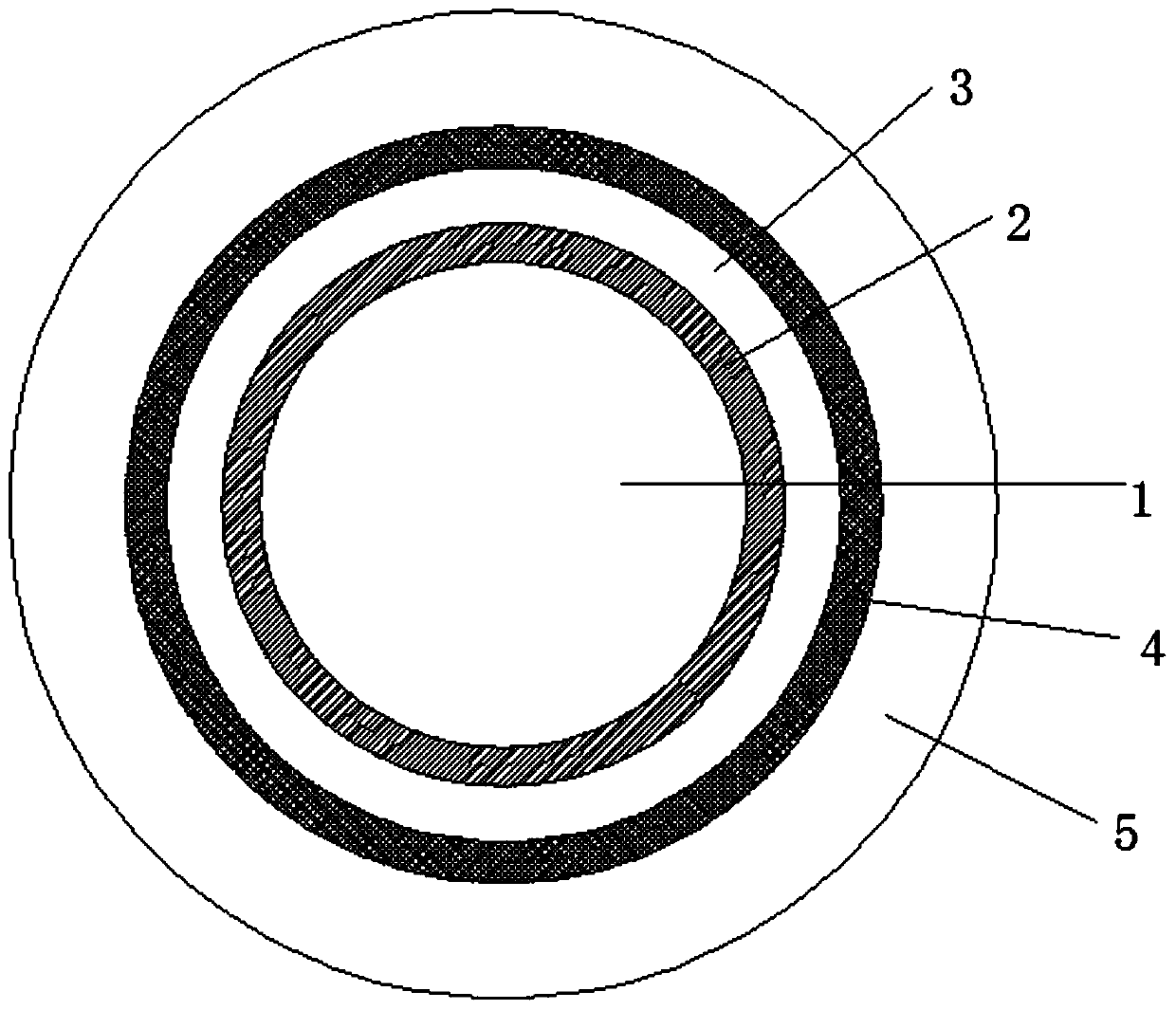
Figure 1 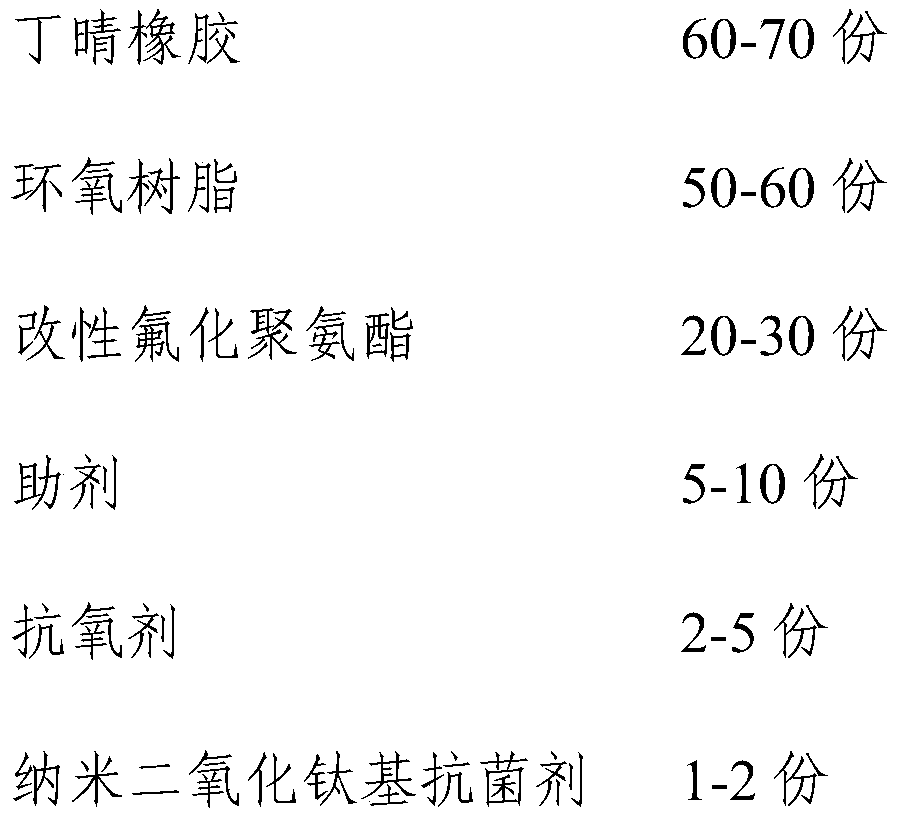
Figure 2 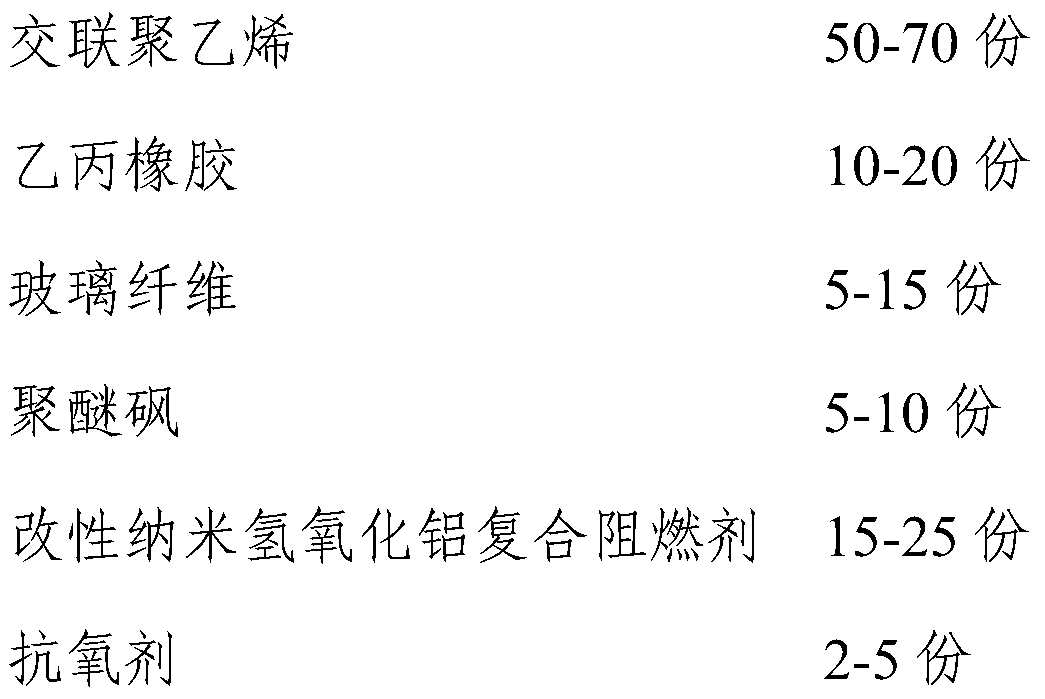
Figure 3
Abstract
Description
technical field
[0001] The invention relates to the communication field, in particular to a rodent-proof and bird-pecking-proof optical cable. Background technique
[0002] There are two types of optical cable designs for traditional rodent and bird protection: chemical methods and physical methods. The chemical method is generally to add repellants such as capsicum to the outer sheath material, so that rodents and birds do not like to damage the outer sheath of the optical cable, thereby protecting the optical cable from damage; or the outer sheath Designed with colors that birds do not like, etc., but these methods have limited effects, and are likely to cause pollution to the production and use environment, and the taste of capsicum will weaken or even disappear over time, and the warning color will age and fade, making the protective effect more effective. It's getting worse. The physical method is generally to add a metal protective layer such as round steel wire spir...
Examples
Embodiment 1
[0034] The material formulations of the cable inner sheath and outer sheath in Example 1 are shown in Table 1.
[0035] Inner sheath and outer sheath material formulation table in table 1 embodiment 1
[0036]
Embodiment 2
[0038] The formulation table of the inner sheath and the outer sheath material in Example 2 is shown in Table 2.
[0039] Inner sheath and outer sheath material formulation table in table 2 embodiment 2
[0040]
Embodiment 3
[0042] The formulation table of the inner sheath and the outer sheath material in Example 3 is shown in Table 3.
[0043] Inner sheath and outer sheath material formulation table in table 3 embodiment 3
[0044]
[0045]
[0046] In the above-mentioned embodiments 1-3, the above-mentioned modified fluorinated polyurethane includes: hydrophilic polyether polyol, aliphatic diisocyanate, and fluorine-containing monoalcohol.
[0047] The preparation method of the above-mentioned modified fluorinated polyurethane comprises: mixing hydrophilic polyether polyol with aliphatic diisocyanate and fluorine-containing monohydric alcohol, and putting the obtained mixed solution into a reaction kettle under nitrogen protection , add the remaining one of aliphatic diisocyanate and fluorine-containing monoalcohol and solvent at 60-85°C, stir at 100-110°C for 1-2 hours, add chain extender, catalyst and pass fluorine ultrasonic The ethanol solution of the dispersed nano-graphene is contin...