
Method for detecting bio-available cadmium in soil
A biologically effective and soil-based technology, applied in the direction of measuring devices, test sample preparation, sampling, etc., can solve the problems of cross-phase, mutual interference, accurate extraction and detection of cadmium content, etc.
Patent Information
- Authority / Receiving Office
- CN · China
- Current Assignee / Owner
- Publication Date
- 2019-01-04
Smart Images
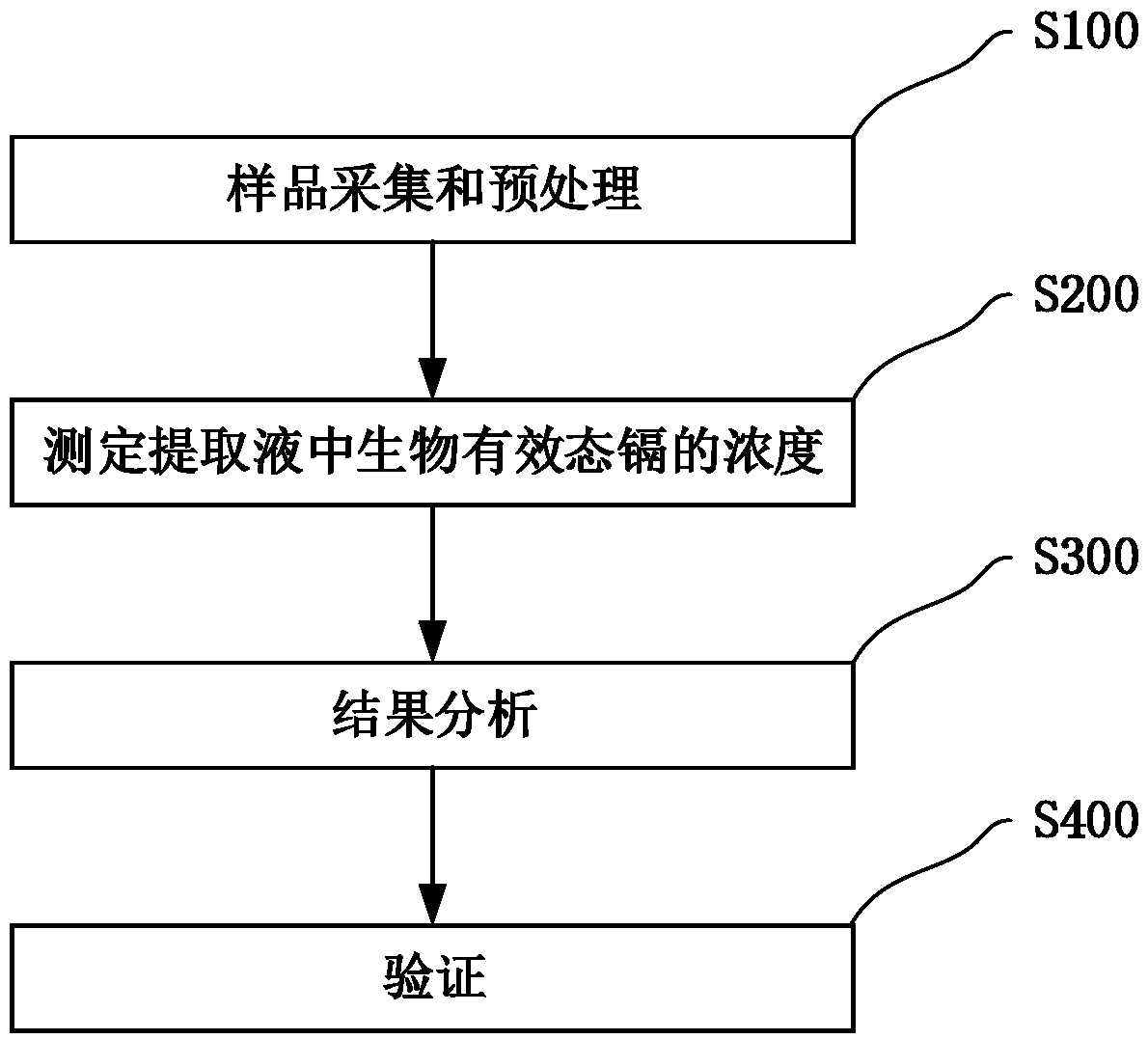
Figure 1 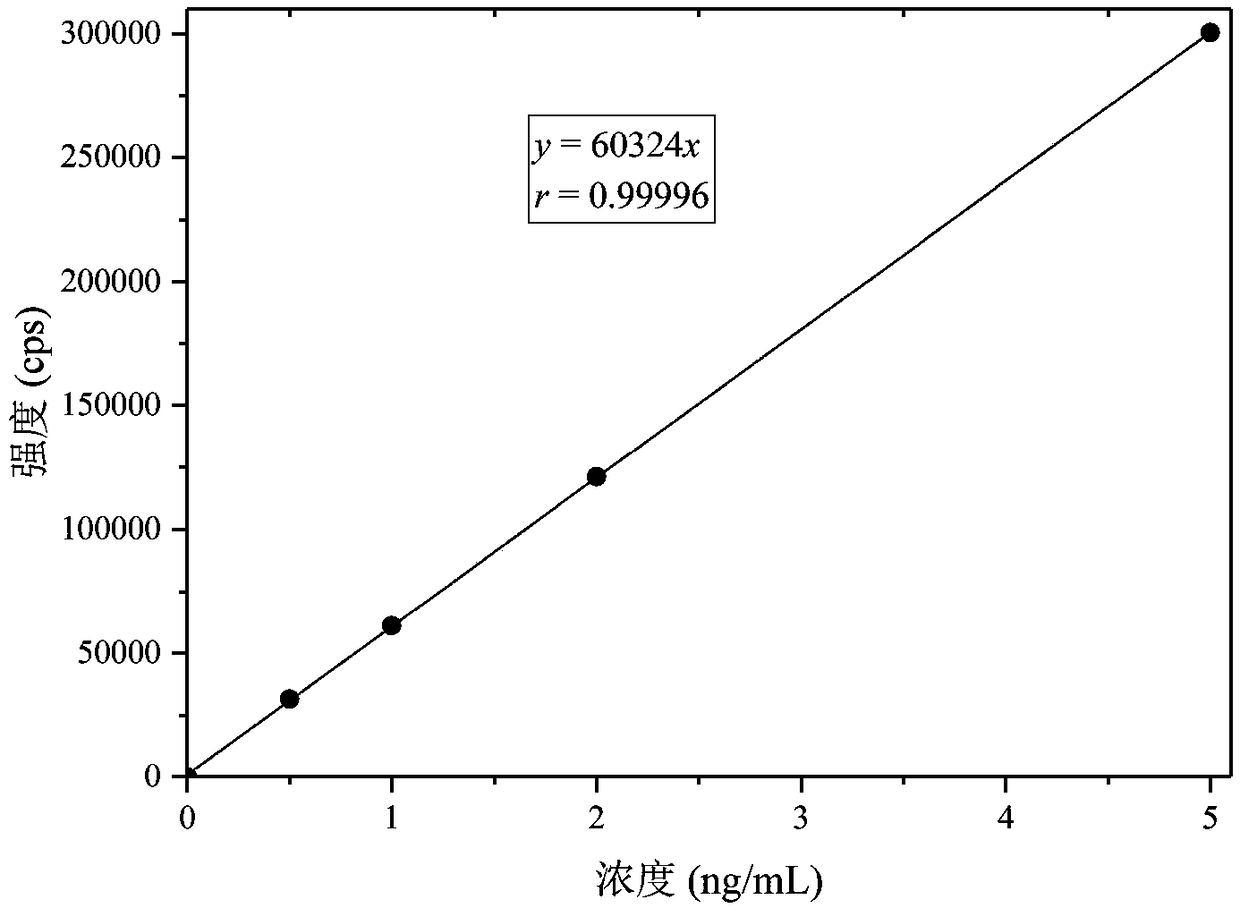
Figure 2 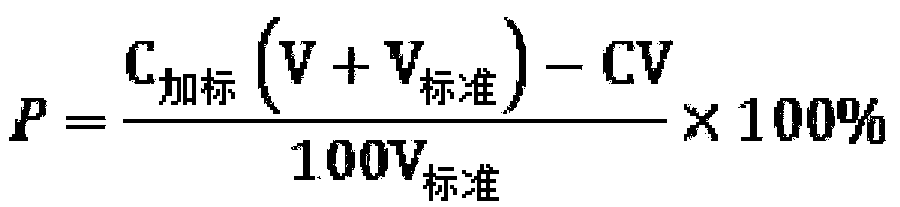
Figure 3
Abstract
Description
technical field
[0001] The invention relates to the technical field of soil environmental protection detection, in particular to a method for detecting biologically available cadmium in soil. Background technique
[0002] The environmental behavior and ecological effects of heavy metal elements do not depend on their total amount in environmental matrix such as soil or sediment, but mainly depend on their existing phase and corresponding quantity ratio. The different chemical forms of metals in the environmental matrix determine their mobility and bioavailability; the research on heavy metals in bioavailable state can provide a reliable basis for evaluating environmental pollution, establishing environmental standards, and preventing and remediating environmental pollution. Cadmium is a widely distributed metal element, which is located in the IIB and fifth period of the periodic table of elements. It is mainly used in the battery industry, followed by pigments, paints and e...
Examples
Embodiment Construction
[0094]In describing the present invention, it should be understood that the terms "center", "longitudinal", "transverse", "length", "width", "thickness", "upper", "lower", "front", " Back", "Left", "Right", "Vertical", "Horizontal", "Top", "Bottom", "Inner", "Outer", "Clockwise", "Counterclockwise", "Axial", The orientation or positional relationship indicated by "radial", "circumferential", etc. is based on the orientation or positional relationship shown in the drawings, and is only for the convenience of describing the present invention and simplifying the description, rather than indicating or implying the referred device or element Must be in a particular orientation, be constructed in a particular orientation, and operate in a particular orientation, and therefore should not be construed as limiting the invention. In addition, features defined as "first" and "second" may explicitly or implicitly include one or more of these features. In the description of the present in...