
Positive temperature coefficient polycrystalline silicon resistor structure and manufacturing method thereof
A polysilicon resistance, positive temperature coefficient technology, applied in resistors, circuits, electrical components, etc., can solve the problems of inability to obtain polysilicon resistance structure design, limitations, etc., to avoid performance limitations and excellent process stability.
Patent Information
- Authority / Receiving Office
- CN · China
- Patent Type
- Applications(China)
- Current Assignee / Owner
- Publication Date
- 2019-04-26
Smart Images
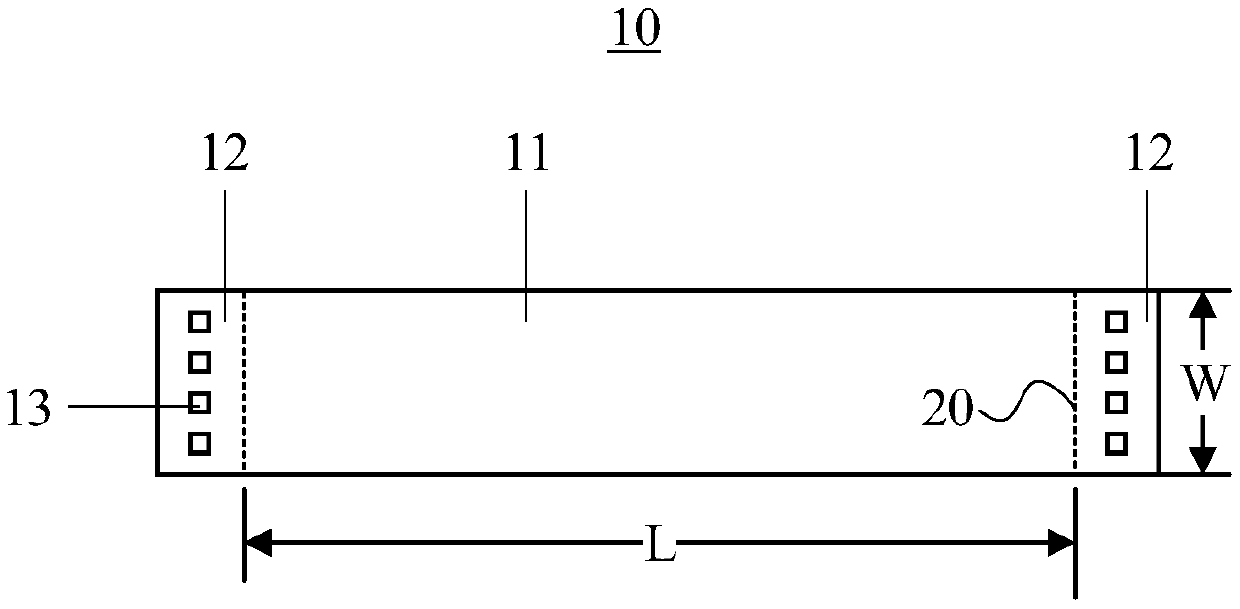
Figure 1 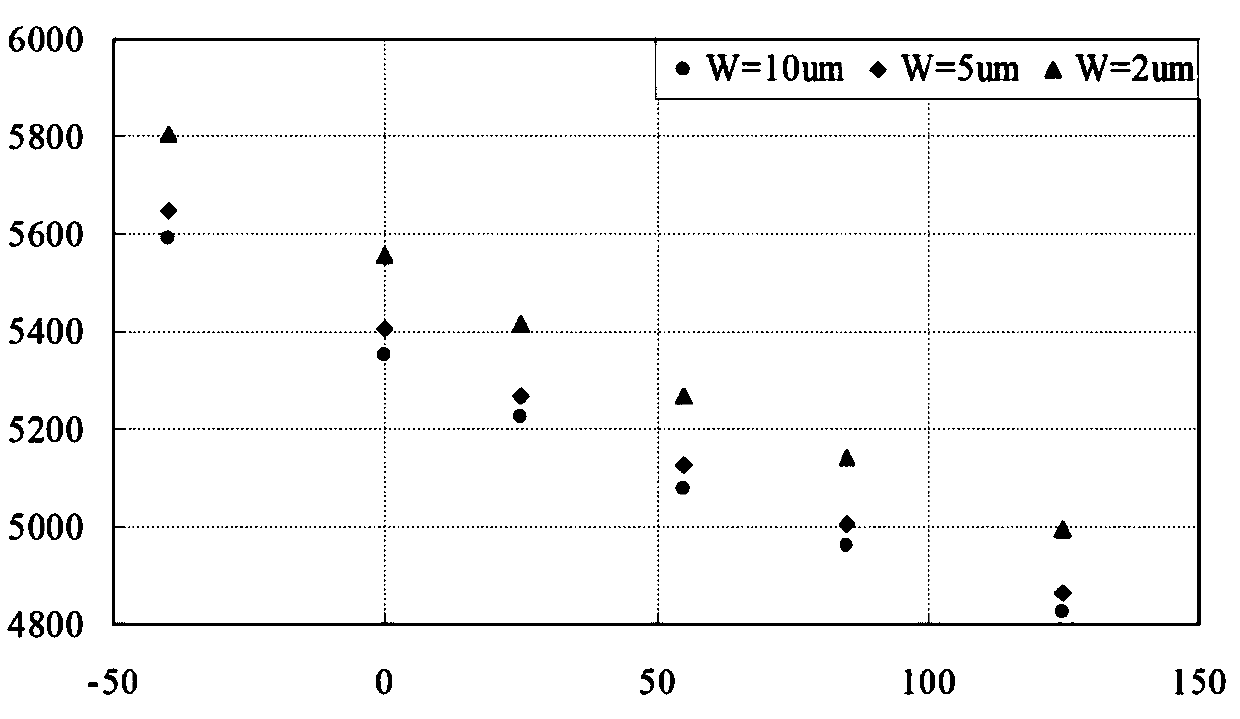
Figure 2 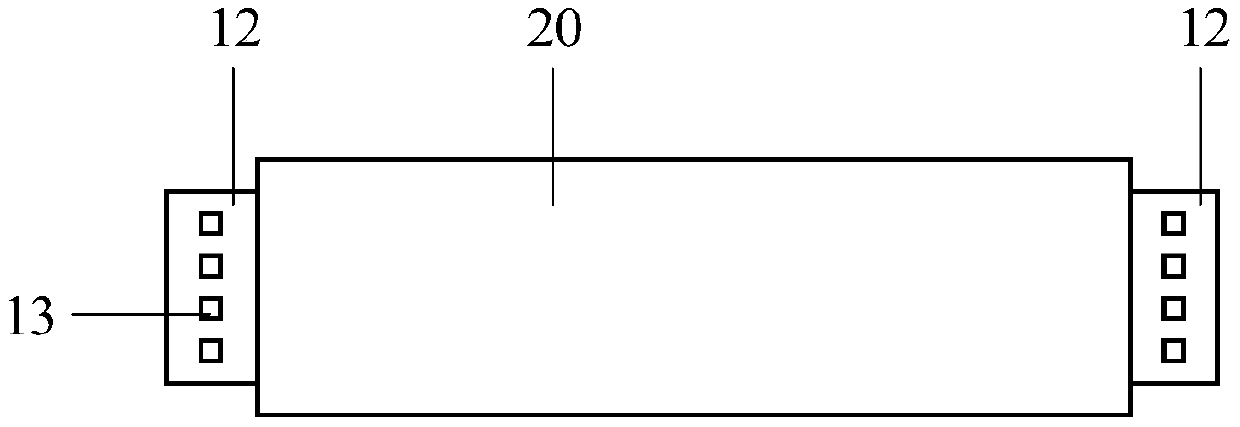
Figure 3
Abstract
Description
technical field
[0001] The invention relates to the technical field of semiconductor manufacturing, in particular to a positive temperature coefficient polysilicon resistance structure and a manufacturing method thereof. Background technique
[0002] Semiconductor resistance devices are one of the most widely used devices in semiconductor chip products, and the temperature characteristics of resistance are very important in product applications. Commonly used resistors are as follows. The resistance formed by using polysilicon material on the semiconductor substrate through the isolation of the oxide layer is called polysilicon (Poly) resistance. Please refer to Figure 14 , the relationship between the resistance of the diffusion region and the position of the polysilicon resistance is as follows. Taking the P-type silicon substrate as an example, it includes a P-type silicon substrate 301, an N-type diffused region resistor 302, an oxide layer 303, and a polysilicon resi...
Examples
Embodiment Construction
[0033] The present invention is described in detail below in conjunction with accompanying drawing:
[0034] image 3 It is a structural schematic diagram of a metal silicide barrier layer covering the middle area of a traditional non-metallized polysilicon resistor. Please refer to image 3 , due to the polysilicon resistance structure in the manufacturing process, by setting the metal silicide barrier layer 20 in the middle region 11 to prevent the metallization of the middle region 11, and the exposed end region 12 is generally provided with a contact hole 13 through the metal silicide metal connected by metal wires. Figure 4 is a curve diagram of the resistance value of the middle region of the polysilicon resistance structure changing with temperature; Figure 5 It is a graph showing the variation of resistance value with temperature after the end region of the polysilicon resistance structure is metallized with metal silicide. Wherein the abscissa is the temperatu...