
Image light supplement adjusting method and device and electronic equipment
An adjustment method and technology of electronic equipment, applied in the direction of image communication, television, electrical components, etc., can solve problems such as inflexibility, poor performance, and inability to ensure that the brightness of the area of interest meets the identification requirements, avoiding repeated flashing, and flexible compensation. light effect
Patent Information
- Authority / Receiving Office
- CN · China
- Patent Type
- Applications(China)
- Current Assignee / Owner
- Publication Date
- 2019-12-31
Smart Images
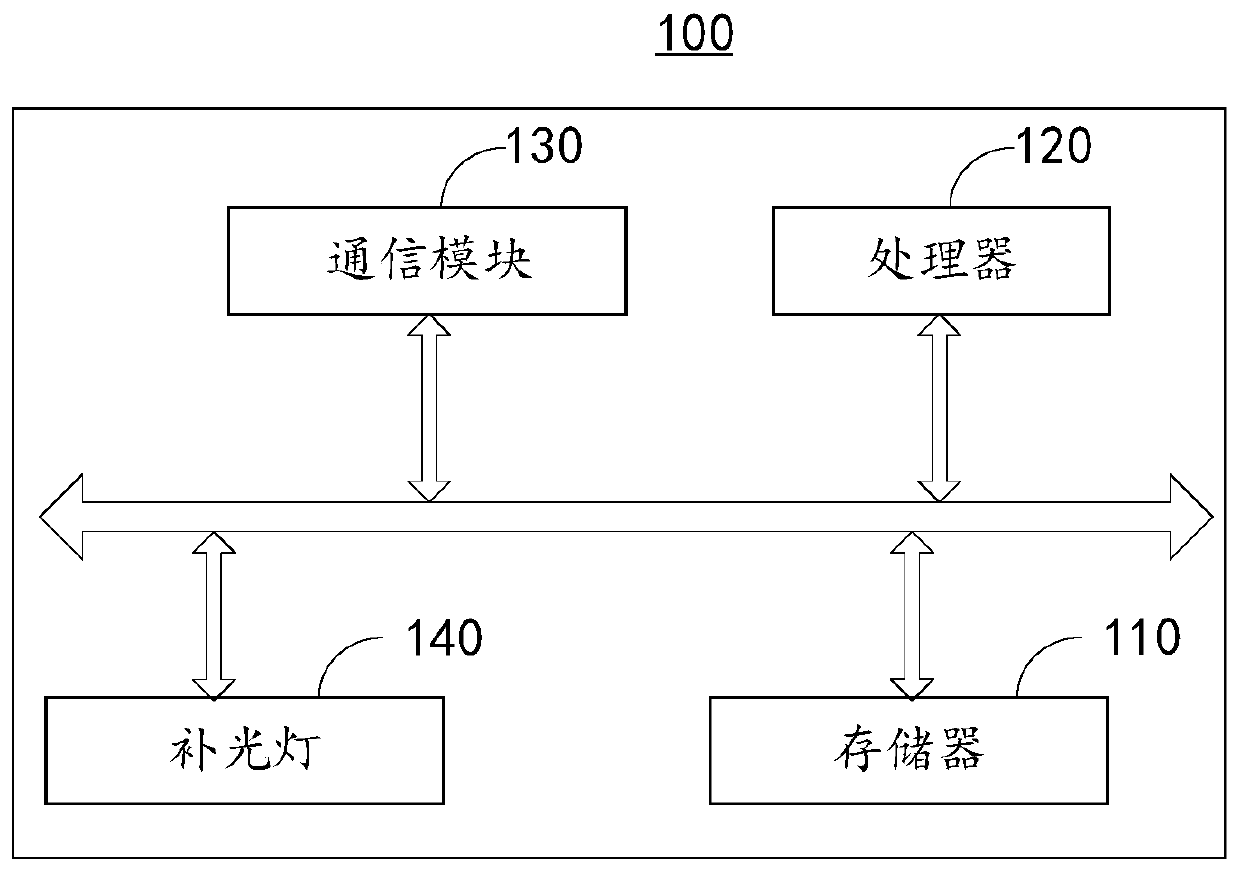
Figure 1 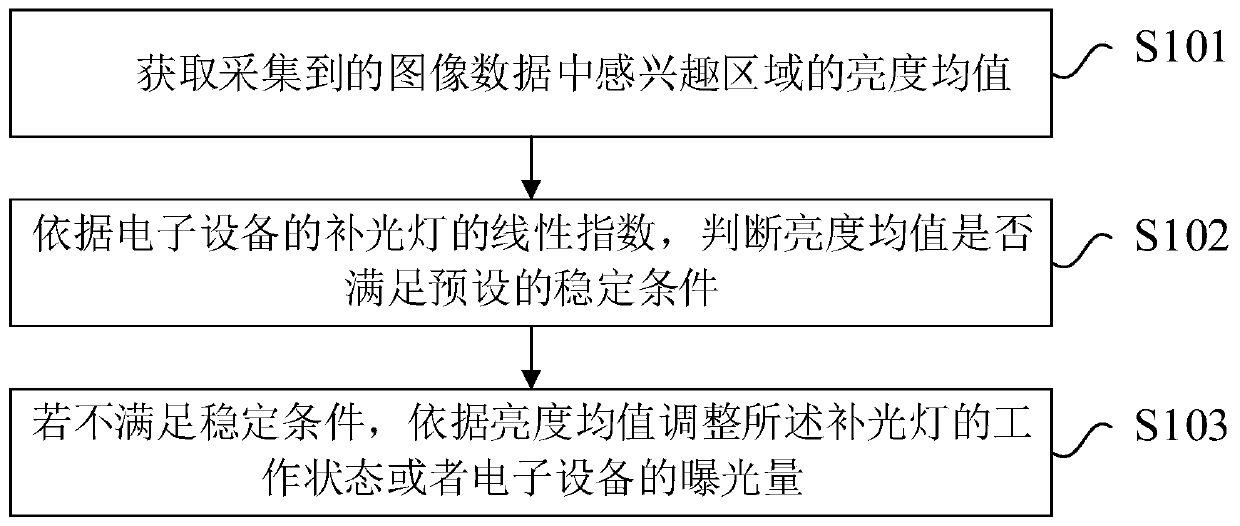
Figure 2 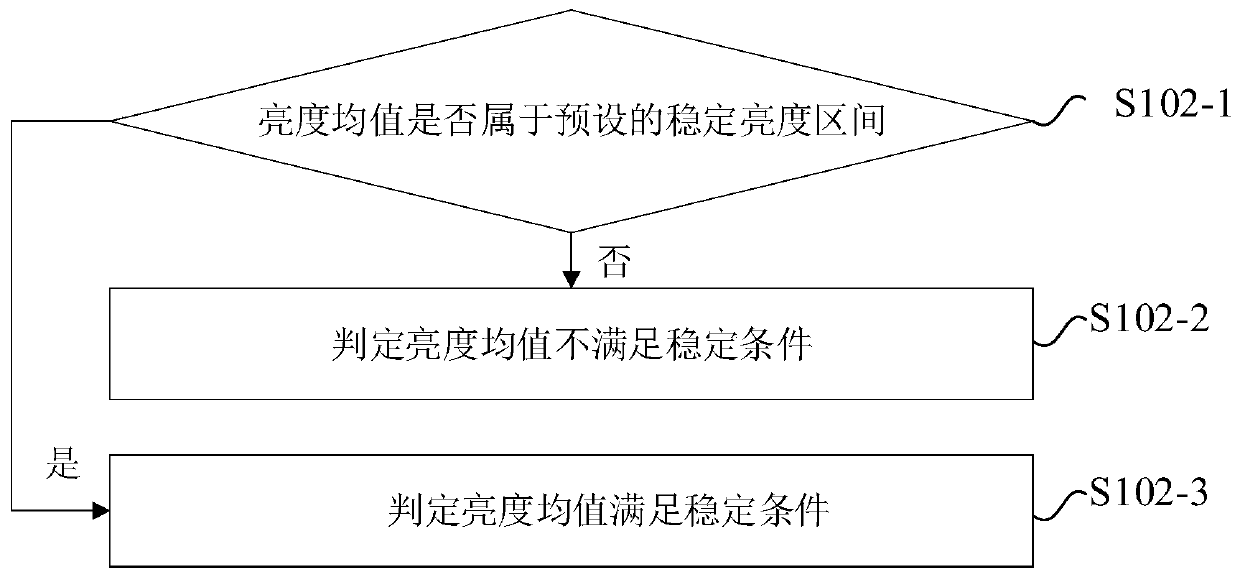
Figure 3
Abstract
Description
technical field
[0001] The invention relates to the technical field of monitoring, in particular to an image supplementary light adjustment method, device and electronic equipment. Background technique
[0002] With the development of artificial intelligence technology, image recognition technology has been widely used in various industries. Especially in the security industry, surveillance cameras capable of image recognition of captured images are also widely used in urban construction. The key to ensure accurate image detection and high recognition rate is image quality. The lighting environment when collecting images has a great impact on image quality. For example, when the lighting environment is poor, the brightness of the collected image data is low, making it difficult to perform image processing. However, surveillance cameras are usually installed in an outdoor environment where the lighting environment is uncontrollable. Therefore, it is very important to suppl...
Examples
no. 1 example
[0040] Please refer to figure 2 , figure 2 The image supplementary light adjustment method provided by the embodiment of the present invention is shown. The above-mentioned image supplementary light adjustment method may be applied to the above-mentioned electronic device 100 . Such as figure 2 As shown, the above image supplementary light adjustment method includes the following steps:
[0041] Step S101, acquiring the average brightness value of the region of interest in the collected image data.
[0042] The above-mentioned electronic device 100 continuously collects images of the monitored area, and puts the image data into a queue to be processed when the image data of the region of interest is collected. The queue to be processed is used to store image data with regions of interest. Optionally, the acquired image data with the region of interest is sequentially buffered in the queue to be processed according to the order of acquisition time. After the queue to be ...
example 1
[0087] S1. A human face image area appears in the image data collected by the electronic device 100, and the image data is stored in a queue to be processed.
[0088] S2, according to the preset time period, sequentially calculate the average brightness value of the faces appearing in each piece of image data in the queue to be processed.
[0089] S3. After superimposing the average brightness value of the faces appearing in each image data in the queue to be processed, divide by the number of images in the queue to be processed to obtain the corresponding average brightness value.
[0090] S4, judging whether the average brightness value belongs to a preset stable brightness interval. If not, enter the intelligent adjustment mode, that is, the process enters step S5. If yes, enter the brightness stabilization mode, that is, the process enters step S11.
[0091] S5. If the average brightness value is greater than the upper limit of the preset stable brightness interval, calc...
example 2
[0099] D1, a human face image area appears in the image data collected by the electronic device 100, and the image data is stored in a queue to be processed.
[0100] D2, according to the preset time period, sequentially calculate the average brightness value of the faces appearing in each piece of image data in the queue to be processed.
[0101] D3, after superimposing the average brightness value of the faces appearing in each image data in the queue to be processed, dividing by the number of images in the queue to be processed, to obtain the corresponding average brightness value.
[0102] D4, judging whether the average brightness value belongs to the current stable brightness interval. Wherein, the current stable brightness interval may be a preset stable brightness interval, or may be an extended brightness interval. The extended brightness interval is an extended brightness interval based on a preset stable brightness interval.
[0103] If not, then enter the intelli...