
Composition FOR EXTENDING TELOMERE OF CELL and preparation method thereof
A cell and telomere technology, applied in biochemical equipment and methods, drug combinations, embryonic cells, etc., can solve the problems of producing by-products, harmful to the environment, etc., and achieve the effect of simple process and simple preparation
Patent Information
- Authority / Receiving Office
- CN · China
- Patent Type
- Applications(China)
- Current Assignee / Owner
- Publication Date
- 2020-04-10
Smart Images
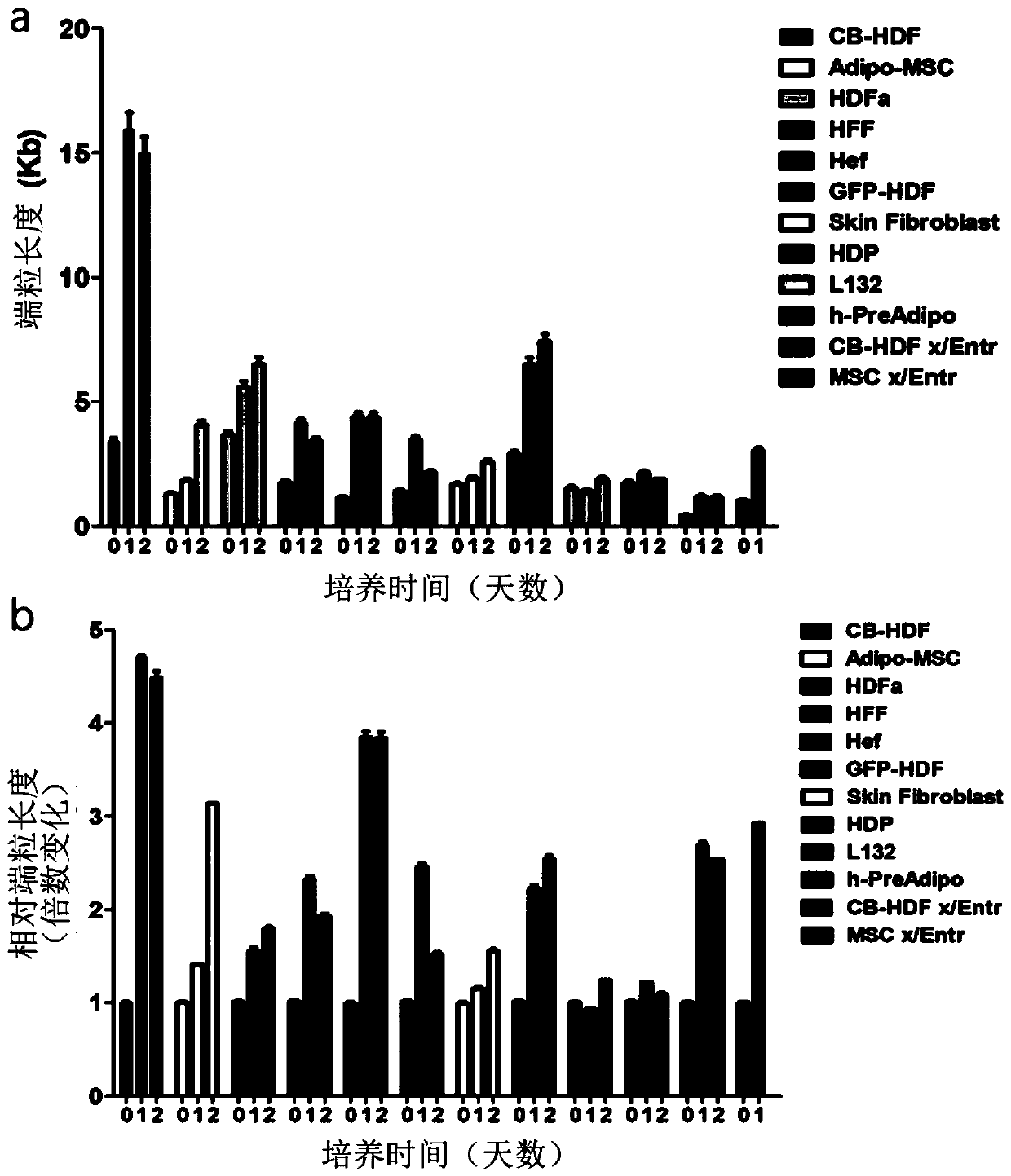
Figure 1 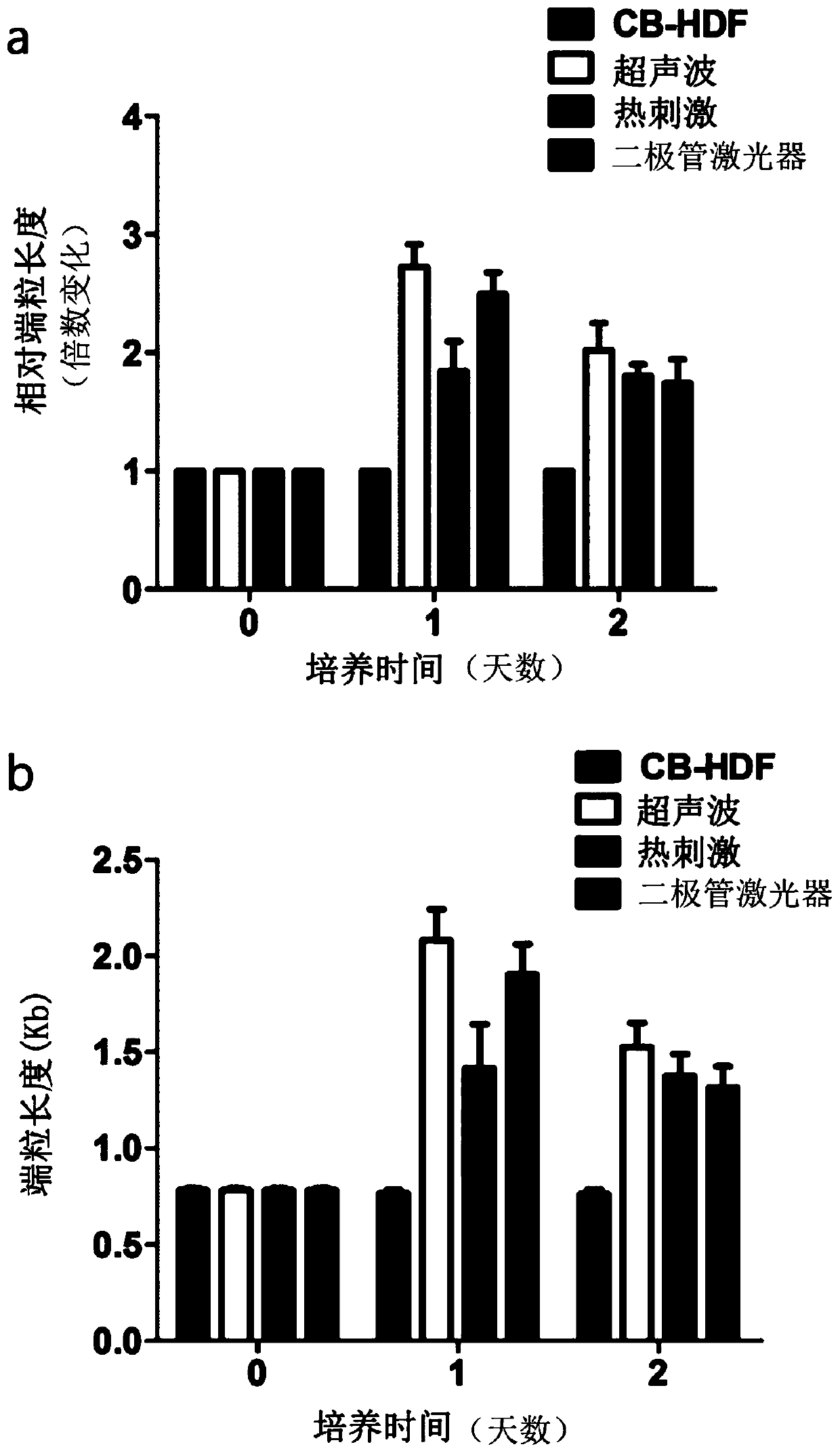
Figure 2 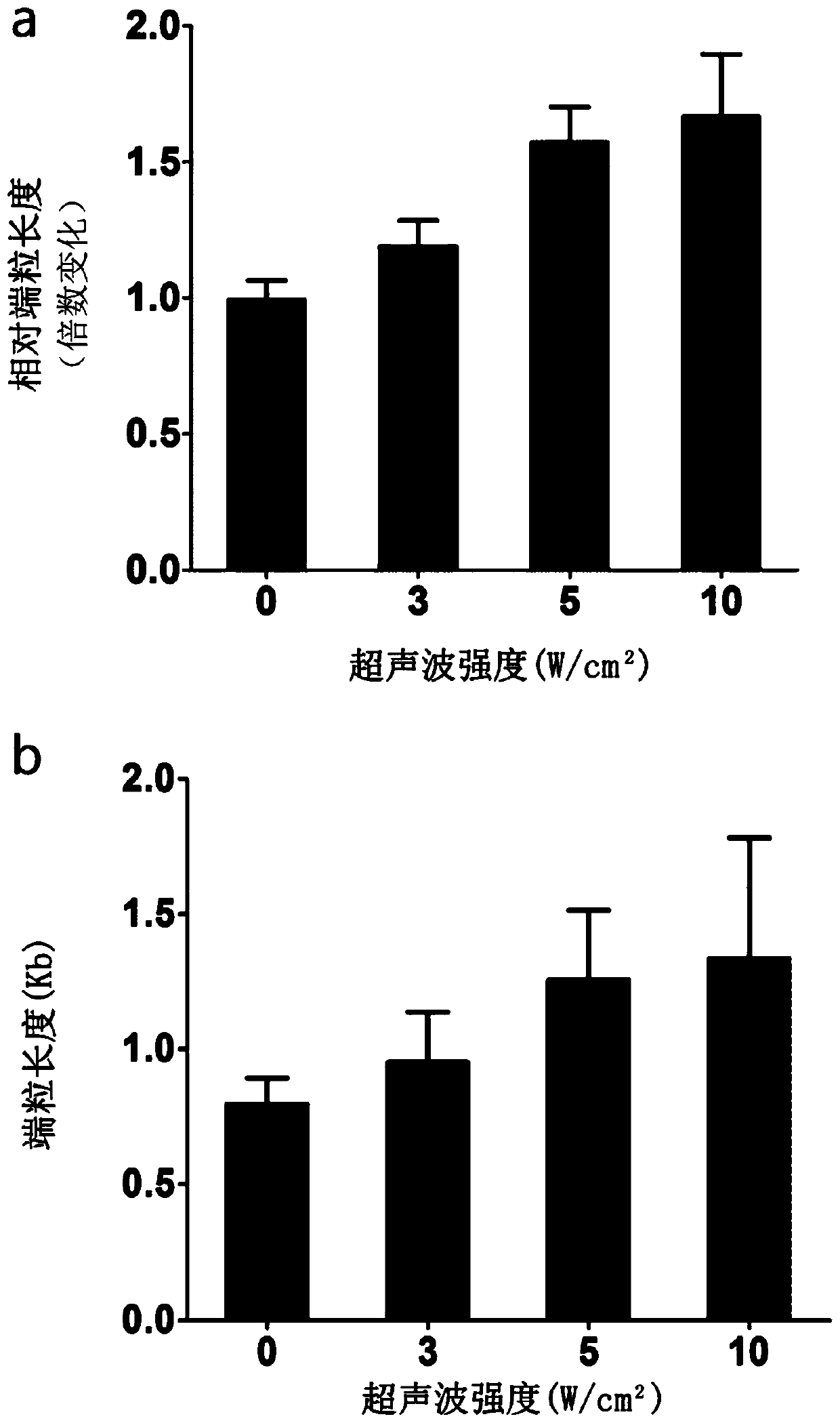
Figure 3
Abstract
Description
technical field
[0001] The present invention relates to exosomes that extend the telomere (telomeres) of cells, compositions containing them, and their preparation methods. Cell extension of one or more RNAs or proteins of genes in TNKS1BP1, ACD, NBN, HSPA1L, PARP1, PTGES3, SMG6, BLM, XRCC5, XRCC6, ERCC4, PRKDC, TEP1, and β-catenin Exosomes of telomeres, compositions comprising the same, and methods of directly or indirectly providing physical stimulation to cells to induce telomere-extending exosomes from the above-mentioned cells. Background technique
[0002] Telomeres are deoxyribonucleic acid (DNA) repeats (TTAGGG in humans) at the ends of chromosomes. The telomere and the telomere protein (shelterin) complex combine to form a protective cap, which has the function of regulating the expansion ability of cells and preventing the combination of chromosomes and the loss of genetic information during cell division. DNA polymerases cannot amplify the 3' end, so telomeres s...
Examples
preparation example Construction
[0115]According to another aspect of the present invention, the preparation method of exosomes that extend the telomeres of cells includes: the step of directly or indirectly providing physical stimulation to the cells; the step of cultivating the mixture of the above cells and the medium for a specified time; In the step of isolating exosomes from the above-mentioned mixture, the above-mentioned direct stimulation is to apply physical stimulation to the medium containing cells, and the above-mentioned indirect stimulation is to mix the above-mentioned medium and the above-mentioned cells after applying physical stimulation to the medium that does not contain cells.
[0116] Wherein, the form of the above-mentioned physical stimulation can be selected from low frequency, ultrasound, high frequency, heat, light, electromagnetic wave, electric wave, stretch (stretch), compression (compression), preferably, can be selected from ultrasound, heat and light any kind.
[0117] The pr...
Embodiment 1
[0136] Example 1. Induction of Telomere Lengthening of Cells by Direct Ultrasound Stimulation
[0137] In 1ml of culture medium, add to 1×10 6 Directly apply 1W / cm to each cell 2 Cells stimulated with ultrasonic waves for 5 seconds (20KHz) were cultured in a culture dish together with the same type of medium, and cultured for more than 1 day.
Embodiment 2
[0138] Example 2. Induction of Telomere Lengthening of Cells by Direct Thermal Stimulation
[0139] In 1ml hES medium, put 1×10 6 Put each cell into a 1.5ml test tube (tube), expose it at 50°C for 5 seconds, then expose it at 0°C for 10 seconds, and culture it with the same type of medium in a petri dish for 1 day above.