
RNA probe for detecting novel coronavirus 2019-nCOV as well as preparation method and application thereof
A 2019-ncov, RNA probe technology, applied in biochemical equipment and methods, DNA/RNA fragments, recombinant DNA technology, etc., can solve the problems of RNA loss, RNA loss, false positive phenomenon, etc., to avoid RNA Losses, time savings, and improved accuracy
Patent Information
- Authority / Receiving Office
- CN · China
- Current Assignee / Owner
- Publication Date
- 2020-09-25
Smart Images
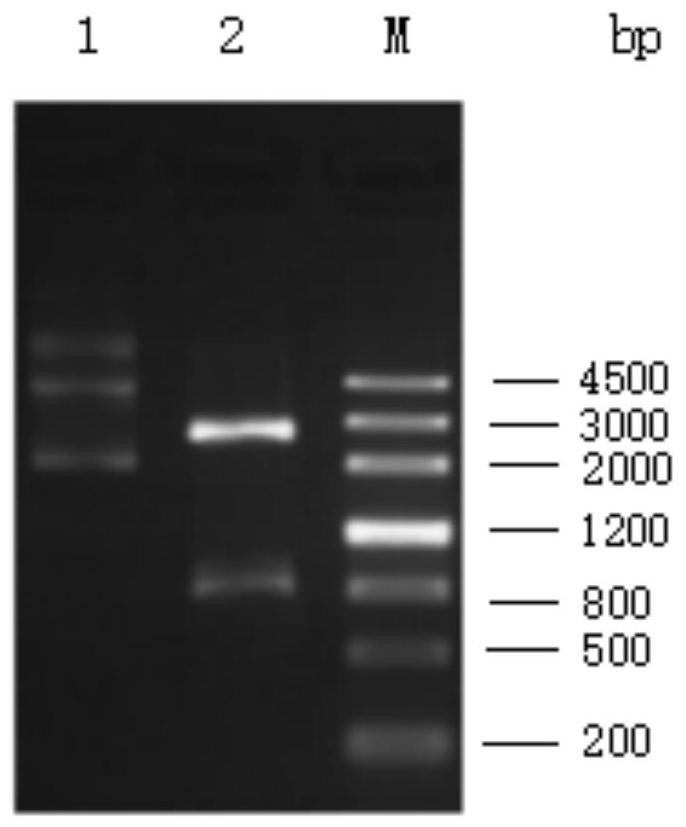
Figure 1 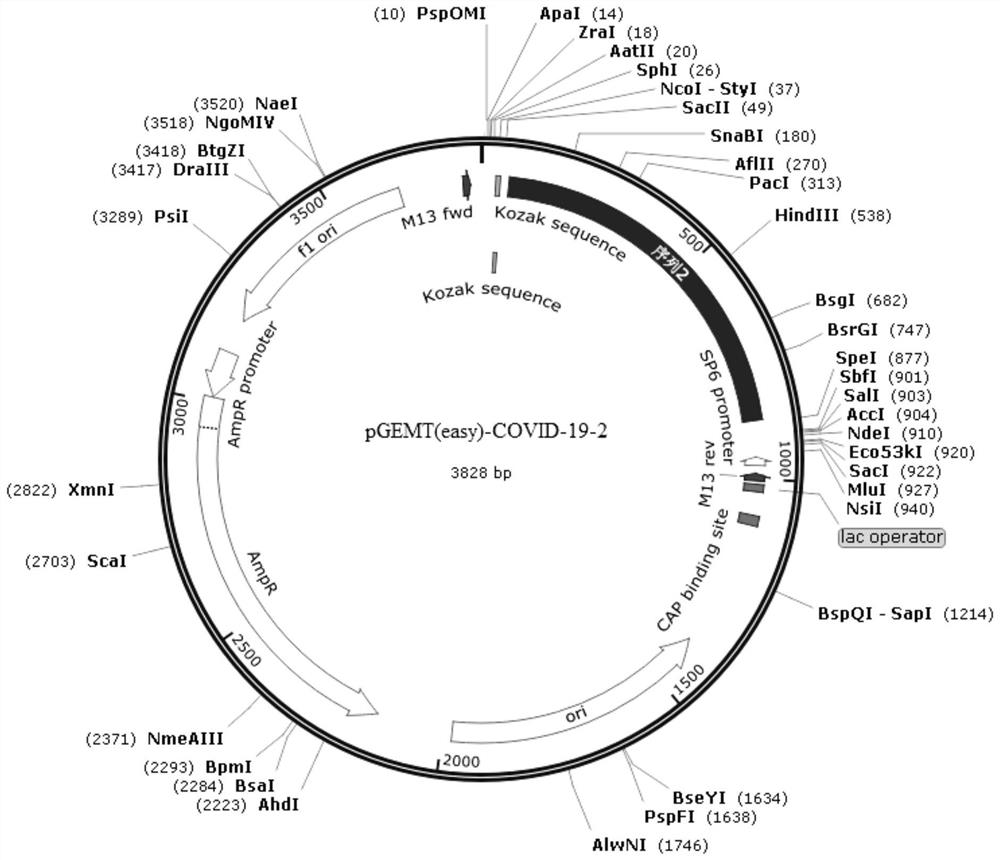
Figure 2 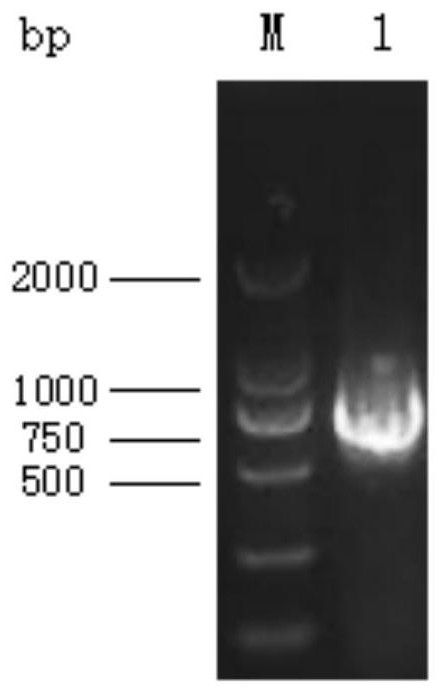
Figure 3
Abstract
Description
technical field
[0001] The invention relates to the technical field of nucleic acid hybridization, in particular to an RNA probe for detecting novel coronavirus 2019-nCOV and its preparation method and application. Background technique
[0002] The 2019 novel coronavirus (2019-nCoV) has a long incubation period and strong infectivity. It mainly attacks the lungs of animals and causes lung infections.
[0003] At present, there are fluorescent quantitative PCR and antibody detection methods for the identification of new coronaviruses. Among them, the nucleic acid detection method is the gold standard for virus detection methods, but there are still many problems in the existing methods, such as:
[0004] (1) Fluorescent quantitative PCR can identify nucleic acid in suspected patients. This method requires extraction of RNA in cells, followed by reverse transcription, and then PCR identification. In these experimental operations, the loss of RNA is relatively large. If the sus...
Examples
Embodiment 1
[0054] Embodiment 1. The preparation method of the RNA probe that detects 2019-nCOV.
[0055] Proceed as follows:
[0056] 1) Design primers: According to the base sequence of the 2019-nCOV region to be tested, use Premier 5.0 software and NCBI BLAST analysis to design primers to obtain primers COVID-19-F1 and COVID-19-R1;
[0057] COVID-19-F1: TTGTATTGACTGTAGTGCGCG, as shown in SEQ ID NO.2;
[0058] COVID-19-R1: ATAGAGCCATCCATGAGCACA, as shown in SEQ ID NO.3;
[0059] At the 5' end of the COVID-19-R1 primer, a T7 RNA polymerase promoter was added to obtain the primer COVID-19-R2;
[0060] COVID-19-R2: GCGTAATACGACTCACTATAGGGATAGAGCCATCCATGAGCACA, as shown in SEQ ID NO.4; wherein TAATACGACTCACTATA is the T7 RNA polymerase promoter sequence.
[0061] The base sequence of the 2019-nCOV region to be tested is (sequence synthesized by Gene Company):
[0062] TTGTATTGACTGTAGTGCGCGTCATATTAATGCGCAGGTAGCAAAAAGTCACAACA TTGCTTTGATATGGAACGTTAAAGATTTCATGTCATTGTCTGAACAACTACGAAAAC AAATA...