
Carbonatite reservoir prediction method based on pre-stack multi-attribute and ancient landform fusion technology
A carbonate reservoir and prediction method technology, applied in the field of petroleum exploration, can solve problems affecting reservoir accuracy, poor application effect, complex analysis, etc., achieve simple prediction method, improve prediction quality, and have good application prospects Effect
Patent Information
- Authority / Receiving Office
- CN · China
- Patent Type
- Applications(China)
- Current Assignee / Owner
- Publication Date
- 2021-02-02
Smart Images
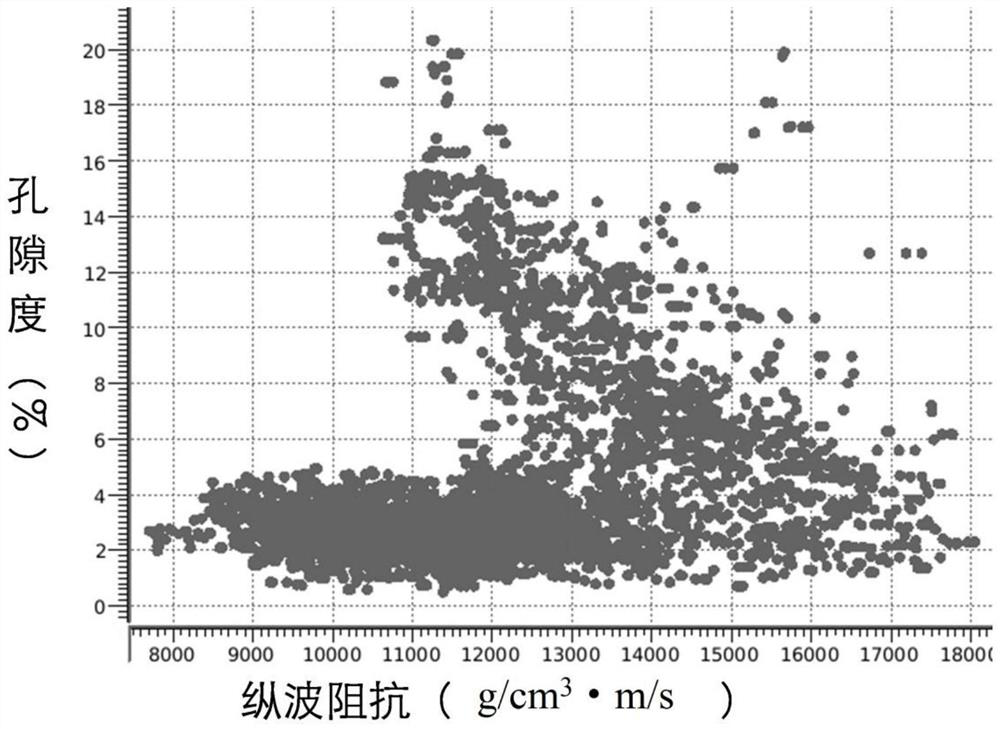
Figure 1 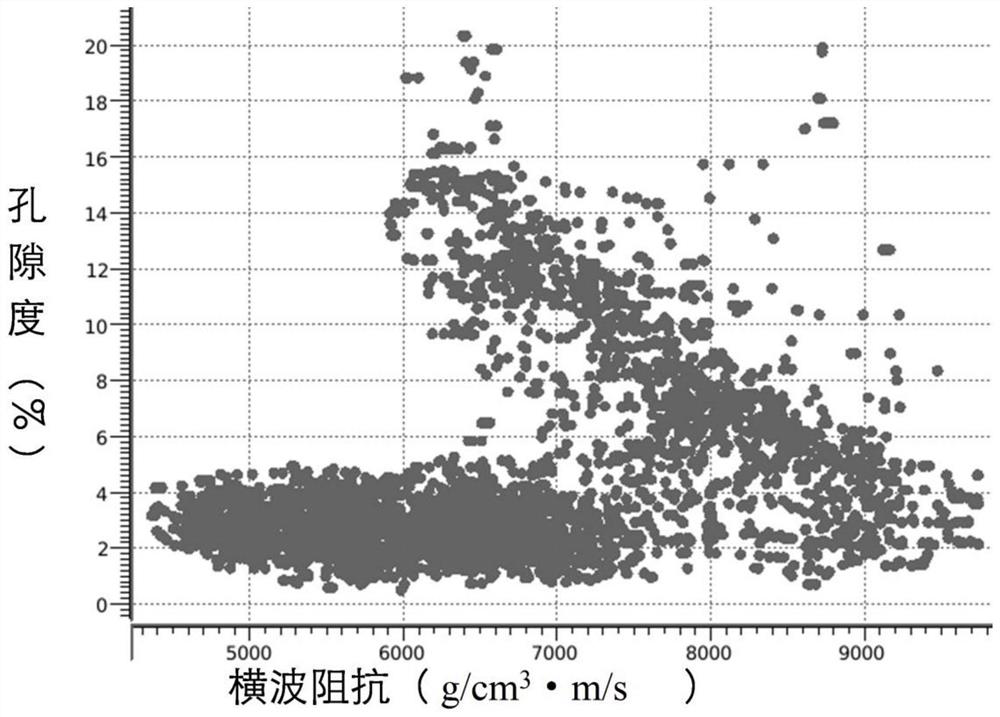
Figure 2 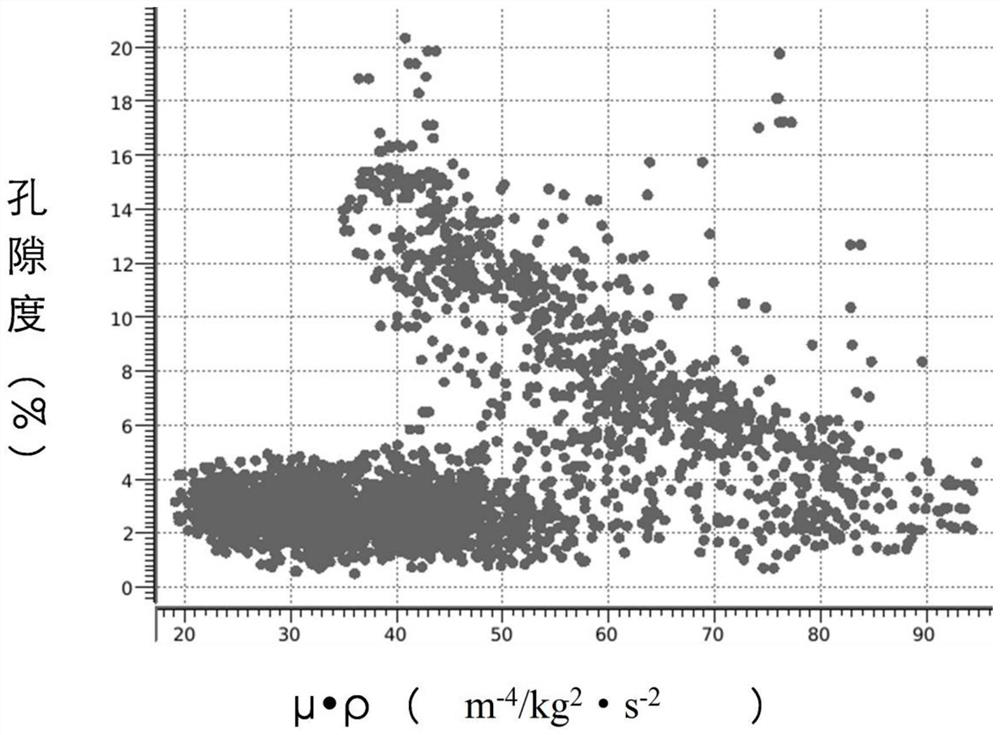
Figure 3
Abstract
Description
technical field
[0001] The invention belongs to the field of petroleum exploration, and relates to a carbonate reservoir prediction technology in the field of seismic data interpretation in petroleum exploration, in particular to a carbonate reservoir prediction method based on pre-stack multi-attribute and paleogeomorphic fusion technology, specifically as follows Using seismic data to interpret multi-attribute fusion technology for carbonate reservoir prediction technology. Background technique
[0002] A variety of geophysical techniques have emerged in carbonate reservoir prediction, including post-stack amplitude attribute analysis, pre-stack AVO analysis, geophysical inversion, waveform classification, spectrum analysis, three-dimensional coherence analysis, and so on. In the 1970s, Ostrander proposed the application of “bright spots” and the AVO analysis technology of the change of the reflection coefficient with the incident angle to predict the reservoir, based on t...
Examples
Embodiment 1
[0046] This embodiment provides a carbonatite reservoir prediction method based on pre-stack multi-attribute and paleogeomorphic fusion technology (technical process reference image 3 ), the area to be predicted is the Cretaceous carbonate strata in the Santos Basin off the coast of Brazil, and the specific process is as follows:
[0047] 1) For the area where the interval to be predicted is located, perform petrophysical analysis based on the drilled data to determine the pre-stack elastic parameters that are sensitive to carbonate reservoirs;
[0048] Petrophysical analysis such as Figure 1A-Figure 1C as shown ( Figure 1A , Figure 1B , Figure 1C are the intersection plots of P-wave impedance, S-wave impedance, μ·ρ and porosity respectively). It can be seen from the figure that carbonate reservoirs generally exhibit high impedance, while non-reservoirs have low impedance. The P-wave impedance, S-wave impedance, and μ·ρ elastic parameters have certain distinctions for ...