
Motion error compensation algorithm based on unmanned aerial vehicle bistatic SAR system
A motion error, bistatic technology, used in radio wave measurement systems, radio wave reflection/re-radiation, utilization of re-radiation, etc., can solve problems such as high error degrees of freedom, difficulty in error parameters, and reduced error estimation accuracy.
Patent Information
- Authority / Receiving Office
- CN · China
- Patent Type
- Applications(China)
- Current Assignee / Owner
- Publication Date
- 2021-07-30
- Estimated Expiration
- Not applicable · inactive patent
Smart Images
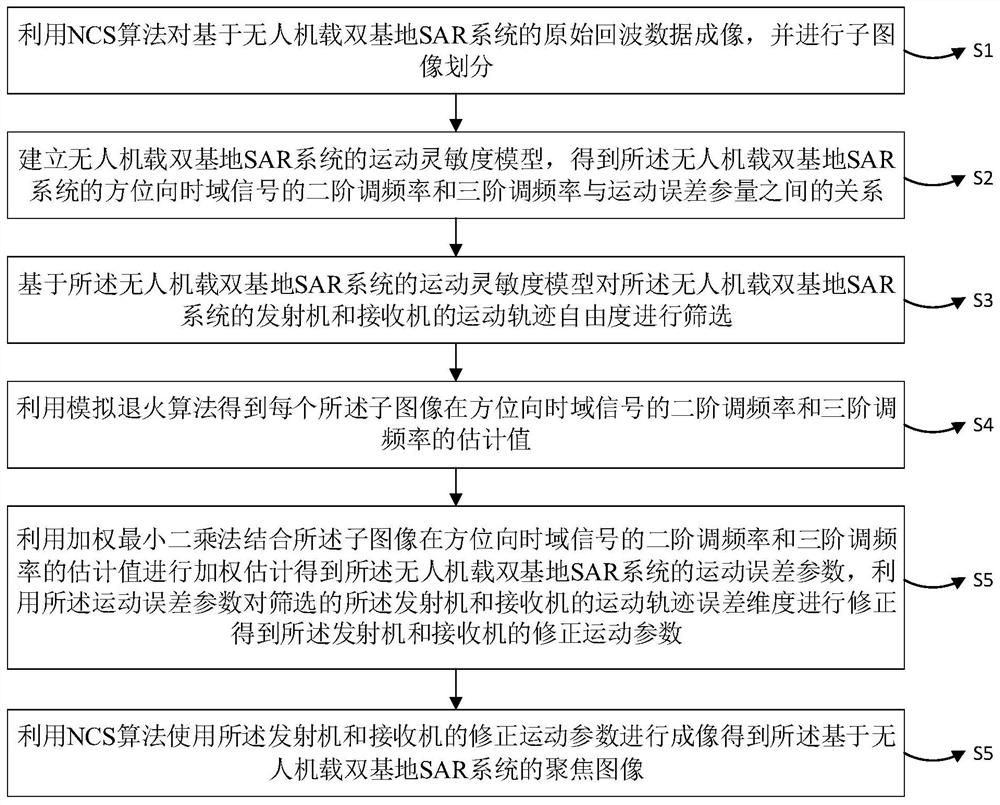
Figure 1 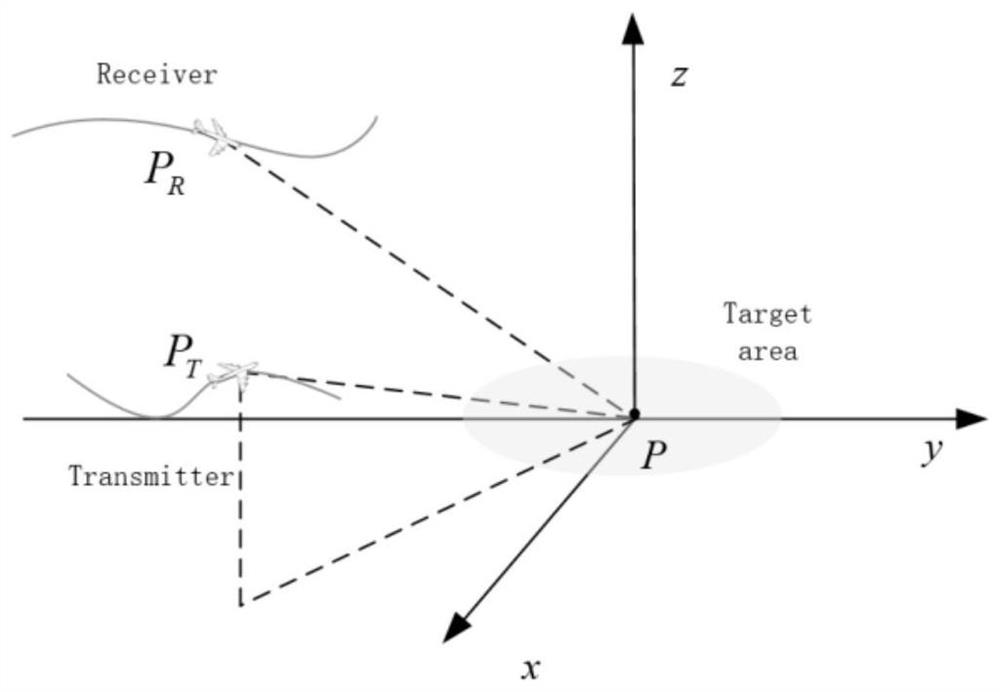
Figure 2 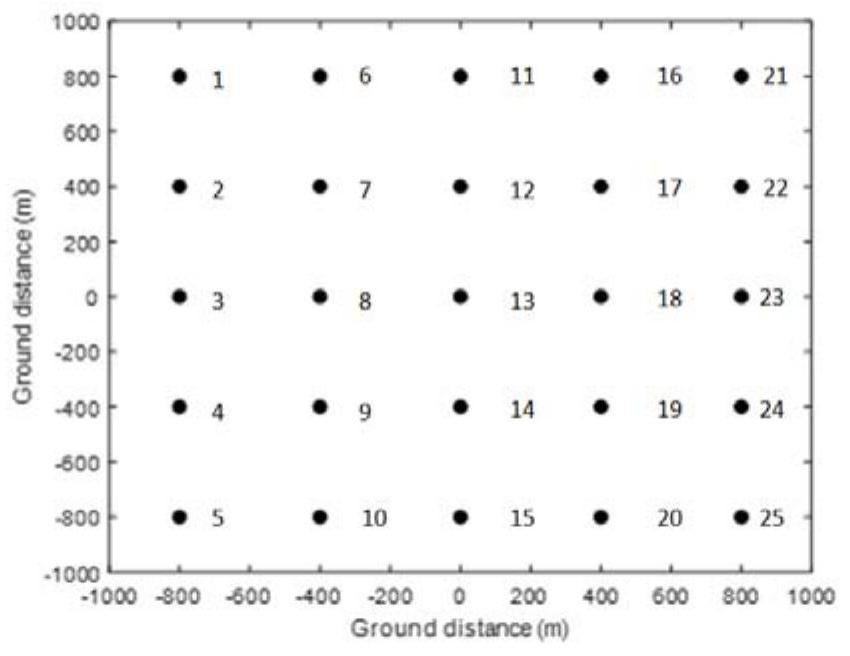
Figure 3
Abstract
Description
technical field
[0001] The disclosure belongs to the technical field of bistatic synthetic aperture radar, and in particular relates to a motion error compensation algorithm based on a UAV-borne bistatic SAR system. Background technique
[0002] Unmanned Aerial Vehicle Bistatic Synthetic Aperture Radar (UAV-BiSAR, Unmanned Aerial Vehicle Bistatic Synthetic Aperture Radar) is widely used in disaster search, land surveying and mapping, military monitoring and other fields because it can provide images that are not affected by weather conditions day and night. . However, under the bistatic condition, the spatial variability of the motion error of the small UAV system is greater than that of the traditional SAR system, and the motion errors in the range and azimuth directions are severely coupled, which greatly reduces the accuracy of error estimation. Therefore, the traditional motion error compensation (MOCO, Motion Compensation) algorithm combined with space variation is no ...
Examples
Embodiment Construction
[0038] Various exemplary embodiments, features, and aspects of the present disclosure will be described in detail below with reference to the accompanying drawings. While various aspects of the embodiments are shown in drawings, the drawings are not necessarily drawn to scale unless specifically indicated.
[0039] The word "exemplary" is used exclusively herein to mean "serving as an example, embodiment, or illustration." Any embodiment described herein as "exemplary" is not necessarily to be construed as superior or better than other embodiments.
[0040] In addition, in order to better illustrate the present disclosure, numerous specific details are given in the following specific implementation manners. It will be understood by those skilled in the art that the present disclosure may be practiced without some of the specific details. In some instances, methods and means well known to those skilled in the art are not described in detail in order to highlight the gist of t...