
Zinc oxide resistive random access memory performance optimization method based on different vacancy concentrations
A technology of resistive memory and optimization method, applied in design optimization/simulation, special data processing applications, etc., can solve problems such as unstable performance, and achieve the effect of improving storage performance and increasing formation speed
Patent Information
- Authority / Receiving Office
- CN · China
- Patent Type
- Applications(China)
- Current Assignee / Owner
- Publication Date
- 2021-11-16
Smart Images
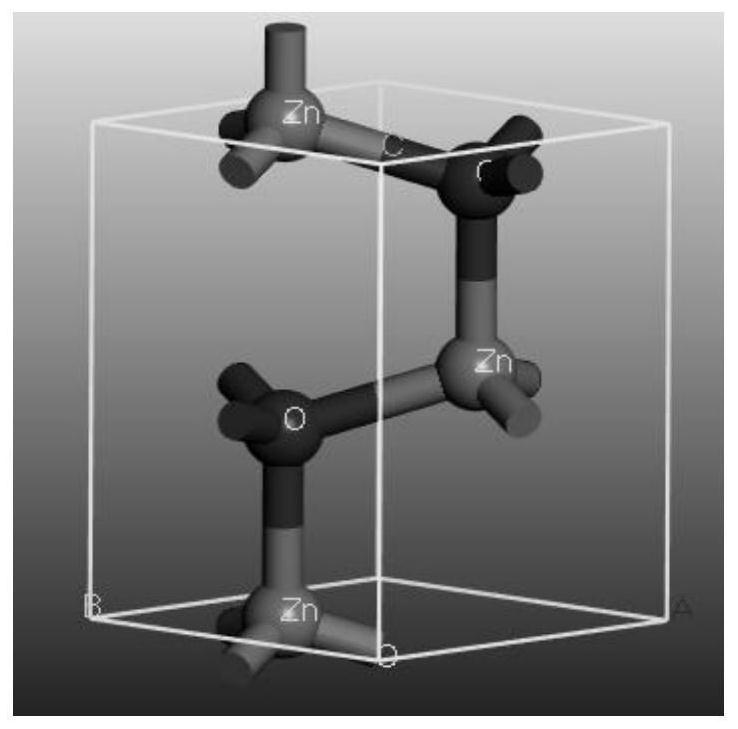
Figure 1 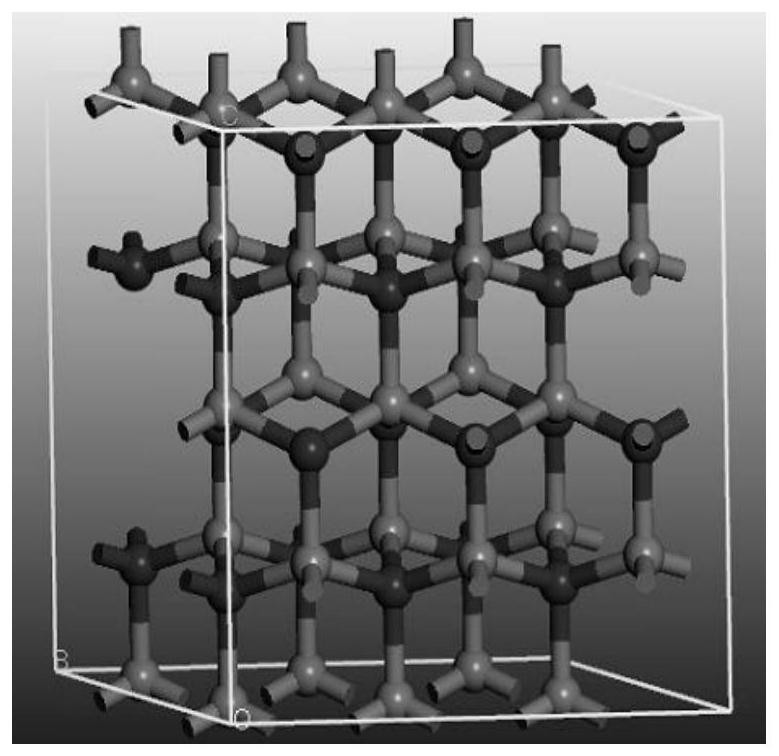
Figure 2 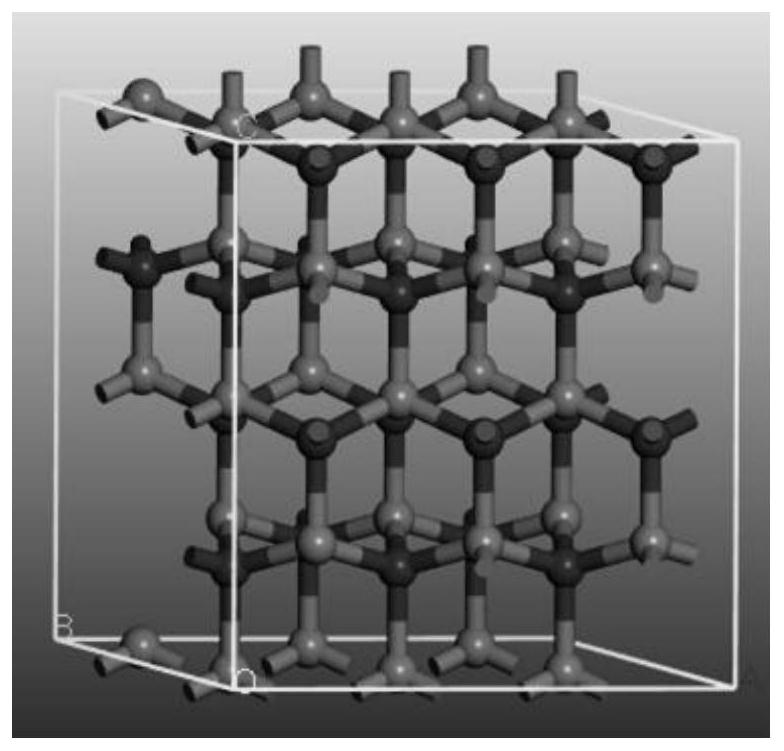
Figure 3
Abstract
Description
technical field
[0001] The invention belongs to the technical field of performance research of a resistive variable memory, and relates to a method for optimizing the performance of a zinc oxide resistive variable memory based on different vacancy concentrations. Background technique
[0002] The development of network, big data, and electronic information technology makes our life more convenient and faster, but this is accompanied by problems such as information explosion caused by the rapid growth of global data production, so the memory used for data storage has huge applications Prospects, but it also brings serious challenges to the memory field. Zinc oxide (ZnO) is known as the most potential resistive memory material, the formation and fracture of its conductive filaments control the writing and erasing of data. The formation of conductive filaments is accompanied by changes in crystal structure and atomic migration barrier. Under the action of the applied voltage,...
Examples
Embodiment
[0042] This embodiment provides a method for optimizing the performance of a ZnO RRAM based on different vacancy concentrations, which specifically includes the following steps:
[0043] Taking the resistive layer as the research object of ZnO resistive memory, the ZnO single cell model is constructed by using the first-principle calculation method based on density functional theory. On this basis, the ZnO single cell model is extended to A, B, C extended in three directions to obtain a 3×2×2 ZnO supercell model and a 2×2×1 ZnO supercell model, construct vacancy defect states on the supercell model, and obtain five ZnO resistive switch layer models , based on the first-principle method, the energy of the five ZnO resistive variable layer model systems is minimized and the structure is optimized, and the performance optimization of the ZnO resistive variable memory is realized.
[0044] Specifically follow the steps below:
[0045] Step 1, taking the most stable wurtzite struc...