
Visual vibration analysis device of unmanned aerial vehicle and unmanned aerial vehicle
An analysis device, a technology for drones, applied in the field of drones, can solve problems such as inability to accurately calculate vibration data of drones, and achieve the effects of convenient installation, saving labor costs, and improving efficiency
Patent Information
- Authority / Receiving Office
- CN · China
- Patent Type
- Applications(China)
- Current Assignee / Owner
- Publication Date
- 2022-04-26
Smart Images
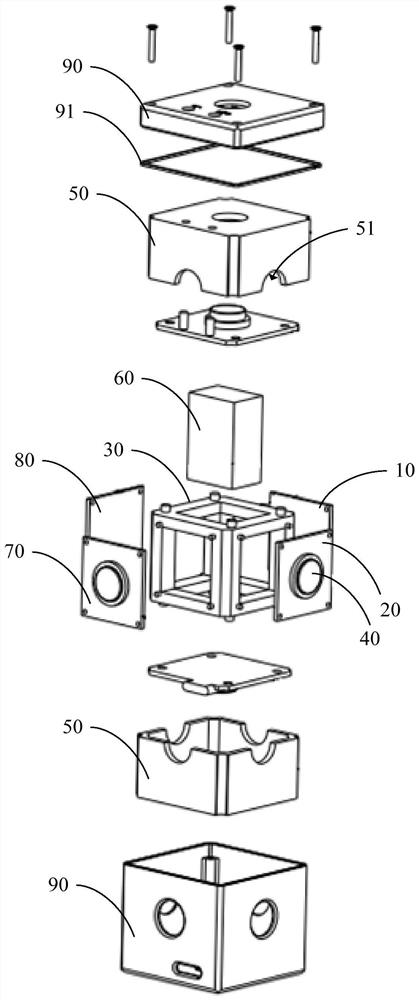
Figure 1 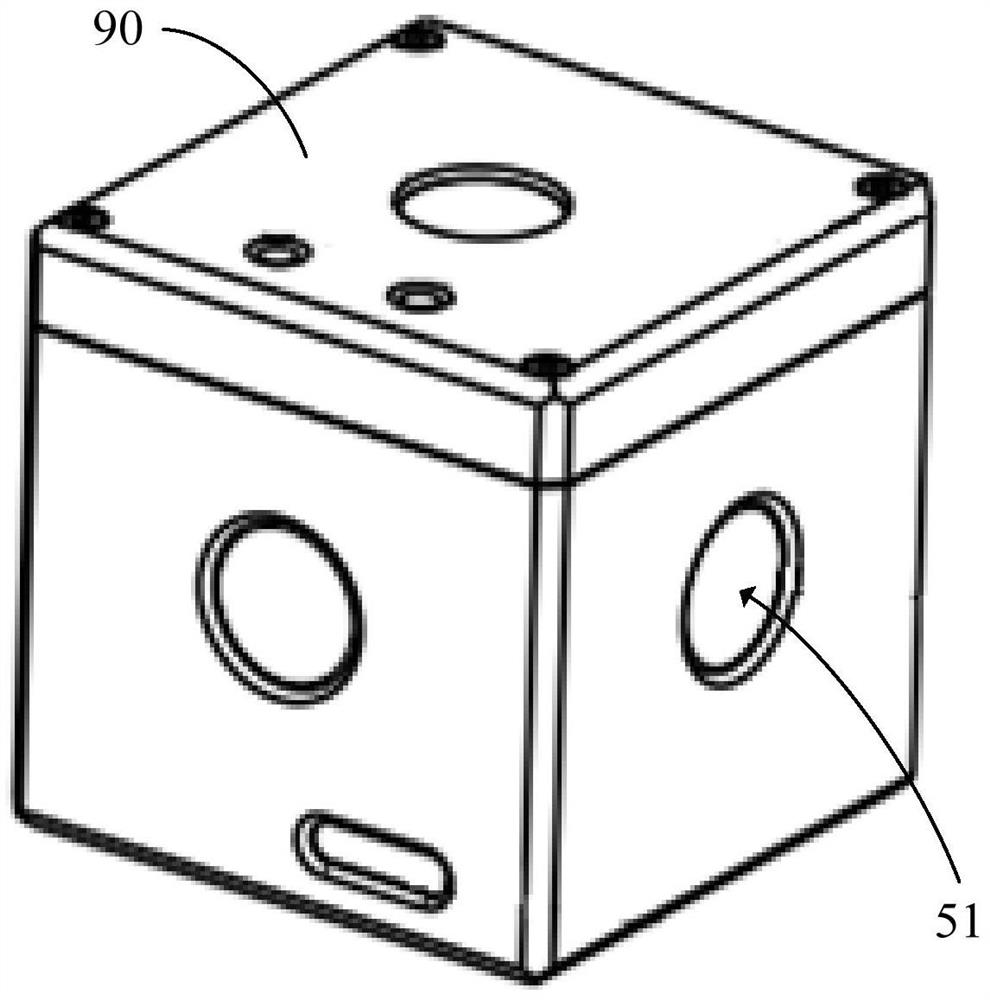
Figure 2 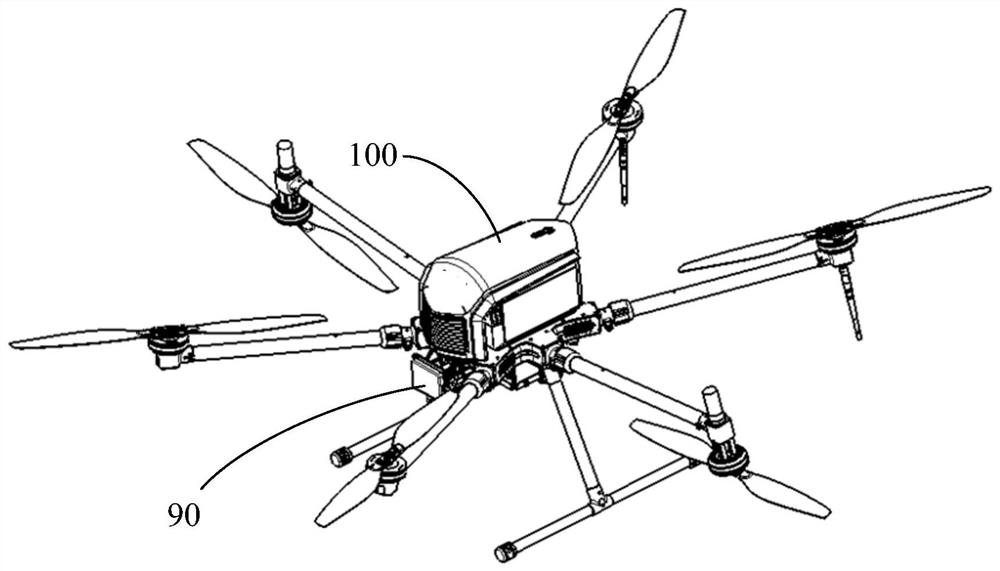
Figure 3
Abstract
Description
technical field
[0001] The invention relates to the technical field of unmanned aerial vehicles, in particular to a vibration visualization analysis device of an unmanned aerial vehicle and an unmanned aerial vehicle. Background technique
[0002] With the development of drone technology, drones have been widely used in various industries and scenarios. Compared with manned aircraft, it has the advantages of small size, low cost, convenient use, low requirements for combat environment, and strong adaptability. In the current existing technology, in the research and development stage of commercial drones, it is necessary to measure the flight attitude of the drone through measurement tools. However, the measurement tools currently used cannot accurately calculate the vibration data of the flight attitude. The surveyors use a large number of experiments to collect data based on experience, resulting in a serious waste of resources and efficiency. And need to invest more tech...
Examples
Embodiment Construction
[0028] The following will clearly and completely describe the technical solutions in the embodiments of the present invention with reference to the accompanying drawings in the embodiments of the present invention. Obviously, the described embodiments are only part of the embodiments of the present invention, not all of them. Based on the embodiments of the present invention, all other embodiments obtained by persons of ordinary skill in the art without creative efforts fall within the protection scope of the present invention.
[0029] It should be noted that all directional indications (such as up, down, left, right, front, back...) in the embodiments of the present invention are only used to explain the relationship between the components in a certain posture (as shown in the accompanying drawings). Relative positional relationship, movement conditions, etc., if the specific posture changes, the directional indication will also change accordingly.
[0030] In addition, in t...