
Process for structuring carrier of expressing seven exogenous geng at same time in chloroplast
A technology of chloroplast expression and chloroplast genome, which is applied in the field of plant genetic engineering and can solve problems such as no discovery
Patent Information
- Authority / Receiving Office
- CN · China
- Patent Type
- Applications(China)
- Current Assignee / Owner
- Publication Date
- 2006-06-28
- Estimated Expiration
- Not applicable · inactive patent
Smart Images

Figure 1 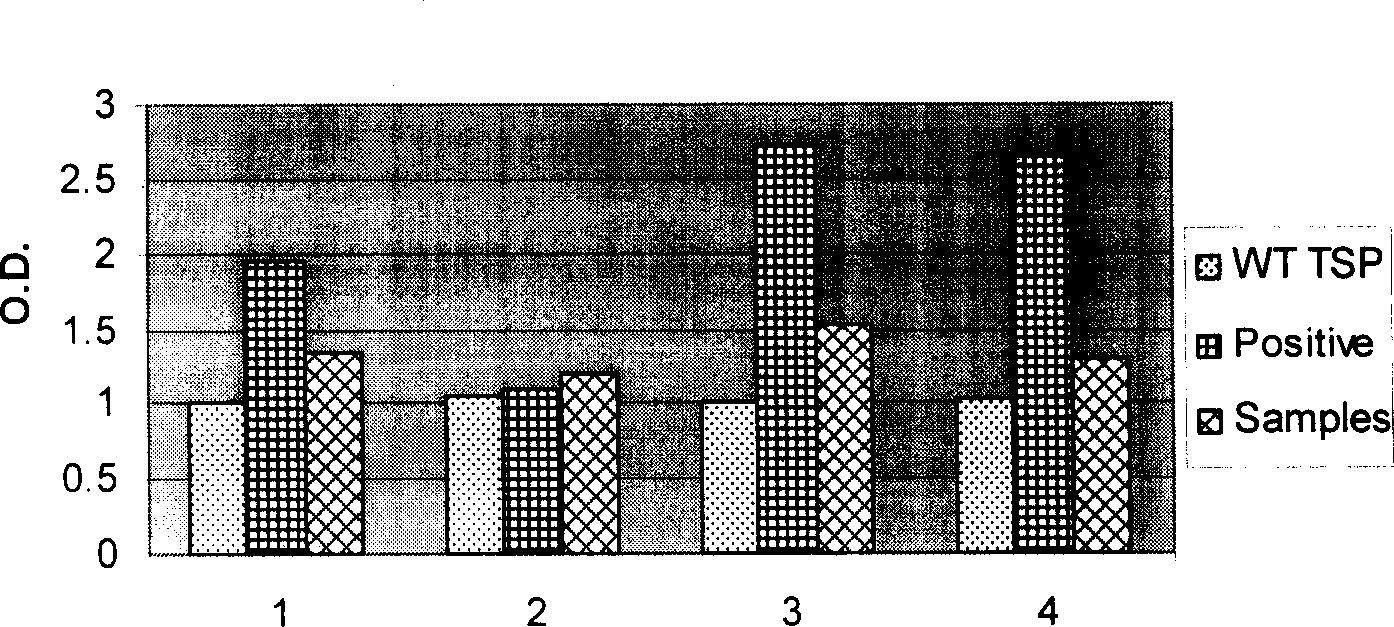
Figure 2
Abstract
Description
technical field
[0001] The invention relates to a method in the technical field of plant genetic engineering, in particular to a vector construction method for simultaneously expressing seven foreign genes in chloroplasts. technical background
[0002] The use of genetic engineering to improve agronomic traits and the use of plants as bioreactors to produce certain medicinal proteins and medicinal ingredients have become research hotspots in plant genetic engineering. So far, most of the genetic transformation studies have transferred a single exogenous gene into the recipient plant, but some excellent traits are controlled by multiple genes, and some molecular anabolic pathways are also involved by multiple genes. The conventional multi-gene transformation method is to load a single gene into an expression vector, and then transfer it to a recipient plant for offspring hybridization screening to obtain a multi-gene transformant, or perform transgenic operation on the obtain...
Examples
Embodiment 1
[0059] Example 1——Expression of FaeC protein in transgenic plants
[0060] 1. Solutions and reagents
[0061] (1) Plant tissue protein extraction buffer
[0062] 15mM Na 2 CO 3 , 35mM NaHCO 3 , and finally adjust the pH to 9.6;
[0063] (2) Close the buffer
[0064] 0.05% Tween-20, 0.05% NaN 3 , 1 mM EDTA, 0.25% BSA, 0.17M H 3 BO 4 , 0.12M NaCl, adjust the pH to 8.5 with NaOH;
[0065] (3) NPP buffer
[0066] 0.1M Glycine, 1mM MgCl 2 , 1mM ZnCl 2 , and adjust the pH to 10.4 with NaOH.
[0067] 2. Operation steps
[0068] (1) Take 100 mg of transgenic tobacco leaves and non-transgenic tobacco leaves, add liquid nitrogen to quickly grind them, then add an appropriate amount of protein extraction buffer, place at 4°C for 2 hours, centrifuge at 12,000 rpm for 10 minutes, and take the supernatant, which is tobacco of total soluble protein.
[0069] (2) Determine the protein concentration in the total protein of transgenic tobacco and non-transgenic tobacco according...
Embodiment 2
[0074] Example 2—Expression of FaeD protein in transgenic plants
[0075] 1. Solutions and reagents
[0076] (1) Plant tissue protein extraction buffer
[0077] 15mM Na 2 CO 3 , 35mM NaHCO 3 , and finally adjust the pH to 9.6;
[0078] (2) Close the buffer
[0079] 0.05% Tween-20, 0.05% NaN 3 , 1 mM EDTA, 0.25% BSA, 0.17M H 3 BO 4 , 0.12M NaCl, adjust the pH to 8.5 with NaOH;
[0080] (3) NPP buffer
[0081] 0.1M Glycine, 1mM MgCl 2 , 1mM ZnCl 2 , and adjust the pH to 10.4 with NaOH.
[0082] 2. Operation steps
[0083] (1) Take 100 mg of transgenic tobacco leaves and non-transgenic tobacco leaves, add liquid nitrogen to quickly grind them, then add an appropriate amount of protein extraction buffer, place at 4°C for 2 hours, centrifuge at 12,000 rpm for 10 minutes, and take the supernatant, which is tobacco total soluble protein.
[0084] (2) Determine the protein concentration in the total protein of transgenic tobacco and non-transgenic tobacco according to t...
Embodiment 3
[0089] Example 3 - Expression of FaeE protein in transgenic plants
[0090] 1. Solutions and reagents
[0091] (1) Plant tissue protein extraction buffer
[0092] 15mM Na 2 CO 3 , 35mM NaHCO 3 , and finally adjust the pH to 9.6;
[0093] (2) Close the buffer
[0094] 0.05% Tween-20, 0.05% NaN 3 , 1mM EDTA, 0.25% BSA, 0.17M H 3 BO 4 , 0.12M NaCl, adjust the pH to 8.5 with NaOH;
[0095] (3) NPP buffer
[0096] 0.1M Glycine, 1mM MgCl 2 , 1mM ZnCl 2 , and adjust the pH to 10.4 with NaOH.
[0097] 2. Operation steps
[0098] (1) Take 100 mg of transgenic tobacco leaves and non-transgenic tobacco leaves, add liquid nitrogen to quickly grind them, then add an appropriate amount of protein extraction buffer, place at 4°C for 2 hours, centrifuge at 12,000 rpm for 10 minutes, and take the supernatant, which is tobacco of total soluble protein.
[0099] (2) Determine the protein concentration in the total protein of transgenic tobacco and non-transgenic tobacco according ...