
Method of treating immune cell mediated systemic diseases
a technology of immune cells and immune cells, applied in the field of improved methods for treating immune cell mediated diseases, can solve the problems of inability to administer sc, inconvenient treatment, and longer iv treatment time, and achieve the effect of increasing the systemic exposure of therapeutic proteins and increasing the systemic exposure of such therapeutic proteins
Patent Information
- Authority / Receiving Office
- US · United States
- Current Assignee / Owner
- Publication Date
- 2001-12-27
- Estimated Expiration
- Not applicable · inactive patent
Smart Images
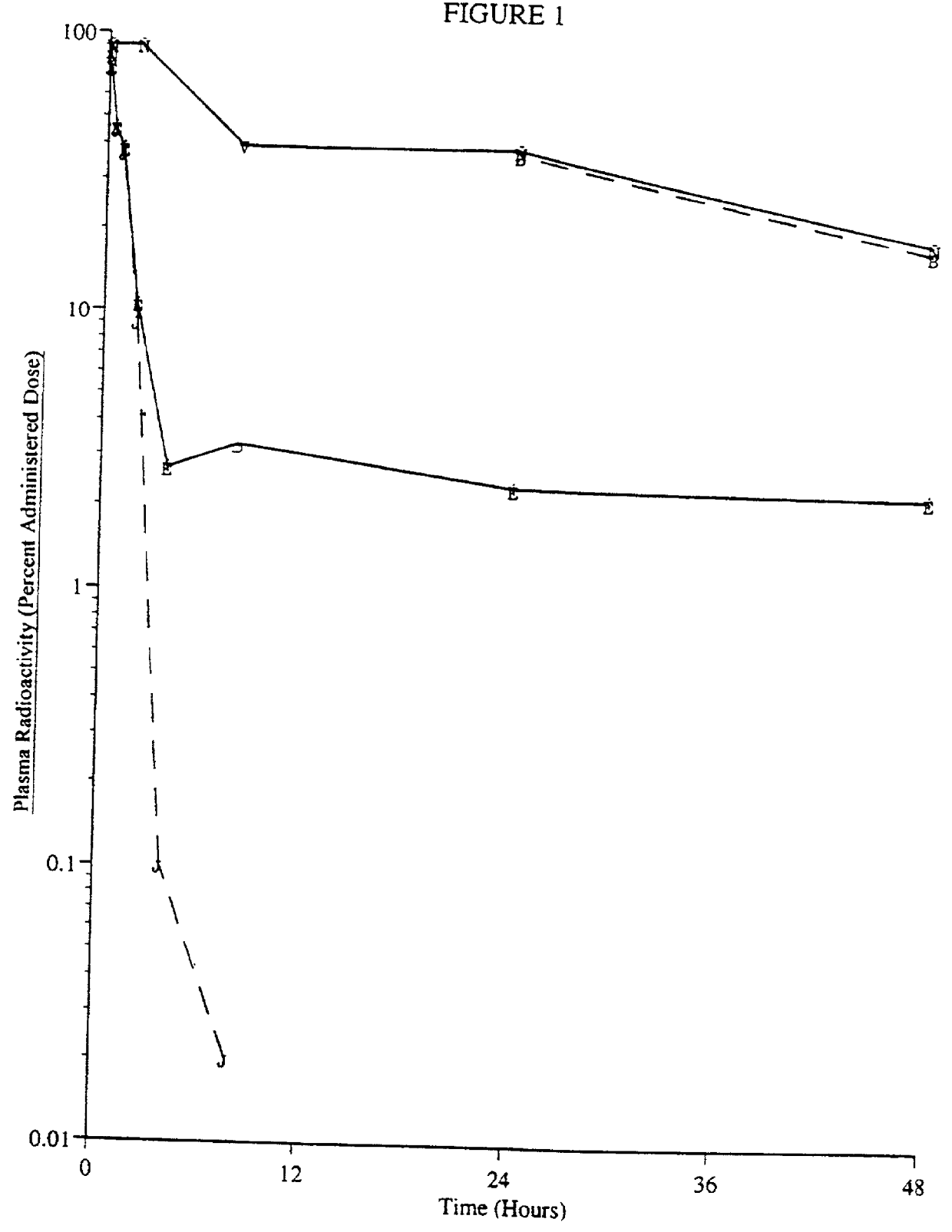
Figure 1 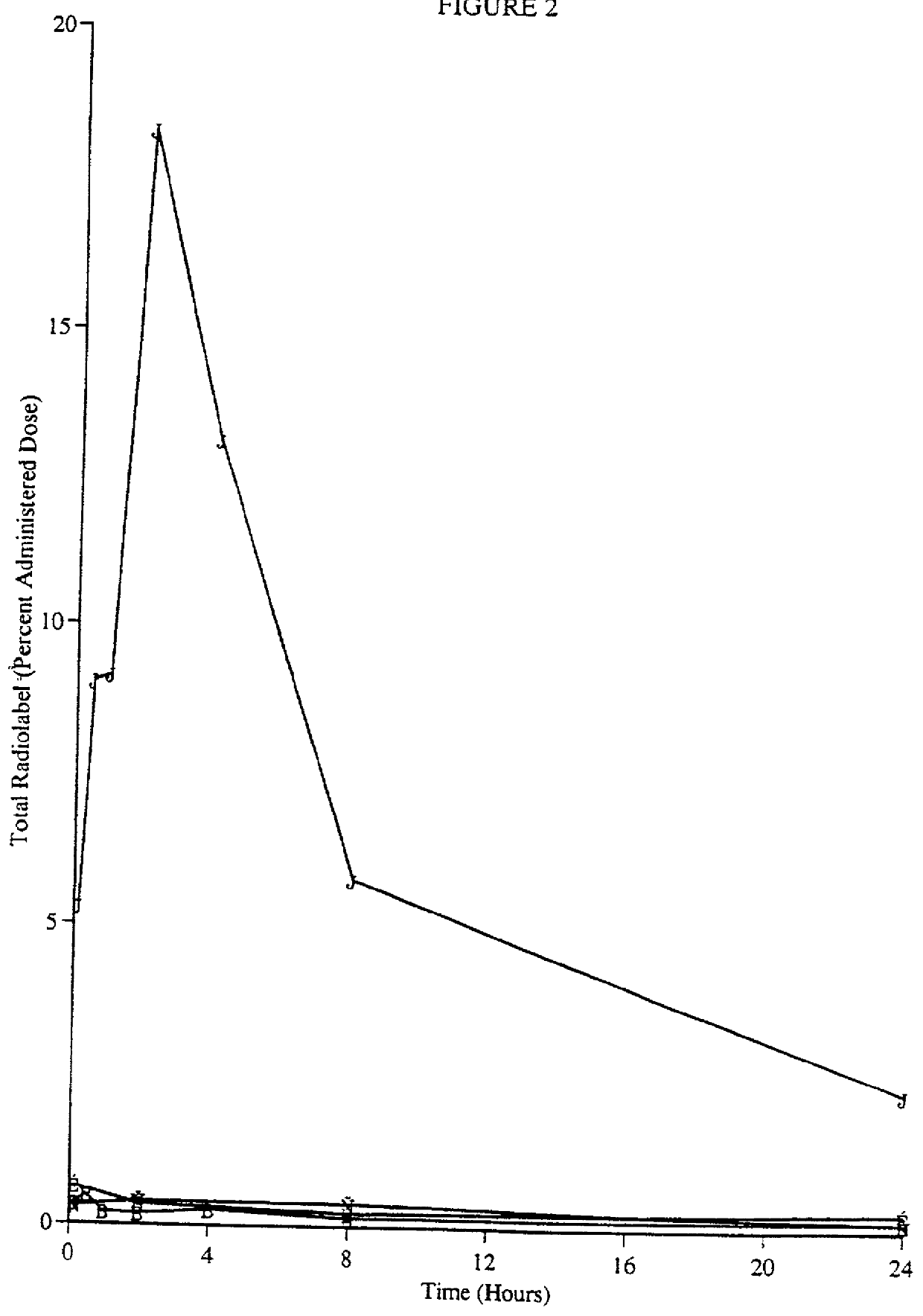
Figure 2 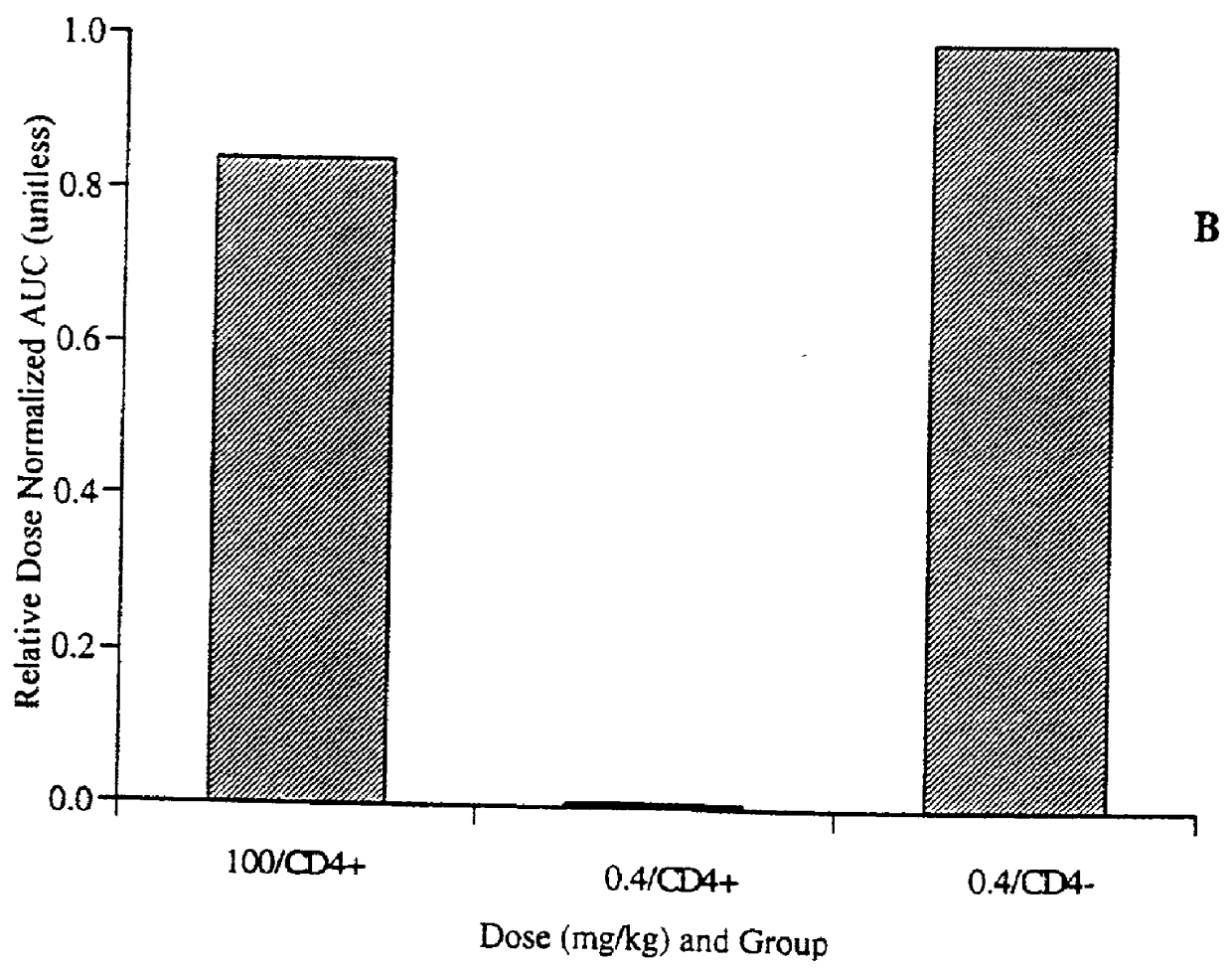
Figure 3
Abstract
Description
[0001] The present invention relates generally to the field of monoclonal antibodies, routes of administration, and treatment of immune cell mediated diseases.
[0002] Currently, there are numerous monoclonal antibodies in clinical testing or development for a variety of in vivo uses such as fertility testing, diagnosis of sepsis, therapeutic applications such as for organ transplantation, treatment of autoimmune disease, restenosis, certain forms of cancer, as well as prophylactic applications, e.g., as an anti-viral agent. Typically such antibodies are administered either intravenously (iv) or subcutaneously (sc), although other routes of administration are also possible, e.g., intramuscularly (im) and intranasally. In general, sc administration is preferable over iv administration, for iv administration requires catheterization for administration in a home setting, medical attention when administered in a clinic or physician's office, or hospitalization in more extreme circumstance...
Examples
Embodiment Construction
[0052] Materials and Methods
[0053] Chemicals.
[0054] A macaque / human chimeric antibody that binds human T cell receptor CD4, (mAb CE9.1 (Newman et al., Bio / Technology 10, 1455-1460 (1992)) was used for the following experiments. It is appreciated that other monoclonal antibodies to human CD4 could be used as well. CE9.1 (unlabeled--the reference standard) was supplied as a 5 mg / ml solution or a lyophile with stability enhancing excipients (50 mg / ml upon reconstitution). Soluble CD4 (sCD4, also referred to as sT4, Deen et al., Nature, 331:82-84 (1988)), was obtained as a lyophile (10 mg / ml upon reconstitution). CE9.1 and sCD4 are recombinant proteins expressed in Chinese hamster ovary cells in house. Protein A Sepharose was purchased from Sigma (St. Louis, Mo.). Horseradish peroxidase conjugated mouse anti-human IgG1mAb (clone HP6069) was purchased from Zymed Laboratories Inc. (San Francisco, Calif.). All other chemicals were of reagent grade or better.
[0055] [.sup.3H]CE9.1.
[0056] CE9...