
Reducing the effects of noise in non-volatile memories through multiple reads
a non-volatile memory and noise reduction technology, applied in the field of noise reduction, can solve the problem that the noise effect becomes more significant in the reading of these cells
Patent Information
- Authority / Receiving Office
- US · United States
- Current Assignee / Owner
- Publication Date
- 2003-07-24
- Estimated Expiration
- Not applicable · inactive patent
Smart Images
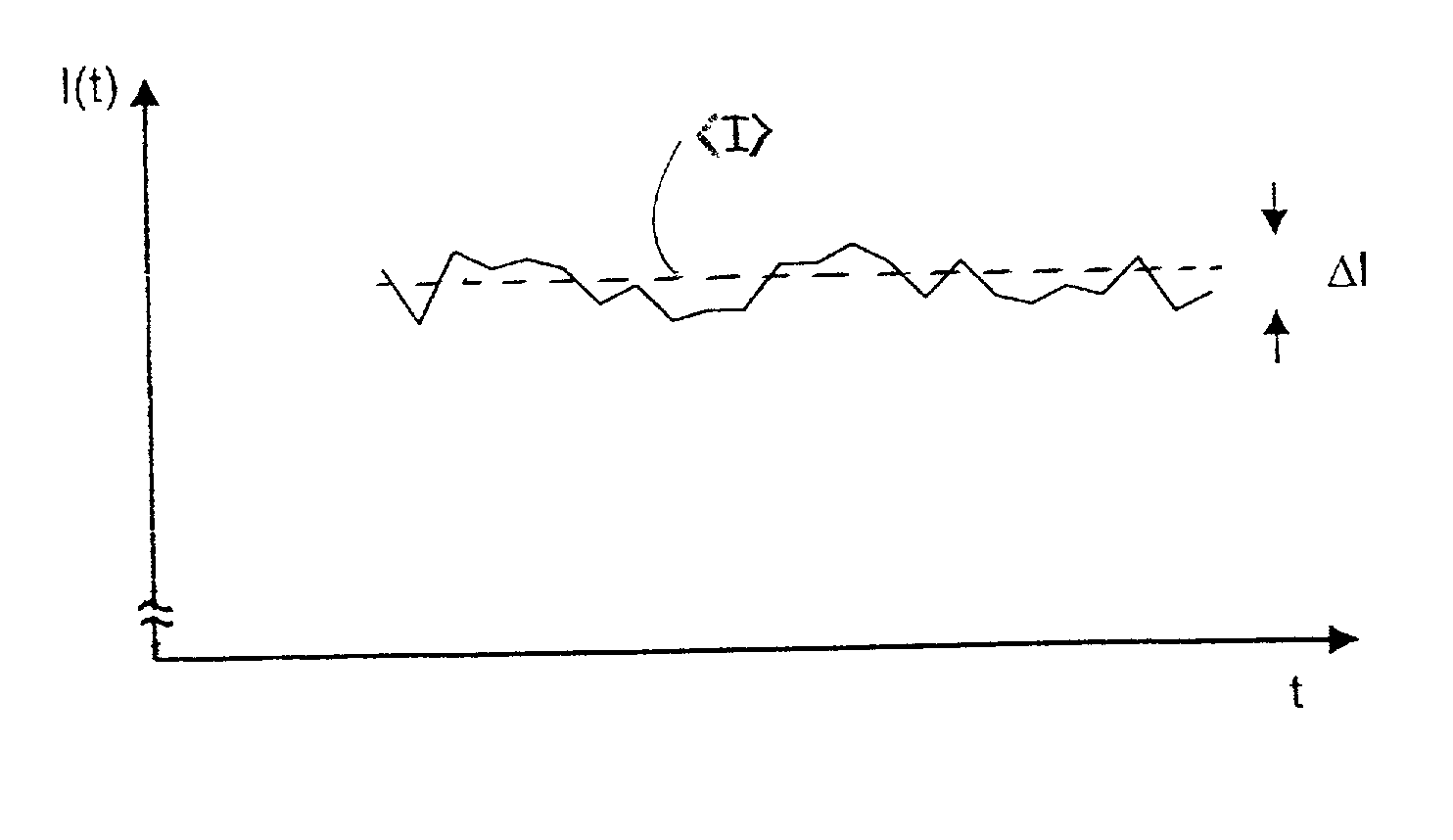
Figure 1 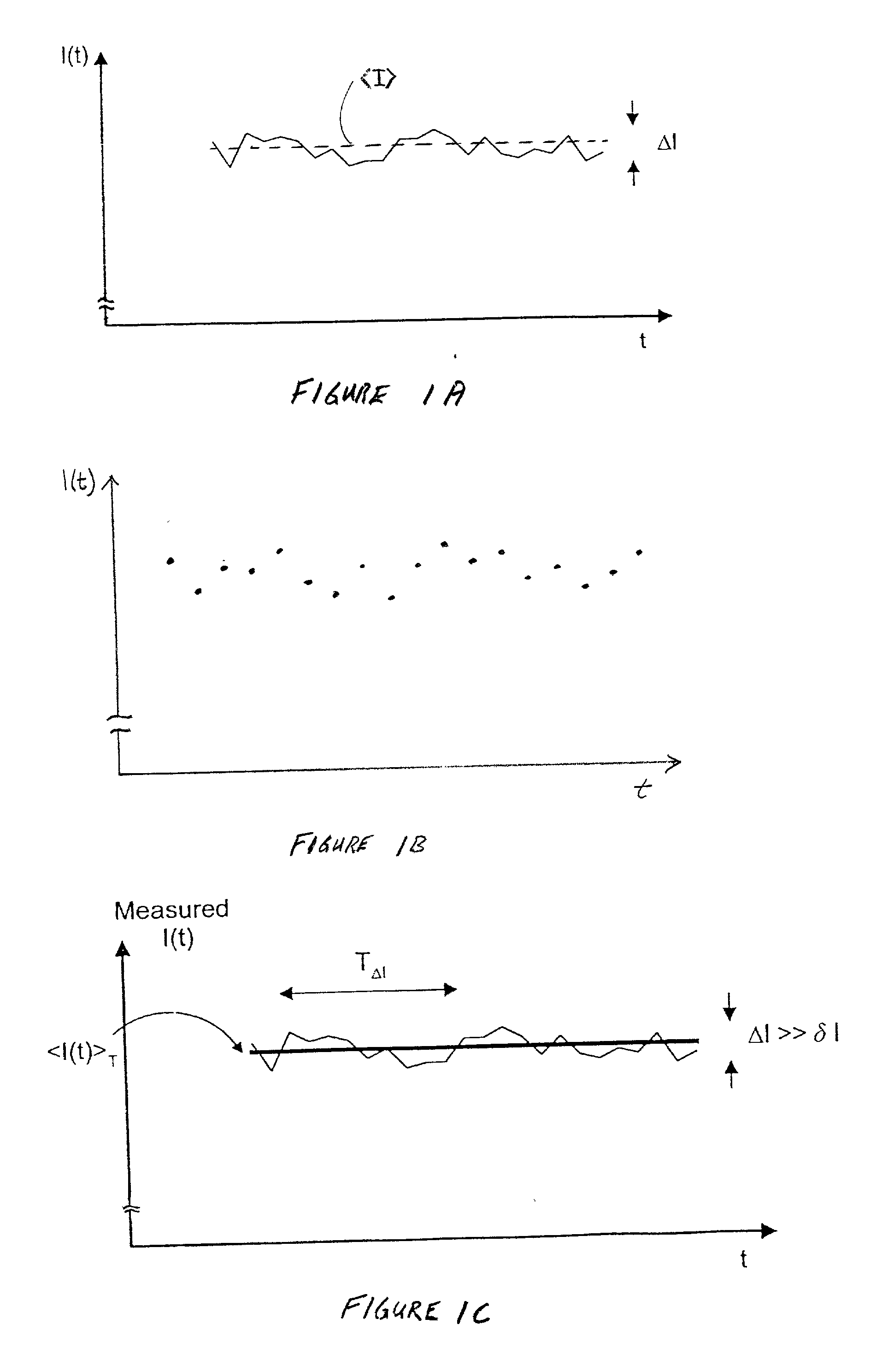
Figure 2 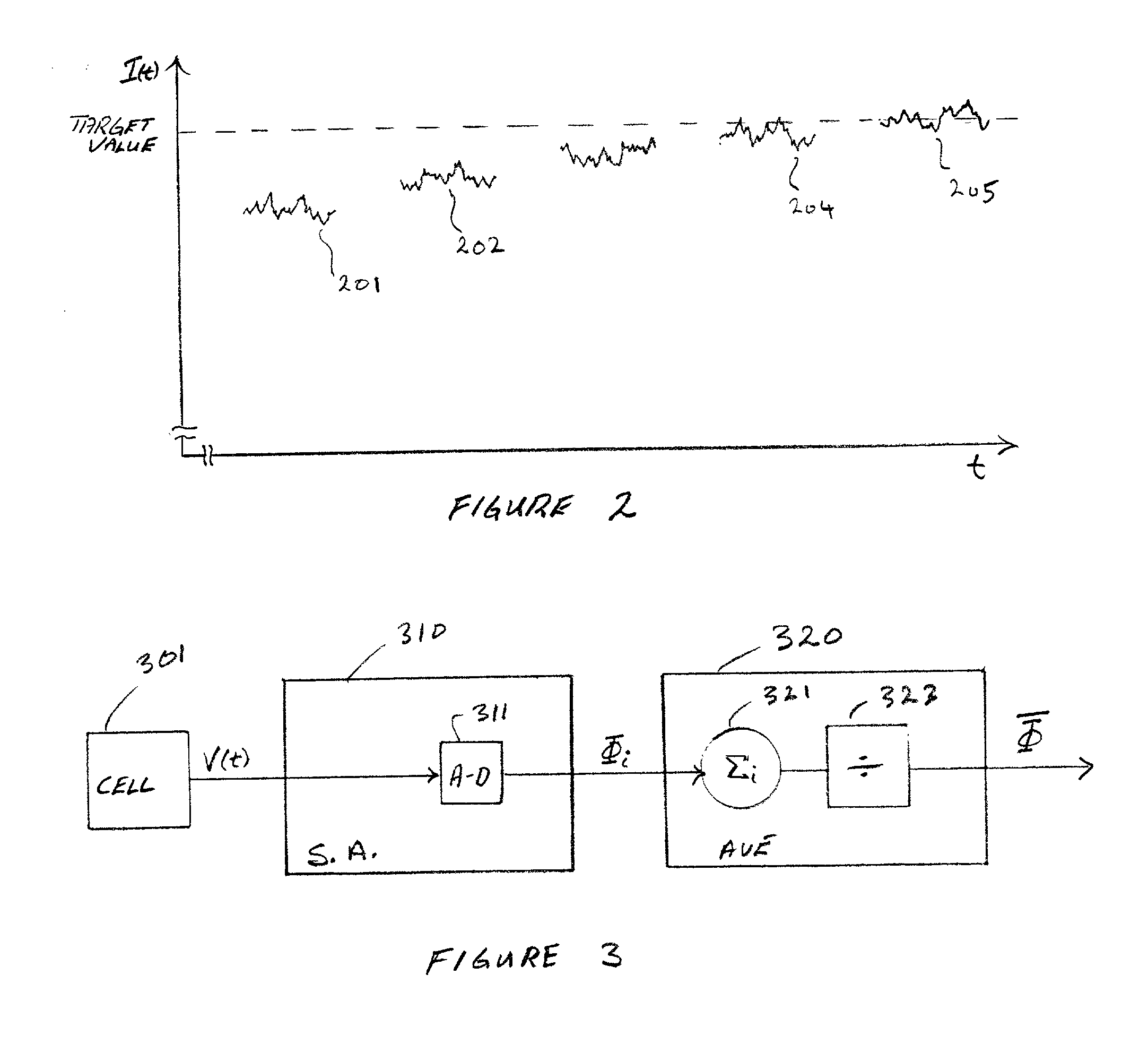
Figure 3
Abstract
Description
[0001] 1. Field of the Invention
[0002] This invention relates generally to computer readable memory devices, and, more specifically, to methods for reducing noise when reading their information content.
[0003] 2. Background Information
[0004] In non-volatile semiconductor memories, such as EEPROMs, the amount of data stored per memory cell has been increased in order to increase storage densities. At the same time, the operating voltages of such devices have decreased to reduce power consumption. This results in a greater number states stored in a smaller range of voltage or current values. As the voltage or current separation between data states decreases, the effects of noise become more significant in the reading of these cells. For example, variations in the threshold value acceptable in a binary storage, 5 volts EEPROM cell may no longer be acceptable in a device operating at 3 volts with four or more bits storable per cell. Some consequences of noise, and methods for dealing wit...
Examples
Embodiment Construction
[0015] The storage capacity of non-volatile semiconductor memories has increased both by the reduction in the physical size of the individual components of the circuits including the memory cell and by increasing the amount of data storable in an individual memory cell. For example, devices such as those described in U.S. Pat. Nos. 5,712,180 and 6,103,573 and U.S. patent applications Ser. No. 09 / 505,555, filed on Feb. 17, 2000, and Ser. No. 09 / 667,344, filed on Sep. 22, 2000, which are all assigned to SanDisk Corporation and which are all hereby incorporated herein by this reference, can store four or more logical bits per physical floating gate storage transistor. In the case of four logical bits, this storage will require each floating gate to be able to have encoded within it one of sixteen possible memory states. Each one of these memory states corresponds to a unique value, or, more accurately, a narrow range of values, of stored charge on the floating gate which is sufficientl...