
Beta-nucleation concentrates for film applications
a technology of beta nucleation and concentrate, which is applied in the field of beta nucleation concentrate, can solve the problems of difficult to add beta nucleation directly to the non-nucleated resin of choice, the number of commercially available beta nucleated polypropylene resin is not the one that is best suited, and the number of commercially available beta nucleated polypropylene resin is not the best suited. achieve the effect of improving the properties of polypropylen
Patent Information
- Authority / Receiving Office
- US · United States
- Current Assignee / Owner
- Publication Date
- 2006-08-10
- Estimated Expiration
- Not applicable · inactive patent
Smart Images
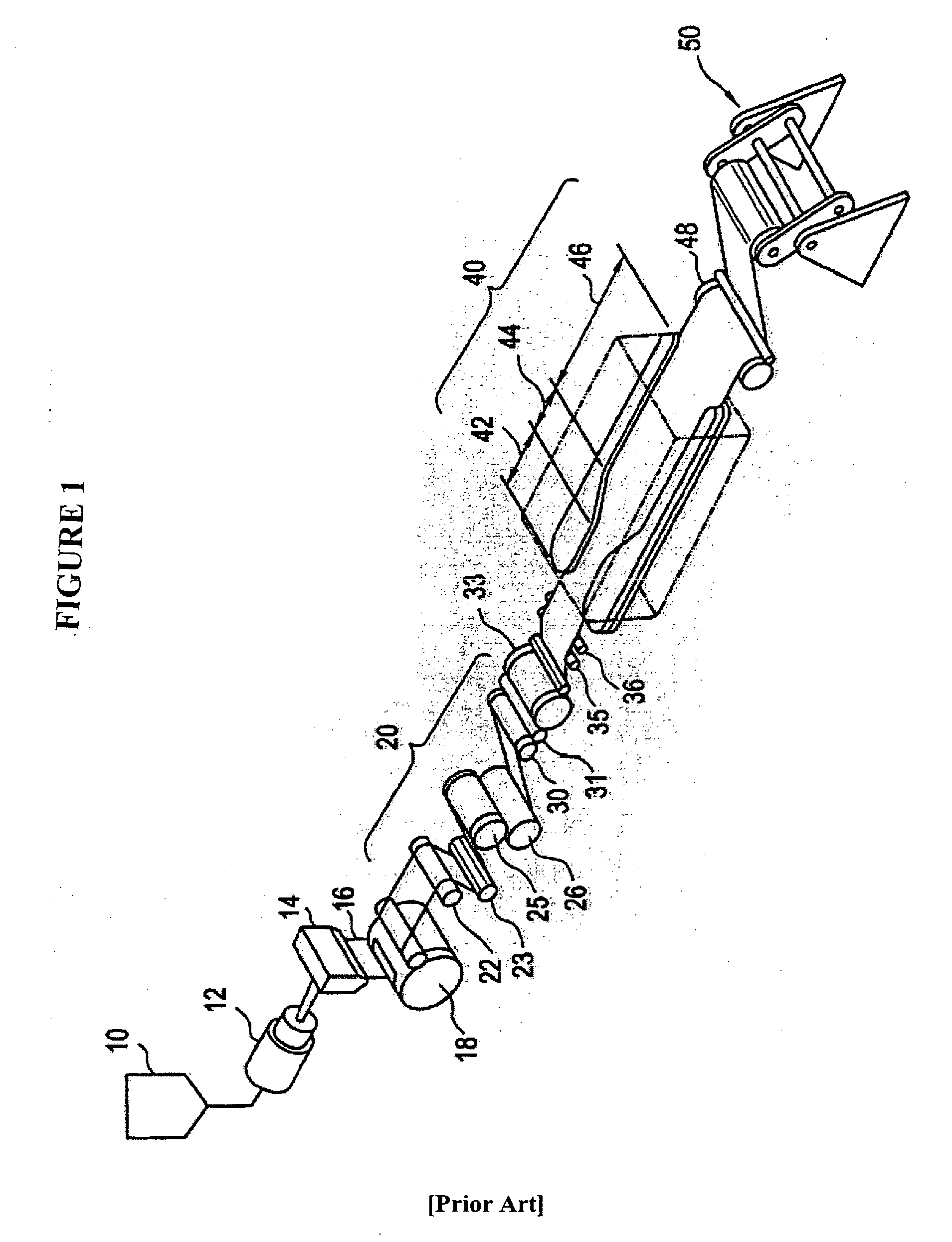
Figure 1 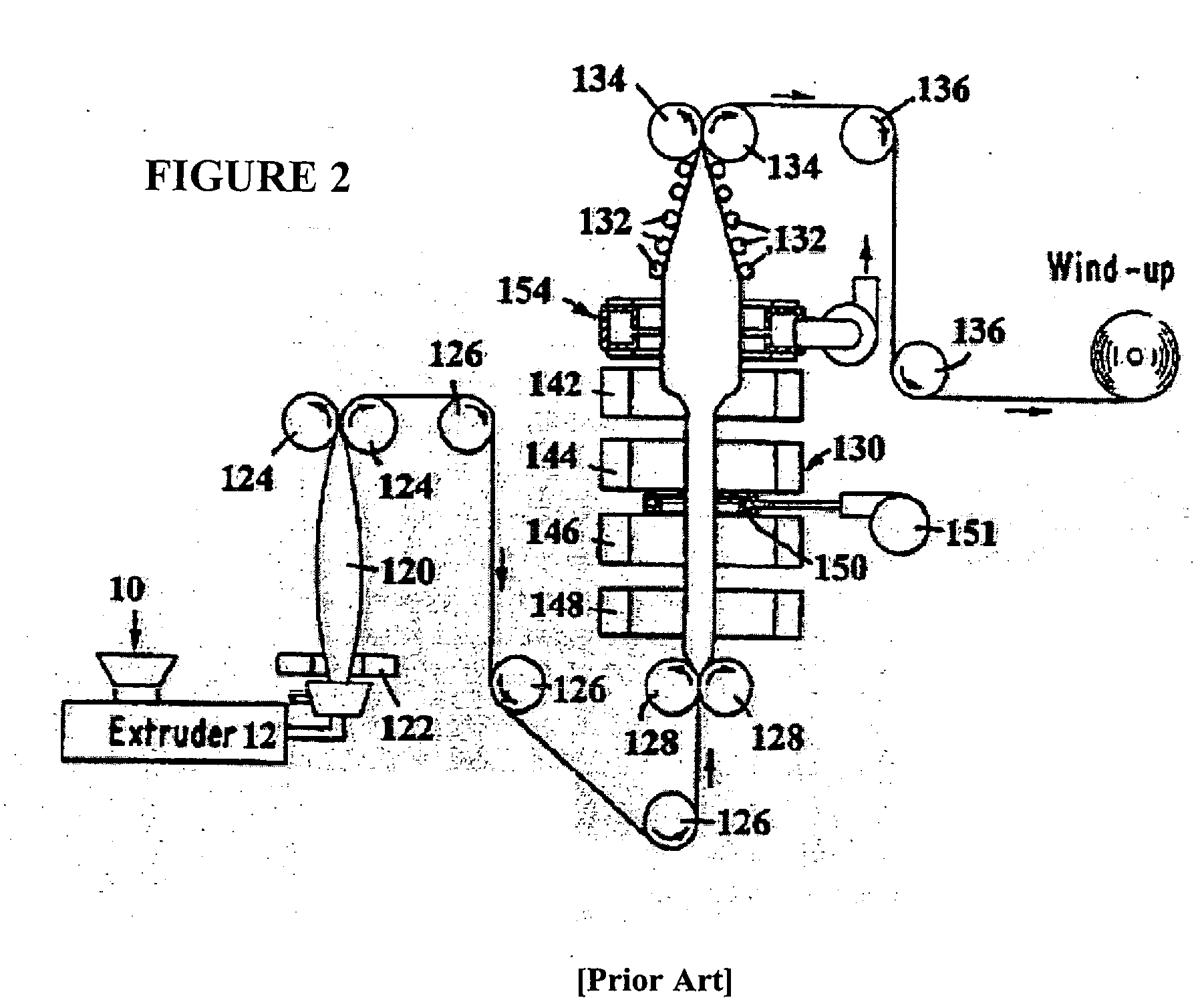
Figure 2 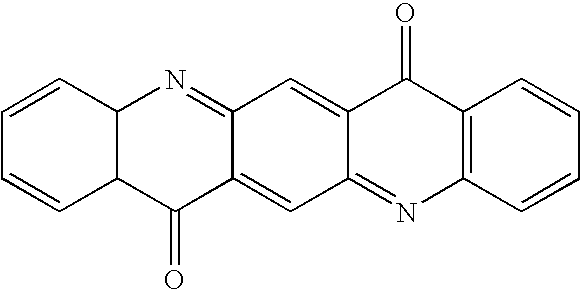
Figure 3
Abstract
Description
FIELD OF THE INVENTION
[0001] The present invention relates to beta-nucleation concentrates and methods for making and using such concentrates. In particular, a beta nucleation concentrate is added to the non-nucleated polymer to form beta spherulites in an extruded sheet, which is then stretched in at least one direction to produce a microporous film. BACKGROUND OF THE INVENTION
[0002] Opaque polypropylene film can be produced by stretching an extruded polypropylene sheet containing a filler or a colorant such as talc, clay, calcium carbonate, or TiO2. It is known to those skilled in the art that beta-crystalline polypropylene can be used to produce opaque films without adding any filler or colorant. Such films owe their opacity to the presence of numerous pores throughout the film that are formed when the extruded sheet is stretched either uniaxially or biaxially in the solid state, below the melting point of the beta crystal phase
[0003] Opaque, microporous polypropylene films ha...
Examples
example 1
[0122] An ethylene-propylene impact copolymer identified as Dow 7C06, having a melt flow rate of 1.5 and an ethylene content of approximately 9% was used as the base resin. A pellet blend consisting of 2.5% of the 75 ppm Q-dye concentrate and 97.5% of the Dow 7C06 was extruded into sheet having a thickness of 0.59 mm using a single screw extruder operating at an output rate of about 200 kg / hour. The sheet was extruded onto a heated cast roll that was set at a temperature of 90° C. The sheet then wrapped around a second metal roll set at 25° C., and following this the sheet passed over a series of heated rolls set to a maximum temperature of 135° C. The last roll in this series was moving at a faster speed (approximately six times as fast) than that of the previous roll, and the sheet was stretched as it passed between the slow and fast rolls. This monoaxial oriented film, which was identified as film #1, had a final of 0.124 mm. This oriented final film had a white / opaque appearance...
example 2
[0128] In this example two different polypropylene resins were extruded into sheet with and without the addition of a beta nucleant masterbatch, and the solid sheet was stretched in the machine direction (MD) to produce monoaxially oriented polypropylene (MOPP) film. The homopolymer polypropylene (HPP) had a melt flow rate of 3.5. The impact copolymer polypropylene (ICP) had a melt flow rate of 7.5 and an ethylene content of about 8%. The extruded sheets were produced on a 2.5″ single screw extruder, and had a width of about 74 cm and a thickness of about 0.5 mm. After exiting the extrusion die the sheet was cooled by contacting it with a heated metal roll that was set at a temperature of about 88° C. The sheet was then stretched by passing it over a series of heated rolls set at a maximum temperature of 107° C. The sheet was drawn between the slow roll and the fast roll, and the final film thickness was about 75 microns. The beta nucleated versions of these sheets were produced by ...