
Proteinase K resistant surface protein of neisseria meningitidis
a neisseria meningitidis, proteinase k technology, applied in the direction of peptide/protein ingredients, peptide sources, bacteria, etc., can solve the problems of ineffective capsular polysaccharide vaccines presently available, major cause of death and morbidity in the world, and ineffective inducing the production of protective antibodies in young infants, etc., to achieve wide ph optimum, low peptide bond specificity, high resistance resistance
Patent Information
- Authority / Receiving Office
- US · United States
- Patent Type
- Patents(United States)
- Current Assignee / Owner
- Publication Date
- 2001-09-11
- Estimated Expiration
- Not applicable · inactive patent
Smart Images
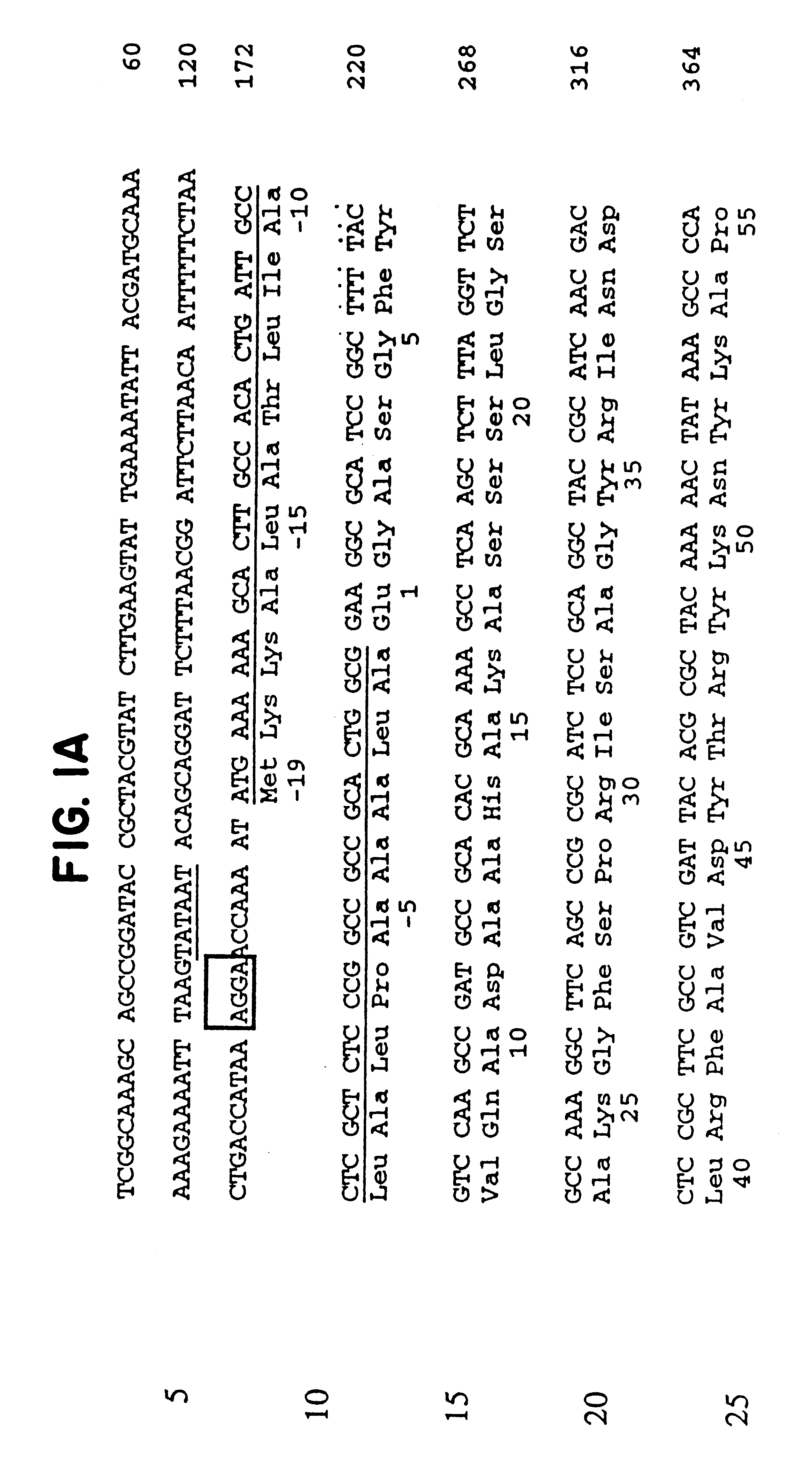
Figure 1 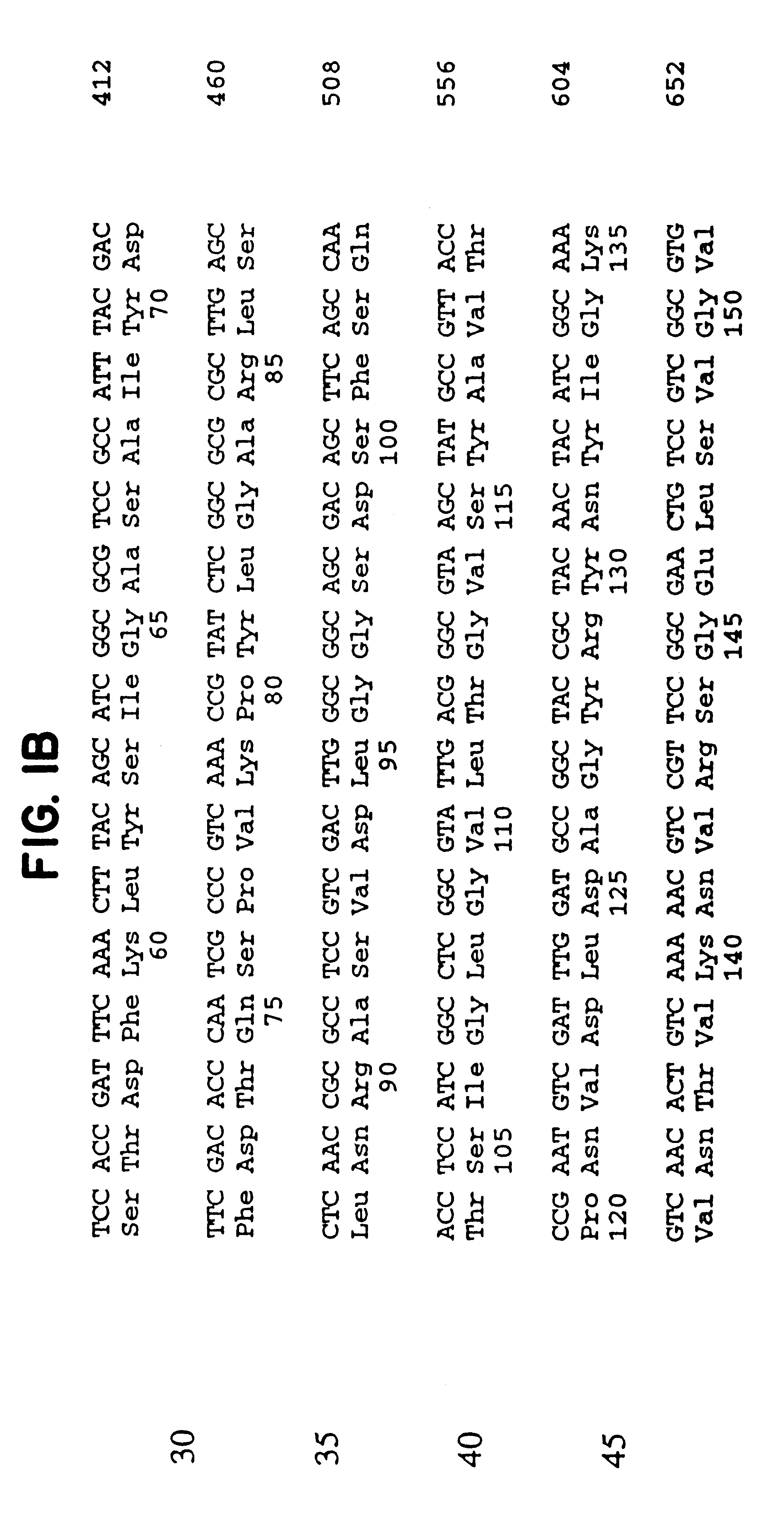
Figure 2 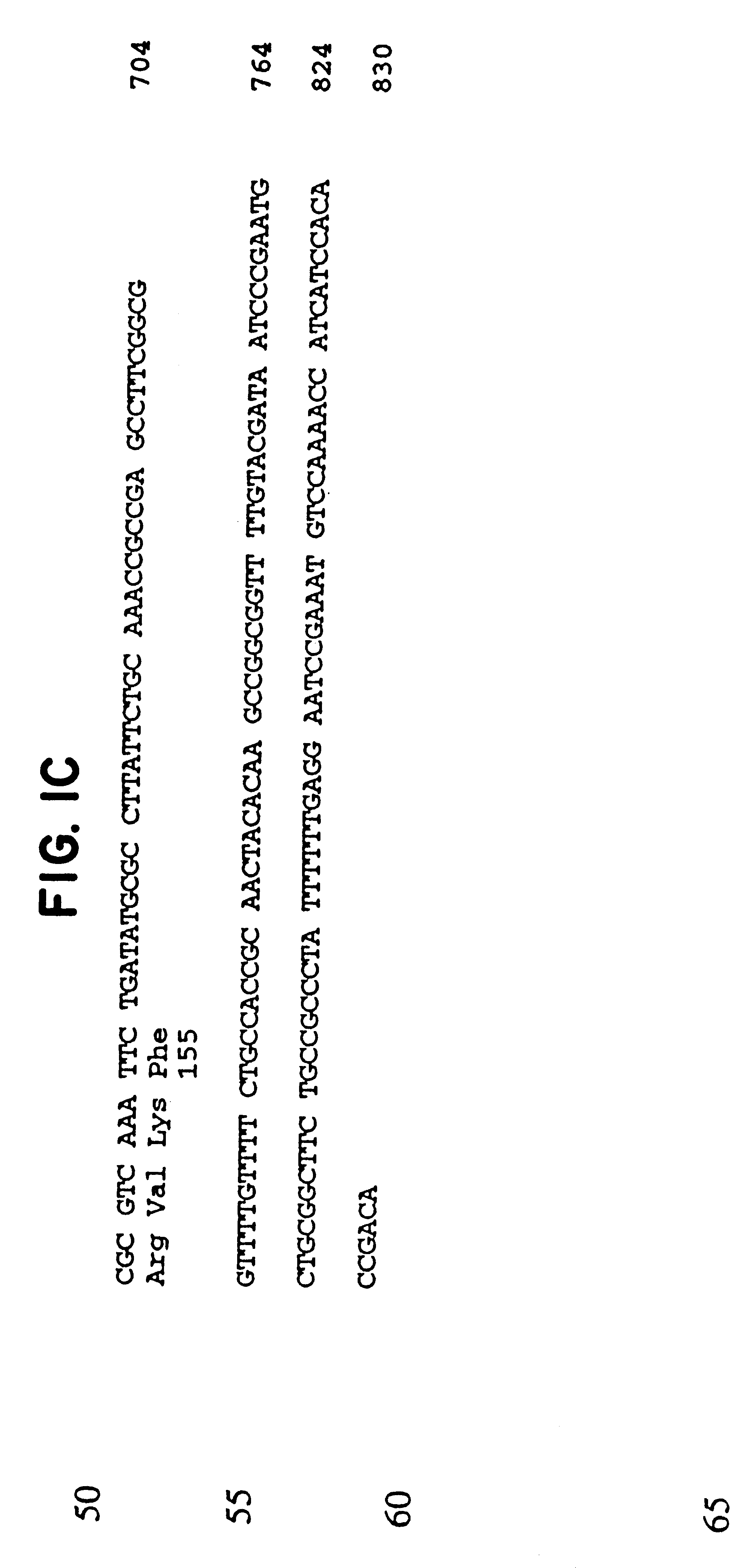
Figure 3
Abstract
Description
This invention relates to a highly conserved, immunologically accessible antigen at the surface of Neisseria meningitidis organisms. This unique antigen provides the basis for new immunotherapeutic, prophylactic and diagnostic agents useful in the treatment, prevention and diagnosis of Neisseria meningitidis diseases. More particularly, this invention relates to a proteinase K resistant Neisseria meningitidis surface protein having an apparent molecular weight of 22 kDa, the corresponding nucleotide and derived amino acid sequences (SEQ ID NO:1 to SEQ ID NO:26), recombinant DNA methods for the production of the Neisseria meningitidis 22 kDa surface protein, antibodies that bind to the Neisseria meningitidis 22 kDa surface protein and methods and compositions for the diagnosis, treatment and prevention of Neisseria meningitidis diseases.Neisseria meningitidis is a major cause of death and morbidity throughout the world. Neisseria meningitidis causes both endemic and epidemic diseases...
Examples
example 10
describes the induction by heat of an expression vector for the large scale production of the 22 kDa surface protein.
Example 11 describes a purification process for the 22 kDa surface protein when produced by recombinant technology.
Example 12 describes the use of 22 kDa surface protein as a human vaccine.
example 1
Treatment Of Neisseria meningitidis Outer Membrane Preparations With Proteolytic Enzymes And The Subsequent Identification Of An Enzyme Resistant Neisseria meningitidis 22 kDa Surface Protein
Several antigenic preparations derived from whole cell, lithium chloride, or sarcosyl extracts were used to study the ultrastructure of Neisseria meningitidis outer membrane. The outer membrane of Gram-negative bacteria acts as an interface between the environment and the interior of the cell and contains most of the antigens that are freely exposed to the host immune defense. The main goal of the study was the identification of new antigens which can induce a protective response against Neisseria meningitidis. One approach used by the inventors to identify such antigens, was the partial disruption of the antigenic preparations mentioned above with proteolytic enzymes. The antigenic determinants generated by the enzymatic treatments could then be identified by the subsequent analysis of the immu...
example 2
Generation of Monoclonal Antibodies Specific for the 22 kDa Neisseria meningitidis Surface Protein
The monoclonal antibodies described herein were obtained from three independent fusion experiments. Female Balb / c mice (Charles River Laboratories, St-Constant, Quebec, Canada) were immunized with outer membrane preparations obtained from Neisseria meningitidis strains 604A, 608B and 2241C respectively serogrouped A, B and C. The lithium chloride extraction used to obtain these outer membrane preparations was performed in a manner previously described by the inventors. [Brodeur et al., Infect. Immun. 50, p. 510 (1985)]. The protein content of these preparations were determined by the Lowry method adapted to membrane fractions [Lowry et al., J. Biol. Chem. 193, p. 265 (1951)]. Groups of mice were injected intraperitoneally or subcutaneously twice, at three-week intervals with 10 mg of different combinations of the outer membrane preparations described above. Depending on the group of mic...