
High-emissivity infrared coating applications for use in HIRSS applications
a technology of infrared coating and high emissivity, which is applied in the direction of superimposed coating process, efficient propulsion technology, machines/engines, etc., can solve the problems of engine operating even with improved hirss systems becoming increasingly vulnerable, and achieve the effects of improving the ir performance of such engines, reducing or eliminating them, and improving the ir performance of materials
Patent Information
- Authority / Receiving Office
- US · United States
- Patent Type
- Patents(United States)
- Current Assignee / Owner
- Publication Date
- 2008-01-01
Smart Images
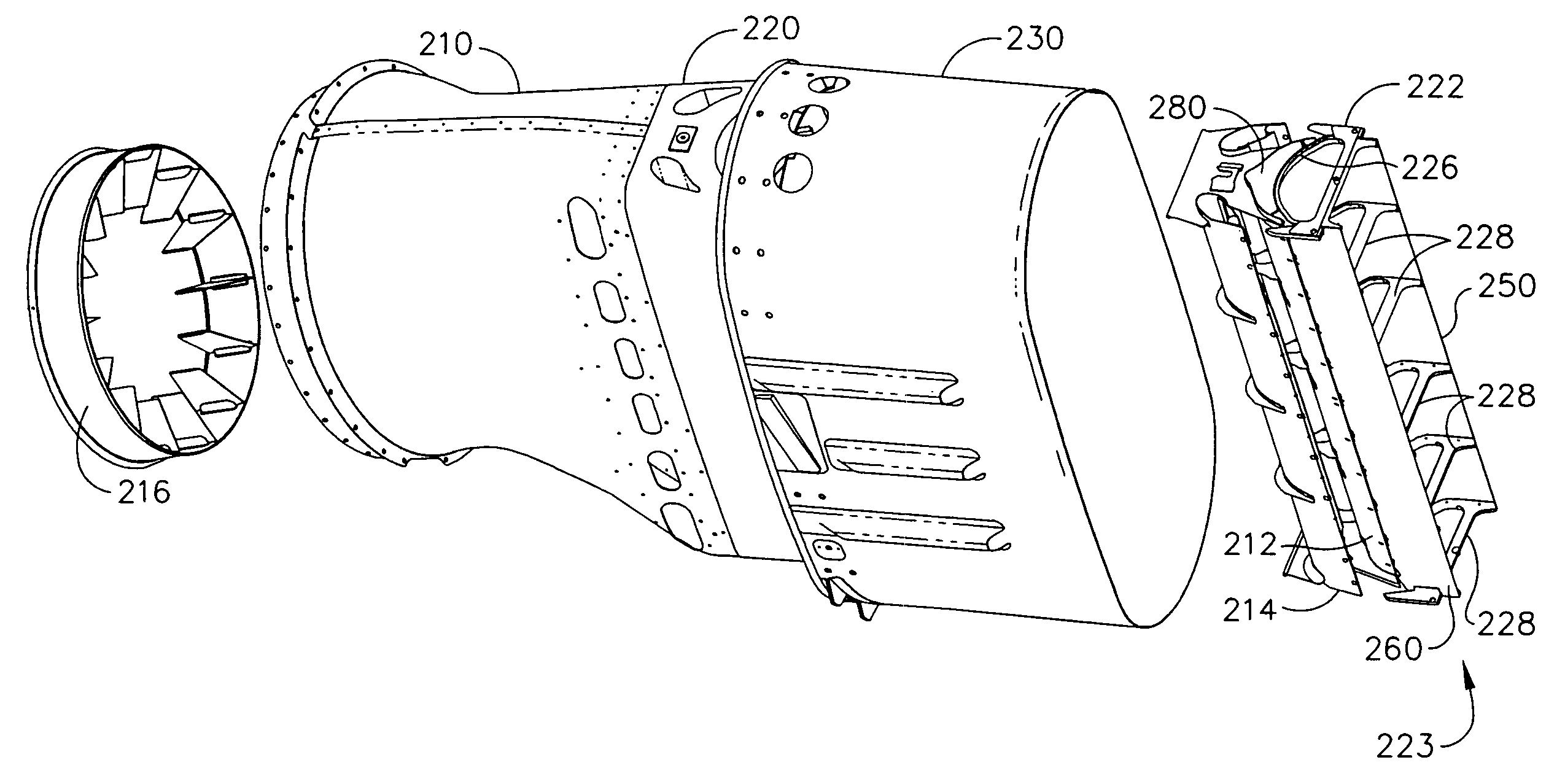
Figure 1 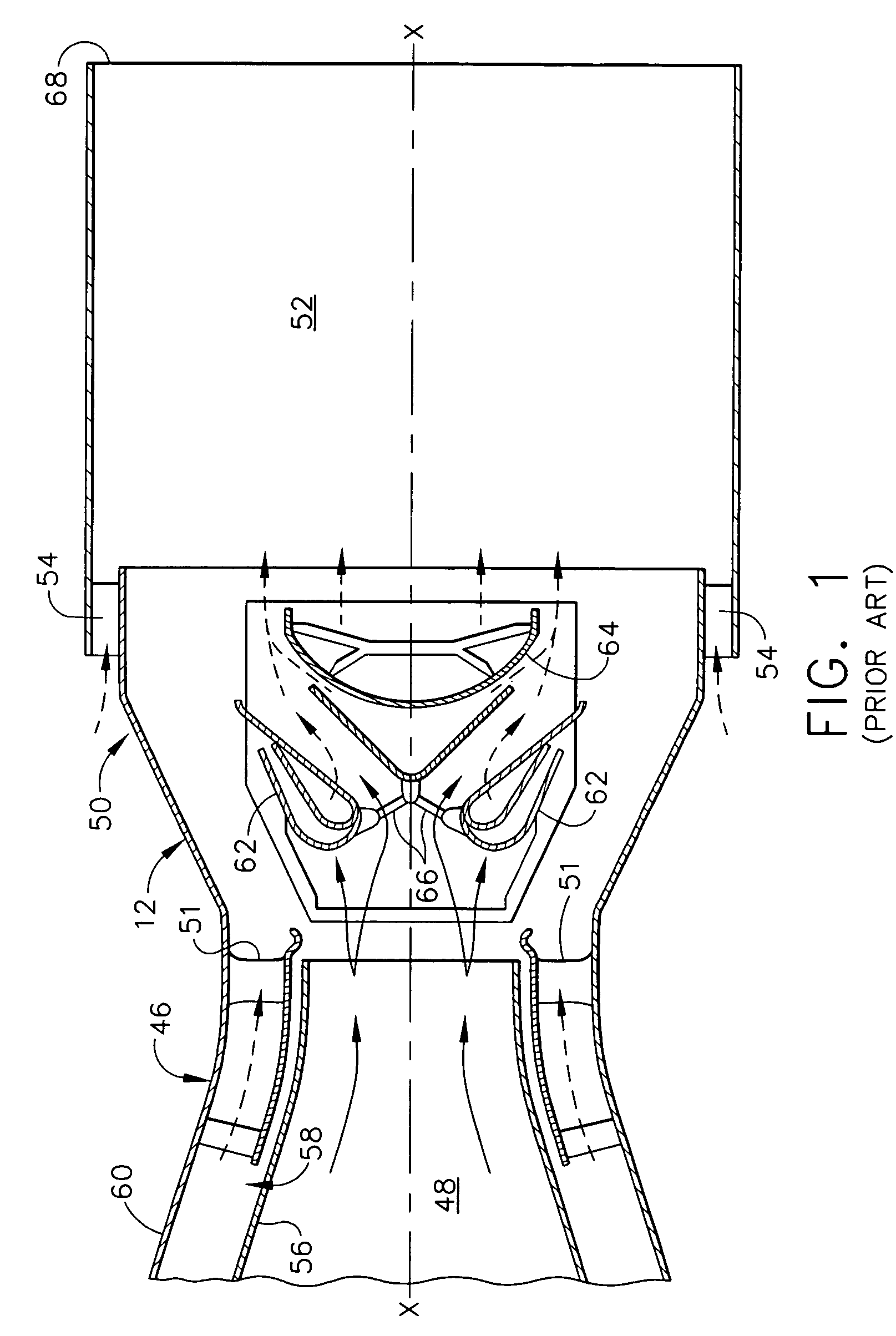
Figure 2 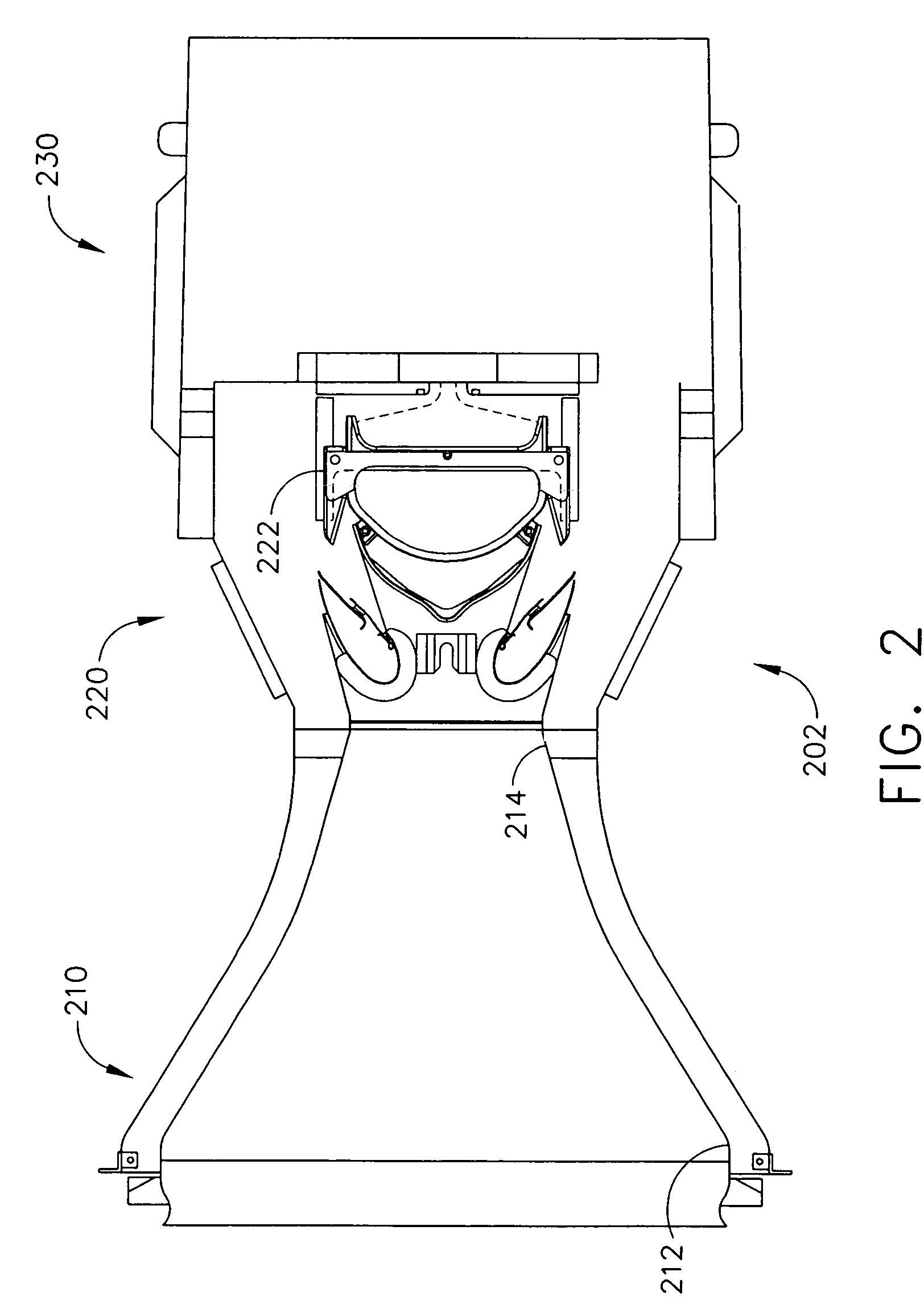
Figure 3
Abstract
Description
FIELD OF THE INVENTION
[0001] The present invention is directed to a high emissivity coatings for use in HIRSS applications, and specifically to the use of the high emissivity coatings for use in T-700 helicopter engines employing HIRSS hardware.BACKGROUND OF THE INVENTION
[0002] HOVER INFRARED SUPPRESSION SYSTEMS (HIRSS) were developed to reduce the infrared (IR) signature of helicopter engines. These systems have been employed to reduce the infrared emissions of the exhaust from engines employed in helicopter applications, such as the General Electric T-700 engine employed in every helicopter designs such as for example, the Black Hawk UH-60, the Apache AH-64 and the AH-1, among others, in use by the U.S. Military. The HIRSS systems have been successful in reducing the IR signature without the benefit of high emissivity coatings (Hi-E), but IR emissions have not been completely eliminated. Because the “threat systems” (heat seeking missile technology, for example) is constantly improv...
Examples
Embodiment Construction
[0023]The present invention is directed for use on a gas turbine engine of the conventional turboshaft type, but its use is not so limited, and it may be used with other types of gas turbine engines such as turbofan and turboprop engines. FIG. 1 depicts a cross-sectional schematic view of a prior art infrared suppression system for use in a gas turbine engine of the conventional turboshaft type, such as the GE T-700, wherein the power turbine shaft may be connected to drive rotor blades of a helicopter. This infrared suppression system utilizes a mechanical arrangement of baffles to achieve the improvement in IR performance to mix hot and cool gases while eliminating line of sight IR so as to improve engine performance. The system achieve its improved IR performance without the use of Hi-E materials. While the system provided an acceptable solution for its time, the current infirmities with the system are discussed above. FIG. 1 is set forth fully in U.S. Pat. No. 6,253,540, ('540 P...