

Aligning Isocyanates with Transcendent Industrial Practices
JUL 10, 20259 MIN READ
Generate Your Research Report Instantly with AI Agent
PatSnap Eureka helps you evaluate technical feasibility & market potential.
Isocyanate Evolution
Isocyanates have undergone a remarkable evolution since their initial discovery in the mid-19th century. The journey began with the synthesis of the first isocyanate compound by Wurtz in 1848, marking the inception of a chemical class that would revolutionize various industries. However, it wasn't until the 1930s that the true potential of isocyanates was realized, primarily through the groundbreaking work of Otto Bayer and his team at I.G. Farben.
The 1940s and 1950s witnessed a surge in isocyanate research and development, driven by the growing demand for versatile materials in the post-war era. This period saw the emergence of polyurethanes, a class of polymers derived from the reaction between isocyanates and polyols. The unique properties of polyurethanes, including their flexibility, durability, and insulating capabilities, quickly positioned them as indispensable materials in numerous applications.
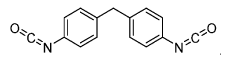
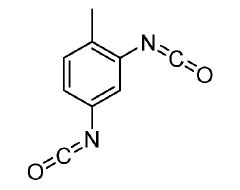
As industrial practices evolved, so did the production and utilization of isocyanates. The 1960s and 1970s marked a significant shift towards large-scale manufacturing processes, with continuous improvements in synthesis methods and purification techniques. This era also saw the introduction of more specialized isocyanates tailored for specific applications, such as methylene diphenyl diisocyanate (MDI) and toluene diisocyanate (TDI), which became cornerstone chemicals in the polyurethane industry.
The latter part of the 20th century brought increased focus on safety and environmental concerns associated with isocyanate production and use. This led to the development of safer handling procedures, improved personal protective equipment, and more environmentally friendly production methods. The industry also began exploring alternatives to traditional isocyanates, such as blocked isocyanates and non-isocyanate polyurethanes, in response to regulatory pressures and sustainability goals.
In recent years, the evolution of isocyanates has been characterized by a push towards greener chemistry and more sustainable practices. Research efforts have intensified in areas such as bio-based isocyanates, derived from renewable resources, and water-based polyurethane systems that reduce volatile organic compound emissions. Additionally, advancements in nanotechnology have opened new avenues for isocyanate applications, particularly in high-performance coatings and materials.
The ongoing evolution of isocyanates continues to be driven by the need for materials with enhanced properties, improved safety profiles, and reduced environmental impact. As industries strive for more sustainable and efficient practices, the alignment of isocyanate technology with these transcendent industrial goals remains a critical focus. This evolution underscores the enduring importance of isocyanates in modern manufacturing and highlights the continuous innovation required to meet the changing demands of various sectors.
The 1940s and 1950s witnessed a surge in isocyanate research and development, driven by the growing demand for versatile materials in the post-war era. This period saw the emergence of polyurethanes, a class of polymers derived from the reaction between isocyanates and polyols. The unique properties of polyurethanes, including their flexibility, durability, and insulating capabilities, quickly positioned them as indispensable materials in numerous applications.
As industrial practices evolved, so did the production and utilization of isocyanates. The 1960s and 1970s marked a significant shift towards large-scale manufacturing processes, with continuous improvements in synthesis methods and purification techniques. This era also saw the introduction of more specialized isocyanates tailored for specific applications, such as methylene diphenyl diisocyanate (MDI) and toluene diisocyanate (TDI), which became cornerstone chemicals in the polyurethane industry.
The latter part of the 20th century brought increased focus on safety and environmental concerns associated with isocyanate production and use. This led to the development of safer handling procedures, improved personal protective equipment, and more environmentally friendly production methods. The industry also began exploring alternatives to traditional isocyanates, such as blocked isocyanates and non-isocyanate polyurethanes, in response to regulatory pressures and sustainability goals.
In recent years, the evolution of isocyanates has been characterized by a push towards greener chemistry and more sustainable practices. Research efforts have intensified in areas such as bio-based isocyanates, derived from renewable resources, and water-based polyurethane systems that reduce volatile organic compound emissions. Additionally, advancements in nanotechnology have opened new avenues for isocyanate applications, particularly in high-performance coatings and materials.
The ongoing evolution of isocyanates continues to be driven by the need for materials with enhanced properties, improved safety profiles, and reduced environmental impact. As industries strive for more sustainable and efficient practices, the alignment of isocyanate technology with these transcendent industrial goals remains a critical focus. This evolution underscores the enduring importance of isocyanates in modern manufacturing and highlights the continuous innovation required to meet the changing demands of various sectors.
Market Demand Analysis
The market demand for isocyanates aligned with transcendent industrial practices has been steadily growing in recent years. This growth is primarily driven by the increasing awareness of sustainable manufacturing processes and the need for more environmentally friendly products across various industries. The global isocyanate market, which includes both aromatic and aliphatic isocyanates, is expected to expand significantly in the coming years.
One of the key factors contributing to this market growth is the rising demand for polyurethane products in construction, automotive, and furniture industries. As these sectors increasingly adopt sustainable practices, there is a growing need for isocyanates that are produced and utilized in alignment with transcendent industrial practices. This shift is not only driven by environmental concerns but also by regulatory pressures and consumer preferences for eco-friendly products.
The automotive industry, in particular, has been a major driver of demand for isocyanates aligned with advanced industrial practices. With the push towards lightweight vehicles for improved fuel efficiency and reduced emissions, polyurethane-based components are becoming increasingly popular. This trend is expected to continue, further boosting the demand for sustainably produced isocyanates.
In the construction sector, the growing emphasis on energy-efficient buildings and sustainable construction materials is creating new opportunities for isocyanate-based products. Insulation materials, sealants, and adhesives made from isocyanates are in high demand due to their superior performance characteristics and potential for improved environmental footprint when produced using advanced practices.
The furniture industry is another significant consumer of isocyanates, particularly in the production of flexible and rigid foams. As consumers become more environmentally conscious, there is an increasing demand for furniture made with materials that have been produced using sustainable methods. This trend is driving furniture manufacturers to seek isocyanates that are aligned with transcendent industrial practices.
Geographically, the demand for sustainably produced isocyanates is particularly strong in developed regions such as North America and Europe, where environmental regulations are more stringent and consumer awareness is higher. However, emerging economies in Asia-Pacific and Latin America are also showing increased interest in these products as they strive to balance industrial growth with environmental responsibility.
The market for bio-based isocyanates, which align closely with transcendent industrial practices, is also gaining traction. These products, derived from renewable resources, are seen as a promising alternative to traditional petroleum-based isocyanates. While currently occupying a small market share, bio-based isocyanates are expected to see significant growth in the coming years as technology advances and production costs decrease.
One of the key factors contributing to this market growth is the rising demand for polyurethane products in construction, automotive, and furniture industries. As these sectors increasingly adopt sustainable practices, there is a growing need for isocyanates that are produced and utilized in alignment with transcendent industrial practices. This shift is not only driven by environmental concerns but also by regulatory pressures and consumer preferences for eco-friendly products.
The automotive industry, in particular, has been a major driver of demand for isocyanates aligned with advanced industrial practices. With the push towards lightweight vehicles for improved fuel efficiency and reduced emissions, polyurethane-based components are becoming increasingly popular. This trend is expected to continue, further boosting the demand for sustainably produced isocyanates.
In the construction sector, the growing emphasis on energy-efficient buildings and sustainable construction materials is creating new opportunities for isocyanate-based products. Insulation materials, sealants, and adhesives made from isocyanates are in high demand due to their superior performance characteristics and potential for improved environmental footprint when produced using advanced practices.
The furniture industry is another significant consumer of isocyanates, particularly in the production of flexible and rigid foams. As consumers become more environmentally conscious, there is an increasing demand for furniture made with materials that have been produced using sustainable methods. This trend is driving furniture manufacturers to seek isocyanates that are aligned with transcendent industrial practices.
Geographically, the demand for sustainably produced isocyanates is particularly strong in developed regions such as North America and Europe, where environmental regulations are more stringent and consumer awareness is higher. However, emerging economies in Asia-Pacific and Latin America are also showing increased interest in these products as they strive to balance industrial growth with environmental responsibility.
The market for bio-based isocyanates, which align closely with transcendent industrial practices, is also gaining traction. These products, derived from renewable resources, are seen as a promising alternative to traditional petroleum-based isocyanates. While currently occupying a small market share, bio-based isocyanates are expected to see significant growth in the coming years as technology advances and production costs decrease.
Technical Challenges
The alignment of isocyanates with transcendent industrial practices faces several significant technical challenges. One of the primary obstacles is the high reactivity of isocyanates, which makes them difficult to handle and control in industrial settings. This reactivity, while beneficial for certain applications, can lead to unwanted side reactions and product degradation if not properly managed.
Another major challenge lies in the toxicity of isocyanates, particularly their potential to cause respiratory sensitization and occupational asthma. This necessitates stringent safety measures and specialized handling procedures, which can complicate manufacturing processes and increase production costs. The development of safer alternatives or improved containment methods remains an ongoing challenge for the industry.
The environmental impact of isocyanate production and use is also a significant concern. Traditional manufacturing processes often involve the use of phosgene, a highly toxic gas, which poses environmental and safety risks. Finding greener, more sustainable production methods that maintain the desired properties of isocyanates is a key technical hurdle.
Furthermore, the industry faces challenges in optimizing the performance of isocyanate-based products across diverse applications. Achieving the right balance of properties such as flexibility, durability, and chemical resistance while maintaining cost-effectiveness requires continuous innovation in formulation and processing techniques.
The increasing demand for bio-based and renewable materials presents another technical challenge. Developing isocyanates or isocyanate-like compounds from renewable resources, without compromising on performance or scalability, is an area of active research and development.
Compatibility issues with other materials and additives in complex formulations can also pose technical difficulties. Ensuring proper adhesion, curing, and long-term stability in various end-use applications requires extensive testing and optimization.
Lastly, the industry grapples with the challenge of improving the recyclability and end-of-life management of isocyanate-based products. Developing efficient recycling technologies or designing products for easier disassembly and material recovery is crucial for aligning with circular economy principles and reducing environmental impact.
Another major challenge lies in the toxicity of isocyanates, particularly their potential to cause respiratory sensitization and occupational asthma. This necessitates stringent safety measures and specialized handling procedures, which can complicate manufacturing processes and increase production costs. The development of safer alternatives or improved containment methods remains an ongoing challenge for the industry.
The environmental impact of isocyanate production and use is also a significant concern. Traditional manufacturing processes often involve the use of phosgene, a highly toxic gas, which poses environmental and safety risks. Finding greener, more sustainable production methods that maintain the desired properties of isocyanates is a key technical hurdle.
Furthermore, the industry faces challenges in optimizing the performance of isocyanate-based products across diverse applications. Achieving the right balance of properties such as flexibility, durability, and chemical resistance while maintaining cost-effectiveness requires continuous innovation in formulation and processing techniques.
The increasing demand for bio-based and renewable materials presents another technical challenge. Developing isocyanates or isocyanate-like compounds from renewable resources, without compromising on performance or scalability, is an area of active research and development.
Compatibility issues with other materials and additives in complex formulations can also pose technical difficulties. Ensuring proper adhesion, curing, and long-term stability in various end-use applications requires extensive testing and optimization.
Lastly, the industry grapples with the challenge of improving the recyclability and end-of-life management of isocyanate-based products. Developing efficient recycling technologies or designing products for easier disassembly and material recovery is crucial for aligning with circular economy principles and reducing environmental impact.
Current Solutions
01 Synthesis and production of isocyanates
Various methods and processes for synthesizing and producing isocyanates are described. These include novel reaction pathways, catalysts, and production techniques to improve yield, purity, and efficiency in isocyanate manufacturing.- Synthesis and production of isocyanates: Various methods and processes for synthesizing and producing isocyanates are described. These include novel reaction pathways, catalysts, and production techniques to improve yield, purity, and efficiency in isocyanate manufacturing.
- Applications of isocyanates in polymer chemistry: Isocyanates are widely used in polymer chemistry, particularly in the production of polyurethanes. The patents discuss various applications, including coatings, adhesives, foams, and elastomers, as well as novel formulations and processing techniques.
- Isocyanate-based catalysts and reaction modifiers: Several patents focus on the development of isocyanate-based catalysts and reaction modifiers. These compounds are used to enhance chemical reactions, improve product properties, or catalyze specific transformations in various industrial processes.
- Safety and handling of isocyanates: Given the reactive nature of isocyanates, patents address safety concerns and handling procedures. This includes methods for reducing toxicity, improving storage stability, and developing safer formulations for industrial use.
- Isocyanate-free alternatives and substitutes: Some patents explore alternatives to traditional isocyanates, aiming to develop more environmentally friendly or less hazardous options. This includes novel chemistries, bio-based materials, and alternative crosslinking agents that can replace isocyanates in certain applications.
02 Applications of isocyanates in polymer chemistry
Isocyanates are widely used in polymer chemistry, particularly in the production of polyurethanes. The patents discuss different formulations, reaction conditions, and additives to enhance the properties of isocyanate-based polymers for various applications.Expand Specific Solutions03 Isocyanate-based coatings and adhesives
The use of isocyanates in coatings and adhesives is explored, detailing formulations, curing mechanisms, and performance characteristics. These innovations aim to improve durability, adhesion, and chemical resistance in various industrial and consumer applications.Expand Specific Solutions04 Safety and handling of isocyanates
Given the reactive nature of isocyanates, several patents focus on improving safety in handling and using these compounds. This includes developing safer storage methods, personal protective equipment, and techniques for neutralizing or disposing of isocyanate waste.Expand Specific Solutions05 Isocyanate-free alternatives and substitutes
Research into developing isocyanate-free alternatives or substitutes is presented, addressing environmental and health concerns associated with traditional isocyanates. These alternatives aim to provide similar performance characteristics while reducing potential hazards.Expand Specific Solutions
Industry Leaders
The market for aligning isocyanates with transcendent industrial practices is in a growth phase, driven by increasing demand for sustainable and high-performance materials. The global market size is expanding, with key players like Wanhua Chemical, Covestro, and BASF leading innovation. These companies are investing heavily in R&D to develop eco-friendly isocyanate technologies. The technical maturity varies, with established firms like Dow and Lear Corporation offering advanced solutions, while newer entrants like Novomer are introducing novel catalytic approaches. Companies such as Asahi Kasei and Sumitomo Chemical are focusing on specialty applications, indicating a trend towards diversification and value-added products in this evolving sector.
Wanhua Chemical Group Co., Ltd.
Technical Solution: Wanhua Chemical has developed advanced isocyanate production technologies aligned with transcendent industrial practices. Their innovative approach includes the use of micro-channel reactors for phosgenation, which significantly improves reaction efficiency and reduces environmental impact[1]. The company has also implemented a closed-loop production system that minimizes waste and maximizes resource utilization[2]. Wanhua's proprietary catalysts enhance selectivity in isocyanate synthesis, resulting in higher yields and purer products[3]. Additionally, they have integrated AI-driven process control systems to optimize production parameters in real-time, ensuring consistent quality and reducing energy consumption[4].
Strengths: Industry-leading technology, high efficiency, and environmental sustainability. Weaknesses: High capital investment required for advanced systems, potential dependency on proprietary technologies.
Covestro Deutschland AG
Technical Solution: Covestro has pioneered a groundbreaking approach to isocyanate production that aligns with transcendent industrial practices. Their innovative gas-phase technology for TDI (toluene diisocyanate) production significantly reduces energy consumption and CO2 emissions by up to 60% compared to conventional liquid-phase processes[1]. The company has also developed a novel catalytic system that enables the direct use of CO2 as a raw material in polyurethane production, replacing up to 20% of fossil-based raw materials[2]. Covestro's membrane technology for chlorine production, a key component in isocyanate synthesis, reduces electricity consumption by up to 30%[3]. Furthermore, they have implemented advanced process analytics and machine learning algorithms to optimize yield and product quality in real-time[4].
Strengths: Cutting-edge sustainable technologies, significant reduction in environmental impact, and improved resource efficiency. Weaknesses: High initial investment costs, potential challenges in scaling up novel technologies.
Key Innovations
Non-phosgene route to the manufacture of organic isocyanates
PatentInactiveUS6781010B1
Innovation
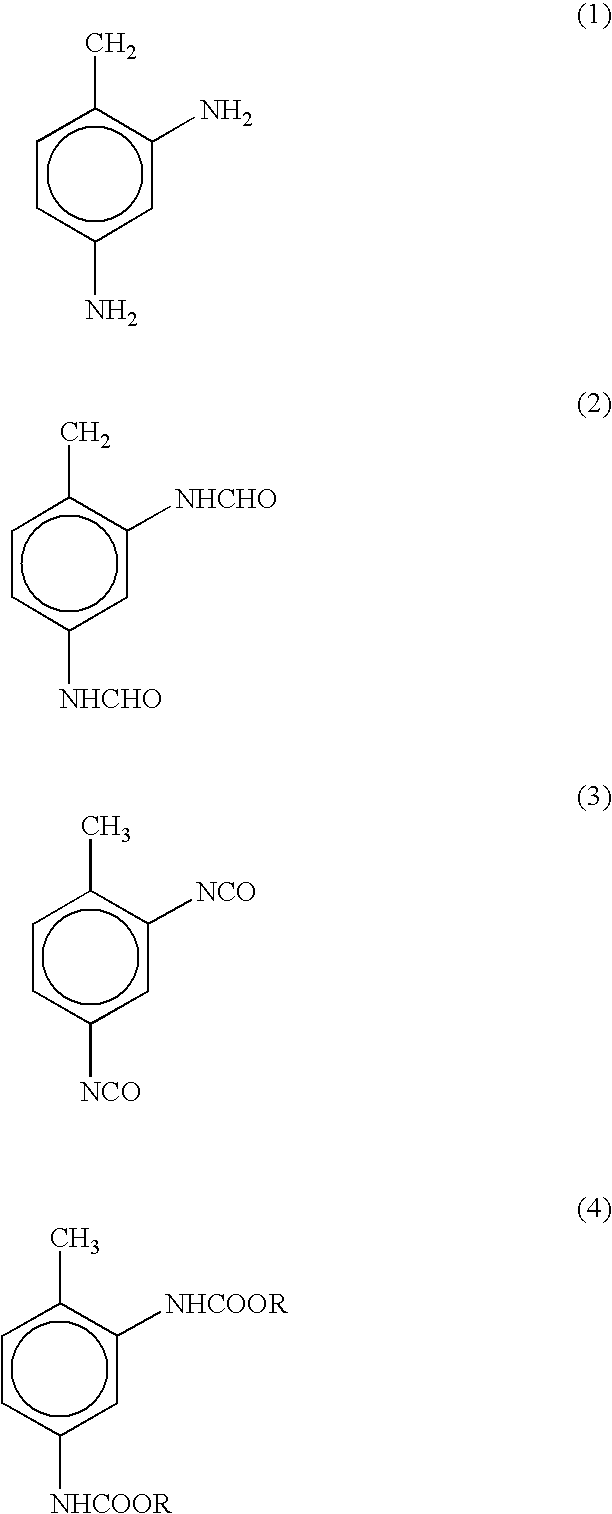
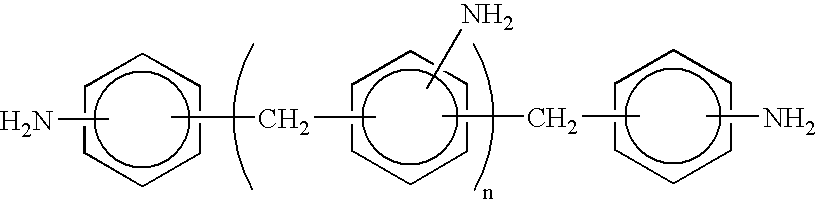
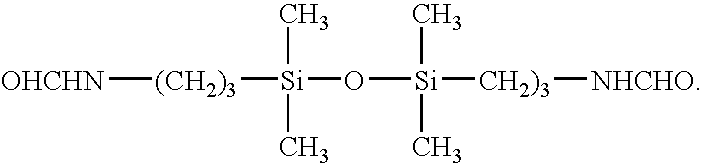
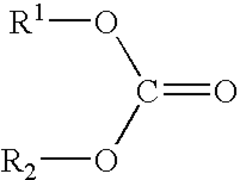
- The synthesis of organic isocyanates through the reaction of formamides with diorganocarbonates, where the major byproducts can be thermolyzed to additional isocyanates or recycled to generate raw materials, resulting in a high-yield, efficient process with minimal waste.
Flow chemistry synthesis of isocyanates
PatentWO2021119606A1
Innovation
- A continuous flow process involving the mixing of acyl hydrazides with nitrous acid to form acyl azides, followed by heating in the presence of an organic solvent to produce isocyanates through Curtius rearrangement, offering a safer and more scalable method for isocyanate synthesis.
Environmental Impact
The environmental impact of aligning isocyanates with transcendent industrial practices is a critical consideration in the modern manufacturing landscape. Isocyanates, widely used in the production of polyurethanes, have traditionally been associated with significant environmental concerns. However, the adoption of advanced industrial practices has led to substantial improvements in their environmental footprint.
One of the primary environmental benefits of aligning isocyanates with transcendent practices is the reduction of volatile organic compound (VOC) emissions. Through the implementation of closed-loop systems and advanced capture technologies, industries have significantly decreased the release of harmful vapors into the atmosphere. This not only improves air quality but also mitigates the contribution to smog formation and ozone depletion.
Water pollution has also been addressed through innovative wastewater treatment processes specifically designed for isocyanate-containing effluents. These systems effectively remove toxic compounds before discharge, protecting aquatic ecosystems and ensuring compliance with stringent environmental regulations. Additionally, the development of water-based polyurethane systems has further reduced the reliance on solvent-based formulations, minimizing water contamination risks.
Energy efficiency improvements in isocyanate production and application processes have led to a notable reduction in carbon footprint. Advanced reactor designs and catalytic systems have optimized reaction conditions, reducing energy consumption and greenhouse gas emissions. Furthermore, the integration of renewable energy sources in manufacturing facilities has further enhanced the sustainability profile of isocyanate-related industries.
Waste reduction and recycling initiatives have become integral to transcendent industrial practices in isocyanate utilization. Closed-loop manufacturing systems now allow for the recovery and reuse of unreacted isocyanates, minimizing waste generation. Moreover, end-of-life product management strategies have been developed to facilitate the recycling of polyurethane materials, reducing landfill burden and promoting a circular economy approach.
The alignment of isocyanates with transcendent practices has also led to the development of bio-based alternatives. These renewable sourced isocyanates, derived from plant-based feedstocks, offer a more sustainable option with reduced environmental impact throughout their lifecycle. This shift towards bio-based materials contributes to the reduction of fossil fuel dependency and overall carbon emissions.
In conclusion, the environmental impact of aligning isocyanates with transcendent industrial practices has been largely positive. Through technological advancements and innovative approaches, the industry has made significant strides in mitigating air and water pollution, improving energy efficiency, reducing waste, and promoting sustainable alternatives. These efforts not only enhance environmental protection but also contribute to the long-term sustainability of isocyanate-based industries.
One of the primary environmental benefits of aligning isocyanates with transcendent practices is the reduction of volatile organic compound (VOC) emissions. Through the implementation of closed-loop systems and advanced capture technologies, industries have significantly decreased the release of harmful vapors into the atmosphere. This not only improves air quality but also mitigates the contribution to smog formation and ozone depletion.
Water pollution has also been addressed through innovative wastewater treatment processes specifically designed for isocyanate-containing effluents. These systems effectively remove toxic compounds before discharge, protecting aquatic ecosystems and ensuring compliance with stringent environmental regulations. Additionally, the development of water-based polyurethane systems has further reduced the reliance on solvent-based formulations, minimizing water contamination risks.
Energy efficiency improvements in isocyanate production and application processes have led to a notable reduction in carbon footprint. Advanced reactor designs and catalytic systems have optimized reaction conditions, reducing energy consumption and greenhouse gas emissions. Furthermore, the integration of renewable energy sources in manufacturing facilities has further enhanced the sustainability profile of isocyanate-related industries.
Waste reduction and recycling initiatives have become integral to transcendent industrial practices in isocyanate utilization. Closed-loop manufacturing systems now allow for the recovery and reuse of unreacted isocyanates, minimizing waste generation. Moreover, end-of-life product management strategies have been developed to facilitate the recycling of polyurethane materials, reducing landfill burden and promoting a circular economy approach.
The alignment of isocyanates with transcendent practices has also led to the development of bio-based alternatives. These renewable sourced isocyanates, derived from plant-based feedstocks, offer a more sustainable option with reduced environmental impact throughout their lifecycle. This shift towards bio-based materials contributes to the reduction of fossil fuel dependency and overall carbon emissions.
In conclusion, the environmental impact of aligning isocyanates with transcendent industrial practices has been largely positive. Through technological advancements and innovative approaches, the industry has made significant strides in mitigating air and water pollution, improving energy efficiency, reducing waste, and promoting sustainable alternatives. These efforts not only enhance environmental protection but also contribute to the long-term sustainability of isocyanate-based industries.
Safety Regulations
The alignment of isocyanates with transcendent industrial practices necessitates a comprehensive framework of safety regulations. These regulations are crucial in mitigating the inherent risks associated with isocyanate handling and usage across various industrial applications. Regulatory bodies worldwide have established stringent guidelines to ensure worker safety, environmental protection, and product quality.
In the United States, the Occupational Safety and Health Administration (OSHA) has set forth specific standards for isocyanate exposure limits and protective measures. These include permissible exposure limits (PELs) for different isocyanate compounds, mandatory use of personal protective equipment (PPE), and requirements for engineering controls such as ventilation systems. The Environmental Protection Agency (EPA) complements these efforts with regulations aimed at preventing environmental contamination and ensuring proper disposal of isocyanate-containing materials.
European regulations, particularly the Registration, Evaluation, Authorization, and Restriction of Chemicals (REACH) framework, impose strict controls on the manufacture, import, and use of isocyanates. This includes mandatory registration of substances, safety assessments, and the implementation of risk management measures. The European Chemicals Agency (ECHA) plays a pivotal role in enforcing these regulations and providing guidance to industry stakeholders.
Safety regulations also extend to the transportation of isocyanates. The International Maritime Dangerous Goods (IMDG) Code and the International Air Transport Association (IATA) Dangerous Goods Regulations provide detailed guidelines for the safe transport of these chemicals by sea and air, respectively. These regulations cover aspects such as packaging, labeling, and documentation requirements to prevent accidents during transit.
Industry-specific regulations further refine safety practices for isocyanate use. For instance, in the automotive sector, regulations focus on controlling emissions from polyurethane foam production and ensuring the safety of workers involved in spray painting operations. The construction industry faces regulations targeting the use of isocyanate-based adhesives and sealants, with emphasis on proper application techniques and ventilation requirements.
Emerging trends in safety regulations include the push for substitution of high-risk isocyanates with safer alternatives where possible. This aligns with the broader industrial trend towards sustainable and environmentally friendly practices. Additionally, there is an increasing focus on worker training and education programs to enhance awareness of isocyanate hazards and proper handling procedures.
Compliance with these multifaceted safety regulations presents challenges for industries utilizing isocyanates. However, adherence to these standards is essential for achieving transcendent industrial practices that prioritize worker health, environmental stewardship, and product safety. As technology and understanding of isocyanate risks evolve, safety regulations are likely to become more sophisticated, potentially incorporating real-time monitoring systems and advanced risk assessment methodologies.
In the United States, the Occupational Safety and Health Administration (OSHA) has set forth specific standards for isocyanate exposure limits and protective measures. These include permissible exposure limits (PELs) for different isocyanate compounds, mandatory use of personal protective equipment (PPE), and requirements for engineering controls such as ventilation systems. The Environmental Protection Agency (EPA) complements these efforts with regulations aimed at preventing environmental contamination and ensuring proper disposal of isocyanate-containing materials.
European regulations, particularly the Registration, Evaluation, Authorization, and Restriction of Chemicals (REACH) framework, impose strict controls on the manufacture, import, and use of isocyanates. This includes mandatory registration of substances, safety assessments, and the implementation of risk management measures. The European Chemicals Agency (ECHA) plays a pivotal role in enforcing these regulations and providing guidance to industry stakeholders.
Safety regulations also extend to the transportation of isocyanates. The International Maritime Dangerous Goods (IMDG) Code and the International Air Transport Association (IATA) Dangerous Goods Regulations provide detailed guidelines for the safe transport of these chemicals by sea and air, respectively. These regulations cover aspects such as packaging, labeling, and documentation requirements to prevent accidents during transit.
Industry-specific regulations further refine safety practices for isocyanate use. For instance, in the automotive sector, regulations focus on controlling emissions from polyurethane foam production and ensuring the safety of workers involved in spray painting operations. The construction industry faces regulations targeting the use of isocyanate-based adhesives and sealants, with emphasis on proper application techniques and ventilation requirements.
Emerging trends in safety regulations include the push for substitution of high-risk isocyanates with safer alternatives where possible. This aligns with the broader industrial trend towards sustainable and environmentally friendly practices. Additionally, there is an increasing focus on worker training and education programs to enhance awareness of isocyanate hazards and proper handling procedures.
Compliance with these multifaceted safety regulations presents challenges for industries utilizing isocyanates. However, adherence to these standards is essential for achieving transcendent industrial practices that prioritize worker health, environmental stewardship, and product safety. As technology and understanding of isocyanate risks evolve, safety regulations are likely to become more sophisticated, potentially incorporating real-time monitoring systems and advanced risk assessment methodologies.
Unlock deeper insights with PatSnap Eureka Quick Research — get a full tech report to explore trends and direct your research. Try now!
Generate Your Research Report Instantly with AI Agent
Supercharge your innovation with PatSnap Eureka AI Agent Platform!