

Compare Autoclave and UV Sterilization: Load-Specific Effectiveness
SEP 2, 20259 MIN READ
Generate Your Research Report Instantly with AI Agent
PatSnap Eureka helps you evaluate technical feasibility & market potential.
Sterilization Technologies Background and Objectives
Sterilization has evolved significantly since its inception in the late 19th century, transforming from basic heat applications to sophisticated technologies that serve critical roles in healthcare, pharmaceuticals, food processing, and laboratory settings. The historical trajectory shows a continuous refinement of methods, moving from simple boiling techniques to the development of pressurized steam autoclaves by Charles Chamberland in 1884, and later to the discovery of ultraviolet (UV) germicidal properties in the early 20th century.
Today's sterilization landscape is characterized by diverse methodologies tailored to specific applications. Autoclave technology, utilizing saturated steam under pressure, remains the gold standard for heat-resistant materials, while UV sterilization has gained prominence for its non-thermal approach and application versatility. The technological evolution continues with innovations in both fields: autoclaves now feature advanced control systems and validation protocols, while UV systems have progressed from mercury vapor lamps to more efficient and environmentally friendly LED-based solutions.
The global sterilization market demonstrates robust growth, projected to reach $14.9 billion by 2025 with a CAGR of 8.5%. This expansion is driven by heightened infection control awareness, increasing surgical procedures, and stringent regulatory requirements across industries. Regional adoption patterns reveal interesting variations, with developed markets focusing on technological advancement while emerging economies prioritize accessibility and cost-effectiveness.
The primary objective of this technical research is to conduct a comprehensive comparative analysis of autoclave and UV sterilization technologies specifically through the lens of load-specific effectiveness. This investigation aims to establish clear parameters for optimal technology selection based on material composition, load configuration, microbial challenge levels, and operational constraints. By examining the fundamental mechanisms, performance metrics, and application boundaries of each technology, we seek to develop a decision framework that enables evidence-based sterilization method selection.
Secondary objectives include identifying technological gaps in current solutions, exploring potential hybrid approaches that leverage the strengths of both technologies, and forecasting future innovations that might address current limitations. The research will also evaluate emerging trends such as rapid cycle technologies, reduced resource consumption designs, and enhanced validation methodologies that promise to reshape sterilization practices across industries.
This analysis is particularly timely given the increasing complexity of materials requiring sterilization, growing concerns about chemical residues and environmental impact, and the need for more efficient processes in high-throughput environments. The findings will inform strategic technology investment decisions and process optimization efforts across healthcare, life sciences, and industrial applications.
Today's sterilization landscape is characterized by diverse methodologies tailored to specific applications. Autoclave technology, utilizing saturated steam under pressure, remains the gold standard for heat-resistant materials, while UV sterilization has gained prominence for its non-thermal approach and application versatility. The technological evolution continues with innovations in both fields: autoclaves now feature advanced control systems and validation protocols, while UV systems have progressed from mercury vapor lamps to more efficient and environmentally friendly LED-based solutions.
The global sterilization market demonstrates robust growth, projected to reach $14.9 billion by 2025 with a CAGR of 8.5%. This expansion is driven by heightened infection control awareness, increasing surgical procedures, and stringent regulatory requirements across industries. Regional adoption patterns reveal interesting variations, with developed markets focusing on technological advancement while emerging economies prioritize accessibility and cost-effectiveness.
The primary objective of this technical research is to conduct a comprehensive comparative analysis of autoclave and UV sterilization technologies specifically through the lens of load-specific effectiveness. This investigation aims to establish clear parameters for optimal technology selection based on material composition, load configuration, microbial challenge levels, and operational constraints. By examining the fundamental mechanisms, performance metrics, and application boundaries of each technology, we seek to develop a decision framework that enables evidence-based sterilization method selection.
Secondary objectives include identifying technological gaps in current solutions, exploring potential hybrid approaches that leverage the strengths of both technologies, and forecasting future innovations that might address current limitations. The research will also evaluate emerging trends such as rapid cycle technologies, reduced resource consumption designs, and enhanced validation methodologies that promise to reshape sterilization practices across industries.
This analysis is particularly timely given the increasing complexity of materials requiring sterilization, growing concerns about chemical residues and environmental impact, and the need for more efficient processes in high-throughput environments. The findings will inform strategic technology investment decisions and process optimization efforts across healthcare, life sciences, and industrial applications.
Market Demand Analysis for Sterilization Solutions
The global sterilization market has witnessed significant growth in recent years, driven by increasing healthcare expenditures, rising surgical procedures, and growing awareness about infection control. The market was valued at approximately 7.1 billion USD in 2020 and is projected to reach 12.5 billion USD by 2027, growing at a CAGR of 8.3% during the forecast period.
Healthcare facilities represent the largest segment of end-users, accounting for over 60% of the market share. Within this segment, hospitals are the primary consumers of sterilization solutions, followed by ambulatory surgical centers and clinics. The pharmaceutical and biotechnology industries collectively constitute about 25% of the market, while food and beverage and other industries make up the remaining portion.
Regionally, North America dominates the sterilization market with approximately 40% share, followed by Europe at 30% and Asia-Pacific at 20%. The Asia-Pacific region is expected to witness the highest growth rate due to expanding healthcare infrastructure, increasing medical tourism, and growing awareness about sterilization standards in developing economies like China and India.
The COVID-19 pandemic has significantly accelerated market demand, creating unprecedented requirements for sterilization across various sectors. Healthcare facilities have increased their sterilization protocols, while pharmaceutical companies have ramped up production of sterile products. This surge has highlighted the importance of efficient, reliable, and versatile sterilization methods.
When comparing autoclave and UV sterilization technologies specifically, market analysis reveals distinct demand patterns based on application requirements. Autoclave sterilization dominates in settings requiring high-level disinfection of heat-resistant items, particularly in hospitals and research laboratories, holding approximately 45% of the sterilization equipment market. The demand for autoclaves is particularly strong in surgical departments and central sterile supply departments.
UV sterilization, meanwhile, has seen rapid growth in sectors where heat-sensitive materials are prevalent or where surface and air disinfection is critical. This segment has grown at 12% annually over the past five years, with particularly strong adoption in pharmaceutical clean rooms, food processing facilities, and water treatment applications.
Consumer preferences are increasingly influenced by factors beyond mere sterilization efficacy. Energy efficiency, processing time, operational costs, and environmental impact have emerged as critical decision factors. Modern healthcare facilities are increasingly seeking sterilization solutions that offer load-specific customization capabilities, allowing for optimization based on the specific materials being processed.
Healthcare facilities represent the largest segment of end-users, accounting for over 60% of the market share. Within this segment, hospitals are the primary consumers of sterilization solutions, followed by ambulatory surgical centers and clinics. The pharmaceutical and biotechnology industries collectively constitute about 25% of the market, while food and beverage and other industries make up the remaining portion.
Regionally, North America dominates the sterilization market with approximately 40% share, followed by Europe at 30% and Asia-Pacific at 20%. The Asia-Pacific region is expected to witness the highest growth rate due to expanding healthcare infrastructure, increasing medical tourism, and growing awareness about sterilization standards in developing economies like China and India.
The COVID-19 pandemic has significantly accelerated market demand, creating unprecedented requirements for sterilization across various sectors. Healthcare facilities have increased their sterilization protocols, while pharmaceutical companies have ramped up production of sterile products. This surge has highlighted the importance of efficient, reliable, and versatile sterilization methods.
When comparing autoclave and UV sterilization technologies specifically, market analysis reveals distinct demand patterns based on application requirements. Autoclave sterilization dominates in settings requiring high-level disinfection of heat-resistant items, particularly in hospitals and research laboratories, holding approximately 45% of the sterilization equipment market. The demand for autoclaves is particularly strong in surgical departments and central sterile supply departments.
UV sterilization, meanwhile, has seen rapid growth in sectors where heat-sensitive materials are prevalent or where surface and air disinfection is critical. This segment has grown at 12% annually over the past five years, with particularly strong adoption in pharmaceutical clean rooms, food processing facilities, and water treatment applications.
Consumer preferences are increasingly influenced by factors beyond mere sterilization efficacy. Energy efficiency, processing time, operational costs, and environmental impact have emerged as critical decision factors. Modern healthcare facilities are increasingly seeking sterilization solutions that offer load-specific customization capabilities, allowing for optimization based on the specific materials being processed.
Current Challenges in Autoclave and UV Sterilization
Despite significant advancements in sterilization technologies, both autoclave and UV sterilization methods face substantial challenges that limit their effectiveness in specific load scenarios. Autoclave sterilization, while considered the gold standard for many applications, struggles with heat-sensitive materials and devices. Modern medical equipment often contains electronic components, adhesives, and polymers that degrade at standard autoclave temperatures (121-134°C), creating a significant limitation for healthcare facilities. Additionally, the penetration of steam into complex instruments with narrow lumens or dense packaging remains problematic, resulting in potential sterilization failures in hard-to-reach areas.
The time-intensive nature of autoclave cycles (typically 30-60 minutes plus cooling time) creates operational bottlenecks in high-throughput environments such as busy surgical centers. This challenge is compounded by the high energy consumption and water usage associated with autoclave operation, raising both cost and sustainability concerns in resource-constrained settings.
UV sterilization faces its own set of distinct challenges. The shadow effect represents a fundamental limitation where microorganisms shielded from direct UV exposure remain viable. This is particularly problematic for textured surfaces, stacked items, or complex geometries where UV light cannot reach all surfaces. The effectiveness of UV sterilization is highly dependent on distance, exposure time, and lamp intensity—parameters that are difficult to standardize across varied load types.
Material compatibility issues also plague UV systems, as prolonged exposure can degrade certain polymers, causing yellowing, brittleness, and reduced material integrity. This degradation may compromise the functionality and lifespan of expensive medical devices and equipment. Furthermore, UV effectiveness varies significantly across different microbial species, with bacterial spores and some viruses demonstrating considerable resistance to standard UV exposure protocols.
Both technologies face challenges related to validation and monitoring. While autoclave processes can be verified through biological indicators and parametric monitoring, UV sterilization lacks standardized, reliable indicators to confirm effective microbial inactivation across all load surfaces. This creates uncertainty in quality assurance protocols and regulatory compliance.
Emerging pathogens with novel resistance mechanisms pose ongoing challenges for both technologies. Prions, biofilms, and certain environmental microorganisms demonstrate resistance to standard sterilization parameters, necessitating extended cycles or combined approaches. The increasing complexity of medical devices, with miniaturized components and intricate designs, further complicates effective sterilization regardless of the chosen method.
These challenges highlight the need for load-specific sterilization protocols that consider material properties, geometric complexity, and microbial bioburden to ensure consistent and reliable outcomes across diverse healthcare applications.
The time-intensive nature of autoclave cycles (typically 30-60 minutes plus cooling time) creates operational bottlenecks in high-throughput environments such as busy surgical centers. This challenge is compounded by the high energy consumption and water usage associated with autoclave operation, raising both cost and sustainability concerns in resource-constrained settings.
UV sterilization faces its own set of distinct challenges. The shadow effect represents a fundamental limitation where microorganisms shielded from direct UV exposure remain viable. This is particularly problematic for textured surfaces, stacked items, or complex geometries where UV light cannot reach all surfaces. The effectiveness of UV sterilization is highly dependent on distance, exposure time, and lamp intensity—parameters that are difficult to standardize across varied load types.
Material compatibility issues also plague UV systems, as prolonged exposure can degrade certain polymers, causing yellowing, brittleness, and reduced material integrity. This degradation may compromise the functionality and lifespan of expensive medical devices and equipment. Furthermore, UV effectiveness varies significantly across different microbial species, with bacterial spores and some viruses demonstrating considerable resistance to standard UV exposure protocols.
Both technologies face challenges related to validation and monitoring. While autoclave processes can be verified through biological indicators and parametric monitoring, UV sterilization lacks standardized, reliable indicators to confirm effective microbial inactivation across all load surfaces. This creates uncertainty in quality assurance protocols and regulatory compliance.
Emerging pathogens with novel resistance mechanisms pose ongoing challenges for both technologies. Prions, biofilms, and certain environmental microorganisms demonstrate resistance to standard sterilization parameters, necessitating extended cycles or combined approaches. The increasing complexity of medical devices, with miniaturized components and intricate designs, further complicates effective sterilization regardless of the chosen method.
These challenges highlight the need for load-specific sterilization protocols that consider material properties, geometric complexity, and microbial bioburden to ensure consistent and reliable outcomes across diverse healthcare applications.
Technical Comparison of Autoclave vs UV Sterilization
01 Autoclave sterilization effectiveness for different load types
Autoclave sterilization effectiveness varies depending on the type of load being sterilized. Different materials and densities require specific autoclave parameters such as temperature, pressure, and exposure time to achieve complete sterilization. The effectiveness can be monitored through biological indicators and physical parameters to ensure that sterilization standards are met for each specific load type, from medical instruments to laboratory equipment.- Load-specific parameters for autoclave sterilization: Autoclave sterilization effectiveness varies based on load characteristics such as density, composition, and arrangement. Different materials require specific temperature, pressure, and time parameters to achieve complete sterilization. Proper validation protocols must account for these load-specific variables to ensure consistent sterilization outcomes across different types of medical devices, laboratory equipment, and pharmaceutical products.
- UV sterilization effectiveness for different load types: UV sterilization efficacy depends on factors such as load composition, surface characteristics, and exposure geometry. Different materials exhibit varying UV penetration rates and absorption properties, affecting sterilization outcomes. The effectiveness of UV treatment varies significantly between transparent, translucent, and opaque materials, with shadowing effects potentially creating sterilization blind spots that require specific load arrangement considerations.
- Monitoring and validation systems for load-specific sterilization: Advanced monitoring systems are essential for validating sterilization effectiveness across different load types. These systems incorporate biological indicators, chemical integrators, and electronic sensors to verify that sterilization parameters have been achieved throughout the entire load. Real-time monitoring technologies enable dynamic adjustment of sterilization parameters based on specific load characteristics, ensuring consistent results across varying load compositions.
- Combined sterilization approaches for enhanced effectiveness: Hybrid sterilization methods combining autoclave and UV technologies offer improved effectiveness for challenging load types. Sequential or simultaneous application of multiple sterilization modalities can overcome limitations of individual methods, particularly for complex medical devices or dense loads. These combined approaches provide synergistic effects that enhance microbial inactivation while potentially reducing processing time and preserving material integrity.
- Load-specific packaging and preparation techniques: Specialized packaging and preparation methods significantly impact sterilization effectiveness across different load types. Proper wrapping materials, container systems, and load configuration techniques ensure sterilant penetration throughout the entire load. Pre-cleaning protocols, moisture control, and appropriate spacing between items are critical factors that must be tailored to specific load characteristics to achieve consistent sterilization outcomes.
02 UV sterilization technology for specific applications
UV sterilization technology can be tailored for specific applications based on the nature of the items being sterilized. The effectiveness of UV sterilization depends on factors such as UV wavelength, intensity, exposure time, and the characteristics of the target microorganisms. UV sterilization systems can be designed with specific configurations to ensure optimal disinfection for different load types, including water treatment, air purification, and surface decontamination.Expand Specific Solutions03 Monitoring and validation systems for sterilization processes
Monitoring and validation systems are essential for ensuring the effectiveness of both autoclave and UV sterilization processes. These systems include biological indicators, chemical indicators, and electronic monitoring devices that can verify whether sterilization parameters have been met for specific load types. Real-time monitoring allows for immediate detection of sterilization failures and ensures compliance with regulatory standards for different applications.Expand Specific Solutions04 Combined sterilization methods for enhanced effectiveness
Combining multiple sterilization methods, such as autoclave and UV sterilization, can enhance overall effectiveness for challenging load types. This approach leverages the strengths of each method to overcome limitations and ensure complete sterilization. Sequential or simultaneous application of different sterilization technologies can be particularly effective for complex loads with varying material compositions or for items that may be damaged by a single high-intensity sterilization method.Expand Specific Solutions05 Load-specific sterilization protocols and cycle development
Developing specific sterilization protocols and cycles based on load characteristics is crucial for achieving optimal sterilization results. Factors such as load density, material composition, heat sensitivity, and moisture penetration affect sterilization effectiveness. Custom sterilization cycles with adjusted parameters such as temperature, pressure, UV intensity, and exposure time can be developed to ensure complete sterilization while minimizing damage to the items being processed.Expand Specific Solutions
Key Industry Players in Sterilization Equipment
The sterilization technology market is currently in a growth phase, with UV sterilization gaining momentum alongside traditional autoclave methods. The global sterilization equipment market is projected to reach approximately $15 billion by 2025, driven by healthcare facility expansion and increasing focus on infection control. While autoclave technology remains the gold standard for heat-resistant items with 100% efficacy, UV sterilization is emerging as a complementary solution for heat-sensitive materials. Companies like Brghtly are pioneering UV-C cleansing IoT solutions for retail environments, while Triton Thalassic Technologies develops non-thermal pathogen inactivation systems. Traditional medical device manufacturers such as Hospira (Pfizer) and specialized firms like Weihai Berlin Shengkang Air Oxygen Technology are advancing both technologies to address load-specific sterilization challenges across healthcare, pharmaceutical, and commercial applications.
Triton Thalassic Technologies, Inc.
Technical Solution: Triton Thalassic Technologies has developed advanced UV sterilization systems specifically designed for water treatment applications. Their proprietary technology utilizes high-intensity UV-C radiation (wavelength 254 nm) combined with turbulent flow patterns to ensure maximum exposure of microorganisms to the germicidal light. The system incorporates real-time monitoring of UV intensity and water quality parameters to automatically adjust treatment dosage based on load characteristics. Their technology achieves up to 99.99% reduction in bacterial, viral, and protozoan pathogens without chemical additives. The company has implemented a multi-barrier approach that combines UV treatment with pre-filtration stages to handle varying turbidity levels, making it particularly effective for challenging water sources with fluctuating microbial loads.
Strengths: Energy-efficient operation compared to heat-based methods; no harmful chemical byproducts; effective against chlorine-resistant organisms; minimal maintenance requirements; scalable for various flow rates. Weaknesses: Less effective against highly turbid water; requires regular lamp replacement; cannot sterilize shadowed areas; limited penetration depth in dense materials.
Ster O Wave LLC
Technical Solution: Ster O Wave LLC has pioneered a hybrid sterilization approach that combines pulsed UV technology with controlled heat application for medical device sterilization. Their system utilizes high-intensity xenon flash lamps that deliver broad-spectrum UV radiation in microsecond pulses, achieving 3-4 log reduction in microbial contamination within seconds. The technology incorporates load-specific sensors that detect material composition and adjust treatment parameters accordingly. For heat-resistant items, the system supplements UV treatment with precision-controlled heat cycles that reach 80-90°C rather than the 121-134°C required by traditional autoclaves. This dual-mode approach allows for effective sterilization of both heat-sensitive and heat-resistant materials in a single platform. The company's proprietary software algorithms optimize treatment protocols based on load characteristics, ensuring consistent sterilization efficacy across varying material densities and surface geometries.
Strengths: Reduced processing time compared to traditional autoclaves; lower energy consumption; suitable for both heat-sensitive and heat-resistant materials; minimal material degradation; no toxic chemical residues. Weaknesses: Higher initial equipment cost; limited effectiveness for dense or shadowed loads; requires specialized maintenance expertise; not yet widely accepted in all regulatory frameworks.
Critical Patents and Research in Load-Specific Sterilization
Sterilisation device and corresponding method
PatentWO2010128217A1
Innovation
- A sterilization device using wave emission, specifically S-band microwaves, that employs a temperature variation protocol involving a first rise, a decrease, and a second rise to effectively sterilize products without the need for high pressure and temperature, allowing for automatic control and safe operation.
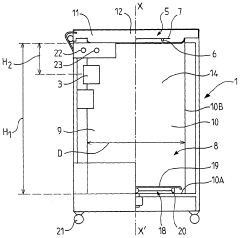
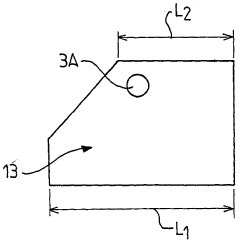
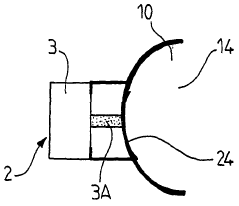
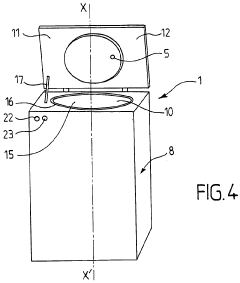
UV sterilization tube
PatentActiveUS10662078B1
Innovation
- A UV sterilization tube with a hydroelectric power module that generates electricity from water flow, powering a UV sterilization module without the need for an external power source, and designed to be compact in size.


Regulatory Standards and Compliance Requirements
Regulatory frameworks governing sterilization methods vary significantly across regions and industries, with both autoclave and UV sterilization subject to distinct compliance requirements. In healthcare settings, autoclave sterilization adheres to standards set by organizations such as the Association for the Advancement of Medical Instrumentation (AAMI), which specifies parameters including temperature, pressure, and exposure time for different load types. The FDA in the United States requires validation through biological indicators to confirm sterilization efficacy, with regular monitoring and documentation essential for compliance.
For UV sterilization, regulatory oversight is less standardized but increasingly formalized. The International Ultraviolet Association (IUVA) has developed guidelines for UV disinfection systems, focusing on dosage requirements for various pathogens. In medical device applications, UV sterilization must meet specific log reduction values for microbial contamination, typically requiring 3-6 log reduction depending on the intended use of the device.
European regulations under the Medical Device Regulation (MDR) mandate that sterilization processes be validated according to harmonized standards, with autoclave methods typically following EN 285 for large steam sterilizers and EN 13060 for small steam sterilizers. UV sterilization in Europe often references EN ISO 15858:2016 for UV-C devices used for surface disinfection.
Load-specific compliance requirements create significant differentiation between these technologies. Autoclave sterilization for implantable devices must meet stricter standards (typically a Sterility Assurance Level of 10^-6) compared to non-critical items. Similarly, UV sterilization for water treatment systems follows different regulatory frameworks than UV applications for air or surface disinfection, with EPA guidelines in the United States specifying minimum UV dosage requirements for water purification systems.
Documentation and validation protocols also differ substantially between methods. Autoclave processes typically require physical, chemical, and biological monitoring systems with comprehensive record-keeping. UV systems increasingly incorporate real-time monitoring of UV intensity and dosage, with validation protocols focusing on demonstrating consistent delivery of the required UV dose across all exposed surfaces.
Emerging regulatory trends indicate increasing scrutiny of both technologies, with particular attention to energy efficiency, environmental impact, and effectiveness against emerging pathogens. Recent updates to ISO standards have begun addressing the environmental footprint of sterilization processes, potentially favoring UV systems in certain applications due to their lower energy consumption and absence of chemical inputs.
For UV sterilization, regulatory oversight is less standardized but increasingly formalized. The International Ultraviolet Association (IUVA) has developed guidelines for UV disinfection systems, focusing on dosage requirements for various pathogens. In medical device applications, UV sterilization must meet specific log reduction values for microbial contamination, typically requiring 3-6 log reduction depending on the intended use of the device.
European regulations under the Medical Device Regulation (MDR) mandate that sterilization processes be validated according to harmonized standards, with autoclave methods typically following EN 285 for large steam sterilizers and EN 13060 for small steam sterilizers. UV sterilization in Europe often references EN ISO 15858:2016 for UV-C devices used for surface disinfection.
Load-specific compliance requirements create significant differentiation between these technologies. Autoclave sterilization for implantable devices must meet stricter standards (typically a Sterility Assurance Level of 10^-6) compared to non-critical items. Similarly, UV sterilization for water treatment systems follows different regulatory frameworks than UV applications for air or surface disinfection, with EPA guidelines in the United States specifying minimum UV dosage requirements for water purification systems.
Documentation and validation protocols also differ substantially between methods. Autoclave processes typically require physical, chemical, and biological monitoring systems with comprehensive record-keeping. UV systems increasingly incorporate real-time monitoring of UV intensity and dosage, with validation protocols focusing on demonstrating consistent delivery of the required UV dose across all exposed surfaces.
Emerging regulatory trends indicate increasing scrutiny of both technologies, with particular attention to energy efficiency, environmental impact, and effectiveness against emerging pathogens. Recent updates to ISO standards have begun addressing the environmental footprint of sterilization processes, potentially favoring UV systems in certain applications due to their lower energy consumption and absence of chemical inputs.
Cost-Benefit Analysis of Sterilization Technologies
When evaluating sterilization technologies, cost-benefit analysis provides crucial insights for healthcare facilities, laboratories, and manufacturing environments. Autoclave and UV sterilization represent two fundamentally different approaches with distinct economic profiles.
Initial investment for autoclave systems typically ranges from $5,000 to $150,000 depending on capacity and features, while UV sterilization systems generally cost between $1,000 and $30,000. However, this price differential must be considered alongside operational expenses. Autoclaves consume significant electricity (3-6 kWh per cycle) and water resources (up to 50 gallons per cycle for larger units), resulting in higher utility costs compared to UV systems that typically operate at 0.1-0.5 kWh per cycle with no water requirements.
Maintenance expenses also differ substantially. Autoclaves require regular validation, calibration, and replacement of gaskets and valves, averaging $1,500-$3,000 annually. UV systems primarily need bulb replacements every 8,000-10,000 hours at $100-300 per bulb, with minimal additional maintenance, resulting in lower long-term service costs.
Cycle time efficiency impacts operational economics significantly. Autoclave cycles typically require 30-120 minutes, limiting throughput and potentially necessitating multiple units in high-volume settings. UV sterilization can be completed in seconds to minutes, allowing for higher processing capacity and improved workflow efficiency, particularly valuable in time-sensitive environments.
Space utilization represents another economic consideration. Autoclaves require dedicated utility connections, ventilation, and structural support, occupying substantial floor space. UV systems generally have smaller footprints and fewer installation requirements, potentially reducing facility costs and allowing more flexible deployment options.
Load-specific effectiveness directly impacts economic outcomes. While autoclaves offer universal efficacy across most materials (excluding heat-sensitive items), UV sterilization's effectiveness varies with surface geometry and material composition. This variability may necessitate supplementary sterilization methods for certain items, potentially increasing overall system costs despite lower initial investment.
Risk management calculations must include potential failure costs. Autoclave failures typically result from mechanical issues with clear indicators, while UV sterilization failures may occur without obvious signs, potentially leading to higher quality control costs and increased risk of contamination events with associated financial implications.
When calculating return on investment, organizations must consider their specific sterilization needs, processing volumes, available space, utility costs, and regulatory requirements to determine which technology offers superior economic value for their particular application profile.
Initial investment for autoclave systems typically ranges from $5,000 to $150,000 depending on capacity and features, while UV sterilization systems generally cost between $1,000 and $30,000. However, this price differential must be considered alongside operational expenses. Autoclaves consume significant electricity (3-6 kWh per cycle) and water resources (up to 50 gallons per cycle for larger units), resulting in higher utility costs compared to UV systems that typically operate at 0.1-0.5 kWh per cycle with no water requirements.
Maintenance expenses also differ substantially. Autoclaves require regular validation, calibration, and replacement of gaskets and valves, averaging $1,500-$3,000 annually. UV systems primarily need bulb replacements every 8,000-10,000 hours at $100-300 per bulb, with minimal additional maintenance, resulting in lower long-term service costs.
Cycle time efficiency impacts operational economics significantly. Autoclave cycles typically require 30-120 minutes, limiting throughput and potentially necessitating multiple units in high-volume settings. UV sterilization can be completed in seconds to minutes, allowing for higher processing capacity and improved workflow efficiency, particularly valuable in time-sensitive environments.
Space utilization represents another economic consideration. Autoclaves require dedicated utility connections, ventilation, and structural support, occupying substantial floor space. UV systems generally have smaller footprints and fewer installation requirements, potentially reducing facility costs and allowing more flexible deployment options.
Load-specific effectiveness directly impacts economic outcomes. While autoclaves offer universal efficacy across most materials (excluding heat-sensitive items), UV sterilization's effectiveness varies with surface geometry and material composition. This variability may necessitate supplementary sterilization methods for certain items, potentially increasing overall system costs despite lower initial investment.
Risk management calculations must include potential failure costs. Autoclave failures typically result from mechanical issues with clear indicators, while UV sterilization failures may occur without obvious signs, potentially leading to higher quality control costs and increased risk of contamination events with associated financial implications.
When calculating return on investment, organizations must consider their specific sterilization needs, processing volumes, available space, utility costs, and regulatory requirements to determine which technology offers superior economic value for their particular application profile.
Unlock deeper insights with PatSnap Eureka Quick Research — get a full tech report to explore trends and direct your research. Try now!
Generate Your Research Report Instantly with AI Agent
Supercharge your innovation with PatSnap Eureka AI Agent Platform!