Deep Eutectic Solvents Life-Cycle And EHS: Biodegradability, Toxicology And Waste Handling
SEP 15, 20259 MIN READ
Generate Your Research Report Instantly with AI Agent
Patsnap Eureka helps you evaluate technical feasibility & market potential.
DES Technology Background and Objectives
Deep Eutectic Solvents (DES) have emerged as a promising class of green solvents over the past two decades, gaining significant attention as potential alternatives to conventional organic solvents and ionic liquids. First conceptualized in the early 2000s, DES are formed through the complexation of hydrogen bond acceptors (HBAs) and hydrogen bond donors (HBDs), resulting in a eutectic mixture with a melting point substantially lower than either of its individual components.
The evolution of DES technology has progressed through several distinct phases. Initially, research focused primarily on choline chloride-based systems, commonly referred to as first-generation DES. Subsequently, the field expanded to explore natural deep eutectic solvents (NADES), which utilize biomolecules such as organic acids, sugars, and amino acids as constituents. This shift represented a significant advancement in aligning DES technology with green chemistry principles.
Recent technological developments have centered on tailoring DES properties for specific applications, including extraction processes, catalysis, electrochemistry, and biomass processing. The versatility of DES stems from their tunable physicochemical properties, which can be modified by altering the nature and ratio of their components, thereby enabling customization for diverse industrial requirements.
Despite the growing interest in DES applications, comprehensive understanding of their environmental, health, and safety (EHS) profiles remains incomplete. This knowledge gap has become increasingly critical as DES transition from laboratory curiosities to industrial-scale applications. The biodegradability, toxicological impacts, and appropriate waste handling procedures for DES are particularly underdeveloped areas that require systematic investigation.
The primary objective of this technical research is to establish a comprehensive framework for evaluating the complete life-cycle of DES from an EHS perspective. This includes developing standardized methodologies for assessing biodegradability across different DES classes, establishing toxicological profiles through both in vitro and in vivo studies, and formulating best practices for waste handling and disposal.
Additionally, this research aims to identify structure-property relationships that correlate DES composition with environmental persistence and toxicity, enabling the design of inherently safer DES systems. By addressing these critical aspects, the technology seeks to facilitate responsible scaling of DES applications while minimizing potential environmental and health impacts.
The ultimate goal is to position DES as truly sustainable alternatives to conventional solvents by ensuring their environmental credentials are thoroughly validated, thereby supporting their integration into green chemistry frameworks and circular economy models across various industrial sectors.
The evolution of DES technology has progressed through several distinct phases. Initially, research focused primarily on choline chloride-based systems, commonly referred to as first-generation DES. Subsequently, the field expanded to explore natural deep eutectic solvents (NADES), which utilize biomolecules such as organic acids, sugars, and amino acids as constituents. This shift represented a significant advancement in aligning DES technology with green chemistry principles.
Recent technological developments have centered on tailoring DES properties for specific applications, including extraction processes, catalysis, electrochemistry, and biomass processing. The versatility of DES stems from their tunable physicochemical properties, which can be modified by altering the nature and ratio of their components, thereby enabling customization for diverse industrial requirements.
Despite the growing interest in DES applications, comprehensive understanding of their environmental, health, and safety (EHS) profiles remains incomplete. This knowledge gap has become increasingly critical as DES transition from laboratory curiosities to industrial-scale applications. The biodegradability, toxicological impacts, and appropriate waste handling procedures for DES are particularly underdeveloped areas that require systematic investigation.
The primary objective of this technical research is to establish a comprehensive framework for evaluating the complete life-cycle of DES from an EHS perspective. This includes developing standardized methodologies for assessing biodegradability across different DES classes, establishing toxicological profiles through both in vitro and in vivo studies, and formulating best practices for waste handling and disposal.
Additionally, this research aims to identify structure-property relationships that correlate DES composition with environmental persistence and toxicity, enabling the design of inherently safer DES systems. By addressing these critical aspects, the technology seeks to facilitate responsible scaling of DES applications while minimizing potential environmental and health impacts.
The ultimate goal is to position DES as truly sustainable alternatives to conventional solvents by ensuring their environmental credentials are thoroughly validated, thereby supporting their integration into green chemistry frameworks and circular economy models across various industrial sectors.
Market Demand Analysis for Green Solvents
The global market for green solvents is experiencing robust growth, driven by increasing environmental regulations and growing consumer awareness about sustainability. Deep Eutectic Solvents (DES) represent a promising segment within this market, offering biodegradable and less toxic alternatives to conventional organic solvents. Current market projections indicate that the green solvents market will continue its upward trajectory, with a compound annual growth rate exceeding 6% through 2028.
Industrial sectors including pharmaceuticals, cosmetics, and chemical manufacturing are actively seeking environmentally friendly solvent alternatives that maintain performance while reducing environmental impact. This demand is particularly strong in regions with stringent environmental regulations such as the European Union, where the REACH regulation has accelerated the transition away from hazardous conventional solvents.
The pharmaceutical industry represents one of the largest potential markets for DES, as manufacturers face increasing pressure to implement green chemistry principles throughout their production processes. The ability of DES to function effectively in drug formulation, extraction, and purification processes while offering improved environmental health and safety (EHS) profiles makes them particularly attractive in this sector.
Consumer products manufacturers are responding to market demand for "clean" and "natural" products by reformulating with greener ingredients, including solvents. This trend is especially pronounced in personal care and household products, where consumers increasingly scrutinize ingredient lists and manufacturing processes for environmental impact.
The waste management sector also presents significant market opportunities for DES technology. As regulations around waste handling become more stringent, solutions that reduce hazardous waste generation or facilitate more efficient waste processing gain market value. DES systems that demonstrate superior biodegradability and reduced toxicity profiles can help companies minimize waste management costs and compliance risks.
Regional market analysis reveals varying adoption rates, with Europe leading in green solvent implementation due to regulatory frameworks, followed by North America. Asia-Pacific represents the fastest-growing market, driven by rapid industrialization coupled with emerging environmental regulations in countries like China and India.
Price sensitivity remains a market challenge, as many potential industrial users compare DES costs directly with conventional solvents without fully accounting for lifecycle benefits such as reduced waste handling costs, improved worker safety, and lower environmental compliance expenses. Market education regarding total cost of ownership rather than simple purchase price comparison represents a key factor in accelerating adoption.
Industrial sectors including pharmaceuticals, cosmetics, and chemical manufacturing are actively seeking environmentally friendly solvent alternatives that maintain performance while reducing environmental impact. This demand is particularly strong in regions with stringent environmental regulations such as the European Union, where the REACH regulation has accelerated the transition away from hazardous conventional solvents.
The pharmaceutical industry represents one of the largest potential markets for DES, as manufacturers face increasing pressure to implement green chemistry principles throughout their production processes. The ability of DES to function effectively in drug formulation, extraction, and purification processes while offering improved environmental health and safety (EHS) profiles makes them particularly attractive in this sector.
Consumer products manufacturers are responding to market demand for "clean" and "natural" products by reformulating with greener ingredients, including solvents. This trend is especially pronounced in personal care and household products, where consumers increasingly scrutinize ingredient lists and manufacturing processes for environmental impact.
The waste management sector also presents significant market opportunities for DES technology. As regulations around waste handling become more stringent, solutions that reduce hazardous waste generation or facilitate more efficient waste processing gain market value. DES systems that demonstrate superior biodegradability and reduced toxicity profiles can help companies minimize waste management costs and compliance risks.
Regional market analysis reveals varying adoption rates, with Europe leading in green solvent implementation due to regulatory frameworks, followed by North America. Asia-Pacific represents the fastest-growing market, driven by rapid industrialization coupled with emerging environmental regulations in countries like China and India.
Price sensitivity remains a market challenge, as many potential industrial users compare DES costs directly with conventional solvents without fully accounting for lifecycle benefits such as reduced waste handling costs, improved worker safety, and lower environmental compliance expenses. Market education regarding total cost of ownership rather than simple purchase price comparison represents a key factor in accelerating adoption.
Current Status and Challenges in DES EHS
The global research on Deep Eutectic Solvents (DES) has expanded significantly in recent years, with increasing applications across various industries. However, comprehensive Environmental, Health, and Safety (EHS) assessments of DES remain underdeveloped compared to their technological applications. Current research indicates that while DES are often marketed as "green solvents," the actual environmental and health impacts vary considerably depending on their specific composition and application context.
Biodegradability studies of DES show mixed results across different formulations. Choline chloride-based DES generally demonstrate higher biodegradability rates compared to those containing quaternary ammonium salts. Recent investigations by Radošević et al. (2023) revealed that certain DES formulations achieved 60-80% biodegradation within 28 days, meeting OECD criteria for ready biodegradability. However, other compositions, particularly those containing metal salts or synthetic hydrogen bond donors, exhibited poor biodegradation profiles.
Toxicological assessments present significant challenges due to the vast number of possible DES combinations. Current data indicates that cytotoxicity varies dramatically across different cell lines and DES compositions. Studies by Hayyan et al. (2022) demonstrated that some choline-based DES exhibited low toxicity to human cell lines while showing moderate toxicity to bacterial cells. This variability complicates the development of standardized safety protocols and regulatory frameworks.
Waste handling procedures for DES remain largely undefined in industrial settings. The current practice often involves dilution and disposal through conventional wastewater treatment systems, which may not adequately address potential environmental impacts. The high water solubility of many DES components presents challenges for traditional separation techniques, and their potential interactions with wastewater treatment microorganisms remain poorly understood.
Regulatory frameworks specifically addressing DES are notably absent in most jurisdictions. Current classification often defaults to evaluating individual components rather than the unique properties of the eutectic mixture. This regulatory gap creates uncertainty for industrial adoption and complicates compliance efforts. The European Chemicals Agency has only recently begun considering specific guidelines for DES assessment under REACH regulations.
Analytical methods for detecting and quantifying DES components in environmental samples present technical challenges. Current chromatographic and spectroscopic techniques often struggle with the complex interactions between DES components, leading to difficulties in accurate environmental monitoring and fate assessment.
The life-cycle assessment (LCA) of DES-based processes remains in its infancy. While theoretical calculations suggest potential environmental benefits compared to conventional solvents, comprehensive cradle-to-grave analyses incorporating real-world production scales, energy requirements, and end-of-life scenarios are largely absent from the literature. This knowledge gap hinders accurate sustainability comparisons with established solvent systems.
Biodegradability studies of DES show mixed results across different formulations. Choline chloride-based DES generally demonstrate higher biodegradability rates compared to those containing quaternary ammonium salts. Recent investigations by Radošević et al. (2023) revealed that certain DES formulations achieved 60-80% biodegradation within 28 days, meeting OECD criteria for ready biodegradability. However, other compositions, particularly those containing metal salts or synthetic hydrogen bond donors, exhibited poor biodegradation profiles.
Toxicological assessments present significant challenges due to the vast number of possible DES combinations. Current data indicates that cytotoxicity varies dramatically across different cell lines and DES compositions. Studies by Hayyan et al. (2022) demonstrated that some choline-based DES exhibited low toxicity to human cell lines while showing moderate toxicity to bacterial cells. This variability complicates the development of standardized safety protocols and regulatory frameworks.
Waste handling procedures for DES remain largely undefined in industrial settings. The current practice often involves dilution and disposal through conventional wastewater treatment systems, which may not adequately address potential environmental impacts. The high water solubility of many DES components presents challenges for traditional separation techniques, and their potential interactions with wastewater treatment microorganisms remain poorly understood.
Regulatory frameworks specifically addressing DES are notably absent in most jurisdictions. Current classification often defaults to evaluating individual components rather than the unique properties of the eutectic mixture. This regulatory gap creates uncertainty for industrial adoption and complicates compliance efforts. The European Chemicals Agency has only recently begun considering specific guidelines for DES assessment under REACH regulations.
Analytical methods for detecting and quantifying DES components in environmental samples present technical challenges. Current chromatographic and spectroscopic techniques often struggle with the complex interactions between DES components, leading to difficulties in accurate environmental monitoring and fate assessment.
The life-cycle assessment (LCA) of DES-based processes remains in its infancy. While theoretical calculations suggest potential environmental benefits compared to conventional solvents, comprehensive cradle-to-grave analyses incorporating real-world production scales, energy requirements, and end-of-life scenarios are largely absent from the literature. This knowledge gap hinders accurate sustainability comparisons with established solvent systems.
Current DES Biodegradability Solutions
01 Biodegradability assessment of Deep Eutectic Solvents
Deep Eutectic Solvents (DES) are generally considered more biodegradable than conventional ionic liquids due to their natural-derived components. Research indicates that DES composed of natural compounds like choline chloride and organic acids show higher biodegradability rates. Studies have developed standardized methods to evaluate the biodegradation pathways and environmental persistence of various DES formulations, with results showing that biodegradability can be enhanced by selecting appropriate hydrogen bond donors and acceptors.- Biodegradability assessment of Deep Eutectic Solvents: Deep Eutectic Solvents (DES) are generally considered more biodegradable than conventional ionic liquids due to their natural-based components. Research indicates that DES composed of natural compounds like choline chloride and organic acids show higher biodegradability rates. Studies have developed standardized methods to evaluate the biodegradation pathways of various DES compositions, with factors such as chemical structure, concentration, and microbial communities affecting degradation efficiency.
- Toxicological profiles and safety evaluations of DES: Toxicological assessments of Deep Eutectic Solvents reveal varying levels of cytotoxicity depending on their composition. While many DES formulations demonstrate lower toxicity compared to traditional solvents, their safety profiles depend on the specific hydrogen bond donors and acceptors used. Comprehensive toxicity studies include evaluations of ecotoxicity, cytotoxicity, and genotoxicity. Research shows that DES based on natural components generally exhibit lower toxicity levels, making them potentially safer alternatives for various applications.
- Waste handling and disposal methods for DES: Proper waste handling of Deep Eutectic Solvents involves specialized procedures due to their unique chemical properties. Methods include biological treatment systems that can process DES waste through adapted microorganisms, chemical neutralization techniques, and advanced oxidation processes. Recovery and recycling protocols have been developed to minimize environmental impact, including distillation, extraction, and membrane-based separation techniques that allow for the reuse of DES components, reducing waste generation and disposal requirements.
- Environmental impact and green chemistry aspects of DES: Deep Eutectic Solvents represent an environmentally friendly alternative to conventional solvents due to their lower environmental footprint. Life cycle assessments demonstrate reduced environmental impact when using DES in industrial processes. Their preparation typically involves simple mixing procedures without generating by-products, aligning with green chemistry principles. DES composed of renewable, biodegradable components contribute to sustainable chemical processes by reducing hazardous waste generation and energy consumption while maintaining or improving process efficiency.
- Industrial applications with improved safety and waste profiles: Deep Eutectic Solvents have been successfully implemented in various industrial applications with enhanced safety and waste management profiles. These applications include biomass processing, extraction of valuable compounds, electrochemical processes, and catalytic reactions. The implementation of DES in these processes has demonstrated reduced hazardous waste generation, improved worker safety due to lower toxicity, and simplified waste treatment requirements. Case studies show successful scale-up of DES-based processes with integrated recycling systems that minimize environmental impact.
02 Toxicological profiles and safety evaluations of DES
Toxicological assessments of Deep Eutectic Solvents reveal varying degrees of cytotoxicity depending on their composition. While many DES show lower toxicity compared to conventional solvents, their safety profiles depend on the specific components used. Choline-based DES generally exhibit lower toxicity levels, while those containing certain metal salts may present higher toxicity concerns. Comprehensive toxicological evaluations include cytotoxicity, genotoxicity, and ecotoxicity studies to establish safety guidelines for industrial applications and ensure minimal environmental impact.Expand Specific Solutions03 Waste handling and disposal methods for DES
Proper waste handling of Deep Eutectic Solvents involves specialized procedures due to their unique chemical properties. Methods include neutralization, dilution, and biological treatment depending on the specific DES composition. Recovery and recycling techniques have been developed to minimize waste generation, including distillation, extraction, and membrane-based separation processes. For non-recoverable DES waste, controlled incineration or specialized chemical treatments may be employed to ensure safe disposal with minimal environmental impact.Expand Specific Solutions04 Green chemistry applications and environmental benefits of DES
Deep Eutectic Solvents represent a significant advancement in green chemistry due to their potential environmental benefits. These solvents can be synthesized from renewable, biodegradable materials, reducing reliance on petroleum-based chemicals. Their low volatility minimizes air pollution concerns, while their tunable properties allow for more efficient chemical processes with reduced waste generation. DES have been successfully applied in various sustainable applications including biomass processing, CO2 capture, and as replacements for hazardous organic solvents in manufacturing processes.Expand Specific Solutions05 Recovery and recycling strategies for DES
Efficient recovery and recycling strategies have been developed for Deep Eutectic Solvents to enhance their sustainability profile. These include phase separation techniques, membrane filtration, and selective extraction methods that maintain DES functionality through multiple use cycles. Advanced recycling approaches utilize the temperature-dependent properties of DES to facilitate separation from reaction products. Research demonstrates that many DES can maintain their efficacy through numerous recycling cycles, significantly reducing waste generation and improving the economic viability of DES-based processes.Expand Specific Solutions
Key Industry Players in DES Development
The Deep Eutectic Solvents (DES) life-cycle and EHS market is in its early growth phase, characterized by increasing research activities but limited commercial applications. The global market for green solvents, including DES, is projected to reach $2.5-3 billion by 2025, driven by stringent environmental regulations. Academic institutions like Université du Littoral Côte d'Opale, University of Minho, and Nanjing University lead fundamental research on biodegradability and toxicology aspects, while industrial players such as Saudi Aramco, Givaudan, and Shrieve Chemical are beginning to explore practical applications. Cambridge Enterprise and Georgia Tech Research Corporation are bridging the research-commercialization gap through technology transfer initiatives. The field remains technically immature with significant opportunities for innovation in standardized assessment methodologies and waste handling protocols.
Université du Littoral Côte d'Opale
Technical Solution: The university has developed comprehensive analytical methodologies for assessing the environmental impact of Deep Eutectic Solvents (DES). Their approach includes standardized biodegradability testing protocols specifically adapted for DES, which address the unique challenges posed by these solvents' high viscosity and complex composition. They have pioneered the use of respirometric techniques to measure the ultimate biodegradability of various DES formulations under aerobic conditions, establishing correlations between molecular structure and biodegradation rates. Additionally, they have implemented ecotoxicological assessment frameworks using multiple trophic levels (bacteria, algae, daphnids) to provide a holistic view of DES environmental impact. Their life cycle assessment methodology incorporates specific parameters for DES production, use, and disposal scenarios, enabling accurate environmental footprint calculations.
Strengths: Strong focus on standardized testing protocols specifically designed for DES properties; comprehensive ecotoxicological assessment across multiple organisms; established correlations between DES structure and biodegradability. Weaknesses: Limited industrial-scale validation of their methodologies; primarily focused on laboratory-scale assessments rather than real-world applications.
Cambridge Enterprise Ltd.
Technical Solution: Cambridge Enterprise has developed a systematic approach to DES life-cycle assessment focusing on circular economy principles. Their technology involves a multi-tiered assessment framework that evaluates DES from production to disposal. The methodology includes specialized biodegradability testing protocols that account for the unique physicochemical properties of DES, particularly their high viscosity and variable composition. They have pioneered advanced analytical techniques to track DES degradation pathways and metabolite formation, enabling precise toxicity predictions. Their waste handling solutions incorporate innovative separation technologies that allow for DES component recovery and reuse, significantly reducing waste generation. Cambridge's approach also includes predictive modeling tools that correlate DES molecular structure with biodegradability and toxicity profiles, enabling rational design of environmentally benign DES formulations. This comprehensive platform allows for tailored risk assessment and management strategies for different DES applications across industries.
Strengths: Holistic approach integrating biodegradability, toxicity and waste management; strong focus on component recovery and circular economy principles; sophisticated predictive modeling capabilities for DES design. Weaknesses: Higher implementation costs compared to conventional methods; requires specialized analytical equipment and expertise; limited validation across the full spectrum of industrial DES applications.
Critical Toxicology Research Analysis
Sustainable process for the synthesis of bisindole alkaloids in non-conventional biodegradable solvents (deep eutectic solvents)
PatentPendingEP4386055A1
Innovation
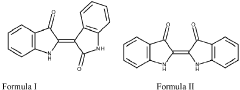
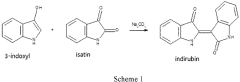
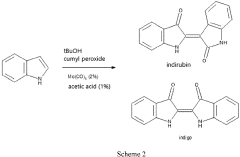
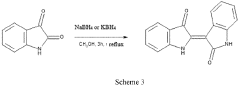
- A sustainable synthesis process using Deep Eutectic Solvents (DESs) like ChCl/urea mixtures as non-toxic, recyclable solvents for condensing isatin with a reducing agent like sodium borohydride, allowing for high-yield, regio- and stereo-selective production of bisindole alkaloids without additional organic solvents.
Process for purifying a gaseous effluent
PatentWO2018091379A1
Innovation
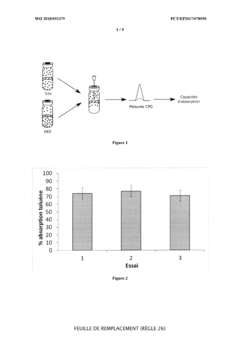
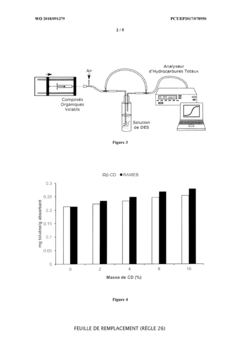
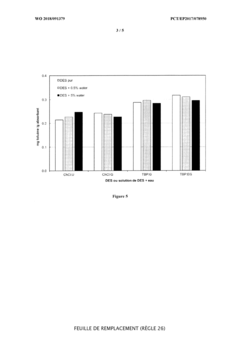
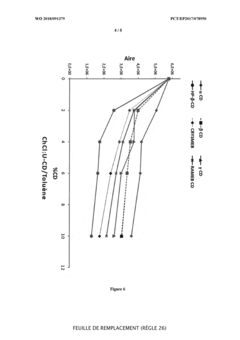
- The use of deep eutectic solvents (DESs), composed of specific hydrogen bond acceptor and donor compounds, which are non-toxic, biodegradable, and chemically inert, effectively absorb VOCs from gaseous effluents, offering a cost-effective and environmentally friendly solution.
Regulatory Framework for Green Solvents
The regulatory landscape governing green solvents, including Deep Eutectic Solvents (DES), has evolved significantly in response to growing environmental concerns and sustainability initiatives. The European Union's REACH (Registration, Evaluation, Authorization and Restriction of Chemicals) regulation serves as a cornerstone for chemical management, requiring comprehensive safety assessments and registration of substances manufactured or imported in quantities exceeding one ton annually. DES developers must navigate these requirements, though certain advantages exist as many DES components are already REACH-registered individually.
The EU's Industrial Emissions Directive (IED) further impacts solvent usage by establishing emission limit values and mandating best available techniques for industrial processes. This regulatory framework incentivizes the adoption of greener alternatives like DES, which typically demonstrate lower volatility and reduced emissions compared to conventional organic solvents.
In the United States, the Toxic Substances Control Act (TSCA), particularly following its 2016 amendment, has strengthened the Environmental Protection Agency's authority to evaluate and regulate chemical substances. The EPA's Safer Choice program and Green Chemistry initiatives provide frameworks that potentially favor DES adoption due to their generally improved environmental profiles.
International frameworks such as the Strategic Approach to International Chemicals Management (SAICM) and the Globally Harmonized System of Classification and Labelling of Chemicals (GHS) establish consistent standards for chemical hazard communication and management across borders. These frameworks increasingly emphasize life-cycle approaches to chemical management, aligning with the comprehensive assessment needs of DES.
Waste management regulations, including the EU Waste Framework Directive and the Basel Convention, govern the disposal and transboundary movement of chemical waste. The biodegradability characteristics of many DES formulations potentially simplify compliance with these regulations, though comprehensive data remains necessary for proper classification.
Emerging regulatory trends indicate a shift toward circular economy principles, with the EU Circular Economy Action Plan and similar initiatives worldwide promoting resource efficiency and waste minimization. This trend favors solvents like DES that can be designed for recyclability and derived from renewable feedstocks.
Industry-specific regulations in pharmaceuticals (ICH Q3C guidelines), food processing (FDA and EFSA regulations), and cosmetics (EU Cosmetics Regulation) establish solvent purity requirements and residual limits. DES developers targeting these sectors must demonstrate compliance with these specialized frameworks, necessitating targeted toxicological and residue studies beyond general chemical regulations.
The EU's Industrial Emissions Directive (IED) further impacts solvent usage by establishing emission limit values and mandating best available techniques for industrial processes. This regulatory framework incentivizes the adoption of greener alternatives like DES, which typically demonstrate lower volatility and reduced emissions compared to conventional organic solvents.
In the United States, the Toxic Substances Control Act (TSCA), particularly following its 2016 amendment, has strengthened the Environmental Protection Agency's authority to evaluate and regulate chemical substances. The EPA's Safer Choice program and Green Chemistry initiatives provide frameworks that potentially favor DES adoption due to their generally improved environmental profiles.
International frameworks such as the Strategic Approach to International Chemicals Management (SAICM) and the Globally Harmonized System of Classification and Labelling of Chemicals (GHS) establish consistent standards for chemical hazard communication and management across borders. These frameworks increasingly emphasize life-cycle approaches to chemical management, aligning with the comprehensive assessment needs of DES.
Waste management regulations, including the EU Waste Framework Directive and the Basel Convention, govern the disposal and transboundary movement of chemical waste. The biodegradability characteristics of many DES formulations potentially simplify compliance with these regulations, though comprehensive data remains necessary for proper classification.
Emerging regulatory trends indicate a shift toward circular economy principles, with the EU Circular Economy Action Plan and similar initiatives worldwide promoting resource efficiency and waste minimization. This trend favors solvents like DES that can be designed for recyclability and derived from renewable feedstocks.
Industry-specific regulations in pharmaceuticals (ICH Q3C guidelines), food processing (FDA and EFSA regulations), and cosmetics (EU Cosmetics Regulation) establish solvent purity requirements and residual limits. DES developers targeting these sectors must demonstrate compliance with these specialized frameworks, necessitating targeted toxicological and residue studies beyond general chemical regulations.
Life-Cycle Assessment Methodologies
Life-Cycle Assessment (LCA) methodologies for Deep Eutectic Solvents (DES) require specialized approaches that account for their unique chemical properties and environmental interactions. The ISO 14040 and 14044 standards provide the fundamental framework for conducting these assessments, establishing a four-phase process: goal and scope definition, inventory analysis, impact assessment, and interpretation.
When applying LCA to DES systems, researchers typically employ either attributional LCA (ALCA) or consequential LCA (CLCA) approaches. ALCA focuses on environmental impacts directly attributable to the production, use, and disposal of DES, while CLCA examines broader systemic changes resulting from DES implementation in industrial processes. The choice between these methodologies significantly influences assessment outcomes and subsequent decision-making.
For DES-specific assessments, inventory analysis presents unique challenges due to the limited availability of comprehensive databases covering these novel solvents. Researchers often develop custom life cycle inventories (LCIs) that incorporate primary data from laboratory experiments and industrial applications, supplemented by theoretical models for scaling considerations.
Impact assessment methodologies for DES typically include multiple environmental impact categories such as global warming potential, acidification potential, eutrophication potential, and human toxicity. The USEtox model has emerged as particularly valuable for assessing the ecotoxicological impacts of DES, while the ReCiPe methodology offers a comprehensive approach for endpoint damage assessment.
Recent methodological innovations include the integration of green chemistry metrics into LCA frameworks for DES. These hybrid approaches incorporate parameters such as atom economy, reaction mass efficiency, and solvent intensity to provide a more holistic sustainability assessment that bridges traditional environmental impact categories with green chemistry principles.
Uncertainty analysis represents a critical component of DES life-cycle assessments. Monte Carlo simulation and sensitivity analysis are commonly employed to address data gaps and variability in DES production pathways, component sourcing, and end-of-life scenarios. These techniques help quantify confidence levels in assessment results and identify key parameters driving environmental impacts.
Emerging methodological trends include the development of streamlined LCA approaches specifically tailored for rapid screening of novel DES formulations during early research stages. These approaches prioritize key impact categories most relevant to DES applications while maintaining sufficient accuracy to guide formulation optimization toward more sustainable alternatives.
When applying LCA to DES systems, researchers typically employ either attributional LCA (ALCA) or consequential LCA (CLCA) approaches. ALCA focuses on environmental impacts directly attributable to the production, use, and disposal of DES, while CLCA examines broader systemic changes resulting from DES implementation in industrial processes. The choice between these methodologies significantly influences assessment outcomes and subsequent decision-making.
For DES-specific assessments, inventory analysis presents unique challenges due to the limited availability of comprehensive databases covering these novel solvents. Researchers often develop custom life cycle inventories (LCIs) that incorporate primary data from laboratory experiments and industrial applications, supplemented by theoretical models for scaling considerations.
Impact assessment methodologies for DES typically include multiple environmental impact categories such as global warming potential, acidification potential, eutrophication potential, and human toxicity. The USEtox model has emerged as particularly valuable for assessing the ecotoxicological impacts of DES, while the ReCiPe methodology offers a comprehensive approach for endpoint damage assessment.
Recent methodological innovations include the integration of green chemistry metrics into LCA frameworks for DES. These hybrid approaches incorporate parameters such as atom economy, reaction mass efficiency, and solvent intensity to provide a more holistic sustainability assessment that bridges traditional environmental impact categories with green chemistry principles.
Uncertainty analysis represents a critical component of DES life-cycle assessments. Monte Carlo simulation and sensitivity analysis are commonly employed to address data gaps and variability in DES production pathways, component sourcing, and end-of-life scenarios. These techniques help quantify confidence levels in assessment results and identify key parameters driving environmental impacts.
Emerging methodological trends include the development of streamlined LCA approaches specifically tailored for rapid screening of novel DES formulations during early research stages. These approaches prioritize key impact categories most relevant to DES applications while maintaining sufficient accuracy to guide formulation optimization toward more sustainable alternatives.
Unlock deeper insights with Patsnap Eureka Quick Research — get a full tech report to explore trends and direct your research. Try now!
Generate Your Research Report Instantly with AI Agent
Supercharge your innovation with Patsnap Eureka AI Agent Platform!