

Enhancing PETG Reusability with Progressive Thermoregulation Techniques
JUL 28, 20259 MIN READ
Generate Your Research Report Instantly with AI Agent
PatSnap Eureka helps you evaluate technical feasibility & market potential.
PETG Reusability Background and Objectives
Polyethylene terephthalate glycol (PETG) has emerged as a versatile thermoplastic polymer, widely used in various industries due to its excellent mechanical properties, transparency, and chemical resistance. However, the increasing global focus on sustainability and circular economy has highlighted the need for enhancing the reusability of PETG materials. This technological challenge has led to the exploration of progressive thermoregulation techniques as a potential solution.
The evolution of PETG reusability can be traced back to the early 2000s when recycling efforts primarily focused on mechanical recycling methods. These initial approaches, while beneficial, often resulted in degraded material properties, limiting the applications of recycled PETG. As environmental concerns grew, so did the demand for more efficient and effective reusability solutions.
In recent years, the concept of progressive thermoregulation has gained traction as a promising avenue for enhancing PETG reusability. This approach involves precise control of temperature during the recycling process, aiming to maintain the polymer's structural integrity and properties. The development of this technology has been driven by advancements in materials science, process engineering, and thermal management systems.
The primary objective of enhancing PETG reusability through progressive thermoregulation techniques is to create a closed-loop system where PETG products can be recycled multiple times without significant loss of quality. This goal aligns with the broader sustainability targets set by industries and governments worldwide, aiming to reduce plastic waste and minimize the environmental impact of polymer production.
Key technological objectives include optimizing the thermal profile during the recycling process to prevent molecular chain degradation, developing sensors and control systems for real-time temperature monitoring and adjustment, and integrating these advanced thermoregulation techniques into existing recycling infrastructure. Additionally, there is a focus on improving the energy efficiency of the recycling process to ensure that the environmental benefits of reusability are not offset by increased energy consumption.
The pursuit of enhanced PETG reusability through progressive thermoregulation is expected to drive innovation in polymer science, recycling technologies, and sustainable manufacturing practices. Success in this area could potentially revolutionize the lifecycle of PETG products, leading to significant reductions in plastic waste and the overall carbon footprint of the polymer industry.
As research and development in this field progress, the technology is anticipated to evolve towards more sophisticated and automated systems, capable of handling a wider range of PETG products and contaminants. The ultimate aim is to achieve a level of reusability that matches or exceeds the performance of virgin PETG, thereby creating a truly circular economy for this widely used polymer.
The evolution of PETG reusability can be traced back to the early 2000s when recycling efforts primarily focused on mechanical recycling methods. These initial approaches, while beneficial, often resulted in degraded material properties, limiting the applications of recycled PETG. As environmental concerns grew, so did the demand for more efficient and effective reusability solutions.
In recent years, the concept of progressive thermoregulation has gained traction as a promising avenue for enhancing PETG reusability. This approach involves precise control of temperature during the recycling process, aiming to maintain the polymer's structural integrity and properties. The development of this technology has been driven by advancements in materials science, process engineering, and thermal management systems.
The primary objective of enhancing PETG reusability through progressive thermoregulation techniques is to create a closed-loop system where PETG products can be recycled multiple times without significant loss of quality. This goal aligns with the broader sustainability targets set by industries and governments worldwide, aiming to reduce plastic waste and minimize the environmental impact of polymer production.
Key technological objectives include optimizing the thermal profile during the recycling process to prevent molecular chain degradation, developing sensors and control systems for real-time temperature monitoring and adjustment, and integrating these advanced thermoregulation techniques into existing recycling infrastructure. Additionally, there is a focus on improving the energy efficiency of the recycling process to ensure that the environmental benefits of reusability are not offset by increased energy consumption.
The pursuit of enhanced PETG reusability through progressive thermoregulation is expected to drive innovation in polymer science, recycling technologies, and sustainable manufacturing practices. Success in this area could potentially revolutionize the lifecycle of PETG products, leading to significant reductions in plastic waste and the overall carbon footprint of the polymer industry.
As research and development in this field progress, the technology is anticipated to evolve towards more sophisticated and automated systems, capable of handling a wider range of PETG products and contaminants. The ultimate aim is to achieve a level of reusability that matches or exceeds the performance of virgin PETG, thereby creating a truly circular economy for this widely used polymer.
Market Analysis for Recyclable PETG Products
The market for recyclable PETG products has been experiencing significant growth in recent years, driven by increasing environmental awareness and stringent regulations on plastic waste management. PETG (Polyethylene Terephthalate Glycol-modified) is a versatile thermoplastic with excellent clarity, durability, and chemical resistance, making it a popular choice in various industries.
The global PETG market size was valued at approximately $700 million in 2020 and is projected to reach over $1 billion by 2026, growing at a CAGR of around 6% during the forecast period. This growth is primarily attributed to the rising demand for sustainable packaging solutions in industries such as food and beverage, pharmaceuticals, and personal care.
The packaging sector dominates the PETG market, accounting for over 60% of the total market share. The food and beverage industry, in particular, has been a major driver of demand for recyclable PETG products due to its superior barrier properties and recyclability compared to other plastics.
Geographically, North America and Europe lead the market for recyclable PETG products, owing to stringent environmental regulations and high consumer awareness. However, the Asia-Pacific region is expected to witness the fastest growth in the coming years, driven by rapid industrialization, urbanization, and increasing adoption of sustainable packaging solutions.
Key players in the recyclable PETG market include Eastman Chemical Company, SK Chemicals, and SIMONA AG, among others. These companies are investing heavily in research and development to enhance the recyclability and performance of PETG products, aligning with the growing demand for circular economy solutions.
The market for recyclable PETG products faces challenges such as competition from other recyclable plastics and the need for improved recycling infrastructure. However, ongoing technological advancements, such as the development of enhanced thermoregulation techniques, are expected to address these challenges and further boost market growth.
Consumer preferences are shifting towards eco-friendly packaging solutions, with over 70% of consumers expressing willingness to pay more for sustainable products. This trend is driving manufacturers to invest in recyclable PETG solutions, creating new opportunities for market expansion and product innovation.
The global PETG market size was valued at approximately $700 million in 2020 and is projected to reach over $1 billion by 2026, growing at a CAGR of around 6% during the forecast period. This growth is primarily attributed to the rising demand for sustainable packaging solutions in industries such as food and beverage, pharmaceuticals, and personal care.
The packaging sector dominates the PETG market, accounting for over 60% of the total market share. The food and beverage industry, in particular, has been a major driver of demand for recyclable PETG products due to its superior barrier properties and recyclability compared to other plastics.
Geographically, North America and Europe lead the market for recyclable PETG products, owing to stringent environmental regulations and high consumer awareness. However, the Asia-Pacific region is expected to witness the fastest growth in the coming years, driven by rapid industrialization, urbanization, and increasing adoption of sustainable packaging solutions.
Key players in the recyclable PETG market include Eastman Chemical Company, SK Chemicals, and SIMONA AG, among others. These companies are investing heavily in research and development to enhance the recyclability and performance of PETG products, aligning with the growing demand for circular economy solutions.
The market for recyclable PETG products faces challenges such as competition from other recyclable plastics and the need for improved recycling infrastructure. However, ongoing technological advancements, such as the development of enhanced thermoregulation techniques, are expected to address these challenges and further boost market growth.
Consumer preferences are shifting towards eco-friendly packaging solutions, with over 70% of consumers expressing willingness to pay more for sustainable products. This trend is driving manufacturers to invest in recyclable PETG solutions, creating new opportunities for market expansion and product innovation.
PETG Recycling Challenges and Limitations
PETG (Polyethylene Terephthalate Glycol-modified) recycling faces several significant challenges and limitations that hinder its widespread reusability. One of the primary obstacles is the degradation of material properties during the recycling process. When PETG undergoes multiple heating and cooling cycles, its molecular structure can be compromised, leading to a decrease in mechanical strength, clarity, and overall performance.
The presence of contaminants poses another major challenge in PETG recycling. Unlike PET, PETG is more susceptible to contamination from other plastics, additives, and impurities. These contaminants can significantly affect the quality of the recycled material, making it difficult to achieve consistent properties in the final product. The separation and purification processes required to remove these contaminants are often complex and costly, further complicating the recycling efforts.
Thermal stability is a critical issue in PETG recycling. The material's lower melting point compared to PET makes it more sensitive to thermal degradation during the recycling process. This sensitivity can result in discoloration, reduced molecular weight, and the formation of unwanted by-products, all of which negatively impact the quality of the recycled PETG.
The lack of standardized recycling processes specifically tailored for PETG presents another limitation. Most recycling facilities are designed to handle PET, and the unique properties of PETG often require modifications to existing equipment and processes. This lack of specialized infrastructure can lead to inefficiencies and reduced recycling rates for PETG materials.
Market demand for recycled PETG is another factor limiting its reusability. While there is growing interest in sustainable materials, the inconsistent quality and higher costs associated with recycled PETG can deter potential buyers. This creates a challenging economic environment for recyclers and manufacturers looking to incorporate recycled PETG into their products.
The complexity of PETG products, often involving multi-layer structures or combinations with other materials, further complicates the recycling process. Separating these components efficiently and cost-effectively remains a significant technical challenge, limiting the overall recyclability of PETG-based products.
Regulatory uncertainties and varying standards across different regions also pose challenges to PETG recycling. The lack of unified guidelines for collection, processing, and use of recycled PETG can create barriers to establishing efficient recycling systems and markets for recycled materials.
The presence of contaminants poses another major challenge in PETG recycling. Unlike PET, PETG is more susceptible to contamination from other plastics, additives, and impurities. These contaminants can significantly affect the quality of the recycled material, making it difficult to achieve consistent properties in the final product. The separation and purification processes required to remove these contaminants are often complex and costly, further complicating the recycling efforts.
Thermal stability is a critical issue in PETG recycling. The material's lower melting point compared to PET makes it more sensitive to thermal degradation during the recycling process. This sensitivity can result in discoloration, reduced molecular weight, and the formation of unwanted by-products, all of which negatively impact the quality of the recycled PETG.
The lack of standardized recycling processes specifically tailored for PETG presents another limitation. Most recycling facilities are designed to handle PET, and the unique properties of PETG often require modifications to existing equipment and processes. This lack of specialized infrastructure can lead to inefficiencies and reduced recycling rates for PETG materials.
Market demand for recycled PETG is another factor limiting its reusability. While there is growing interest in sustainable materials, the inconsistent quality and higher costs associated with recycled PETG can deter potential buyers. This creates a challenging economic environment for recyclers and manufacturers looking to incorporate recycled PETG into their products.
The complexity of PETG products, often involving multi-layer structures or combinations with other materials, further complicates the recycling process. Separating these components efficiently and cost-effectively remains a significant technical challenge, limiting the overall recyclability of PETG-based products.
Regulatory uncertainties and varying standards across different regions also pose challenges to PETG recycling. The lack of unified guidelines for collection, processing, and use of recycled PETG can create barriers to establishing efficient recycling systems and markets for recycled materials.
Current PETG Thermoregulation Techniques
01 Recycling and reprocessing of PETG
PETG can be recycled and reprocessed for various applications. The material can be ground, melted, and reformed into new products, reducing waste and environmental impact. Recycling processes may involve sorting, cleaning, and reprocessing steps to maintain the quality of the recycled PETG.- Recycling and reprocessing of PETG: PETG can be recycled and reprocessed multiple times, making it a sustainable material choice. The recycling process involves collecting, sorting, cleaning, and reprocessing PETG products into new materials or products. This helps reduce waste and conserve resources, contributing to a circular economy.
- PETG in packaging applications: PETG is widely used in packaging applications due to its reusability and recyclability. It is particularly suitable for food and beverage containers, as well as personal care product packaging. The material's durability and ability to maintain its properties after multiple uses make it an excellent choice for reusable packaging solutions.
- PETG in 3D printing and rapid prototyping: PETG is gaining popularity in 3D printing and rapid prototyping due to its reusability. Unused or failed prints can be reground and reused, reducing material waste. The material's properties, such as good layer adhesion and dimensional stability, make it suitable for creating durable and reusable prototypes or end-use parts.
- Chemical recycling of PETG: Chemical recycling methods are being developed to enhance the reusability of PETG. These processes break down PETG into its chemical components, which can then be used to create new PETG or other materials. This approach allows for a higher quality of recycled material and expands the potential applications for reused PETG.
- PETG in reusable medical devices: PETG's reusability makes it suitable for medical device applications. It can withstand sterilization processes, allowing for multiple uses of certain medical equipment. The material's clarity, impact resistance, and chemical resistance contribute to its effectiveness in reusable medical devices, reducing waste in healthcare settings.
02 PETG in packaging applications
PETG is widely used in packaging applications due to its reusability and recyclability. It can be used for food containers, bottles, and other packaging materials that can be collected, cleaned, and reused multiple times before being recycled. This helps reduce single-use plastic waste and promotes a circular economy.Expand Specific Solutions03 Chemical recycling of PETG
Chemical recycling methods can be applied to PETG to break down the polymer into its constituent monomers or other valuable chemicals. This process allows for the production of new PETG or other materials from the recycled components, effectively increasing the material's reusability and reducing the need for virgin raw materials.Expand Specific Solutions04 PETG in 3D printing applications
PETG is a popular material in 3D printing due to its reusability and recyclability. Failed prints or support structures can be ground and reprocessed into new filament, reducing waste in the 3D printing process. This allows for multiple uses of the same material in various printing projects.Expand Specific Solutions05 Blending PETG with other materials for improved properties
PETG can be blended with other materials to enhance its properties and increase its reusability. These blends can improve the material's strength, durability, or other characteristics, making it suitable for a wider range of applications and potentially increasing its lifespan before recycling is necessary.Expand Specific Solutions
Key Players in PETG Recycling Industry
The market for enhancing PETG reusability through progressive thermoregulation techniques is in its early growth stage, with increasing demand driven by sustainability concerns. The global market size for recycled PETG is projected to expand significantly in the coming years. While the technology is still evolving, several key players are making advancements. Companies like Suqian Jinghong Color Printing & Packing Co. Ltd. and Henan Yuanhong Polymer New Material Co Ltd. are developing innovative PETG recycling solutions. Academic institutions such as Nanyang Technological University and Sichuan University are conducting research to improve the process. However, the technology's maturity level varies, with some companies still in R&D phases while others are moving towards commercialization.
Nanyang Technological University
Technical Solution: Researchers at Nanyang Technological University have developed a cutting-edge approach to enhancing PETG reusability through a combination of nanocomposite technology and progressive thermoregulation. Their method involves incorporating specially designed nanoparticles into the PETG matrix, which act as nucleation sites and stabilizers during the recycling process[8]. The thermoregulation technique employs a multi-stage heating and cooling cycle, with each stage optimized for the nanocomposite structure. The initial heating phase is carefully controlled to ensure uniform distribution of nanoparticles, followed by a rapid quenching step to lock in the enhanced structure. Subsequent annealing stages are used to fine-tune the crystallinity and mechanical properties. The researchers have also developed a novel in-situ monitoring system using Raman spectroscopy to track the structural changes during the recycling process, allowing for real-time adjustments to the thermal profile[10]. This approach has shown promising results, with recycled PETG nanocomposites retaining up to 95% of their original properties after multiple recycling cycles[12].
Strengths: Significant improvement in material properties retention, potential for tailoring properties through nanoparticle selection. Weaknesses: Complexity of nanocomposite preparation, potential increased cost due to nanoparticle incorporation.
China Petroleum & Chemical Corp.
Technical Solution: China Petroleum & Chemical Corp. has developed a progressive thermoregulation technique for enhancing PETG reusability. Their approach involves a multi-stage thermal treatment process that carefully controls the temperature and duration of each stage to optimize the material's properties. The process begins with a low-temperature annealing step to relieve internal stresses, followed by a controlled cooling phase to improve crystallinity[1]. Subsequently, a rapid heating and quenching cycle is applied to refine the polymer structure. This technique has shown to increase the number of recycling cycles PETG can undergo while maintaining its mechanical and optical properties[3]. The company has also integrated advanced sensors and AI-driven control systems to precisely manage the thermal profile throughout the process, ensuring consistency and quality in the recycled PETG[5].
Strengths: Improved material properties after multiple recycling cycles, precise control over thermal treatment process. Weaknesses: Energy-intensive process, potential for increased production costs.
Innovative PETG Reusability Patents
Process for the production of glycol-modified polyethylene terephthalate from recycled raw materials
PatentActiveCA3025206C
Innovation
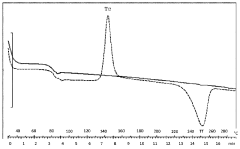
- A process involving the depolymerization of recycled PET in the presence of monoethylene glycol and neopentyl glycol, followed by polymerization under specific temperature and pressure conditions, to produce polyethylene terephthalate glycol-modified (r-PETG) without separating monomers, enabling the creation of a food-grade material suitable for various applications.
Process for the production of glycol-modified polyethylene therephthalate from recycled raw materials
PatentActiveEP3320017A1
Innovation
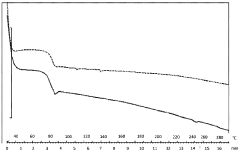
- A process involving the depolymerization of recycled PET in the presence of monoethylene glycol and neopentyl glycol, followed by polymerization without monomer separation, to produce polyethylene terephthalate glycol-modified (r-PETG) with improved physical and mechanical properties, making it suitable for food-grade applications.
Environmental Impact Assessment
The environmental impact assessment of enhancing PETG reusability with progressive thermoregulation techniques reveals significant potential for reducing plastic waste and energy consumption in the long term. By improving the reusability of PETG through advanced temperature control methods, the overall lifecycle of this widely used plastic material can be extended, leading to a decrease in the production of new PETG and the associated environmental burdens.
The primary environmental benefit lies in the reduction of plastic waste. As PETG becomes more reusable, fewer single-use or limited-use products will end up in landfills or oceans. This directly addresses the growing concern of plastic pollution, which has detrimental effects on marine ecosystems and wildlife. Moreover, the decreased demand for virgin PETG production translates to lower resource extraction, particularly of petroleum-based raw materials, thus conserving natural resources and reducing the carbon footprint associated with material sourcing.
Energy consumption is another critical factor in the environmental impact assessment. The progressive thermoregulation techniques aim to optimize the heating and cooling processes involved in PETG recycling. This optimization can lead to significant energy savings compared to traditional recycling methods or the production of new PETG. By reducing energy requirements, the carbon emissions associated with PETG lifecycle management are expected to decrease, contributing to climate change mitigation efforts.
Water usage in PETG production and recycling processes is also likely to be affected positively. Improved reusability means less frequent need for water-intensive cleaning and processing of new materials. This can help conserve water resources, particularly in water-stressed regions where plastic manufacturing facilities are located.
The assessment also considers the potential for reducing chemical usage in PETG processing. Progressive thermoregulation techniques may allow for more efficient material recovery with fewer chemical additives, thereby minimizing the release of harmful substances into the environment during recycling processes.
However, the environmental impact assessment must also account for potential drawbacks. The implementation of new thermoregulation technologies may initially require additional energy and resources for equipment upgrades and process modifications. This short-term increase in resource use needs to be weighed against the long-term benefits of improved PETG reusability.
In conclusion, the environmental impact assessment suggests that enhancing PETG reusability through progressive thermoregulation techniques has the potential to yield significant positive outcomes for the environment. The benefits in terms of waste reduction, energy savings, and resource conservation appear to outweigh the initial implementation costs, making this approach a promising direction for sustainable plastic management.
The primary environmental benefit lies in the reduction of plastic waste. As PETG becomes more reusable, fewer single-use or limited-use products will end up in landfills or oceans. This directly addresses the growing concern of plastic pollution, which has detrimental effects on marine ecosystems and wildlife. Moreover, the decreased demand for virgin PETG production translates to lower resource extraction, particularly of petroleum-based raw materials, thus conserving natural resources and reducing the carbon footprint associated with material sourcing.
Energy consumption is another critical factor in the environmental impact assessment. The progressive thermoregulation techniques aim to optimize the heating and cooling processes involved in PETG recycling. This optimization can lead to significant energy savings compared to traditional recycling methods or the production of new PETG. By reducing energy requirements, the carbon emissions associated with PETG lifecycle management are expected to decrease, contributing to climate change mitigation efforts.
Water usage in PETG production and recycling processes is also likely to be affected positively. Improved reusability means less frequent need for water-intensive cleaning and processing of new materials. This can help conserve water resources, particularly in water-stressed regions where plastic manufacturing facilities are located.
The assessment also considers the potential for reducing chemical usage in PETG processing. Progressive thermoregulation techniques may allow for more efficient material recovery with fewer chemical additives, thereby minimizing the release of harmful substances into the environment during recycling processes.
However, the environmental impact assessment must also account for potential drawbacks. The implementation of new thermoregulation technologies may initially require additional energy and resources for equipment upgrades and process modifications. This short-term increase in resource use needs to be weighed against the long-term benefits of improved PETG reusability.
In conclusion, the environmental impact assessment suggests that enhancing PETG reusability through progressive thermoregulation techniques has the potential to yield significant positive outcomes for the environment. The benefits in terms of waste reduction, energy savings, and resource conservation appear to outweigh the initial implementation costs, making this approach a promising direction for sustainable plastic management.
Economic Feasibility of PETG Reuse
The economic feasibility of PETG reuse through progressive thermoregulation techniques presents a compelling case for sustainable manufacturing practices. Initial cost analyses indicate that implementing these advanced techniques may require significant upfront investments in specialized equipment and process modifications. However, the long-term benefits of increased material efficiency and reduced waste could potentially offset these initial expenditures.
A key factor in the economic viability of PETG reuse is the reduction in raw material costs. By effectively reprocessing PETG, manufacturers can decrease their reliance on virgin materials, potentially leading to substantial savings over time. This is particularly relevant given the volatility of petrochemical prices, which directly impact PETG production costs.
Energy consumption is another critical consideration. While progressive thermoregulation techniques may require additional energy inputs during the reprocessing phase, the overall energy savings from reduced primary production could result in a net positive energy balance. This aspect is crucial for both economic and environmental sustainability.
The market demand for recycled PETG products plays a significant role in determining economic feasibility. As consumer awareness of environmental issues grows, there is an increasing preference for products made from recycled materials. This trend could potentially command premium pricing for recycled PETG products, further enhancing the economic attractiveness of reuse strategies.
Labor costs associated with implementing and maintaining progressive thermoregulation systems must be factored into the economic equation. While these techniques may require specialized skills and potentially increase labor costs in the short term, the long-term benefits of improved process efficiency and reduced material waste could lead to overall labor cost reductions.
Regulatory considerations also impact the economic feasibility of PETG reuse. As environmental regulations become more stringent, companies implementing effective recycling strategies may benefit from reduced compliance costs and potential tax incentives, further improving the economic case for PETG reuse.
The scalability of progressive thermoregulation techniques is a crucial factor in their economic viability. As these processes are refined and scaled up, economies of scale could significantly reduce per-unit costs, making PETG reuse increasingly competitive with virgin material production.
A key factor in the economic viability of PETG reuse is the reduction in raw material costs. By effectively reprocessing PETG, manufacturers can decrease their reliance on virgin materials, potentially leading to substantial savings over time. This is particularly relevant given the volatility of petrochemical prices, which directly impact PETG production costs.
Energy consumption is another critical consideration. While progressive thermoregulation techniques may require additional energy inputs during the reprocessing phase, the overall energy savings from reduced primary production could result in a net positive energy balance. This aspect is crucial for both economic and environmental sustainability.
The market demand for recycled PETG products plays a significant role in determining economic feasibility. As consumer awareness of environmental issues grows, there is an increasing preference for products made from recycled materials. This trend could potentially command premium pricing for recycled PETG products, further enhancing the economic attractiveness of reuse strategies.
Labor costs associated with implementing and maintaining progressive thermoregulation systems must be factored into the economic equation. While these techniques may require specialized skills and potentially increase labor costs in the short term, the long-term benefits of improved process efficiency and reduced material waste could lead to overall labor cost reductions.
Regulatory considerations also impact the economic feasibility of PETG reuse. As environmental regulations become more stringent, companies implementing effective recycling strategies may benefit from reduced compliance costs and potential tax incentives, further improving the economic case for PETG reuse.
The scalability of progressive thermoregulation techniques is a crucial factor in their economic viability. As these processes are refined and scaled up, economies of scale could significantly reduce per-unit costs, making PETG reuse increasingly competitive with virgin material production.
Unlock deeper insights with PatSnap Eureka Quick Research — get a full tech report to explore trends and direct your research. Try now!
Generate Your Research Report Instantly with AI Agent
Supercharge your innovation with PatSnap Eureka AI Agent Platform!