

High-Throughput Experimentation in Supercapacitor Material Development
SEP 25, 20259 MIN READ
Generate Your Research Report Instantly with AI Agent
PatSnap Eureka helps you evaluate technical feasibility & market potential.
Supercapacitor HTE Background and Objectives
Supercapacitors have emerged as critical energy storage devices over the past three decades, offering high power density, rapid charge-discharge capabilities, and exceptional cycle life compared to conventional batteries. The evolution of supercapacitor technology has progressed from basic carbon-based electrodes to advanced composite materials incorporating pseudocapacitive components, marking significant milestones in energy storage innovation. This technological progression has been largely driven by incremental improvements through traditional experimental approaches, which are increasingly recognized as insufficient for meeting accelerating market demands.
High-Throughput Experimentation (HTE) represents a paradigm shift in materials research methodology, enabling the rapid synthesis, characterization, and performance evaluation of multiple material candidates simultaneously. While HTE has revolutionized fields such as pharmaceuticals and catalysis, its application to supercapacitor material development remains relatively nascent but holds tremendous promise for accelerating innovation in this domain.
The primary objective of implementing HTE in supercapacitor research is to dramatically compress the development timeline for next-generation electrode materials, electrolytes, and device architectures. Traditional approaches typically require 3-5 years to move from material concept to commercial validation, whereas HTE methodologies aim to reduce this to 12-18 months by enabling parallel evaluation of hundreds to thousands of material combinations.
Specifically, HTE for supercapacitors targets the systematic exploration of compositional and structural parameter spaces that influence critical performance metrics including specific capacitance, energy density, power density, and cycle stability. This approach enables researchers to rapidly identify promising material candidates and optimize formulations through data-driven insights rather than intuition-based experimentation.
The technological trajectory of supercapacitor development has been constrained by the inherent trade-off between energy density and power density. Current state-of-the-art devices achieve energy densities of 5-10 Wh/kg, significantly below lithium-ion batteries (100-265 Wh/kg). HTE aims to overcome this limitation by facilitating the discovery of novel electrode materials and electrolyte compositions that can potentially bridge this performance gap while maintaining the characteristic advantages of supercapacitors.
Furthermore, HTE methodologies seek to address sustainability challenges in supercapacitor development by enabling the systematic evaluation of earth-abundant materials and environmentally benign synthesis routes, aligning with global initiatives for greener energy technologies. The integration of artificial intelligence and machine learning algorithms with HTE platforms represents a key objective, potentially enabling predictive capabilities that further accelerate materials discovery beyond what is possible with high-throughput approaches alone.
High-Throughput Experimentation (HTE) represents a paradigm shift in materials research methodology, enabling the rapid synthesis, characterization, and performance evaluation of multiple material candidates simultaneously. While HTE has revolutionized fields such as pharmaceuticals and catalysis, its application to supercapacitor material development remains relatively nascent but holds tremendous promise for accelerating innovation in this domain.
The primary objective of implementing HTE in supercapacitor research is to dramatically compress the development timeline for next-generation electrode materials, electrolytes, and device architectures. Traditional approaches typically require 3-5 years to move from material concept to commercial validation, whereas HTE methodologies aim to reduce this to 12-18 months by enabling parallel evaluation of hundreds to thousands of material combinations.
Specifically, HTE for supercapacitors targets the systematic exploration of compositional and structural parameter spaces that influence critical performance metrics including specific capacitance, energy density, power density, and cycle stability. This approach enables researchers to rapidly identify promising material candidates and optimize formulations through data-driven insights rather than intuition-based experimentation.
The technological trajectory of supercapacitor development has been constrained by the inherent trade-off between energy density and power density. Current state-of-the-art devices achieve energy densities of 5-10 Wh/kg, significantly below lithium-ion batteries (100-265 Wh/kg). HTE aims to overcome this limitation by facilitating the discovery of novel electrode materials and electrolyte compositions that can potentially bridge this performance gap while maintaining the characteristic advantages of supercapacitors.
Furthermore, HTE methodologies seek to address sustainability challenges in supercapacitor development by enabling the systematic evaluation of earth-abundant materials and environmentally benign synthesis routes, aligning with global initiatives for greener energy technologies. The integration of artificial intelligence and machine learning algorithms with HTE platforms represents a key objective, potentially enabling predictive capabilities that further accelerate materials discovery beyond what is possible with high-throughput approaches alone.
Market Analysis for Advanced Energy Storage Materials
The global market for advanced energy storage materials is experiencing unprecedented growth, driven by the increasing demand for clean energy solutions and the rapid development of electric vehicles. The supercapacitor market specifically is projected to reach $16.95 billion by 2027, growing at a CAGR of 23.3% from 2020 to 2027. This remarkable growth trajectory is primarily fueled by the superior characteristics of supercapacitors compared to traditional batteries, including faster charging capabilities, longer cycle life, and higher power density.
The automotive sector represents the largest market segment for supercapacitors, accounting for approximately 32% of the total market share. This dominance is attributed to the growing adoption of electric and hybrid vehicles, where supercapacitors serve as complementary energy storage solutions to batteries, enhancing performance during acceleration and regenerative braking. The consumer electronics sector follows closely, representing about 28% of the market, with applications in smartphones, laptops, and wearable devices.
Geographically, Asia-Pacific leads the market with a 45% share, driven by robust manufacturing capabilities in China, Japan, and South Korea. North America and Europe follow with 30% and 20% market shares respectively, with significant investments in research and development of advanced energy storage technologies. The remaining 5% is distributed across other regions, with emerging economies showing increasing interest in supercapacitor technologies.
Material innovation represents a critical factor in the supercapacitor market's growth. Carbon-based materials, particularly activated carbon, currently dominate with approximately 65% market share due to their cost-effectiveness and established manufacturing processes. However, graphene-based materials are gaining traction, expected to grow at a CAGR of 35% through 2027, driven by their superior electrical conductivity and surface area properties.
The market is witnessing a shift towards hybrid supercapacitors that combine the high energy density of batteries with the high power density of supercapacitors. This segment is expected to grow at a CAGR of 28% through 2027, outpacing traditional supercapacitors. Additionally, there is increasing demand for environmentally friendly and sustainable materials, with bio-derived carbon materials projected to grow at a CAGR of 30% during the forecast period.
Key market challenges include high production costs, limited energy density compared to lithium-ion batteries, and technical barriers in scaling up novel material production. However, these challenges present significant opportunities for high-throughput experimentation approaches in material development, potentially accelerating innovation cycles and reducing time-to-market for advanced supercapacitor materials.
The automotive sector represents the largest market segment for supercapacitors, accounting for approximately 32% of the total market share. This dominance is attributed to the growing adoption of electric and hybrid vehicles, where supercapacitors serve as complementary energy storage solutions to batteries, enhancing performance during acceleration and regenerative braking. The consumer electronics sector follows closely, representing about 28% of the market, with applications in smartphones, laptops, and wearable devices.
Geographically, Asia-Pacific leads the market with a 45% share, driven by robust manufacturing capabilities in China, Japan, and South Korea. North America and Europe follow with 30% and 20% market shares respectively, with significant investments in research and development of advanced energy storage technologies. The remaining 5% is distributed across other regions, with emerging economies showing increasing interest in supercapacitor technologies.
Material innovation represents a critical factor in the supercapacitor market's growth. Carbon-based materials, particularly activated carbon, currently dominate with approximately 65% market share due to their cost-effectiveness and established manufacturing processes. However, graphene-based materials are gaining traction, expected to grow at a CAGR of 35% through 2027, driven by their superior electrical conductivity and surface area properties.
The market is witnessing a shift towards hybrid supercapacitors that combine the high energy density of batteries with the high power density of supercapacitors. This segment is expected to grow at a CAGR of 28% through 2027, outpacing traditional supercapacitors. Additionally, there is increasing demand for environmentally friendly and sustainable materials, with bio-derived carbon materials projected to grow at a CAGR of 30% during the forecast period.
Key market challenges include high production costs, limited energy density compared to lithium-ion batteries, and technical barriers in scaling up novel material production. However, these challenges present significant opportunities for high-throughput experimentation approaches in material development, potentially accelerating innovation cycles and reducing time-to-market for advanced supercapacitor materials.
Current Challenges in Supercapacitor Material Discovery
Despite significant advancements in supercapacitor technology, material discovery remains a challenging domain with several persistent obstacles. Traditional material development approaches rely heavily on time-consuming trial-and-error methods, creating a bottleneck in the innovation pipeline. The synthesis and characterization of novel electrode materials typically require weeks or months per candidate, severely limiting the exploration of the vast chemical space available for supercapacitor applications.
Scalability presents another major challenge, as laboratory-scale synthesis methods often fail to translate effectively to industrial production. Materials that show promising performance in small-scale testing frequently encounter degradation in properties when manufactured at larger scales, creating a significant gap between research outcomes and commercial viability.
Reproducibility issues plague the field, with many reported high-performance materials proving difficult to synthesize consistently across different laboratories. This variability stems from subtle differences in synthesis conditions, equipment calibration, and characterization methodologies, hampering scientific progress and technology transfer.
The multi-parameter optimization problem inherent in supercapacitor material development creates additional complexity. Researchers must simultaneously optimize for specific capacitance, rate capability, cycle life, energy density, power density, and cost-effectiveness—parameters that often present trade-offs rather than synergies.
Characterization bottlenecks further impede progress, as comprehensive material assessment requires multiple analytical techniques and long-term cycling tests. The lack of standardized testing protocols across the field makes direct comparison between different research outputs challenging and sometimes misleading.
Environmental and sustainability concerns add another layer of complexity. As regulations tighten globally, researchers must increasingly consider the environmental impact of materials and synthesis processes, eliminating promising candidates that rely on toxic precursors or energy-intensive production methods.
The knowledge gap between fundamental material properties and device performance remains substantial. Theoretical models often fail to accurately predict how nanoscale material characteristics will translate to macroscale device performance, creating uncertainty in the material selection process.
Limited computational tools for accurate prediction of supercapacitor material performance hinder rational design approaches. While computational methods have advanced significantly, they still struggle with the complex interfacial phenomena that govern supercapacitor operation, necessitating extensive experimental validation.
Scalability presents another major challenge, as laboratory-scale synthesis methods often fail to translate effectively to industrial production. Materials that show promising performance in small-scale testing frequently encounter degradation in properties when manufactured at larger scales, creating a significant gap between research outcomes and commercial viability.
Reproducibility issues plague the field, with many reported high-performance materials proving difficult to synthesize consistently across different laboratories. This variability stems from subtle differences in synthesis conditions, equipment calibration, and characterization methodologies, hampering scientific progress and technology transfer.
The multi-parameter optimization problem inherent in supercapacitor material development creates additional complexity. Researchers must simultaneously optimize for specific capacitance, rate capability, cycle life, energy density, power density, and cost-effectiveness—parameters that often present trade-offs rather than synergies.
Characterization bottlenecks further impede progress, as comprehensive material assessment requires multiple analytical techniques and long-term cycling tests. The lack of standardized testing protocols across the field makes direct comparison between different research outputs challenging and sometimes misleading.
Environmental and sustainability concerns add another layer of complexity. As regulations tighten globally, researchers must increasingly consider the environmental impact of materials and synthesis processes, eliminating promising candidates that rely on toxic precursors or energy-intensive production methods.
The knowledge gap between fundamental material properties and device performance remains substantial. Theoretical models often fail to accurately predict how nanoscale material characteristics will translate to macroscale device performance, creating uncertainty in the material selection process.
Limited computational tools for accurate prediction of supercapacitor material performance hinder rational design approaches. While computational methods have advanced significantly, they still struggle with the complex interfacial phenomena that govern supercapacitor operation, necessitating extensive experimental validation.
Current HTE Methodologies for Supercapacitor Development
01 High-throughput screening methods for supercapacitor materials
High-throughput experimental techniques enable rapid screening and optimization of materials for supercapacitors. These methods involve automated synthesis, characterization, and testing of multiple material compositions simultaneously. By using combinatorial approaches and parallel processing, researchers can efficiently explore a wide range of potential electrode materials, electrolytes, and composite structures to identify candidates with superior energy storage properties.- High-throughput screening methods for supercapacitor materials: High-throughput experimental methods enable rapid screening of various materials for supercapacitor applications. These techniques involve automated testing of multiple material compositions simultaneously, allowing researchers to quickly identify promising candidates with optimal electrochemical properties. The methods typically include combinatorial synthesis approaches, parallel testing platforms, and automated data analysis to accelerate the discovery of novel supercapacitor materials.
- Carbon-based materials for supercapacitor electrodes: Carbon-based materials are extensively studied for supercapacitor applications due to their high surface area, good electrical conductivity, and chemical stability. High-throughput experimentation allows for systematic investigation of various carbon structures including graphene, carbon nanotubes, activated carbon, and carbon composites. These experiments focus on optimizing porosity, surface functionality, and doping to enhance energy density and power performance of supercapacitors.
- Metal oxide and hydroxide materials for pseudocapacitive storage: Metal oxides and hydroxides are investigated using high-throughput methods to develop materials with enhanced pseudocapacitive properties. These materials store energy through fast surface redox reactions, complementing the electric double-layer capacitance. High-throughput experimentation enables systematic variation of composition, morphology, and crystal structure of various transition metal compounds to optimize their electrochemical performance for supercapacitor applications.
- Electrolyte formulation and optimization for supercapacitors: High-throughput experimentation techniques are applied to develop and optimize electrolyte formulations for supercapacitors. These methods allow for rapid screening of various electrolyte compositions, including aqueous, organic, and ionic liquid-based systems. The experiments focus on identifying electrolytes with wide electrochemical windows, high ionic conductivity, and good compatibility with electrode materials to maximize energy density and operational voltage of supercapacitors.
- Computational methods and machine learning for supercapacitor materials discovery: Computational approaches combined with high-throughput experimentation accelerate the discovery of novel supercapacitor materials. Machine learning algorithms analyze large datasets generated from high-throughput experiments to identify patterns and predict promising material candidates. These computational methods help researchers understand structure-property relationships, optimize material compositions, and guide experimental design for developing next-generation supercapacitor materials with enhanced performance characteristics.
02 Carbon-based materials for supercapacitor electrodes
Carbon-based materials are extensively studied for supercapacitor applications due to their high surface area, good electrical conductivity, and chemical stability. High-throughput experimentation allows for systematic investigation of various carbon structures including activated carbon, carbon nanotubes, graphene, and carbon aerogels. These experiments focus on optimizing porosity, surface functionality, and composite formulations to enhance energy density and power performance.Expand Specific Solutions03 Metal oxide and hydroxide materials for pseudocapacitive storage
Metal oxides and hydroxides exhibit pseudocapacitive behavior that can significantly increase energy storage capacity. High-throughput experimentation enables systematic investigation of transition metal compounds (such as manganese, nickel, cobalt, and ruthenium oxides) with varying compositions, morphologies, and crystal structures. These methods accelerate the discovery of novel pseudocapacitive materials with enhanced charge storage capabilities and cycling stability.Expand Specific Solutions04 Automated data analysis and machine learning for materials discovery
Advanced data analysis techniques and machine learning algorithms are integrated with high-throughput experimentation to accelerate supercapacitor materials discovery. These computational approaches help identify patterns and correlations in large datasets generated from multiple experiments. By applying artificial intelligence to analyze structure-property relationships, researchers can predict promising material compositions and optimize experimental parameters, significantly reducing development time and resources.Expand Specific Solutions05 Electrolyte formulation and electrode-electrolyte interface optimization
High-throughput methods enable systematic investigation of electrolyte compositions and their interactions with electrode materials. These techniques allow researchers to rapidly screen various electrolyte formulations, including aqueous, organic, and ionic liquid-based systems, as well as solid-state and gel electrolytes. By optimizing the electrode-electrolyte interface, researchers can enhance ion transport, expand operating voltage windows, and improve the overall performance and stability of supercapacitor devices.Expand Specific Solutions
Leading Organizations in Supercapacitor Research
The high-throughput experimentation (HTE) in supercapacitor material development market is currently in a growth phase, characterized by increasing research intensity and expanding applications. The global supercapacitor market is projected to reach approximately $5-7 billion by 2025, with material innovation driving significant growth. Leading academic institutions like MIT, University of California, and National University of Singapore are pioneering fundamental research, while companies such as GlobalFoundries and Infineon Technologies are focusing on commercial applications. The technology maturity varies across segments, with established players like Medtronic and PPG Industries adapting HTE methodologies from adjacent fields, while research institutions like Max Planck Society and Chinese Academy of Sciences are advancing novel material discovery platforms, creating a competitive landscape balanced between academic innovation and industrial implementation.
The Regents of the University of California
Technical Solution: The University of California has pioneered a multi-parallel high-throughput experimentation system for supercapacitor materials that focuses on rapid screening of novel electrode materials and electrolyte combinations. Their approach utilizes automated deposition systems capable of creating material libraries with precisely controlled gradients of composition, thickness, and porosity across arrays of test electrodes. The UC system incorporates high-precision microelectrode arrays that enable simultaneous electrochemical characterization of multiple material candidates under identical conditions, ensuring reliable comparative analysis. Their platform features integrated computational modeling that predicts performance based on fundamental material properties, guiding the selection of promising candidates for detailed investigation. UC researchers have developed specialized protocols for evaluating pseudocapacitive materials, particularly metal oxides and conductive polymers, with automated cycling stability tests that can rapidly assess thousands of charge-discharge cycles in compressed timeframes[2][5]. The system also includes environmental control chambers that allow testing under various temperature and humidity conditions to evaluate real-world performance parameters.
Strengths: Exceptional capability for parallel testing of diverse material families under identical conditions provides highly reliable comparative data. The system excels at identifying promising pseudocapacitive materials with both high energy and power density. Weaknesses: The approach sometimes prioritizes breadth over depth in material characterization, potentially missing subtle degradation mechanisms that emerge only after extended cycling.
The Georgia Tech Research Corp.
Technical Solution: Georgia Tech has developed a comprehensive high-throughput experimentation platform for supercapacitor materials that combines automated synthesis with rapid multi-parameter characterization. Their system features a continuous flow synthesis reactor capable of producing libraries of nanostructured carbon materials with precisely controlled surface chemistry and pore architecture. The platform incorporates an array of miniaturized electrochemical cells that enable parallel testing of multiple materials under various electrolyte conditions and operating parameters. Georgia Tech researchers have implemented advanced in-situ characterization techniques, including Raman spectroscopy and X-ray diffraction, that provide real-time structural information during electrochemical cycling[4][6]. Their approach integrates computational screening methods that predict capacitive performance based on electronic structure calculations, guiding experimental efforts toward the most promising material candidates. The system includes automated data processing algorithms that extract key performance metrics from large datasets, identifying subtle correlations between material properties and electrochemical performance. Georgia Tech has particularly focused on developing high-throughput methods for evaluating hybrid supercapacitor materials that combine double-layer capacitance with pseudocapacitive mechanisms to achieve higher energy densities.
Strengths: Exceptional integration of in-situ characterization techniques with electrochemical testing provides deep insights into structure-property relationships. The platform excels at identifying promising hybrid materials that balance energy density and power delivery. Weaknesses: The complex multi-parameter optimization approach sometimes leads to materials that perform well in laboratory settings but face challenges in scaling to practical device dimensions.
Key Innovations in Combinatorial Material Screening
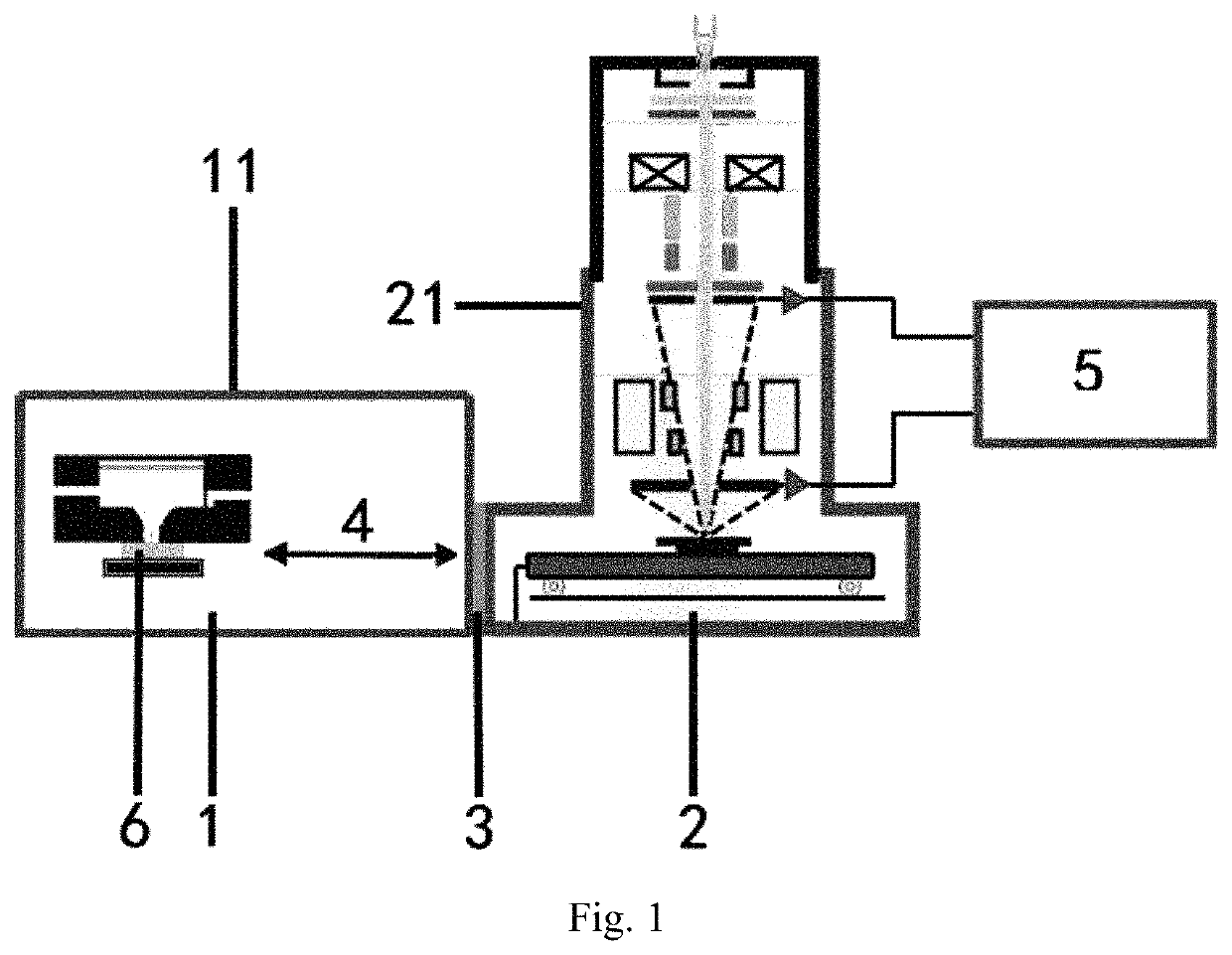
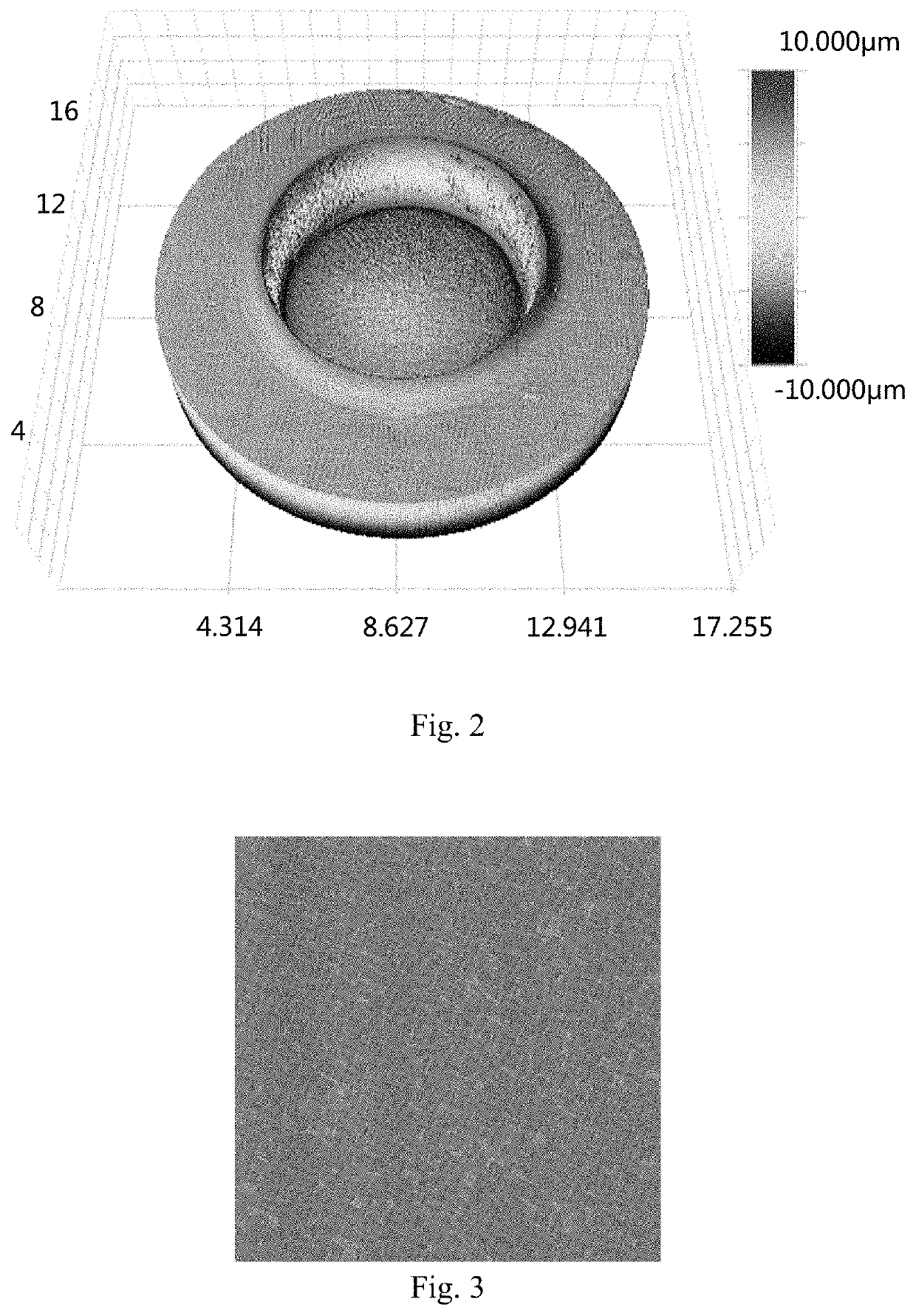
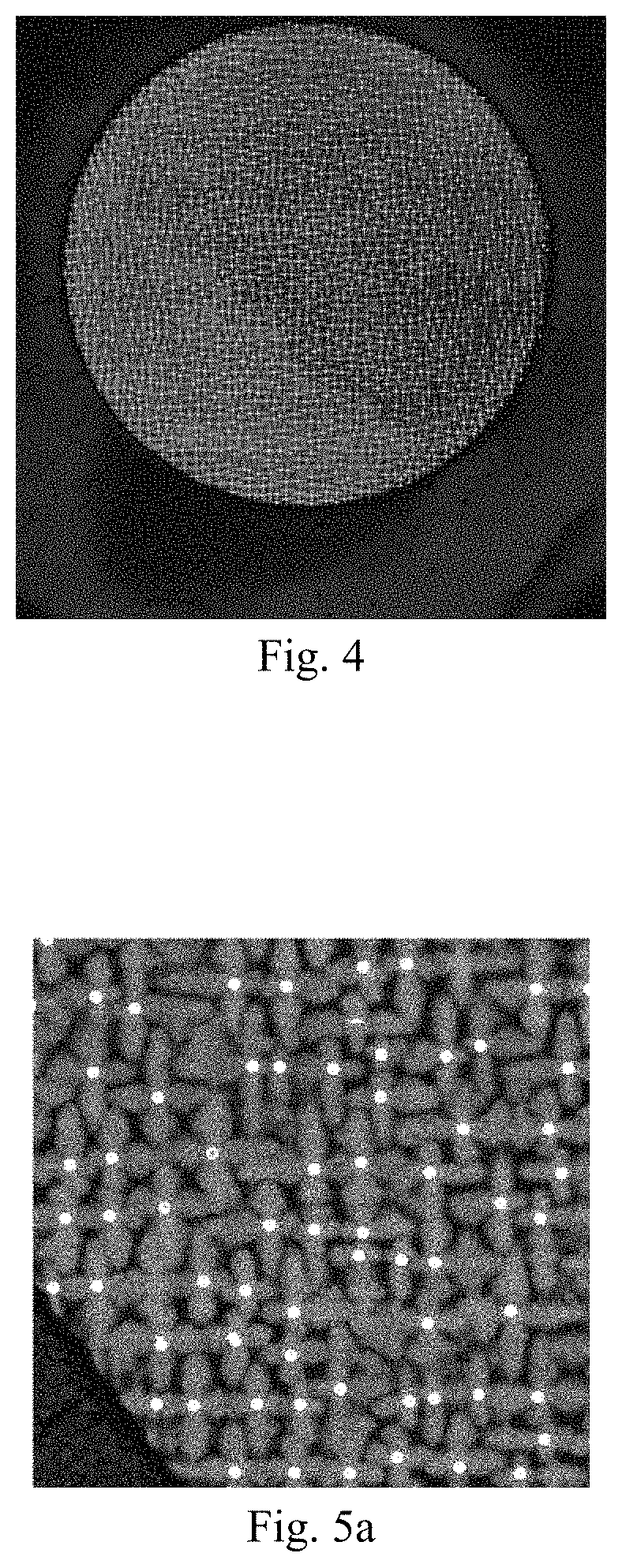
Apparatus and method for large-scale high throughput quantitative characterization and three-dimensional reconstruction of material structure
PatentActiveUS10804073B2
Innovation
- Combining glow discharge sputtering for large-size, flat, and fast sample preparation with rapid scanning electron microscopy and a GPU computer workstation for high-throughput acquisition and three-dimensional reconstruction, using a sample transfer device for accurate positioning and layer-by-layer sputtering.

Microwell plate for high-throughput detection and application thereof
PatentInactiveUS20160348148A1
Innovation
- A microwell plate design featuring gas diffusion passages between reaction and detection wells, equipped with a membrane for selective permeability, allows reaction products to transfer without interfering with the reaction environment, enabling separate compartments for biochemical reactions and detection systems.


Sustainability Aspects of Next-Generation Supercapacitors
The sustainability of next-generation supercapacitors represents a critical dimension in the advancement of high-throughput experimentation for supercapacitor material development. As energy storage technologies continue to proliferate globally, environmental considerations have become increasingly paramount in research and development processes.
Current supercapacitor production methods often involve environmentally problematic materials and energy-intensive manufacturing processes. High-throughput experimentation offers a pathway to identify more sustainable alternatives by efficiently screening thousands of potential material combinations. This approach significantly reduces the resource consumption associated with traditional trial-and-error methods, thereby minimizing the environmental footprint of research activities.
The life cycle assessment (LCA) of supercapacitor materials reveals several sustainability challenges. Conventional electrode materials frequently contain rare earth elements or toxic compounds that present both resource scarcity and end-of-life disposal concerns. High-throughput methodologies enable researchers to systematically evaluate bio-derived carbon alternatives, recycled materials, and abundant element substitutions that could dramatically improve sustainability profiles.
Water usage represents another critical sustainability factor in supercapacitor production. Traditional manufacturing processes can be water-intensive, particularly in purification stages. Advanced high-throughput techniques incorporating microfluidic systems have demonstrated potential for reducing water consumption by up to 80% while maintaining or improving material performance characteristics.
Energy efficiency improvements in next-generation supercapacitors also contribute significantly to sustainability goals. Materials identified through high-throughput experimentation have shown promise in reducing self-discharge rates and improving cycle stability, thereby extending device lifespans and reducing replacement frequency. These advancements directly translate to reduced material consumption and waste generation over time.
Circular economy principles are increasingly being integrated into high-throughput experimentation frameworks. Researchers are developing automated systems capable of evaluating not only performance metrics but also recyclability potential, biodegradability, and remanufacturing compatibility. This holistic approach ensures that sustainability is considered from the earliest stages of material development rather than as an afterthought.
Regulatory frameworks worldwide are evolving to prioritize sustainable material selection in energy storage technologies. High-throughput experimentation provides a mechanism to rapidly adapt to these changing requirements by quickly identifying compliant materials that meet both performance and sustainability criteria. This adaptability represents a competitive advantage for manufacturers embracing these advanced research methodologies.
Current supercapacitor production methods often involve environmentally problematic materials and energy-intensive manufacturing processes. High-throughput experimentation offers a pathway to identify more sustainable alternatives by efficiently screening thousands of potential material combinations. This approach significantly reduces the resource consumption associated with traditional trial-and-error methods, thereby minimizing the environmental footprint of research activities.
The life cycle assessment (LCA) of supercapacitor materials reveals several sustainability challenges. Conventional electrode materials frequently contain rare earth elements or toxic compounds that present both resource scarcity and end-of-life disposal concerns. High-throughput methodologies enable researchers to systematically evaluate bio-derived carbon alternatives, recycled materials, and abundant element substitutions that could dramatically improve sustainability profiles.
Water usage represents another critical sustainability factor in supercapacitor production. Traditional manufacturing processes can be water-intensive, particularly in purification stages. Advanced high-throughput techniques incorporating microfluidic systems have demonstrated potential for reducing water consumption by up to 80% while maintaining or improving material performance characteristics.
Energy efficiency improvements in next-generation supercapacitors also contribute significantly to sustainability goals. Materials identified through high-throughput experimentation have shown promise in reducing self-discharge rates and improving cycle stability, thereby extending device lifespans and reducing replacement frequency. These advancements directly translate to reduced material consumption and waste generation over time.
Circular economy principles are increasingly being integrated into high-throughput experimentation frameworks. Researchers are developing automated systems capable of evaluating not only performance metrics but also recyclability potential, biodegradability, and remanufacturing compatibility. This holistic approach ensures that sustainability is considered from the earliest stages of material development rather than as an afterthought.
Regulatory frameworks worldwide are evolving to prioritize sustainable material selection in energy storage technologies. High-throughput experimentation provides a mechanism to rapidly adapt to these changing requirements by quickly identifying compliant materials that meet both performance and sustainability criteria. This adaptability represents a competitive advantage for manufacturers embracing these advanced research methodologies.
Scalability from Lab Discovery to Industrial Production
The transition from laboratory-scale discoveries to industrial-scale production represents one of the most significant challenges in supercapacitor material development. High-throughput experimentation (HTE) methodologies have demonstrated remarkable efficiency in identifying promising materials at the research level, but implementing these discoveries in commercial manufacturing environments requires additional considerations and process adaptations.
Manufacturing scale-up of novel supercapacitor materials typically encounters several critical bottlenecks. Material synthesis procedures that work effectively in small batches often face issues with reaction kinetics, heat transfer, and mixing dynamics when expanded to industrial volumes. For instance, hydrothermal synthesis methods commonly used for producing graphene-based supercapacitor materials may require completely different reactor designs and process parameters at production scale.
Quality control becomes increasingly complex during scale-up, as material properties must remain consistent across much larger production volumes. HTE-derived materials often require the development of specialized in-line monitoring techniques to ensure that the electrochemical performance characteristics identified during laboratory screening are maintained throughout industrial production.
Cost considerations also play a decisive role in scalability. Materials that show exceptional performance in laboratory settings may utilize expensive precursors or complex synthesis routes that become economically prohibitive at industrial scale. Successful translation requires parallel optimization of material performance and production economics, often necessitating reformulation with more accessible components.
Environmental and safety factors gain prominence during industrial implementation. Processes involving toxic solvents or extreme conditions that are manageable in controlled laboratory environments may require substantial engineering controls or complete redesign for safe large-scale operation. This is particularly relevant for supercapacitor materials involving nanomaterials or specialized carbon structures.
Recent advances in modular manufacturing and continuous flow processing have created promising pathways for scaling HTE-discovered materials. These approaches allow for gradual capacity expansion while maintaining precise control over synthesis conditions. Companies like Tesla and CATL have successfully implemented such strategies for electrode material production, demonstrating that properly designed scale-up protocols can preserve the performance advantages identified through high-throughput screening.
The integration of artificial intelligence with manufacturing execution systems represents an emerging approach to scale-up challenges. These systems can dynamically adjust production parameters based on real-time monitoring data, helping to maintain optimal material properties despite variations in raw materials or environmental conditions that inevitably occur in industrial settings.
Manufacturing scale-up of novel supercapacitor materials typically encounters several critical bottlenecks. Material synthesis procedures that work effectively in small batches often face issues with reaction kinetics, heat transfer, and mixing dynamics when expanded to industrial volumes. For instance, hydrothermal synthesis methods commonly used for producing graphene-based supercapacitor materials may require completely different reactor designs and process parameters at production scale.
Quality control becomes increasingly complex during scale-up, as material properties must remain consistent across much larger production volumes. HTE-derived materials often require the development of specialized in-line monitoring techniques to ensure that the electrochemical performance characteristics identified during laboratory screening are maintained throughout industrial production.
Cost considerations also play a decisive role in scalability. Materials that show exceptional performance in laboratory settings may utilize expensive precursors or complex synthesis routes that become economically prohibitive at industrial scale. Successful translation requires parallel optimization of material performance and production economics, often necessitating reformulation with more accessible components.
Environmental and safety factors gain prominence during industrial implementation. Processes involving toxic solvents or extreme conditions that are manageable in controlled laboratory environments may require substantial engineering controls or complete redesign for safe large-scale operation. This is particularly relevant for supercapacitor materials involving nanomaterials or specialized carbon structures.
Recent advances in modular manufacturing and continuous flow processing have created promising pathways for scaling HTE-discovered materials. These approaches allow for gradual capacity expansion while maintaining precise control over synthesis conditions. Companies like Tesla and CATL have successfully implemented such strategies for electrode material production, demonstrating that properly designed scale-up protocols can preserve the performance advantages identified through high-throughput screening.
The integration of artificial intelligence with manufacturing execution systems represents an emerging approach to scale-up challenges. These systems can dynamically adjust production parameters based on real-time monitoring data, helping to maintain optimal material properties despite variations in raw materials or environmental conditions that inevitably occur in industrial settings.
Unlock deeper insights with PatSnap Eureka Quick Research — get a full tech report to explore trends and direct your research. Try now!
Generate Your Research Report Instantly with AI Agent
Supercharge your innovation with PatSnap Eureka AI Agent Platform!