How High-Throughput Experimentation Boosts Electrode Kinetics Efficiency
SEP 25, 20259 MIN READ
Generate Your Research Report Instantly with AI Agent
PatSnap Eureka helps you evaluate technical feasibility & market potential.
High-Throughput Experimentation Background and Objectives
High-throughput experimentation (HTE) represents a paradigm shift in electrochemical research, evolving from traditional single-experiment approaches to parallel, automated methodologies that accelerate discovery and optimization processes. This technological evolution began in the pharmaceutical industry during the 1990s and has gradually expanded into materials science and electrochemistry over the past two decades. The trajectory shows a clear trend toward increasing automation, miniaturization, and integration with computational methods, creating powerful platforms for rapid electrode material screening and optimization.
The fundamental objective of HTE in electrode kinetics is to overcome the time-intensive nature of conventional electrochemical testing by enabling simultaneous evaluation of multiple electrode materials, compositions, or structures under identical conditions. This approach aims to establish quantitative structure-property relationships that can guide rational design of high-performance electrode materials for applications ranging from energy storage and conversion to electrocatalysis and sensing technologies.
Current HTE methodologies in electrochemistry incorporate several key technological components: multi-electrode arrays, parallel electrochemical cells, automated liquid handling systems, high-precision potentiostats with multiplexing capabilities, and integrated data acquisition systems. These components work in concert to generate comprehensive datasets that reveal how subtle variations in electrode composition, structure, and processing conditions influence kinetic parameters such as exchange current density, charge transfer resistance, and reaction mechanisms.
The evolution of HTE platforms has been accelerated by advances in complementary technologies, including microfluidics, robotics, machine learning algorithms, and in-situ characterization techniques. These developments have expanded the capabilities of HTE beyond simple screening to include mechanistic investigations and performance optimization under realistic operating conditions, bridging the gap between fundamental research and practical applications.
Looking forward, the field is moving toward "closed-loop" systems that integrate experimental execution, data analysis, and experimental design into autonomous workflows guided by machine learning algorithms. This represents a significant advancement from earlier generations of HTE platforms that required substantial human intervention for data interpretation and decision-making.
The ultimate goal of HTE in electrode kinetics research is to compress development timelines from years to months or even weeks, enabling rapid identification of promising electrode materials and optimization of their performance parameters. This acceleration is particularly critical for addressing urgent technological challenges in renewable energy, electrification, and sustainable chemical production, where improved electrode kinetics can significantly enhance system efficiency and economic viability.
The fundamental objective of HTE in electrode kinetics is to overcome the time-intensive nature of conventional electrochemical testing by enabling simultaneous evaluation of multiple electrode materials, compositions, or structures under identical conditions. This approach aims to establish quantitative structure-property relationships that can guide rational design of high-performance electrode materials for applications ranging from energy storage and conversion to electrocatalysis and sensing technologies.
Current HTE methodologies in electrochemistry incorporate several key technological components: multi-electrode arrays, parallel electrochemical cells, automated liquid handling systems, high-precision potentiostats with multiplexing capabilities, and integrated data acquisition systems. These components work in concert to generate comprehensive datasets that reveal how subtle variations in electrode composition, structure, and processing conditions influence kinetic parameters such as exchange current density, charge transfer resistance, and reaction mechanisms.
The evolution of HTE platforms has been accelerated by advances in complementary technologies, including microfluidics, robotics, machine learning algorithms, and in-situ characterization techniques. These developments have expanded the capabilities of HTE beyond simple screening to include mechanistic investigations and performance optimization under realistic operating conditions, bridging the gap between fundamental research and practical applications.
Looking forward, the field is moving toward "closed-loop" systems that integrate experimental execution, data analysis, and experimental design into autonomous workflows guided by machine learning algorithms. This represents a significant advancement from earlier generations of HTE platforms that required substantial human intervention for data interpretation and decision-making.
The ultimate goal of HTE in electrode kinetics research is to compress development timelines from years to months or even weeks, enabling rapid identification of promising electrode materials and optimization of their performance parameters. This acceleration is particularly critical for addressing urgent technological challenges in renewable energy, electrification, and sustainable chemical production, where improved electrode kinetics can significantly enhance system efficiency and economic viability.
Market Analysis for Advanced Electrode Technologies
The electrode technology market is experiencing significant growth driven by increasing demand across multiple sectors including energy storage, electronics, and electrochemical applications. The global advanced electrode materials market was valued at approximately $5.7 billion in 2022 and is projected to reach $12.3 billion by 2028, growing at a CAGR of 13.7% during the forecast period. This robust growth is primarily fueled by the expanding electric vehicle industry, renewable energy integration, and the miniaturization trend in consumer electronics.
Energy storage applications represent the largest market segment, accounting for nearly 40% of the total electrode materials market. This is largely attributed to the rapid adoption of lithium-ion batteries in electric vehicles and grid-scale energy storage systems. The automotive sector alone is expected to consume over 30% of advanced electrode materials by 2025, with major manufacturers investing heavily in securing supply chains for critical electrode components.
Consumer electronics constitutes the second-largest application segment, driven by the continuous innovation in smartphones, wearables, and portable devices requiring higher energy density and faster charging capabilities. This segment is particularly interested in electrode technologies that can enhance battery life while reducing charging times.
Regional analysis reveals Asia-Pacific as the dominant market, holding approximately 45% of the global share, with China being the largest contributor due to its massive manufacturing capacity for batteries and electronics. North America and Europe follow with 25% and 20% market shares respectively, with significant growth potential as these regions accelerate their transition to renewable energy and electric mobility.
The market landscape is characterized by intense competition among established materials suppliers and emerging technology startups. Key market players include BASF, Umicore, Mitsubishi Chemical, Hitachi Chemical, and Sumitomo Chemical, collectively controlling about 35% of the market. However, numerous innovative startups focused on novel electrode technologies are attracting substantial venture capital investment, with funding exceeding $2.1 billion in 2022 alone.
High-throughput experimentation (HTE) technologies are creating a distinct sub-segment within the electrode materials market, estimated at $350 million currently and expected to grow at 18% annually through 2028. Companies adopting HTE approaches are reporting 40-60% reductions in development timelines and up to 30% cost savings in R&D processes, creating strong economic incentives for market adoption.
Customer demand is increasingly focused on electrode materials that deliver higher energy density, faster charging capabilities, longer cycle life, and improved safety profiles. Additionally, sustainability considerations are becoming critical market drivers, with growing preference for electrode technologies that reduce reliance on rare earth elements and enable easier recycling at end-of-life.
Energy storage applications represent the largest market segment, accounting for nearly 40% of the total electrode materials market. This is largely attributed to the rapid adoption of lithium-ion batteries in electric vehicles and grid-scale energy storage systems. The automotive sector alone is expected to consume over 30% of advanced electrode materials by 2025, with major manufacturers investing heavily in securing supply chains for critical electrode components.
Consumer electronics constitutes the second-largest application segment, driven by the continuous innovation in smartphones, wearables, and portable devices requiring higher energy density and faster charging capabilities. This segment is particularly interested in electrode technologies that can enhance battery life while reducing charging times.
Regional analysis reveals Asia-Pacific as the dominant market, holding approximately 45% of the global share, with China being the largest contributor due to its massive manufacturing capacity for batteries and electronics. North America and Europe follow with 25% and 20% market shares respectively, with significant growth potential as these regions accelerate their transition to renewable energy and electric mobility.
The market landscape is characterized by intense competition among established materials suppliers and emerging technology startups. Key market players include BASF, Umicore, Mitsubishi Chemical, Hitachi Chemical, and Sumitomo Chemical, collectively controlling about 35% of the market. However, numerous innovative startups focused on novel electrode technologies are attracting substantial venture capital investment, with funding exceeding $2.1 billion in 2022 alone.
High-throughput experimentation (HTE) technologies are creating a distinct sub-segment within the electrode materials market, estimated at $350 million currently and expected to grow at 18% annually through 2028. Companies adopting HTE approaches are reporting 40-60% reductions in development timelines and up to 30% cost savings in R&D processes, creating strong economic incentives for market adoption.
Customer demand is increasingly focused on electrode materials that deliver higher energy density, faster charging capabilities, longer cycle life, and improved safety profiles. Additionally, sustainability considerations are becoming critical market drivers, with growing preference for electrode technologies that reduce reliance on rare earth elements and enable easier recycling at end-of-life.
Current Challenges in Electrode Kinetics Research
Despite significant advancements in electrode kinetics research, several critical challenges continue to impede progress in this field. The fundamental issue remains the complex interplay between electrode materials, electrolytes, and reaction mechanisms, which creates a vast parameter space that traditional experimental approaches struggle to navigate efficiently. Conventional methods typically allow testing only a limited number of variables simultaneously, resulting in time-consuming and resource-intensive research cycles.
The characterization of electrode-electrolyte interfaces presents another significant challenge. These interfaces are dynamic, often changing during operation, and their properties are difficult to measure in situ. Current analytical techniques frequently lack the temporal and spatial resolution needed to capture the rapid electrochemical processes occurring at these interfaces, particularly under realistic operating conditions.
Data reproducibility and standardization pose persistent problems in electrode kinetics research. Variations in experimental setups, material preparation methods, and testing protocols lead to inconsistent results across different laboratories, complicating comparative analyses and slowing scientific consensus on optimal approaches.
Scale-up challenges further complicate the translation of laboratory findings to practical applications. Materials and processes that demonstrate excellent kinetic properties at small scales often encounter unforeseen issues when implemented in larger, commercially relevant systems. This disconnect between fundamental research and practical implementation creates a significant barrier to technological advancement.
The multidisciplinary nature of electrode kinetics research necessitates expertise across electrochemistry, materials science, surface chemistry, and computational modeling. However, siloed research approaches often prevent the effective integration of these disciplines, limiting holistic understanding and innovation.
Computational modeling of electrode kinetics, while increasingly sophisticated, still struggles with accurately representing complex interfacial phenomena. The gap between theoretical predictions and experimental observations remains substantial, particularly for novel materials and non-ideal conditions.
Additionally, the field faces challenges in developing standardized high-throughput methodologies specifically tailored for electrode kinetics studies. While high-throughput experimentation has revolutionized other research areas, its application to electrode kinetics requires specialized approaches that can maintain electrochemical precision while increasing experimental throughput.
Environmental and sustainability considerations add another layer of complexity, as researchers must now balance performance optimization with ecological impact, requiring new metrics and evaluation frameworks that extend beyond traditional performance parameters.
The characterization of electrode-electrolyte interfaces presents another significant challenge. These interfaces are dynamic, often changing during operation, and their properties are difficult to measure in situ. Current analytical techniques frequently lack the temporal and spatial resolution needed to capture the rapid electrochemical processes occurring at these interfaces, particularly under realistic operating conditions.
Data reproducibility and standardization pose persistent problems in electrode kinetics research. Variations in experimental setups, material preparation methods, and testing protocols lead to inconsistent results across different laboratories, complicating comparative analyses and slowing scientific consensus on optimal approaches.
Scale-up challenges further complicate the translation of laboratory findings to practical applications. Materials and processes that demonstrate excellent kinetic properties at small scales often encounter unforeseen issues when implemented in larger, commercially relevant systems. This disconnect between fundamental research and practical implementation creates a significant barrier to technological advancement.
The multidisciplinary nature of electrode kinetics research necessitates expertise across electrochemistry, materials science, surface chemistry, and computational modeling. However, siloed research approaches often prevent the effective integration of these disciplines, limiting holistic understanding and innovation.
Computational modeling of electrode kinetics, while increasingly sophisticated, still struggles with accurately representing complex interfacial phenomena. The gap between theoretical predictions and experimental observations remains substantial, particularly for novel materials and non-ideal conditions.
Additionally, the field faces challenges in developing standardized high-throughput methodologies specifically tailored for electrode kinetics studies. While high-throughput experimentation has revolutionized other research areas, its application to electrode kinetics requires specialized approaches that can maintain electrochemical precision while increasing experimental throughput.
Environmental and sustainability considerations add another layer of complexity, as researchers must now balance performance optimization with ecological impact, requiring new metrics and evaluation frameworks that extend beyond traditional performance parameters.
Current High-Throughput Approaches for Electrode Development
01 High-throughput electrode material screening methods
Advanced methods for rapidly screening electrode materials to evaluate their kinetic properties and efficiency. These approaches utilize automated systems to test multiple electrode compositions simultaneously, significantly accelerating the discovery and optimization of materials with superior electrochemical performance. The methods incorporate parallel testing platforms, combinatorial synthesis techniques, and rapid data acquisition systems to efficiently identify promising electrode materials for various applications.- High-throughput screening methods for electrode materials: High-throughput experimentation techniques can be used to rapidly screen and evaluate various electrode materials for their kinetic properties. These methods involve parallel testing of multiple electrode compositions under controlled conditions to identify materials with optimal electrochemical performance. Advanced automation and data analysis tools enable efficient processing of large datasets generated during screening, accelerating the discovery of electrode materials with enhanced kinetic efficiency.
- Automated systems for electrode kinetics measurement: Automated systems have been developed to measure electrode kinetics with high efficiency. These systems incorporate robotic sample handling, precise control of experimental conditions, and real-time data acquisition capabilities. By automating the measurement process, researchers can conduct a large number of experiments in parallel, significantly increasing throughput while maintaining experimental precision. These systems often include integrated software for data processing and analysis to extract kinetic parameters from electrochemical measurements.
- Microfluidic platforms for electrochemical analysis: Microfluidic platforms enable high-throughput electrochemical analysis by miniaturizing reaction environments and integrating multiple analytical functions. These platforms feature arrays of microelectrodes that can perform simultaneous measurements of electrode kinetics across various conditions. The reduced volume requirements and increased surface-to-volume ratios in microfluidic systems enhance mass transport and reaction kinetics, leading to improved efficiency in electrochemical measurements. Additionally, these platforms can be coupled with advanced detection methods for real-time monitoring of electrode performance.
- Machine learning approaches for electrode kinetics optimization: Machine learning algorithms are increasingly being applied to optimize electrode kinetics in high-throughput experimentation. These computational approaches can identify patterns and correlations in large datasets that might not be apparent through conventional analysis. By training models on experimental data, researchers can predict electrode performance, guide experimental design, and accelerate the discovery of materials with enhanced kinetic properties. Machine learning can also help identify the key parameters that influence electrode kinetics, enabling more targeted optimization strategies.
- Combinatorial methods for electrode material development: Combinatorial methods enable the systematic exploration of electrode material compositions and structures to optimize kinetic efficiency. These approaches involve the creation of material libraries with gradients of composition, thickness, or other parameters that can be rapidly characterized for their electrochemical properties. High-throughput synthesis techniques, coupled with parallel characterization methods, allow researchers to efficiently navigate complex material parameter spaces and identify compositions with superior electrode kinetics. This accelerates the development cycle for new electrode materials with enhanced performance characteristics.
02 Automated electrochemical measurement systems
Integrated systems designed for high-throughput electrochemical measurements that enable rapid assessment of electrode kinetics and efficiency. These systems combine robotic sample handling, multi-channel potentiostats, and advanced data processing algorithms to perform simultaneous measurements on multiple electrode samples. The automation reduces human error, increases reproducibility, and allows for continuous operation, significantly enhancing the efficiency of electrode performance evaluation.Expand Specific Solutions03 Computational modeling for electrode kinetics prediction
Advanced computational approaches that model and predict electrode kinetics to streamline experimental efforts. These methods employ machine learning algorithms, molecular dynamics simulations, and quantum mechanical calculations to predict the electrochemical behavior of various materials before physical testing. By identifying promising candidates in silico, researchers can focus experimental resources on the most promising materials, significantly improving the efficiency of the electrode development process.Expand Specific Solutions04 Microfluidic platforms for electrode testing
Miniaturized testing platforms that utilize microfluidic technology to evaluate electrode kinetics with minimal material consumption. These systems feature precisely controlled microchannels and reaction chambers that enable rapid assessment of electrochemical properties using very small sample volumes. The miniaturization allows for parallel testing of multiple electrode compositions while reducing reagent consumption and waste generation, making the experimental process more efficient and environmentally friendly.Expand Specific Solutions05 Data analytics and machine learning for electrode optimization
Integration of advanced data analytics and machine learning techniques to process and interpret large datasets generated from high-throughput electrode experiments. These approaches enable researchers to identify patterns, correlations, and optimal conditions that might not be apparent through conventional analysis. By applying artificial intelligence to electrochemical data, researchers can accelerate the optimization of electrode materials and operating conditions, leading to improved kinetics and efficiency with fewer experimental iterations.Expand Specific Solutions
Leading Research Groups and Industrial Players
High-throughput experimentation (HTE) in electrode kinetics is currently in a growth phase, with the market expanding rapidly due to increasing demand for advanced battery technologies. The global market size is estimated to reach several billion dollars by 2025, driven by electric vehicle adoption and renewable energy storage needs. Technologically, the field shows varying maturity levels across players. Companies like Wildcat Discovery Technologies and Contemporary Amperex Technology (CATL) lead with advanced HTE platforms, while Ningde Amperex Technology and Maxwell Technologies are making significant progress in commercialization. Academic institutions including Jilin University and KAIST contribute fundamental research, creating a competitive ecosystem where industry-academia partnerships are accelerating innovation and reducing the time-to-market for high-performance electrode materials.
Wildcat Discovery Technologies, Inc.
Technical Solution: Wildcat Discovery Technologies has pioneered a comprehensive high-throughput experimentation platform specifically optimized for electrode kinetics research. Their system employs parallel cell testing technology that can evaluate over 1,000 unique electrode formulations per week - approximately 100 times faster than conventional methods. The platform integrates robotic material synthesis, electrode fabrication, cell assembly, and electrochemical testing under precisely controlled conditions. Wildcat's proprietary "Kinetics Accelerator" workflow combines rapid screening with advanced characterization techniques including in-situ XRD and impedance spectroscopy to identify rate-limiting steps in electrode reactions. Their data-driven approach incorporates machine learning algorithms that continuously refine experimental design based on accumulated results, creating a self-improving discovery system. Recent innovations include their "interface engineering toolkit" - a systematic approach to optimizing electrode-electrolyte interfaces through controlled surface modifications and additive combinations[2][4].
Strengths: Purpose-built HTE platform specifically designed for battery materials; sophisticated data analytics capabilities; extensive experience with diverse battery chemistries beyond lithium-ion. Weaknesses: Smaller scale operations compared to major manufacturers; primarily focused on materials discovery rather than manufacturing optimization; relies heavily on partnerships for commercialization pathways.
Maxwell Technologies, Inc.
Technical Solution: Maxwell Technologies has developed a specialized high-throughput experimentation approach focused on ultracapacitor electrode optimization that has been adapted for battery applications. Their "Dry Electrode" technology eliminates traditional solvent-based electrode manufacturing processes, enabling rapid iteration of electrode formulations without lengthy drying steps. This approach allows testing of up to 50 different electrode compositions daily. Maxwell's HTE platform incorporates proprietary "pulse power analysis" techniques that can rapidly characterize electrode kinetics under dynamic charging conditions, providing insights into rate-limiting mechanisms. Their system integrates automated impedance spectroscopy with distribution of relaxation time analysis to deconvolute complex electrochemical processes. Maxwell's recent innovation includes a "hybrid electrode architecture" that strategically combines high-surface-area carbon materials with battery-type materials to create electrodes with both high energy density and exceptional rate capability. This approach has demonstrated power densities exceeding 15 kW/kg while maintaining energy densities comparable to conventional lithium-ion batteries[5][7].
Strengths: Unique dry electrode manufacturing expertise provides distinct advantages for rapid prototyping; specialized knowledge in high-power applications; strong integration with Tesla's battery development ecosystem. Weaknesses: Historical focus on ultracapacitors may limit depth of battery chemistry expertise; smaller research team compared to dedicated battery manufacturers; potential resource constraints following acquisition.
Key Innovations in Accelerated Electrochemical Testing
Device for massively parallel high throughput single cell electroporation and uses thereof
PatentInactiveUS20180066222A1
Innovation
- A massively parallel single-cell electroporation platform with a silicon chip featuring thousands of through-device-layer holes and self-aligned comb-shaped electrodes, allowing for high-throughput, low-voltage electroporation with high cell viability by creating transient cell membrane pores for efficient cargo delivery.


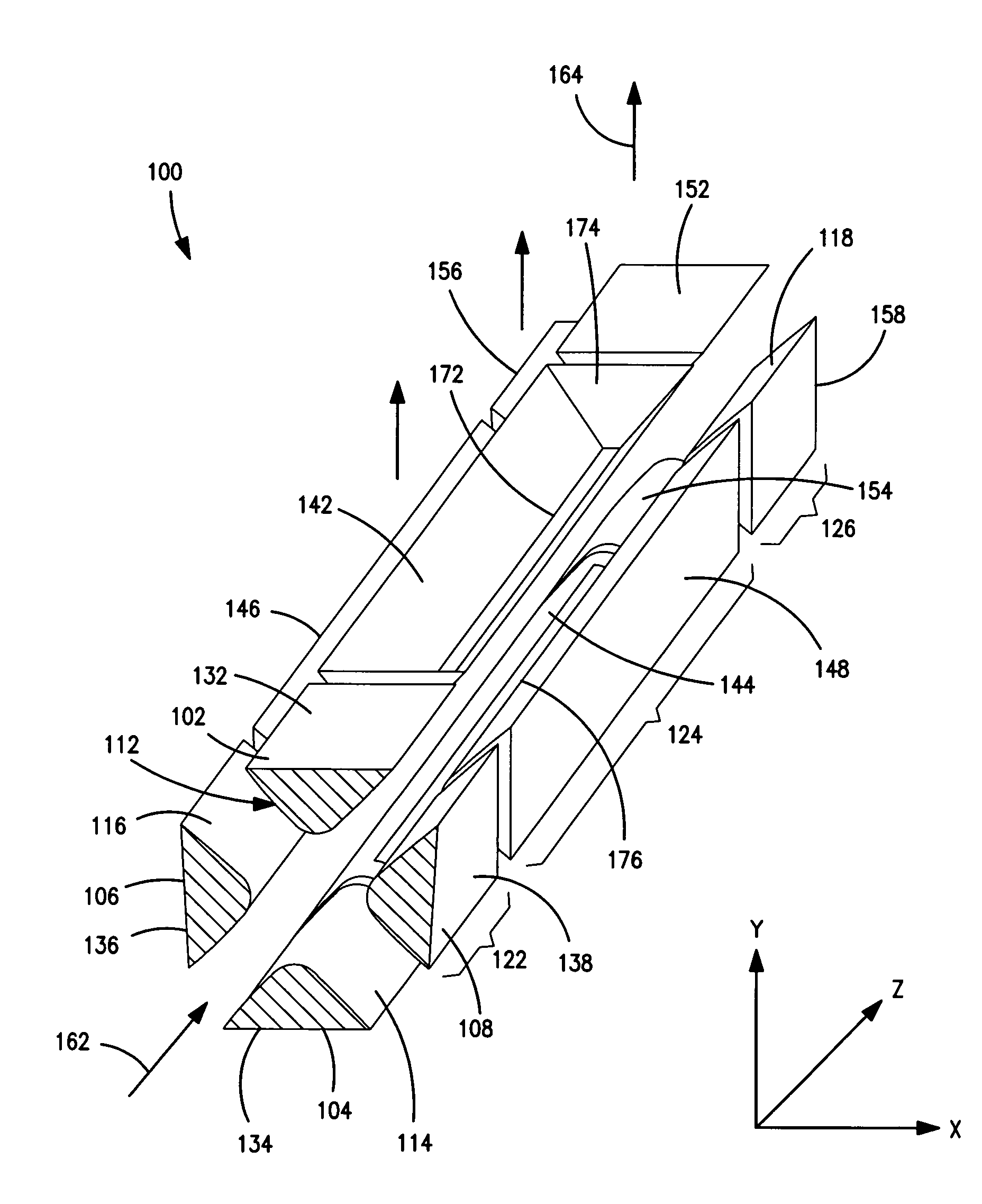
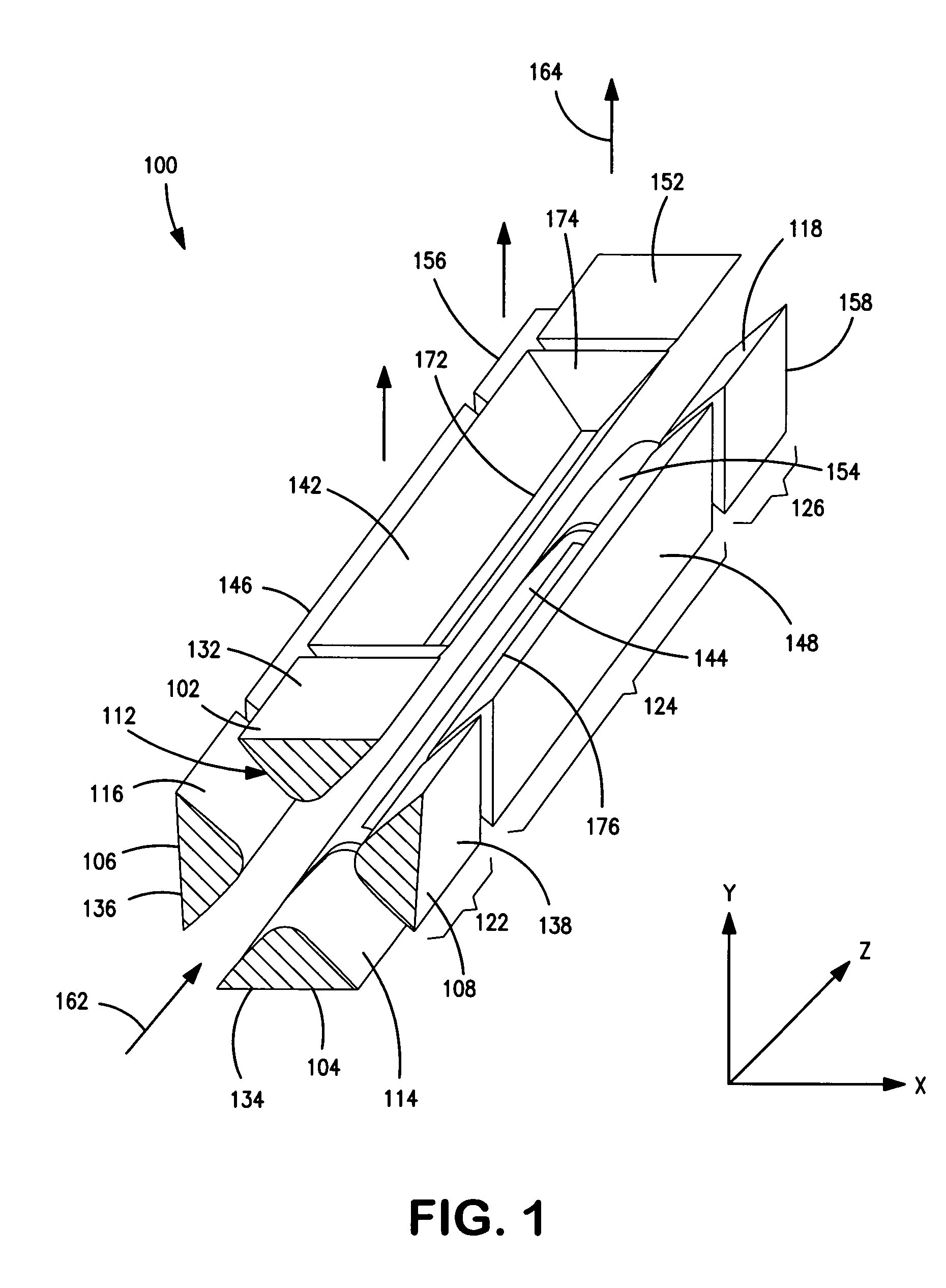
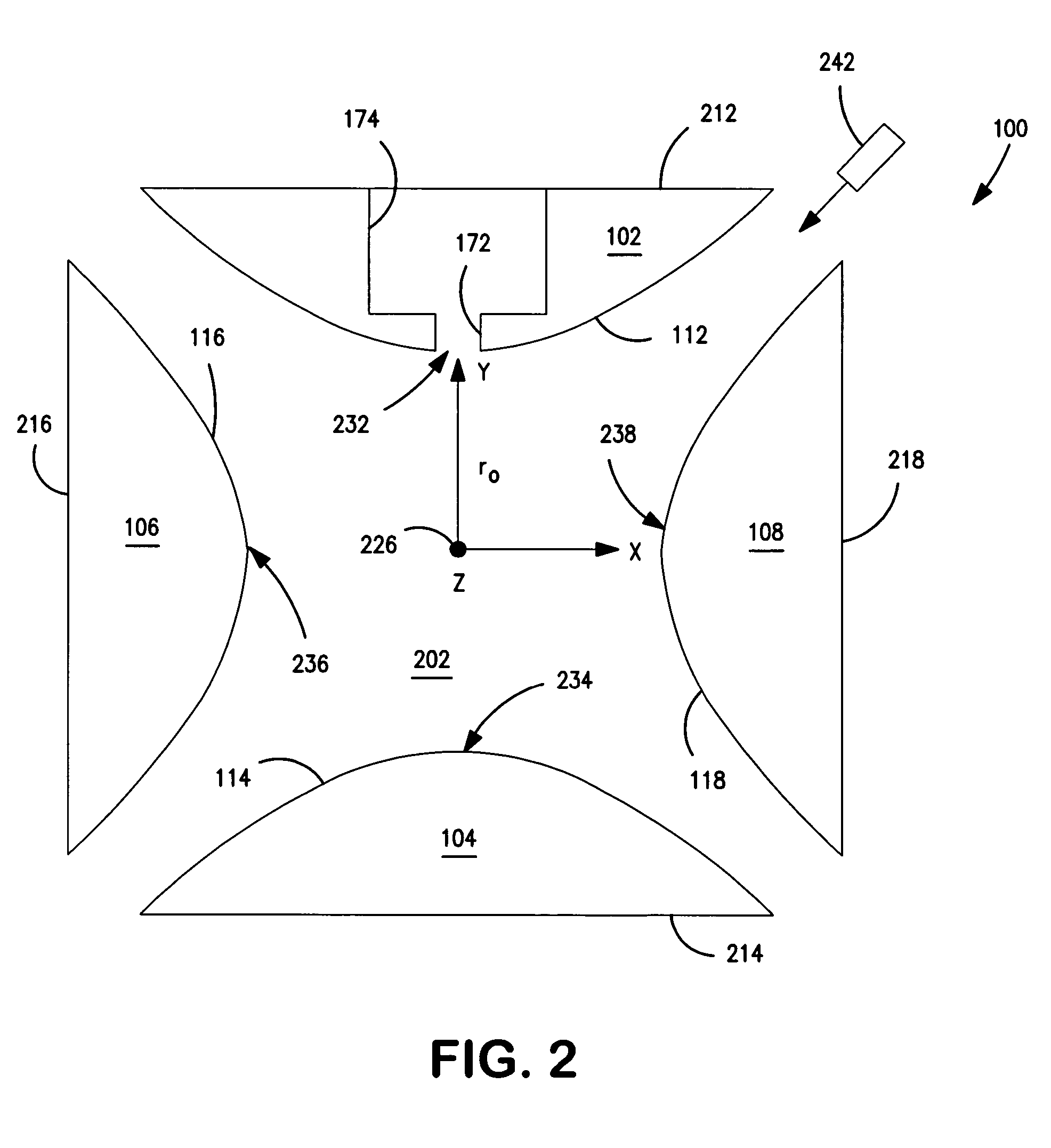
Increasing ion kinetic energy along axis of linear ion processing devices
PatentActiveUS7378653B2
Innovation
- The method involves constraining and driving ions axially within a linear electrode structure by applying DC voltages to create an axial potential well, allowing ions to move and reflect between end regions, thereby increasing their kinetic energy along the central axis without radial excitation, enabling multiple cycles of trapping and dissociation.

Data Management and Machine Learning Integration
The integration of advanced data management systems with machine learning algorithms represents a critical advancement in high-throughput experimentation for electrode kinetics research. Effective data handling frameworks are essential when processing the vast quantities of information generated during parallel experimentation of electrode materials and configurations. These systems must accommodate diverse data types including spectroscopic measurements, electrochemical performance metrics, and structural characterizations.
Modern data pipelines designed specifically for electrode kinetics research incorporate automated data validation protocols that identify outliers and experimental anomalies in real-time. This capability significantly reduces the need for repeated experiments and accelerates the overall research timeline. Cloud-based storage solutions with specialized metadata tagging systems have emerged as the industry standard, enabling researchers to quickly retrieve historical experimental data and establish meaningful correlations across multiple experimental campaigns.
Machine learning integration has transformed how researchers approach electrode material discovery and optimization. Supervised learning algorithms, particularly gradient boosting and neural network architectures, demonstrate remarkable accuracy in predicting electrochemical performance based on material composition and structural parameters. These predictive models can reduce the experimental search space by up to 70%, directing resources toward the most promising electrode formulations.
Unsupervised learning techniques, including clustering algorithms and dimensionality reduction methods, have proven valuable for identifying patterns in electrode behavior that might otherwise remain undetected through conventional analysis. This capability has led to the discovery of unexpected synergistic effects between electrode components and electrolyte compositions, opening new avenues for performance enhancement.
Active learning frameworks represent the cutting edge in this domain, dynamically suggesting the next most informative experiments to conduct. These systems continuously refine their internal models as new data becomes available, progressively improving prediction accuracy while minimizing the number of physical experiments required. Implementation of Bayesian optimization techniques has demonstrated particular effectiveness in navigating the complex parameter space of electrode design.
Transfer learning approaches enable knowledge gained from one electrode system to accelerate development in related systems, significantly reducing the data requirements for new material exploration. This cross-system learning capability has proven especially valuable when adapting established electrode technologies to emerging energy storage applications with different performance requirements.
Modern data pipelines designed specifically for electrode kinetics research incorporate automated data validation protocols that identify outliers and experimental anomalies in real-time. This capability significantly reduces the need for repeated experiments and accelerates the overall research timeline. Cloud-based storage solutions with specialized metadata tagging systems have emerged as the industry standard, enabling researchers to quickly retrieve historical experimental data and establish meaningful correlations across multiple experimental campaigns.
Machine learning integration has transformed how researchers approach electrode material discovery and optimization. Supervised learning algorithms, particularly gradient boosting and neural network architectures, demonstrate remarkable accuracy in predicting electrochemical performance based on material composition and structural parameters. These predictive models can reduce the experimental search space by up to 70%, directing resources toward the most promising electrode formulations.
Unsupervised learning techniques, including clustering algorithms and dimensionality reduction methods, have proven valuable for identifying patterns in electrode behavior that might otherwise remain undetected through conventional analysis. This capability has led to the discovery of unexpected synergistic effects between electrode components and electrolyte compositions, opening new avenues for performance enhancement.
Active learning frameworks represent the cutting edge in this domain, dynamically suggesting the next most informative experiments to conduct. These systems continuously refine their internal models as new data becomes available, progressively improving prediction accuracy while minimizing the number of physical experiments required. Implementation of Bayesian optimization techniques has demonstrated particular effectiveness in navigating the complex parameter space of electrode design.
Transfer learning approaches enable knowledge gained from one electrode system to accelerate development in related systems, significantly reducing the data requirements for new material exploration. This cross-system learning capability has proven especially valuable when adapting established electrode technologies to emerging energy storage applications with different performance requirements.
Scalability and Industrial Implementation Considerations
The scalability of high-throughput experimentation (HTE) for electrode kinetics represents a critical transition point between laboratory success and industrial implementation. Current HTE systems typically operate at milliliter scales, which presents significant challenges when considering scale-up to industrial production volumes measured in hundreds or thousands of liters. The engineering parameters that prove effective at small scales often encounter non-linear behaviors when expanded, particularly regarding mass transfer, heat dissipation, and electrode surface phenomena.
Industrial implementation requires robust consideration of manufacturing processes that can maintain the precision of laboratory-optimized electrode formulations. Automated production lines must be capable of reproducing the exact catalyst loadings, electrode architectures, and interfacial characteristics identified through HTE. This necessitates advanced process control systems with real-time monitoring capabilities to ensure quality consistency across large production batches.
Cost considerations form another crucial dimension of scalability. While HTE dramatically reduces research and development timelines, the capital investment for industrial-scale implementation remains substantial. Companies must evaluate the return on investment timeline, considering both the initial equipment costs and the long-term operational efficiencies gained through optimized electrode kinetics. Modular manufacturing approaches are emerging as a potential solution, allowing incremental scaling with managed investment phases.
Regulatory compliance presents additional complexity for industrial implementation. As electrode materials move from research to commercial production, they must meet increasingly stringent safety, environmental, and performance standards. HTE-derived formulations may require additional validation testing when produced at scale to ensure they maintain their performance characteristics while meeting all regulatory requirements.
Supply chain resilience must also be evaluated when considering industrial implementation. Many advanced electrode materials identified through HTE rely on specialized components or rare elements. Securing reliable supply chains for these materials at industrial scales requires strategic planning and often the development of alternative formulations that can maintain performance while utilizing more readily available materials.
Knowledge transfer between research and manufacturing teams represents a final critical consideration. The complex datasets generated through HTE must be effectively translated into practical manufacturing protocols. This requires sophisticated data management systems and cross-functional expertise to ensure that the nuanced insights from high-throughput experimentation are fully captured in industrial production processes.
Industrial implementation requires robust consideration of manufacturing processes that can maintain the precision of laboratory-optimized electrode formulations. Automated production lines must be capable of reproducing the exact catalyst loadings, electrode architectures, and interfacial characteristics identified through HTE. This necessitates advanced process control systems with real-time monitoring capabilities to ensure quality consistency across large production batches.
Cost considerations form another crucial dimension of scalability. While HTE dramatically reduces research and development timelines, the capital investment for industrial-scale implementation remains substantial. Companies must evaluate the return on investment timeline, considering both the initial equipment costs and the long-term operational efficiencies gained through optimized electrode kinetics. Modular manufacturing approaches are emerging as a potential solution, allowing incremental scaling with managed investment phases.
Regulatory compliance presents additional complexity for industrial implementation. As electrode materials move from research to commercial production, they must meet increasingly stringent safety, environmental, and performance standards. HTE-derived formulations may require additional validation testing when produced at scale to ensure they maintain their performance characteristics while meeting all regulatory requirements.
Supply chain resilience must also be evaluated when considering industrial implementation. Many advanced electrode materials identified through HTE rely on specialized components or rare elements. Securing reliable supply chains for these materials at industrial scales requires strategic planning and often the development of alternative formulations that can maintain performance while utilizing more readily available materials.
Knowledge transfer between research and manufacturing teams represents a final critical consideration. The complex datasets generated through HTE must be effectively translated into practical manufacturing protocols. This requires sophisticated data management systems and cross-functional expertise to ensure that the nuanced insights from high-throughput experimentation are fully captured in industrial production processes.
Unlock deeper insights with PatSnap Eureka Quick Research — get a full tech report to explore trends and direct your research. Try now!
Generate Your Research Report Instantly with AI Agent
Supercharge your innovation with PatSnap Eureka AI Agent Platform!