

How to Balance Efficiency and Performance in Half Wave Rectifiers?
JUL 16, 20259 MIN READ
Generate Your Research Report Instantly with AI Agent
PatSnap Eureka helps you evaluate technical feasibility & market potential.
Half Wave Rectifier Background and Objectives
Half wave rectifiers have been a fundamental component in power electronics since the early days of electrical engineering. These devices play a crucial role in converting alternating current (AC) to pulsating direct current (DC), making them essential in various applications ranging from simple power supplies to complex electronic systems. The evolution of half wave rectifiers has been driven by the continuous need for improved efficiency and performance in power conversion processes.
The primary objective in balancing efficiency and performance in half wave rectifiers is to maximize the conversion of AC to DC while minimizing power losses and distortions. This goal has become increasingly important as energy conservation and system reliability have gained prominence in modern electronic design. Engineers and researchers have been focusing on optimizing various aspects of half wave rectifiers, including component selection, circuit topology, and control strategies.
Over the years, the development of half wave rectifiers has seen significant advancements in semiconductor technology, particularly in diode design. The transition from vacuum tube diodes to solid-state devices marked a major milestone, dramatically improving reliability and reducing power consumption. Subsequent innovations in silicon and other semiconductor materials have further enhanced the performance characteristics of rectifying diodes, allowing for faster switching speeds and lower forward voltage drops.
The technological trajectory of half wave rectifiers has been closely tied to the broader trends in power electronics. As electronic systems have become more complex and demanding, the need for more efficient and precise power conversion has intensified. This has led to the exploration of advanced circuit topologies and control techniques that can mitigate the inherent limitations of traditional half wave rectifier designs, such as poor utilization of the input waveform and high harmonic content in the output.
Current research and development efforts in half wave rectifier technology are focused on several key areas. These include the integration of smart control systems to optimize rectifier operation under varying load conditions, the use of wide-bandgap semiconductors to improve switching performance and thermal management, and the development of novel circuit configurations that can enhance overall system efficiency.
The ongoing challenge in balancing efficiency and performance in half wave rectifiers lies in addressing the trade-offs between simplicity, cost-effectiveness, and advanced functionality. As power electronic systems continue to evolve, the demand for more sophisticated half wave rectifier solutions that can meet stringent efficiency standards while delivering high performance across a wide range of operating conditions is expected to drive further innovation in this field.
The primary objective in balancing efficiency and performance in half wave rectifiers is to maximize the conversion of AC to DC while minimizing power losses and distortions. This goal has become increasingly important as energy conservation and system reliability have gained prominence in modern electronic design. Engineers and researchers have been focusing on optimizing various aspects of half wave rectifiers, including component selection, circuit topology, and control strategies.
Over the years, the development of half wave rectifiers has seen significant advancements in semiconductor technology, particularly in diode design. The transition from vacuum tube diodes to solid-state devices marked a major milestone, dramatically improving reliability and reducing power consumption. Subsequent innovations in silicon and other semiconductor materials have further enhanced the performance characteristics of rectifying diodes, allowing for faster switching speeds and lower forward voltage drops.
The technological trajectory of half wave rectifiers has been closely tied to the broader trends in power electronics. As electronic systems have become more complex and demanding, the need for more efficient and precise power conversion has intensified. This has led to the exploration of advanced circuit topologies and control techniques that can mitigate the inherent limitations of traditional half wave rectifier designs, such as poor utilization of the input waveform and high harmonic content in the output.
Current research and development efforts in half wave rectifier technology are focused on several key areas. These include the integration of smart control systems to optimize rectifier operation under varying load conditions, the use of wide-bandgap semiconductors to improve switching performance and thermal management, and the development of novel circuit configurations that can enhance overall system efficiency.
The ongoing challenge in balancing efficiency and performance in half wave rectifiers lies in addressing the trade-offs between simplicity, cost-effectiveness, and advanced functionality. As power electronic systems continue to evolve, the demand for more sophisticated half wave rectifier solutions that can meet stringent efficiency standards while delivering high performance across a wide range of operating conditions is expected to drive further innovation in this field.
Market Demand Analysis for Efficient Rectifiers
The market demand for efficient rectifiers, particularly half-wave rectifiers, has been steadily growing across various industries. This demand is primarily driven by the increasing need for power conversion and management in electronic devices, renewable energy systems, and industrial applications. The global power electronics market, which includes rectifiers, is projected to reach significant growth in the coming years, with a substantial portion attributed to rectifier technologies.
In the consumer electronics sector, the proliferation of smartphones, laptops, and other portable devices has created a surge in demand for compact and efficient power conversion solutions. Half-wave rectifiers, when optimized for efficiency and performance, play a crucial role in these applications by converting AC to DC power while minimizing energy losses. The automotive industry is another key driver of market demand, as electric and hybrid vehicles require advanced power management systems that incorporate high-performance rectifiers.
The renewable energy sector, particularly solar and wind power generation, has emerged as a significant market for efficient rectifiers. As these energy sources continue to gain traction globally, the need for reliable and high-performance power conversion technologies becomes paramount. Half-wave rectifiers are essential components in inverters and power conditioning units used in renewable energy systems, contributing to the overall efficiency of energy conversion and grid integration.
Industrial applications represent another substantial market segment for efficient rectifiers. Manufacturing processes, automation systems, and power distribution networks all rely on robust power conversion technologies. The demand for half-wave rectifiers in this sector is driven by the need for improved energy efficiency, reduced operational costs, and enhanced reliability of industrial equipment.
The telecommunications industry is also a significant consumer of rectifier technologies. With the ongoing expansion of 5G networks and data centers, the demand for efficient power conversion solutions continues to grow. Half-wave rectifiers that can balance efficiency and performance are crucial for maintaining the reliability and energy efficiency of these critical infrastructure components.
Market trends indicate a shift towards more compact, efficient, and intelligent power conversion solutions. This trend aligns with the broader industry focus on energy conservation and sustainability. As a result, there is a growing demand for half-wave rectifiers that can achieve higher efficiency levels while maintaining or improving performance characteristics such as power density, thermal management, and reliability.
The market demand analysis also reveals regional variations in the adoption of efficient rectifier technologies. Developed economies in North America and Europe show a strong preference for high-performance solutions, driven by stringent energy efficiency regulations and a focus on technological innovation. Meanwhile, emerging markets in Asia-Pacific and Latin America present significant growth opportunities, fueled by rapid industrialization and increasing investments in renewable energy infrastructure.
In the consumer electronics sector, the proliferation of smartphones, laptops, and other portable devices has created a surge in demand for compact and efficient power conversion solutions. Half-wave rectifiers, when optimized for efficiency and performance, play a crucial role in these applications by converting AC to DC power while minimizing energy losses. The automotive industry is another key driver of market demand, as electric and hybrid vehicles require advanced power management systems that incorporate high-performance rectifiers.
The renewable energy sector, particularly solar and wind power generation, has emerged as a significant market for efficient rectifiers. As these energy sources continue to gain traction globally, the need for reliable and high-performance power conversion technologies becomes paramount. Half-wave rectifiers are essential components in inverters and power conditioning units used in renewable energy systems, contributing to the overall efficiency of energy conversion and grid integration.
Industrial applications represent another substantial market segment for efficient rectifiers. Manufacturing processes, automation systems, and power distribution networks all rely on robust power conversion technologies. The demand for half-wave rectifiers in this sector is driven by the need for improved energy efficiency, reduced operational costs, and enhanced reliability of industrial equipment.
The telecommunications industry is also a significant consumer of rectifier technologies. With the ongoing expansion of 5G networks and data centers, the demand for efficient power conversion solutions continues to grow. Half-wave rectifiers that can balance efficiency and performance are crucial for maintaining the reliability and energy efficiency of these critical infrastructure components.
Market trends indicate a shift towards more compact, efficient, and intelligent power conversion solutions. This trend aligns with the broader industry focus on energy conservation and sustainability. As a result, there is a growing demand for half-wave rectifiers that can achieve higher efficiency levels while maintaining or improving performance characteristics such as power density, thermal management, and reliability.
The market demand analysis also reveals regional variations in the adoption of efficient rectifier technologies. Developed economies in North America and Europe show a strong preference for high-performance solutions, driven by stringent energy efficiency regulations and a focus on technological innovation. Meanwhile, emerging markets in Asia-Pacific and Latin America present significant growth opportunities, fueled by rapid industrialization and increasing investments in renewable energy infrastructure.
Current Challenges in Half Wave Rectifier Design
Half wave rectifiers, while simple in design, face several challenges in balancing efficiency and performance. One of the primary issues is the inherent inefficiency of the circuit due to its inability to utilize the full AC waveform. This results in a significant portion of the input power being wasted, leading to lower overall efficiency compared to full-wave rectifiers.
Another challenge lies in the ripple voltage present in the output. The pulsating nature of the half-wave rectified output requires substantial filtering to achieve a smooth DC voltage, which can be problematic in applications requiring high-quality DC power. This filtering requirement often necessitates larger capacitors or more complex filter designs, increasing both cost and circuit complexity.
The forward voltage drop across the rectifying diode presents an additional hurdle. This voltage drop reduces the overall efficiency of the circuit, particularly in low-voltage applications where it can represent a significant percentage of the output voltage. Selecting diodes with lower forward voltage drops can mitigate this issue to some extent, but often at the expense of other performance characteristics or cost.
Reverse recovery time of the diode is another critical factor affecting the performance of half-wave rectifiers, especially at higher frequencies. Slower recovery times can lead to increased power losses and distortion in the output waveform, limiting the rectifier's effectiveness in high-frequency applications.
Temperature sensitivity of the rectifying components poses yet another challenge. As the temperature increases, the characteristics of the diode can change, potentially affecting the rectifier's performance and reliability. This necessitates careful thermal management and component selection to ensure consistent operation across a range of environmental conditions.
The limited current handling capability of half-wave rectifiers compared to their full-wave counterparts is a significant drawback in high-power applications. This limitation often requires the use of components with higher ratings, which can increase cost and size.
Electromagnetic interference (EMI) generation is also a concern in half-wave rectifier designs. The abrupt current flow during the conduction phase can create high-frequency harmonics, potentially causing interference with other electronic systems. Addressing this issue often requires additional EMI suppression techniques, further complicating the circuit design.
Balancing these various challenges while maintaining cost-effectiveness and meeting specific application requirements remains a key focus for engineers working with half-wave rectifiers. Innovations in semiconductor technology, circuit design techniques, and materials science continue to drive improvements, but the fundamental trade-offs inherent in half-wave rectification persist as ongoing challenges in the field.
Another challenge lies in the ripple voltage present in the output. The pulsating nature of the half-wave rectified output requires substantial filtering to achieve a smooth DC voltage, which can be problematic in applications requiring high-quality DC power. This filtering requirement often necessitates larger capacitors or more complex filter designs, increasing both cost and circuit complexity.
The forward voltage drop across the rectifying diode presents an additional hurdle. This voltage drop reduces the overall efficiency of the circuit, particularly in low-voltage applications where it can represent a significant percentage of the output voltage. Selecting diodes with lower forward voltage drops can mitigate this issue to some extent, but often at the expense of other performance characteristics or cost.
Reverse recovery time of the diode is another critical factor affecting the performance of half-wave rectifiers, especially at higher frequencies. Slower recovery times can lead to increased power losses and distortion in the output waveform, limiting the rectifier's effectiveness in high-frequency applications.
Temperature sensitivity of the rectifying components poses yet another challenge. As the temperature increases, the characteristics of the diode can change, potentially affecting the rectifier's performance and reliability. This necessitates careful thermal management and component selection to ensure consistent operation across a range of environmental conditions.
The limited current handling capability of half-wave rectifiers compared to their full-wave counterparts is a significant drawback in high-power applications. This limitation often requires the use of components with higher ratings, which can increase cost and size.
Electromagnetic interference (EMI) generation is also a concern in half-wave rectifier designs. The abrupt current flow during the conduction phase can create high-frequency harmonics, potentially causing interference with other electronic systems. Addressing this issue often requires additional EMI suppression techniques, further complicating the circuit design.
Balancing these various challenges while maintaining cost-effectiveness and meeting specific application requirements remains a key focus for engineers working with half-wave rectifiers. Innovations in semiconductor technology, circuit design techniques, and materials science continue to drive improvements, but the fundamental trade-offs inherent in half-wave rectification persist as ongoing challenges in the field.
Existing Half Wave Rectifier Solutions
01 Efficiency improvement techniques
Various techniques are employed to enhance the efficiency of half-wave rectifiers. These may include optimizing component selection, reducing voltage drops across diodes, and implementing advanced circuit designs. Such improvements can lead to better power conversion and reduced energy losses in the rectification process.- Efficiency improvement techniques: Various methods are employed to enhance the efficiency of half-wave rectifiers. These include optimizing circuit design, reducing voltage drop across components, and implementing advanced control strategies. Such improvements can lead to better power conversion and reduced energy losses in the rectification process.
- Performance optimization in high-frequency applications: Half-wave rectifiers are adapted for high-frequency applications by addressing issues such as switching losses and parasitic capacitances. Specialized circuit topologies and component selection are used to maintain performance at higher frequencies, enabling their use in modern power electronics and communication systems.
- Integration with power factor correction: Half-wave rectifiers are combined with power factor correction circuits to improve overall system performance. This integration helps reduce harmonic distortion, enhance power quality, and increase energy efficiency in various applications, particularly in power supplies and motor drives.
- Thermal management and reliability: Techniques for managing heat dissipation and improving the reliability of half-wave rectifiers are developed. These include advanced cooling methods, component selection for better thermal characteristics, and circuit designs that distribute heat more evenly, resulting in improved performance and longer operational life.
- Application-specific optimizations: Half-wave rectifiers are tailored for specific applications such as RF systems, LED drivers, and solar inverters. These optimizations involve adjusting circuit parameters, implementing specialized control algorithms, and integrating protection features to enhance performance in the target application.
02 Performance optimization methods
Methods to optimize the performance of half-wave rectifiers focus on improving output stability, reducing ripple, and enhancing overall circuit reliability. This may involve the use of filtering components, voltage regulation techniques, and careful circuit layout design to minimize parasitic effects.Expand Specific Solutions03 Integration with power management systems
Half-wave rectifiers are often integrated into larger power management systems to improve overall efficiency and performance. This integration may involve combining rectifiers with voltage regulators, power factor correction circuits, or energy storage elements to create more comprehensive and efficient power solutions.Expand Specific Solutions04 Application-specific optimizations
Half-wave rectifiers can be optimized for specific applications, such as in telecommunications, automotive systems, or renewable energy harvesting. These optimizations may involve tailoring the rectifier design to meet specific voltage, current, or frequency requirements of the application, resulting in improved efficiency and performance for the intended use case.Expand Specific Solutions05 Advanced materials and components
The use of advanced materials and components in half-wave rectifiers can significantly improve their efficiency and performance. This may include the incorporation of high-performance diodes, low-loss magnetic materials, or advanced semiconductor technologies to reduce losses and improve overall rectification quality.Expand Specific Solutions
Key Players in Rectifier Industry
The competition landscape for balancing efficiency and performance in half wave rectifiers is characterized by a mature market with established players and ongoing innovation. The technology has reached a high level of maturity, with companies like Siemens, Bosch, and Mitsubishi Electric leading the field. Market size is substantial, driven by widespread applications in power electronics and electrical engineering. Research institutions such as CNRS and universities like Southeast University contribute to advancing the technology. Emerging players like Transphorm and Energous are exploring novel approaches, potentially disrupting the market with more efficient solutions. The industry is in a phase of incremental improvements, focusing on optimizing existing designs for better performance and energy efficiency.
Robert Bosch GmbH
Technical Solution: Robert Bosch GmbH has developed an innovative approach to balancing efficiency and performance in half-wave rectifiers. Their solution incorporates advanced semiconductor materials and intelligent control systems. The company utilizes silicon carbide (SiC) power devices in their rectifier designs, which offer lower on-resistance and faster switching speeds compared to traditional silicon-based components [1]. This results in reduced power losses and improved overall efficiency. Additionally, Bosch has implemented adaptive control algorithms that dynamically adjust the rectifier's operation based on load conditions, further optimizing the balance between efficiency and performance [3]. The system also incorporates advanced thermal management techniques to maintain optimal operating temperatures, ensuring long-term reliability and consistent performance [5].
Strengths: High efficiency, improved performance, and adaptability to varying load conditions. Weaknesses: Potentially higher initial costs due to advanced materials and control systems.
Siemens Corp.
Technical Solution: Siemens Corp. has developed a sophisticated approach to balancing efficiency and performance in half-wave rectifiers through their Power Electronics and Drives division. Their solution integrates advanced power semiconductor devices with intelligent control systems. Siemens utilizes wide bandgap materials such as gallium nitride (GaN) in their rectifier designs, which offer superior switching characteristics and lower conduction losses compared to traditional silicon devices [2]. This results in improved efficiency across a wide range of operating conditions. The company has also implemented advanced digital control algorithms that optimize the rectifier's operation in real-time, adjusting parameters such as switching frequency and duty cycle to maintain peak performance while minimizing losses [4]. Furthermore, Siemens has developed innovative cooling solutions that effectively manage heat dissipation, allowing for higher power density and improved reliability [6].
Strengths: High efficiency, excellent performance across various operating conditions, and compact design. Weaknesses: Potentially higher manufacturing costs and complexity of control systems.
Core Innovations in Rectifier Efficiency
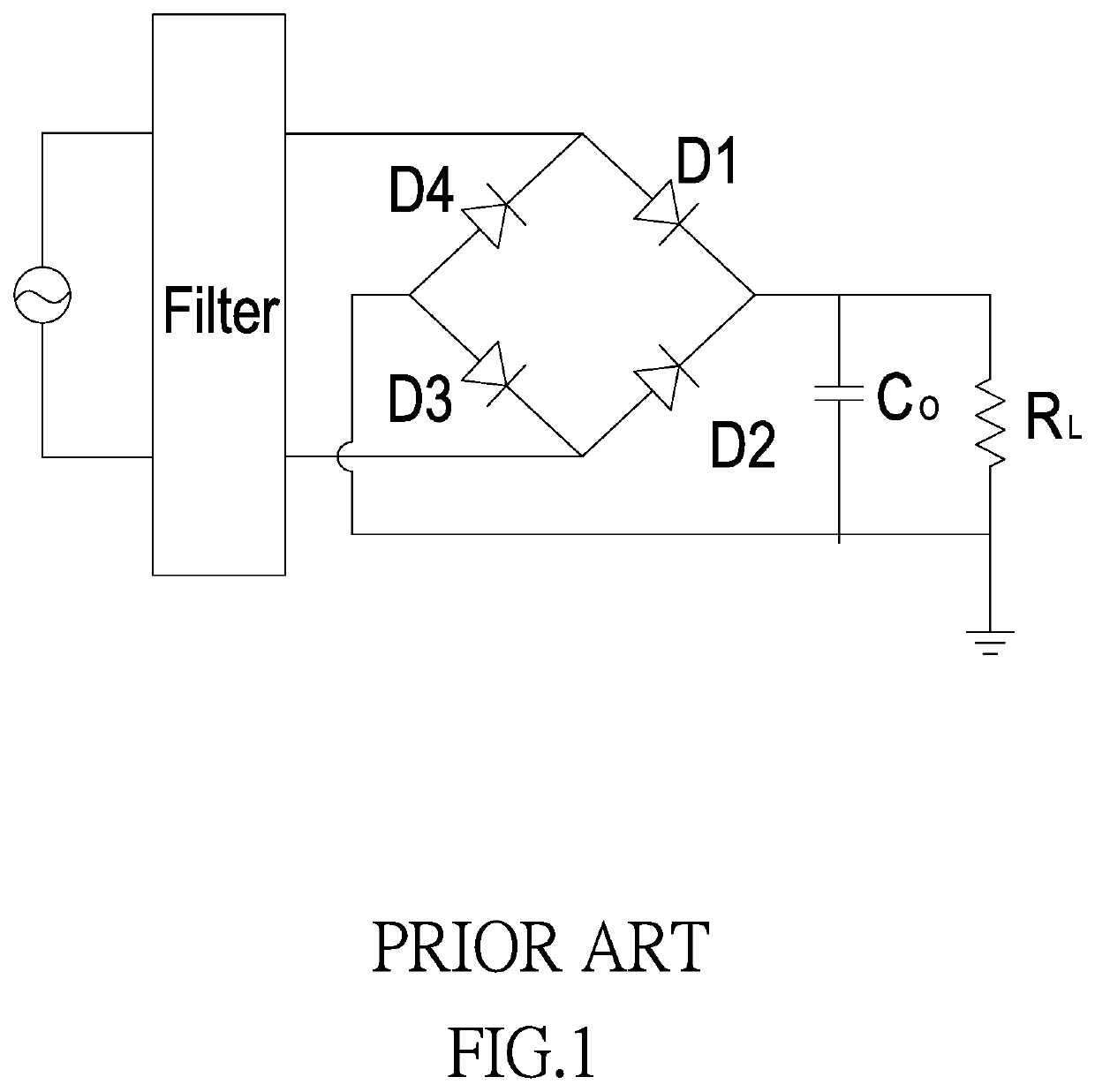
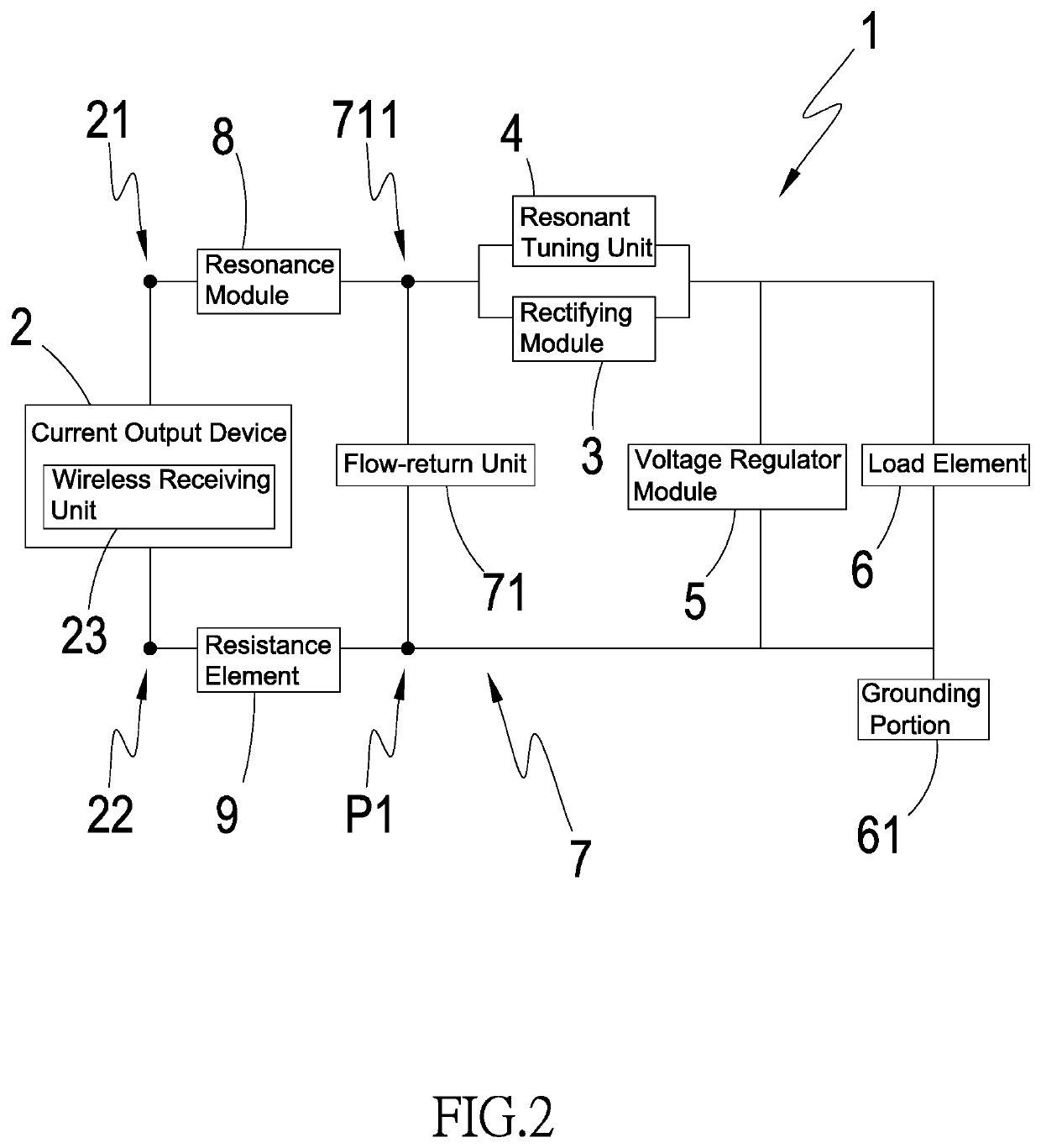
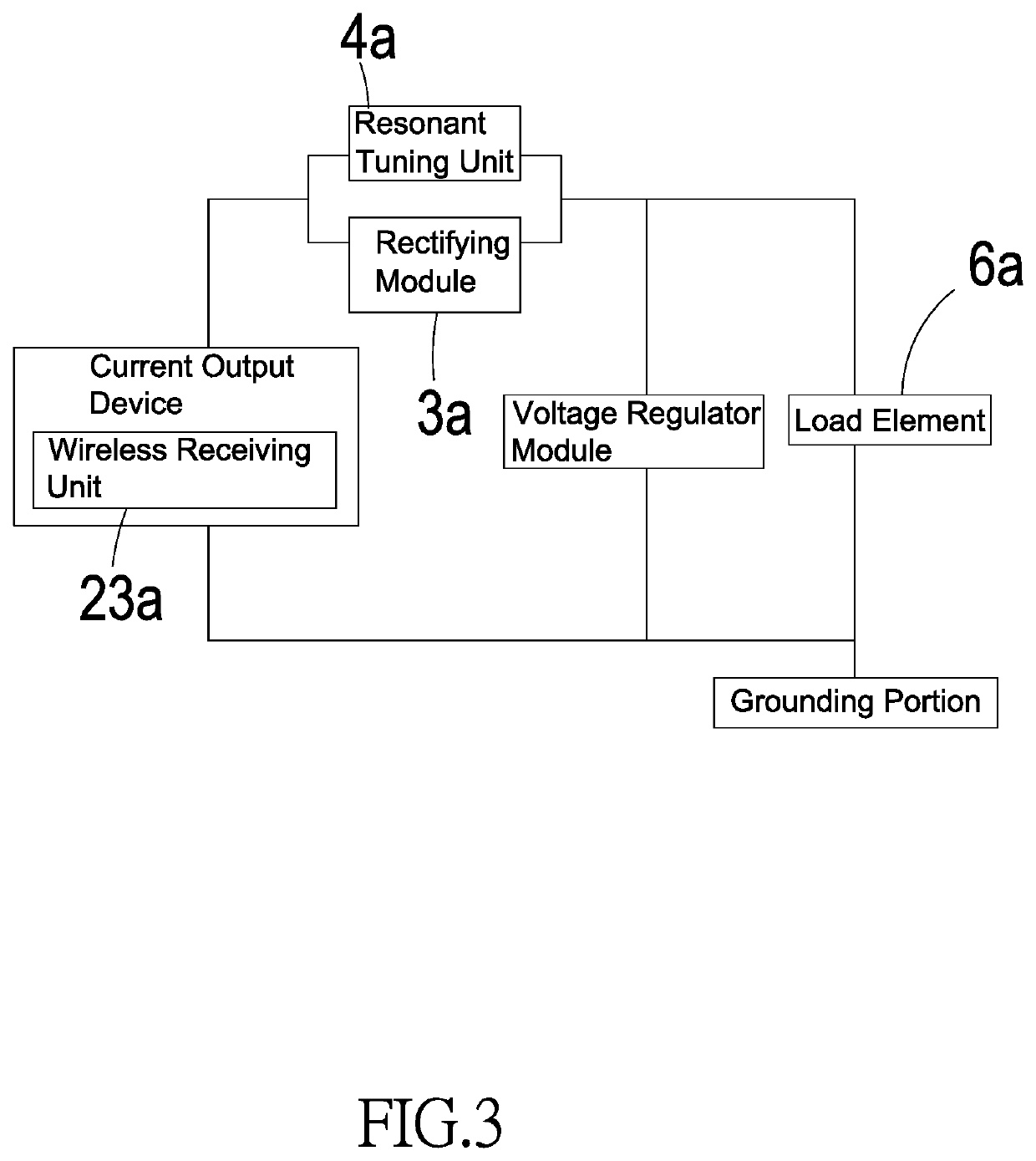
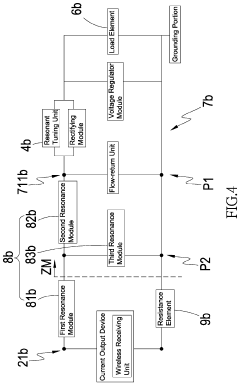
High-frequency half-wave rectifier system of low-harmonicity and high-efficiency
PatentInactiveUS10594205B2
Innovation
- A high-frequency half-wave rectifier system with a simplified structure and reduced electronic components, utilizing a resonant tuning unit and voltage regulator module to control the duty cycle and capacitance, thereby reducing harmonic content and electromagnetic interference, and improving conversion efficiency.
Rectifier circuit for high-frequency power supply
PatentWO2015097802A1
Innovation
- A high-frequency power supply rectifier circuit incorporating a half-wave rectifier with a partial resonance circuit and impedance matching elements, including capacitors and inductors, to achieve zero voltage switching and minimize switching losses, along with a smoothing circuit to maintain high power conversion efficiency and reduce heat generation.


Power Quality and EMI Considerations
Power quality and electromagnetic interference (EMI) are critical considerations in the design and implementation of half-wave rectifiers. These factors significantly impact the overall performance and efficiency of the rectification process, as well as the compatibility of the system with other electronic devices.
In terms of power quality, half-wave rectifiers inherently introduce harmonic distortion into the power system. This distortion is primarily due to the non-linear nature of the rectification process, which only allows current to flow in one direction during each cycle. The resulting waveform contains a significant amount of harmonic content, particularly odd harmonics, which can lead to increased losses in transformers and motors, as well as potential overheating of neutral conductors.
To mitigate these power quality issues, various techniques can be employed. One common approach is the use of passive filters, such as LC filters, to reduce harmonic content and smooth the output waveform. Active power factor correction (PFC) circuits can also be implemented to improve the power factor and reduce harmonic distortion. These solutions, however, must be carefully balanced against the overall efficiency goals of the rectifier system.
EMI considerations are equally important in half-wave rectifier design. The switching action of the rectifier can generate high-frequency noise that may interfere with nearby electronic equipment or violate electromagnetic compatibility (EMC) regulations. This interference can propagate through both conducted and radiated paths, potentially affecting sensitive circuits or communication systems.
To address EMI concerns, several strategies can be employed. Proper shielding and grounding techniques are essential to contain electromagnetic emissions. The use of snubber circuits and soft-switching techniques can help reduce the high-frequency noise generated during the switching process. Additionally, careful PCB layout and component placement can minimize parasitic inductances and capacitances that contribute to EMI.
It is important to note that efforts to improve power quality and reduce EMI can sometimes conflict with efficiency goals. For example, adding filtering components to reduce harmonics and EMI may introduce additional losses in the system. Therefore, designers must carefully balance these competing requirements to achieve an optimal solution that meets both performance and regulatory standards.
In conclusion, addressing power quality and EMI considerations in half-wave rectifiers requires a holistic approach that considers the entire system design. By implementing appropriate filtering, PFC techniques, and EMI mitigation strategies, designers can achieve a balance between efficiency and performance while ensuring compliance with relevant standards and regulations.
In terms of power quality, half-wave rectifiers inherently introduce harmonic distortion into the power system. This distortion is primarily due to the non-linear nature of the rectification process, which only allows current to flow in one direction during each cycle. The resulting waveform contains a significant amount of harmonic content, particularly odd harmonics, which can lead to increased losses in transformers and motors, as well as potential overheating of neutral conductors.
To mitigate these power quality issues, various techniques can be employed. One common approach is the use of passive filters, such as LC filters, to reduce harmonic content and smooth the output waveform. Active power factor correction (PFC) circuits can also be implemented to improve the power factor and reduce harmonic distortion. These solutions, however, must be carefully balanced against the overall efficiency goals of the rectifier system.
EMI considerations are equally important in half-wave rectifier design. The switching action of the rectifier can generate high-frequency noise that may interfere with nearby electronic equipment or violate electromagnetic compatibility (EMC) regulations. This interference can propagate through both conducted and radiated paths, potentially affecting sensitive circuits or communication systems.
To address EMI concerns, several strategies can be employed. Proper shielding and grounding techniques are essential to contain electromagnetic emissions. The use of snubber circuits and soft-switching techniques can help reduce the high-frequency noise generated during the switching process. Additionally, careful PCB layout and component placement can minimize parasitic inductances and capacitances that contribute to EMI.
It is important to note that efforts to improve power quality and reduce EMI can sometimes conflict with efficiency goals. For example, adding filtering components to reduce harmonics and EMI may introduce additional losses in the system. Therefore, designers must carefully balance these competing requirements to achieve an optimal solution that meets both performance and regulatory standards.
In conclusion, addressing power quality and EMI considerations in half-wave rectifiers requires a holistic approach that considers the entire system design. By implementing appropriate filtering, PFC techniques, and EMI mitigation strategies, designers can achieve a balance between efficiency and performance while ensuring compliance with relevant standards and regulations.
Cost-Benefit Analysis of Rectifier Designs
When evaluating the cost-benefit aspects of half-wave rectifier designs, it is crucial to consider both the initial investment and long-term operational costs against the performance benefits. The simplicity of half-wave rectifiers often translates to lower upfront costs, as they require fewer components compared to full-wave alternatives. This can be particularly advantageous in low-power applications or where space constraints are a primary concern.
However, the efficiency trade-off must be carefully weighed. Half-wave rectifiers utilize only one half of the AC cycle, resulting in lower power output and increased ripple in the DC output. This inefficiency can lead to higher energy costs over time, especially in applications with continuous operation. The increased ripple may necessitate more robust filtering components, potentially offsetting the initial cost savings.
Performance considerations include the quality of the DC output, which directly impacts the functionality of the powered device. Half-wave rectifiers typically produce a less stable DC voltage, which may be unsuitable for sensitive electronic equipment. In such cases, the cost savings might be negated by the need for additional voltage regulation or the risk of equipment malfunction.
The choice between half-wave and full-wave rectifiers also affects component lifespan. Half-wave rectifiers subject components to higher peak inverse voltages, potentially reducing the longevity of diodes and capacitors. This could result in more frequent replacements and increased maintenance costs, factors that should be included in long-term cost projections.
Energy efficiency is another critical factor in the cost-benefit analysis. While half-wave rectifiers are less efficient in power conversion, this may be acceptable in low-power applications where the absolute energy loss is minimal. However, in high-power scenarios, the cumulative energy waste could result in significant operational costs over time.
Ultimately, the decision to use a half-wave rectifier design should be based on a comprehensive analysis of the specific application requirements, power needs, and operational environment. In some cases, the simplicity and cost-effectiveness of half-wave rectifiers may outweigh their performance limitations. In others, the long-term benefits of more efficient designs may justify higher initial investments.
However, the efficiency trade-off must be carefully weighed. Half-wave rectifiers utilize only one half of the AC cycle, resulting in lower power output and increased ripple in the DC output. This inefficiency can lead to higher energy costs over time, especially in applications with continuous operation. The increased ripple may necessitate more robust filtering components, potentially offsetting the initial cost savings.
Performance considerations include the quality of the DC output, which directly impacts the functionality of the powered device. Half-wave rectifiers typically produce a less stable DC voltage, which may be unsuitable for sensitive electronic equipment. In such cases, the cost savings might be negated by the need for additional voltage regulation or the risk of equipment malfunction.
The choice between half-wave and full-wave rectifiers also affects component lifespan. Half-wave rectifiers subject components to higher peak inverse voltages, potentially reducing the longevity of diodes and capacitors. This could result in more frequent replacements and increased maintenance costs, factors that should be included in long-term cost projections.
Energy efficiency is another critical factor in the cost-benefit analysis. While half-wave rectifiers are less efficient in power conversion, this may be acceptable in low-power applications where the absolute energy loss is minimal. However, in high-power scenarios, the cumulative energy waste could result in significant operational costs over time.
Ultimately, the decision to use a half-wave rectifier design should be based on a comprehensive analysis of the specific application requirements, power needs, and operational environment. In some cases, the simplicity and cost-effectiveness of half-wave rectifiers may outweigh their performance limitations. In others, the long-term benefits of more efficient designs may justify higher initial investments.
Unlock deeper insights with PatSnap Eureka Quick Research — get a full tech report to explore trends and direct your research. Try now!
Generate Your Research Report Instantly with AI Agent
Supercharge your innovation with PatSnap Eureka AI Agent Platform!