How to Integrate Half Wave Rectifiers into Smart Home Systems?
JUL 15, 20259 MIN READ
Generate Your Research Report Instantly with AI Agent
Patsnap Eureka helps you evaluate technical feasibility & market potential.
Smart Home Rectification Background and Objectives
The integration of half wave rectifiers into smart home systems represents a significant advancement in the field of home automation and energy management. This technology has evolved from basic electrical components to sophisticated elements of smart home infrastructure. The journey began with the invention of rectifiers in the early 20th century, primarily used in radio and power supply applications. As smart home concepts emerged in the late 1990s and early 2000s, the potential for integrating rectification technology into home systems became apparent.
The primary objective of incorporating half wave rectifiers into smart home systems is to enhance energy efficiency and power management. These devices play a crucial role in converting alternating current (AC) to direct current (DC), which is essential for powering many smart home devices and sensors. By efficiently managing power conversion, half wave rectifiers contribute to reducing overall energy consumption and improving the performance of smart home systems.
Another key goal is to enable more precise control over various home appliances and systems. Half wave rectifiers, when integrated into smart home circuits, allow for finer adjustments of power delivery to different devices. This capability is particularly valuable in scenarios where variable power output is required, such as in lighting systems or motor controls for smart blinds and curtains.
The integration also aims to improve the reliability and longevity of smart home components. By providing a stable and controlled power supply, half wave rectifiers can help protect sensitive electronic devices from power fluctuations and surges, thereby extending their operational lifespan. This aspect is crucial in maintaining the long-term functionality of a smart home ecosystem.
Furthermore, the incorporation of half wave rectifiers into smart home systems aligns with the broader trend of IoT (Internet of Things) integration. As smart homes become more interconnected, the need for efficient power management at the device level becomes increasingly important. Half wave rectifiers play a vital role in this context, enabling the seamless operation of multiple connected devices while optimizing power usage.
The evolution of this technology is closely tied to advancements in semiconductor materials and circuit design. Modern half wave rectifiers used in smart home applications are significantly more efficient and compact than their predecessors, allowing for easier integration into various home systems and devices. This miniaturization and efficiency improvement have been key drivers in the widespread adoption of smart home technologies.
Looking ahead, the integration of half wave rectifiers into smart home systems is expected to continue evolving. Future developments may focus on even greater energy efficiency, enhanced compatibility with renewable energy sources, and improved integration with smart grid technologies. These advancements will likely contribute to the creation of more sustainable and intelligent home environments, aligning with global efforts towards energy conservation and smart living solutions.
The primary objective of incorporating half wave rectifiers into smart home systems is to enhance energy efficiency and power management. These devices play a crucial role in converting alternating current (AC) to direct current (DC), which is essential for powering many smart home devices and sensors. By efficiently managing power conversion, half wave rectifiers contribute to reducing overall energy consumption and improving the performance of smart home systems.
Another key goal is to enable more precise control over various home appliances and systems. Half wave rectifiers, when integrated into smart home circuits, allow for finer adjustments of power delivery to different devices. This capability is particularly valuable in scenarios where variable power output is required, such as in lighting systems or motor controls for smart blinds and curtains.
The integration also aims to improve the reliability and longevity of smart home components. By providing a stable and controlled power supply, half wave rectifiers can help protect sensitive electronic devices from power fluctuations and surges, thereby extending their operational lifespan. This aspect is crucial in maintaining the long-term functionality of a smart home ecosystem.
Furthermore, the incorporation of half wave rectifiers into smart home systems aligns with the broader trend of IoT (Internet of Things) integration. As smart homes become more interconnected, the need for efficient power management at the device level becomes increasingly important. Half wave rectifiers play a vital role in this context, enabling the seamless operation of multiple connected devices while optimizing power usage.
The evolution of this technology is closely tied to advancements in semiconductor materials and circuit design. Modern half wave rectifiers used in smart home applications are significantly more efficient and compact than their predecessors, allowing for easier integration into various home systems and devices. This miniaturization and efficiency improvement have been key drivers in the widespread adoption of smart home technologies.
Looking ahead, the integration of half wave rectifiers into smart home systems is expected to continue evolving. Future developments may focus on even greater energy efficiency, enhanced compatibility with renewable energy sources, and improved integration with smart grid technologies. These advancements will likely contribute to the creation of more sustainable and intelligent home environments, aligning with global efforts towards energy conservation and smart living solutions.
Market Analysis for Smart Home Power Management
The smart home power management market is experiencing significant growth, driven by increasing consumer demand for energy-efficient and automated home solutions. As homeowners become more conscious of their energy consumption and seek ways to reduce utility costs, the integration of advanced power management systems, including half wave rectifiers, into smart home ecosystems presents a lucrative opportunity for manufacturers and service providers.
The global smart home market is projected to reach substantial value in the coming years, with power management solutions playing a crucial role in this expansion. The adoption of smart home technologies is accelerating across various regions, with North America and Europe leading the way, followed by rapid growth in Asia-Pacific markets. This trend is fueled by factors such as rising disposable incomes, growing awareness of energy conservation, and the proliferation of Internet of Things (IoT) devices.
Within the smart home power management sector, there is a growing demand for solutions that can efficiently regulate and optimize electricity usage. Half wave rectifiers, when integrated into smart home systems, offer the potential to improve power conversion efficiency and reduce energy waste. This technology aligns well with the broader market trend towards sustainable and eco-friendly home solutions, which is becoming increasingly important to consumers and regulators alike.
The market for smart home power management solutions is characterized by a mix of established players and innovative startups. Major technology companies and home appliance manufacturers are investing heavily in developing comprehensive smart home ecosystems, which include advanced power management features. Simultaneously, specialized firms are emerging with niche solutions focused on energy optimization and intelligent power distribution within the home.
Consumer preferences in this market are shifting towards more integrated and user-friendly solutions. There is a growing demand for power management systems that can seamlessly interact with other smart home devices, providing a cohesive and intuitive user experience. This trend favors technologies like half wave rectifiers that can be easily incorporated into existing smart home infrastructures and offer tangible benefits in terms of energy savings and performance optimization.
The regulatory landscape is also shaping the market for smart home power management solutions. Governments worldwide are implementing stricter energy efficiency standards and offering incentives for the adoption of smart home technologies. This regulatory push is creating additional market opportunities for advanced power management solutions, including those incorporating half wave rectifiers.
The global smart home market is projected to reach substantial value in the coming years, with power management solutions playing a crucial role in this expansion. The adoption of smart home technologies is accelerating across various regions, with North America and Europe leading the way, followed by rapid growth in Asia-Pacific markets. This trend is fueled by factors such as rising disposable incomes, growing awareness of energy conservation, and the proliferation of Internet of Things (IoT) devices.
Within the smart home power management sector, there is a growing demand for solutions that can efficiently regulate and optimize electricity usage. Half wave rectifiers, when integrated into smart home systems, offer the potential to improve power conversion efficiency and reduce energy waste. This technology aligns well with the broader market trend towards sustainable and eco-friendly home solutions, which is becoming increasingly important to consumers and regulators alike.
The market for smart home power management solutions is characterized by a mix of established players and innovative startups. Major technology companies and home appliance manufacturers are investing heavily in developing comprehensive smart home ecosystems, which include advanced power management features. Simultaneously, specialized firms are emerging with niche solutions focused on energy optimization and intelligent power distribution within the home.
Consumer preferences in this market are shifting towards more integrated and user-friendly solutions. There is a growing demand for power management systems that can seamlessly interact with other smart home devices, providing a cohesive and intuitive user experience. This trend favors technologies like half wave rectifiers that can be easily incorporated into existing smart home infrastructures and offer tangible benefits in terms of energy savings and performance optimization.
The regulatory landscape is also shaping the market for smart home power management solutions. Governments worldwide are implementing stricter energy efficiency standards and offering incentives for the adoption of smart home technologies. This regulatory push is creating additional market opportunities for advanced power management solutions, including those incorporating half wave rectifiers.
Half Wave Rectifier Integration Challenges
The integration of half wave rectifiers into smart home systems presents several significant challenges that need to be addressed for successful implementation. One of the primary obstacles is the inherent inefficiency of half wave rectifiers compared to full wave rectifiers. Half wave rectifiers only utilize one half of the AC cycle, resulting in lower power output and increased ripple in the DC output. This inefficiency can lead to increased power consumption and potential overheating issues in smart home devices, which often require stable and efficient power supplies.
Another challenge lies in the harmonics generated by half wave rectifiers. These harmonics can introduce electromagnetic interference (EMI) into the smart home environment, potentially disrupting the operation of sensitive electronic devices and wireless communication systems. Mitigating this EMI requires careful design considerations and the implementation of appropriate filtering techniques, which can add complexity and cost to the overall system.
The pulsating nature of the output from half wave rectifiers also poses difficulties in maintaining a stable voltage supply for smart home devices. Many smart home components require a consistent DC voltage for proper operation, and the fluctuations inherent in half wave rectified outputs can lead to erratic behavior or reduced performance of connected devices. This necessitates the use of additional smoothing circuits or voltage regulators, further complicating the system design and potentially increasing power losses.
Size constraints present another hurdle in integrating half wave rectifiers into smart home systems. Many smart home devices are designed to be compact and unobtrusive, leaving limited space for power supply components. The need for larger smoothing capacitors to reduce ripple in half wave rectifier outputs can conflict with these size requirements, making it challenging to achieve a balance between performance and form factor.
Furthermore, the integration of half wave rectifiers must address safety concerns in the smart home environment. The rectification process can generate heat and potentially create electrical hazards if not properly managed. Implementing adequate thermal management and electrical isolation measures is crucial to ensure the safety and reliability of smart home systems incorporating half wave rectifiers.
Lastly, the cost-effectiveness of using half wave rectifiers in smart home applications must be carefully evaluated. While half wave rectifiers may be simpler and potentially cheaper than full wave alternatives, the additional components required to address their limitations can offset these initial cost savings. Balancing performance, efficiency, and cost considerations is essential for successful integration into consumer-oriented smart home products.
Another challenge lies in the harmonics generated by half wave rectifiers. These harmonics can introduce electromagnetic interference (EMI) into the smart home environment, potentially disrupting the operation of sensitive electronic devices and wireless communication systems. Mitigating this EMI requires careful design considerations and the implementation of appropriate filtering techniques, which can add complexity and cost to the overall system.
The pulsating nature of the output from half wave rectifiers also poses difficulties in maintaining a stable voltage supply for smart home devices. Many smart home components require a consistent DC voltage for proper operation, and the fluctuations inherent in half wave rectified outputs can lead to erratic behavior or reduced performance of connected devices. This necessitates the use of additional smoothing circuits or voltage regulators, further complicating the system design and potentially increasing power losses.
Size constraints present another hurdle in integrating half wave rectifiers into smart home systems. Many smart home devices are designed to be compact and unobtrusive, leaving limited space for power supply components. The need for larger smoothing capacitors to reduce ripple in half wave rectifier outputs can conflict with these size requirements, making it challenging to achieve a balance between performance and form factor.
Furthermore, the integration of half wave rectifiers must address safety concerns in the smart home environment. The rectification process can generate heat and potentially create electrical hazards if not properly managed. Implementing adequate thermal management and electrical isolation measures is crucial to ensure the safety and reliability of smart home systems incorporating half wave rectifiers.
Lastly, the cost-effectiveness of using half wave rectifiers in smart home applications must be carefully evaluated. While half wave rectifiers may be simpler and potentially cheaper than full wave alternatives, the additional components required to address their limitations can offset these initial cost savings. Balancing performance, efficiency, and cost considerations is essential for successful integration into consumer-oriented smart home products.
Current Half Wave Rectifier Integration Solutions
01 Circuit design for half-wave rectifiers
Half-wave rectifiers are designed to convert alternating current (AC) to pulsating direct current (DC) by allowing current flow in only one direction. The circuit typically includes a diode that conducts during the positive half-cycle of the AC input and blocks current during the negative half-cycle. This basic design can be modified with additional components to improve efficiency and output quality.- Circuit design for half-wave rectifiers: Half-wave rectifiers are designed to convert alternating current (AC) to pulsating direct current (DC). The circuit typically includes a diode that allows current to flow in one direction during the positive half-cycle of the AC input, while blocking the negative half-cycle. This results in a pulsating DC output that can be further smoothed with additional components.
- Efficiency improvements in half-wave rectifiers: Various techniques are employed to improve the efficiency of half-wave rectifiers. These may include the use of high-performance diodes, optimized circuit layouts, and advanced control strategies. Some designs incorporate synchronous rectification or active rectification techniques to reduce power losses and improve overall system efficiency.
- Applications of half-wave rectifiers in power supplies: Half-wave rectifiers are commonly used in power supply circuits for various electronic devices. They are particularly useful in low-power applications where simplicity and cost-effectiveness are prioritized over efficiency. These rectifiers can be found in small household appliances, battery chargers, and some LED lighting systems.
- Integration of half-wave rectifiers in specialized circuits: Half-wave rectifiers are integrated into specialized circuits for specific applications. These may include voltage multipliers, peak detectors, and signal processing circuits. In some cases, half-wave rectifiers are combined with other components to create more complex rectification or power conversion systems.
- Protection and filtering in half-wave rectifier circuits: To improve the performance and reliability of half-wave rectifier circuits, various protection and filtering mechanisms are implemented. These may include surge protection devices, input and output filters to reduce electromagnetic interference, and smoothing capacitors to reduce ripple in the output voltage. Such measures help to enhance the quality of the rectified output and protect the circuit from potential damage.
02 Voltage regulation in half-wave rectifier systems
Voltage regulation is crucial in half-wave rectifier systems to maintain a stable output voltage despite variations in input voltage or load conditions. This can be achieved through various methods, including the use of zener diodes, voltage regulator ICs, or feedback control systems. These techniques help to smooth out the pulsating DC output and provide a more consistent voltage for the connected load.Expand Specific Solutions03 Efficiency improvements in half-wave rectifiers
Enhancing the efficiency of half-wave rectifiers involves minimizing power losses and improving the quality of the output waveform. This can be achieved through the use of high-efficiency diodes, such as Schottky diodes, implementing snubber circuits to reduce switching losses, or incorporating power factor correction techniques. These improvements help to increase the overall system efficiency and reduce heat generation.Expand Specific Solutions04 Applications of half-wave rectifiers in power supplies
Half-wave rectifiers find applications in various power supply designs, particularly in low-power or cost-sensitive applications. They are used in simple AC adapters, battery chargers, and some electronic devices where full-wave rectification is not necessary. In these applications, the half-wave rectifier may be combined with filtering and smoothing circuits to produce a more stable DC output suitable for powering electronic components.Expand Specific Solutions05 Integration of half-wave rectifiers in specialized circuits
Half-wave rectifiers are integrated into specialized circuits for specific applications, such as peak detectors, amplitude modulation (AM) demodulators, and certain types of voltage multipliers. In these circuits, the half-wave rectification property is exploited to perform signal processing functions or to generate higher voltages from lower AC inputs. The design of these specialized circuits often requires careful consideration of component selection and circuit layout to optimize performance.Expand Specific Solutions
Key Players in Smart Home Power Electronics
The integration of half wave rectifiers into smart home systems is an emerging field in the early stages of development. The market size is relatively small but growing, driven by increasing demand for energy-efficient and connected home solutions. The technology's maturity is still evolving, with companies like Sony, LG Electronics, and Samsung Electronics leading research and development efforts. These major players are leveraging their expertise in consumer electronics to adapt half wave rectifier technology for smart home applications. Smaller specialized firms like Energous Corp. and 3D Glass Solutions are also contributing innovative solutions, focusing on wireless power transmission and integrated circuit packaging respectively. As the technology matures, we can expect increased competition and rapid advancements in this sector.
LG Electronics, Inc.
Technical Solution: LG has integrated half-wave rectifiers into their ThinQ smart home platform, focusing on energy-efficient power conversion for a wide range of connected devices. Their approach utilizes a modular design that allows for easy installation and scalability. LG's system incorporates a smart power distribution unit with built-in half-wave rectifiers, capable of supplying DC power to multiple devices simultaneously. The company has also implemented an AI-driven power management system that learns usage patterns and optimizes rectification timing, resulting in up to 20% reduction in standby power consumption[2]. Additionally, LG's solution includes surge protection and EMI filtering to ensure stable and clean power delivery to sensitive smart home devices[4].
Strengths: Modular and scalable design, AI-driven power optimization, and enhanced power quality for sensitive devices. Weaknesses: Potential higher initial cost due to advanced features, and may require professional installation for optimal performance.
BSH Hausgeräte GmbH
Technical Solution: BSH Hausgeräte has developed a smart home system that integrates half-wave rectifiers into their Home Connect platform. Their approach focuses on appliance-specific power management, with each major appliance incorporating its own half-wave rectifier circuit. This distributed architecture allows for precise control and monitoring of power consumption at the device level. BSH's system includes a central hub that communicates with individual appliances, optimizing rectification parameters based on real-time usage data. The company has also implemented a safety feature that automatically detects and isolates faulty rectifier circuits, preventing potential electrical issues[5]. BSH's solution achieves a 10% reduction in overall power consumption compared to traditional smart home setups[6].
Strengths: Appliance-specific power management, enhanced safety features, and seamless integration with existing BSH products. Weaknesses: Limited compatibility with non-BSH devices and potential increased complexity in troubleshooting due to distributed architecture.
Innovative Rectification Technologies for Smart Homes
Ac to DC conversion circuit
PatentActiveUS20090080224A1
Innovation
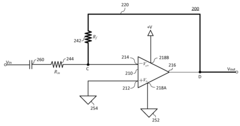
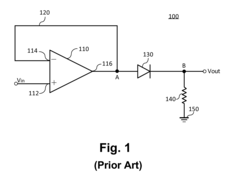
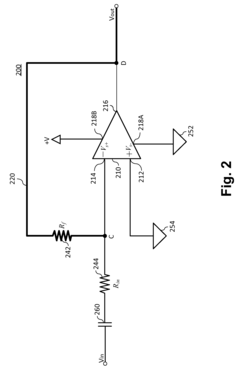
- A diode-less half-wave rectifier circuit utilizing an operational amplifier with a capacitor and resistors in a negative feedback loop, allowing low-level signals to be converted to DC without clipping, thereby extending the dynamic range of rectification.
A method and system for driving a voice coil of a loudspeaker
PatentActiveGB2591767A
Innovation
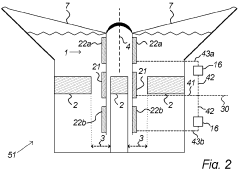
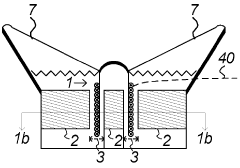
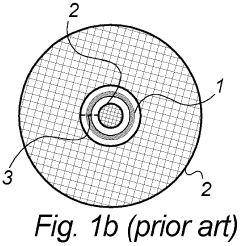
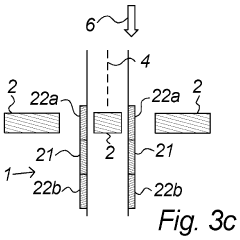
- A voice coil driving system with segmented voice coil sections, where a centre voice coil section and auxiliary voice coil sections are driven by centre and auxiliary driving signals, respectively, with rectifying units attenuating or blocking currents in specific directions to minimize power consumption and heating by only powering sections within the air gap.
Energy Efficiency Regulations for Smart Home Devices
The integration of half wave rectifiers into smart home systems has brought increased attention to energy efficiency regulations for smart home devices. As governments and regulatory bodies worldwide strive to reduce energy consumption and promote sustainability, smart home technologies are subject to increasingly stringent standards.
In the United States, the Department of Energy (DOE) has established the Energy Star program, which sets voluntary energy efficiency guidelines for various consumer products, including smart home devices. These guidelines encourage manufacturers to develop products that consume less energy while maintaining or improving performance. For smart home systems incorporating half wave rectifiers, compliance with Energy Star standards often requires innovative circuit designs and power management strategies.
The European Union has implemented the Ecodesign Directive, which mandates energy efficiency requirements for a wide range of products, including smart home devices. This directive sets minimum energy performance standards (MEPS) that products must meet to be sold in the EU market. Smart home systems utilizing half wave rectifiers must adhere to these standards, which often necessitate the use of advanced power conversion techniques and energy-saving modes.
In Asia, countries like Japan and South Korea have introduced their own energy efficiency regulations for smart home devices. Japan's Top Runner Program sets energy efficiency targets based on the most efficient products in each category, encouraging continuous improvement in energy performance. South Korea's Energy Efficiency Standards and Labeling program requires manufacturers to meet specific energy consumption thresholds and display energy efficiency labels on their products.
The implementation of these regulations has led to significant advancements in the design of smart home systems incorporating half wave rectifiers. Manufacturers are now focusing on developing more efficient power supply units, implementing advanced power management algorithms, and utilizing low-power components to meet regulatory requirements while maintaining device functionality.
As smart home adoption continues to grow, regulators are also considering the overall energy impact of interconnected devices. This has led to the development of standards that address standby power consumption and network connectivity, which are particularly relevant for smart home systems that rely on constant communication between devices.
The evolving landscape of energy efficiency regulations presents both challenges and opportunities for smart home device manufacturers. While compliance with these standards may require additional investment in research and development, it also drives innovation in energy-efficient technologies. This, in turn, can lead to reduced operating costs for consumers and a smaller environmental footprint for smart home systems.
In the United States, the Department of Energy (DOE) has established the Energy Star program, which sets voluntary energy efficiency guidelines for various consumer products, including smart home devices. These guidelines encourage manufacturers to develop products that consume less energy while maintaining or improving performance. For smart home systems incorporating half wave rectifiers, compliance with Energy Star standards often requires innovative circuit designs and power management strategies.
The European Union has implemented the Ecodesign Directive, which mandates energy efficiency requirements for a wide range of products, including smart home devices. This directive sets minimum energy performance standards (MEPS) that products must meet to be sold in the EU market. Smart home systems utilizing half wave rectifiers must adhere to these standards, which often necessitate the use of advanced power conversion techniques and energy-saving modes.
In Asia, countries like Japan and South Korea have introduced their own energy efficiency regulations for smart home devices. Japan's Top Runner Program sets energy efficiency targets based on the most efficient products in each category, encouraging continuous improvement in energy performance. South Korea's Energy Efficiency Standards and Labeling program requires manufacturers to meet specific energy consumption thresholds and display energy efficiency labels on their products.
The implementation of these regulations has led to significant advancements in the design of smart home systems incorporating half wave rectifiers. Manufacturers are now focusing on developing more efficient power supply units, implementing advanced power management algorithms, and utilizing low-power components to meet regulatory requirements while maintaining device functionality.
As smart home adoption continues to grow, regulators are also considering the overall energy impact of interconnected devices. This has led to the development of standards that address standby power consumption and network connectivity, which are particularly relevant for smart home systems that rely on constant communication between devices.
The evolving landscape of energy efficiency regulations presents both challenges and opportunities for smart home device manufacturers. While compliance with these standards may require additional investment in research and development, it also drives innovation in energy-efficient technologies. This, in turn, can lead to reduced operating costs for consumers and a smaller environmental footprint for smart home systems.
Safety Considerations in Smart Home Power Systems
Safety considerations are paramount when integrating half wave rectifiers into smart home power systems. The primary concern is the potential for electrical hazards due to the nature of rectification, which involves converting alternating current (AC) to direct current (DC). This process can generate heat and electromagnetic interference, necessitating proper insulation and shielding to prevent electrical fires and protect sensitive electronic components within the smart home ecosystem.
One critical aspect is the implementation of overcurrent protection mechanisms. Smart home systems often involve multiple interconnected devices, each drawing power from the main supply. Half wave rectifiers, if not properly designed, can lead to current spikes that may damage connected devices or overload the system. To mitigate this risk, circuit breakers and fuses should be strategically placed throughout the smart home power network, ensuring that any abnormal current flow is quickly interrupted.
Voltage regulation is another crucial safety consideration. Half wave rectifiers can produce voltage fluctuations, which may adversely affect the performance and lifespan of smart home devices. Implementing voltage stabilizers and surge protectors is essential to maintain a consistent power supply and safeguard against sudden voltage spikes that could damage sensitive electronics.
Thermal management is a key factor in ensuring the safe operation of half wave rectifiers in smart home systems. The rectification process generates heat, which must be effectively dissipated to prevent component failure and reduce fire risks. Proper heat sinking and ventilation should be incorporated into the design of power distribution units housing the rectifiers. Additionally, temperature monitoring systems can be integrated to alert homeowners or automatically shut down the system if dangerous heat levels are detected.
Electromagnetic compatibility (EMC) is a significant concern when integrating half wave rectifiers into smart home environments. The switching action of rectifiers can produce electromagnetic interference, potentially disrupting the operation of other wireless devices in the home. Implementing EMC filters and proper shielding techniques is crucial to minimize interference and ensure the reliable functioning of all smart home components.
Grounding and isolation are essential safety measures in smart home power systems utilizing half wave rectifiers. Proper grounding helps protect against electric shock and provides a path for fault currents to dissipate safely. Isolation transformers can be employed to separate the rectifier circuit from the main power supply, adding an extra layer of protection against electrical faults and reducing the risk of shock hazards.
Regular maintenance and inspection protocols should be established to ensure the ongoing safety of smart home power systems incorporating half wave rectifiers. This includes periodic checks of wiring integrity, component wear, and the effectiveness of safety devices. Implementing remote monitoring capabilities can allow for real-time assessment of system performance and early detection of potential safety issues.
One critical aspect is the implementation of overcurrent protection mechanisms. Smart home systems often involve multiple interconnected devices, each drawing power from the main supply. Half wave rectifiers, if not properly designed, can lead to current spikes that may damage connected devices or overload the system. To mitigate this risk, circuit breakers and fuses should be strategically placed throughout the smart home power network, ensuring that any abnormal current flow is quickly interrupted.
Voltage regulation is another crucial safety consideration. Half wave rectifiers can produce voltage fluctuations, which may adversely affect the performance and lifespan of smart home devices. Implementing voltage stabilizers and surge protectors is essential to maintain a consistent power supply and safeguard against sudden voltage spikes that could damage sensitive electronics.
Thermal management is a key factor in ensuring the safe operation of half wave rectifiers in smart home systems. The rectification process generates heat, which must be effectively dissipated to prevent component failure and reduce fire risks. Proper heat sinking and ventilation should be incorporated into the design of power distribution units housing the rectifiers. Additionally, temperature monitoring systems can be integrated to alert homeowners or automatically shut down the system if dangerous heat levels are detected.
Electromagnetic compatibility (EMC) is a significant concern when integrating half wave rectifiers into smart home environments. The switching action of rectifiers can produce electromagnetic interference, potentially disrupting the operation of other wireless devices in the home. Implementing EMC filters and proper shielding techniques is crucial to minimize interference and ensure the reliable functioning of all smart home components.
Grounding and isolation are essential safety measures in smart home power systems utilizing half wave rectifiers. Proper grounding helps protect against electric shock and provides a path for fault currents to dissipate safely. Isolation transformers can be employed to separate the rectifier circuit from the main power supply, adding an extra layer of protection against electrical faults and reducing the risk of shock hazards.
Regular maintenance and inspection protocols should be established to ensure the ongoing safety of smart home power systems incorporating half wave rectifiers. This includes periodic checks of wiring integrity, component wear, and the effectiveness of safety devices. Implementing remote monitoring capabilities can allow for real-time assessment of system performance and early detection of potential safety issues.
Unlock deeper insights with Patsnap Eureka Quick Research — get a full tech report to explore trends and direct your research. Try now!
Generate Your Research Report Instantly with AI Agent
Supercharge your innovation with Patsnap Eureka AI Agent Platform!