How to Plan R&D for Future PLA Applications?
JUN 25, 20259 MIN READ
Generate Your Research Report Instantly with AI Agent
PatSnap Eureka helps you evaluate technical feasibility & market potential.
PLA Technology Overview and R&D Objectives
Polylactic acid (PLA) has emerged as a promising biodegradable polymer with diverse applications across industries. As we look towards the future of PLA technology, it is crucial to understand its current state and set clear objectives for research and development efforts.
PLA, derived from renewable resources such as corn starch or sugarcane, has gained significant attention due to its biodegradability and versatility. The technology has evolved from its initial use in medical applications to a wide range of industries, including packaging, textiles, and 3D printing. This expansion has been driven by increasing environmental concerns and the push for sustainable alternatives to traditional petroleum-based plastics.
The primary goal of PLA research and development is to enhance its properties and expand its applications while maintaining its eco-friendly characteristics. Key objectives include improving PLA's mechanical strength, thermal stability, and barrier properties to compete with conventional plastics in more demanding applications. Additionally, researchers aim to optimize PLA production processes to reduce costs and increase efficiency, making it more economically viable for widespread adoption.
Another critical area of focus is the development of PLA composites and blends. By combining PLA with other materials, researchers seek to create new formulations with enhanced properties, such as increased flexibility, improved impact resistance, or better heat resistance. These advancements could open up new markets and applications for PLA-based products.
The end-of-life management of PLA products is also a key consideration in R&D planning. While PLA is biodegradable, optimizing its degradation process and developing efficient recycling methods are essential for realizing its full environmental benefits. Research into controlled degradation and the development of specialized composting facilities are ongoing efforts to address these challenges.
As we plan for future PLA applications, it is crucial to consider emerging technologies and their potential synergies with PLA. For instance, the integration of PLA with smart materials or nanotechnology could lead to innovative products with enhanced functionalities. Additionally, exploring the use of alternative feedstocks for PLA production, such as agricultural waste or algae, could further improve its sustainability profile and reduce competition with food crops.
In conclusion, the R&D objectives for future PLA applications are multifaceted, focusing on enhancing material properties, expanding application areas, improving production efficiency, and addressing end-of-life considerations. By pursuing these objectives, researchers and industry stakeholders can unlock the full potential of PLA technology and contribute to a more sustainable future.
PLA, derived from renewable resources such as corn starch or sugarcane, has gained significant attention due to its biodegradability and versatility. The technology has evolved from its initial use in medical applications to a wide range of industries, including packaging, textiles, and 3D printing. This expansion has been driven by increasing environmental concerns and the push for sustainable alternatives to traditional petroleum-based plastics.
The primary goal of PLA research and development is to enhance its properties and expand its applications while maintaining its eco-friendly characteristics. Key objectives include improving PLA's mechanical strength, thermal stability, and barrier properties to compete with conventional plastics in more demanding applications. Additionally, researchers aim to optimize PLA production processes to reduce costs and increase efficiency, making it more economically viable for widespread adoption.
Another critical area of focus is the development of PLA composites and blends. By combining PLA with other materials, researchers seek to create new formulations with enhanced properties, such as increased flexibility, improved impact resistance, or better heat resistance. These advancements could open up new markets and applications for PLA-based products.
The end-of-life management of PLA products is also a key consideration in R&D planning. While PLA is biodegradable, optimizing its degradation process and developing efficient recycling methods are essential for realizing its full environmental benefits. Research into controlled degradation and the development of specialized composting facilities are ongoing efforts to address these challenges.
As we plan for future PLA applications, it is crucial to consider emerging technologies and their potential synergies with PLA. For instance, the integration of PLA with smart materials or nanotechnology could lead to innovative products with enhanced functionalities. Additionally, exploring the use of alternative feedstocks for PLA production, such as agricultural waste or algae, could further improve its sustainability profile and reduce competition with food crops.
In conclusion, the R&D objectives for future PLA applications are multifaceted, focusing on enhancing material properties, expanding application areas, improving production efficiency, and addressing end-of-life considerations. By pursuing these objectives, researchers and industry stakeholders can unlock the full potential of PLA technology and contribute to a more sustainable future.
Market Analysis for PLA Applications
The market for Polylactic Acid (PLA) applications is experiencing significant growth and diversification, driven by increasing environmental concerns and the push for sustainable materials. PLA, a biodegradable and renewable polymer derived from plant-based sources, has gained traction across various industries due to its eco-friendly properties and versatility.
In the packaging sector, PLA has emerged as a viable alternative to traditional petroleum-based plastics. The food and beverage industry, in particular, has shown a strong interest in PLA for disposable containers, utensils, and food packaging. This trend is expected to continue as consumers become more environmentally conscious and regulations on single-use plastics tighten globally.
The medical and pharmaceutical industries represent another key market for PLA applications. The biocompatibility and biodegradability of PLA make it an attractive material for medical implants, drug delivery systems, and tissue engineering scaffolds. As healthcare systems worldwide seek more sustainable and patient-friendly solutions, the demand for PLA in medical applications is projected to grow substantially.
In the textile industry, PLA fibers are gaining popularity as an eco-friendly alternative to synthetic fibers. The apparel and home furnishing sectors are increasingly incorporating PLA-based fabrics into their product lines, appealing to environmentally conscious consumers. This trend is likely to accelerate as brands commit to sustainability goals and circular economy principles.
The automotive industry is also exploring PLA applications, particularly for interior components and non-structural parts. As automakers strive to reduce vehicle weight and improve fuel efficiency, PLA composites offer a lightweight and potentially recyclable option. However, challenges related to heat resistance and durability need to be addressed for wider adoption in this sector.
The agriculture sector presents opportunities for PLA in mulch films, plant pots, and controlled-release systems for fertilizers and pesticides. The biodegradability of PLA aligns well with the growing emphasis on sustainable farming practices and reducing plastic pollution in agricultural environments.
Despite the promising outlook, several factors could influence the market dynamics for PLA applications. The cost competitiveness of PLA compared to conventional plastics remains a challenge, particularly in price-sensitive markets. Fluctuations in raw material prices and production capacity can impact PLA's market penetration.
Technological advancements in PLA production and processing are crucial for expanding its application range and improving performance characteristics. Ongoing research and development efforts focus on enhancing PLA's thermal stability, mechanical properties, and processability to broaden its industrial applications.
In the packaging sector, PLA has emerged as a viable alternative to traditional petroleum-based plastics. The food and beverage industry, in particular, has shown a strong interest in PLA for disposable containers, utensils, and food packaging. This trend is expected to continue as consumers become more environmentally conscious and regulations on single-use plastics tighten globally.
The medical and pharmaceutical industries represent another key market for PLA applications. The biocompatibility and biodegradability of PLA make it an attractive material for medical implants, drug delivery systems, and tissue engineering scaffolds. As healthcare systems worldwide seek more sustainable and patient-friendly solutions, the demand for PLA in medical applications is projected to grow substantially.
In the textile industry, PLA fibers are gaining popularity as an eco-friendly alternative to synthetic fibers. The apparel and home furnishing sectors are increasingly incorporating PLA-based fabrics into their product lines, appealing to environmentally conscious consumers. This trend is likely to accelerate as brands commit to sustainability goals and circular economy principles.
The automotive industry is also exploring PLA applications, particularly for interior components and non-structural parts. As automakers strive to reduce vehicle weight and improve fuel efficiency, PLA composites offer a lightweight and potentially recyclable option. However, challenges related to heat resistance and durability need to be addressed for wider adoption in this sector.
The agriculture sector presents opportunities for PLA in mulch films, plant pots, and controlled-release systems for fertilizers and pesticides. The biodegradability of PLA aligns well with the growing emphasis on sustainable farming practices and reducing plastic pollution in agricultural environments.
Despite the promising outlook, several factors could influence the market dynamics for PLA applications. The cost competitiveness of PLA compared to conventional plastics remains a challenge, particularly in price-sensitive markets. Fluctuations in raw material prices and production capacity can impact PLA's market penetration.
Technological advancements in PLA production and processing are crucial for expanding its application range and improving performance characteristics. Ongoing research and development efforts focus on enhancing PLA's thermal stability, mechanical properties, and processability to broaden its industrial applications.
Current PLA Challenges and Limitations
Polylactic acid (PLA) has gained significant attention as a biodegradable and renewable alternative to traditional plastics. However, its widespread adoption faces several challenges and limitations that need to be addressed through focused research and development efforts.
One of the primary challenges is PLA's inherent brittleness and low impact resistance, which limits its application in products requiring durability and toughness. This mechanical weakness restricts PLA's use in sectors such as automotive, construction, and consumer goods where high-performance materials are essential. Improving PLA's mechanical properties without compromising its biodegradability remains a critical area for R&D.
Thermal stability is another significant limitation of PLA. The material's low glass transition temperature and heat deflection temperature restrict its use in high-temperature applications. This constraint poses challenges in sectors like electronics, automotive, and packaging where heat resistance is crucial. Developing heat-resistant PLA formulations or effective additives to enhance thermal stability is a key research priority.
PLA's relatively slow biodegradation rate in natural environments presents another challenge. While it is biodegradable, the process can take several months to years depending on environmental conditions. This slow degradation rate raises concerns about its environmental impact and limits its appeal in single-use applications. Accelerating PLA's biodegradation without compromising its useful lifespan is an important area for future research.
The high production cost of PLA compared to conventional plastics remains a significant barrier to widespread adoption. The complex production process and the cost of raw materials contribute to this price disparity. Developing more efficient production methods and exploring alternative feedstocks could help reduce costs and make PLA more competitive in the market.
PLA's moisture sensitivity is another limitation that affects its long-term stability and performance. The material tends to absorb moisture from the environment, leading to hydrolysis and degradation of its properties over time. This characteristic limits PLA's use in applications requiring long shelf life or exposure to humid conditions. Improving PLA's moisture resistance without compromising its biodegradability is a crucial research challenge.
Lastly, the limited availability of industrial composting facilities poses a challenge to the proper disposal and recycling of PLA products. While PLA is compostable under specific conditions, the lack of widespread infrastructure for industrial composting limits the realization of its full environmental benefits. Developing PLA formulations that can degrade in a wider range of conditions or improving the recycling capabilities of existing PLA products are important areas for future research and development.
One of the primary challenges is PLA's inherent brittleness and low impact resistance, which limits its application in products requiring durability and toughness. This mechanical weakness restricts PLA's use in sectors such as automotive, construction, and consumer goods where high-performance materials are essential. Improving PLA's mechanical properties without compromising its biodegradability remains a critical area for R&D.
Thermal stability is another significant limitation of PLA. The material's low glass transition temperature and heat deflection temperature restrict its use in high-temperature applications. This constraint poses challenges in sectors like electronics, automotive, and packaging where heat resistance is crucial. Developing heat-resistant PLA formulations or effective additives to enhance thermal stability is a key research priority.
PLA's relatively slow biodegradation rate in natural environments presents another challenge. While it is biodegradable, the process can take several months to years depending on environmental conditions. This slow degradation rate raises concerns about its environmental impact and limits its appeal in single-use applications. Accelerating PLA's biodegradation without compromising its useful lifespan is an important area for future research.
The high production cost of PLA compared to conventional plastics remains a significant barrier to widespread adoption. The complex production process and the cost of raw materials contribute to this price disparity. Developing more efficient production methods and exploring alternative feedstocks could help reduce costs and make PLA more competitive in the market.
PLA's moisture sensitivity is another limitation that affects its long-term stability and performance. The material tends to absorb moisture from the environment, leading to hydrolysis and degradation of its properties over time. This characteristic limits PLA's use in applications requiring long shelf life or exposure to humid conditions. Improving PLA's moisture resistance without compromising its biodegradability is a crucial research challenge.
Lastly, the limited availability of industrial composting facilities poses a challenge to the proper disposal and recycling of PLA products. While PLA is compostable under specific conditions, the lack of widespread infrastructure for industrial composting limits the realization of its full environmental benefits. Developing PLA formulations that can degrade in a wider range of conditions or improving the recycling capabilities of existing PLA products are important areas for future research and development.
Existing PLA R&D Approaches
01 PLA-based composite materials
Development of composite materials using PLA as a base polymer, incorporating various additives or fillers to enhance properties such as strength, durability, or biodegradability. These composites can be used in a wide range of applications, from packaging to medical devices.- PLA-based composite materials: Development of composite materials using PLA as a base polymer, incorporating various additives or reinforcing agents to enhance properties such as strength, durability, or biodegradability. These composites can be used in a wide range of applications, from packaging to biomedical devices.
- PLA processing techniques: Innovative methods for processing PLA, including extrusion, injection molding, and 3D printing. These techniques aim to improve the material's performance, reduce production costs, and expand its potential applications in various industries.
- PLA blends and copolymers: Creation of PLA blends and copolymers with other biodegradable or non-biodegradable polymers to achieve specific properties or overcome limitations of pure PLA. These blends can offer improved mechanical properties, thermal stability, or processability for targeted applications.
- Surface modification of PLA: Techniques for modifying the surface properties of PLA to enhance its compatibility with other materials, improve adhesion, or add functionality. This can include physical or chemical treatments to alter the surface characteristics for specific applications.
- PLA-based packaging solutions: Development of biodegradable packaging materials using PLA, focusing on improving barrier properties, extending shelf life, and ensuring compatibility with various food and non-food products. This includes innovations in film production, container design, and multi-layer packaging systems.
02 PLA processing techniques
Innovative methods for processing PLA, including extrusion, injection molding, and 3D printing. These techniques aim to improve the material's performance, reduce production costs, and expand its potential applications in various industries.Expand Specific Solutions03 PLA modification for improved properties
Chemical or physical modification of PLA to enhance its properties such as thermal stability, mechanical strength, or barrier properties. This includes blending with other polymers, surface treatments, or the addition of specific additives to tailor the material for specific end-use requirements.Expand Specific Solutions04 Biodegradable PLA applications
Development of biodegradable products using PLA, focusing on environmentally friendly alternatives to traditional plastics. Applications include packaging materials, disposable items, and agricultural films that can decompose naturally without harming the environment.Expand Specific Solutions05 PLA in medical and pharmaceutical applications
Utilization of PLA in medical and pharmaceutical fields, including drug delivery systems, tissue engineering scaffolds, and bioabsorbable implants. The biocompatibility and controlled degradation properties of PLA make it an ideal material for these applications.Expand Specific Solutions
Key Players in PLA Industry
The R&D planning for future PLA applications is in a dynamic growth phase, with the market expanding rapidly due to increasing demand for sustainable materials. The global PLA market is projected to reach significant size in the coming years, driven by environmental concerns and regulatory support. Technologically, PLA is advancing, with companies like NatureWorks LLC and Total Research Corp leading innovation. Universities such as Donghua University and Sichuan University are contributing to fundamental research. The involvement of diverse players, including LG Chem Ltd. and COFCO Biotechnology Co., Ltd., indicates a maturing field with potential for breakthroughs in material properties and production efficiency.
NatureWorks LLC
Technical Solution: NatureWorks has developed a comprehensive R&D plan for future PLA applications, focusing on enhancing the material properties and expanding its use in various industries. Their approach includes: 1) Improving PLA's heat resistance and durability through molecular engineering and additives. 2) Developing new grades of PLA tailored for specific applications such as 3D printing, packaging, and textiles. 3) Exploring bio-based and biodegradable additives to enhance PLA's environmental profile. 4) Investing in process innovations to reduce production costs and improve scalability. 5) Collaborating with end-users to identify and address specific performance requirements in different sectors.
Strengths: Extensive experience in PLA production, strong research capabilities, and established market presence. Weaknesses: Dependency on corn-based feedstock, which may face sustainability concerns, and limited high-temperature applications compared to some petroleum-based plastics.
LG Chem Ltd.
Technical Solution: LG Chem's R&D plan for future PLA applications focuses on diversifying the material's use and improving its performance. Key elements of their strategy include: 1) Developing high-performance PLA composites for automotive and electronics industries. 2) Enhancing PLA's barrier properties for food packaging applications. 3) Exploring the use of alternative bio-based feedstocks to reduce reliance on food crops. 4) Investing in nanotechnology to improve PLA's mechanical and thermal properties. 5) Developing PLA-based solutions for 3D printing and medical applications. 6) Researching methods to improve PLA's biodegradability and compostability in various environments.
Strengths: Strong technological capabilities, diverse product portfolio, and global market presence. Weaknesses: Relatively new entrant in the PLA market compared to some competitors, and potential challenges in scaling up production to meet growing demand.
Breakthrough PLA Technologies
Renewable, biodegradable poly(lactic acid) composites with improved thermal properties
PatentWO2015048589A1
Innovation
- A composite comprising PLA and microground cellulosic filler, with the microground cellulosic size ranging from 10 to 250 μm, is used to achieve an HDT greater than or equal to 85°C, which is 100% compostable and biosourced, eliminating the need for expensive additives and ensuring cost-effectiveness.
Polylactide cell culture containers and use in cell culture without surface modification
PatentPendingEP3875572A1
Innovation
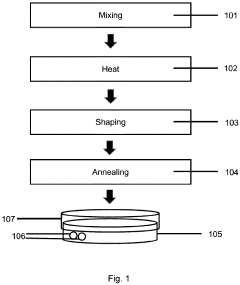
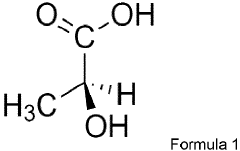
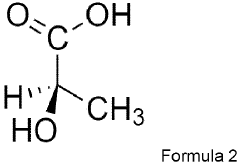
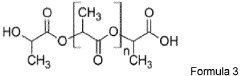
- Development of cell culture containers made from a blend of poly-L-lactide and poly-D-lactide polymers that are biodegradable, compostable, and transparent, with enhanced thermal stability, allowing for cell adhesion without surface treatments, and suitable for both 2D and 3D growth surfaces.
Environmental Impact of PLA
The environmental impact of PLA (Polylactic Acid) is a crucial consideration in planning R&D for future applications. PLA, derived from renewable resources such as corn starch or sugarcane, offers a promising alternative to traditional petroleum-based plastics. However, its environmental footprint extends beyond its biodegradability and requires comprehensive analysis.
PLA production generally consumes less energy and generates fewer greenhouse gas emissions compared to conventional plastics. The renewable nature of its feedstock contributes to reduced carbon dioxide emissions, potentially mitigating climate change impacts. However, the agricultural practices involved in growing these feedstocks can lead to land-use changes, water consumption, and the use of fertilizers and pesticides, which may offset some of the environmental benefits.
The biodegradability of PLA is often cited as a key environmental advantage. Under industrial composting conditions, PLA can break down into water, carbon dioxide, and biomass within a few months. This characteristic could significantly reduce plastic waste accumulation in landfills and oceans. However, it's important to note that PLA requires specific conditions to biodegrade effectively, which are not always available in natural environments or standard waste management facilities.
End-of-life considerations for PLA products are critical in assessing their overall environmental impact. While PLA can be recycled, the current recycling infrastructure is not widely equipped to handle bioplastics separately from traditional plastics. This limitation can lead to contamination of recycling streams and reduced efficiency in plastic waste management.
The durability and performance of PLA in various applications also influence its environmental impact. In some cases, PLA may have a shorter lifespan or require more material to achieve the same performance as traditional plastics, potentially increasing resource consumption and waste generation. R&D efforts should focus on enhancing PLA's properties to expand its applicability while maintaining or improving its environmental benefits.
Future R&D planning for PLA applications should prioritize addressing these environmental challenges. This includes developing more efficient production processes, improving PLA's mechanical and thermal properties, and creating better end-of-life management solutions. Additionally, research into the long-term effects of PLA degradation in various ecosystems is essential to fully understand its environmental impact and guide sustainable development strategies.
PLA production generally consumes less energy and generates fewer greenhouse gas emissions compared to conventional plastics. The renewable nature of its feedstock contributes to reduced carbon dioxide emissions, potentially mitigating climate change impacts. However, the agricultural practices involved in growing these feedstocks can lead to land-use changes, water consumption, and the use of fertilizers and pesticides, which may offset some of the environmental benefits.
The biodegradability of PLA is often cited as a key environmental advantage. Under industrial composting conditions, PLA can break down into water, carbon dioxide, and biomass within a few months. This characteristic could significantly reduce plastic waste accumulation in landfills and oceans. However, it's important to note that PLA requires specific conditions to biodegrade effectively, which are not always available in natural environments or standard waste management facilities.
End-of-life considerations for PLA products are critical in assessing their overall environmental impact. While PLA can be recycled, the current recycling infrastructure is not widely equipped to handle bioplastics separately from traditional plastics. This limitation can lead to contamination of recycling streams and reduced efficiency in plastic waste management.
The durability and performance of PLA in various applications also influence its environmental impact. In some cases, PLA may have a shorter lifespan or require more material to achieve the same performance as traditional plastics, potentially increasing resource consumption and waste generation. R&D efforts should focus on enhancing PLA's properties to expand its applicability while maintaining or improving its environmental benefits.
Future R&D planning for PLA applications should prioritize addressing these environmental challenges. This includes developing more efficient production processes, improving PLA's mechanical and thermal properties, and creating better end-of-life management solutions. Additionally, research into the long-term effects of PLA degradation in various ecosystems is essential to fully understand its environmental impact and guide sustainable development strategies.
PLA Regulatory Framework
The regulatory framework for polylactic acid (PLA) applications is a critical aspect of research and development planning. As PLA gains prominence in various industries, understanding and navigating the regulatory landscape becomes essential for successful product development and market entry.
In the United States, the Food and Drug Administration (FDA) plays a pivotal role in regulating PLA applications, particularly in food contact materials and medical devices. The FDA's approach to PLA regulation is based on its intended use and potential risks. For food contact applications, PLA must comply with the Food Contact Notification (FCN) program, which requires manufacturers to demonstrate the safety of their materials through extensive testing and documentation.
The European Union has established a comprehensive regulatory framework for PLA applications through the European Food Safety Authority (EFSA) and the European Medicines Agency (EMA). The EU's approach emphasizes the principles of risk assessment and management, requiring thorough evaluation of PLA materials before market approval. The Registration, Evaluation, Authorization, and Restriction of Chemicals (REACH) regulation also applies to PLA, mandating registration and safety assessments for substances used in its production.
In Asia, countries like Japan and China have developed their own regulatory frameworks for PLA applications. Japan's regulatory system, overseen by the Ministry of Health, Labour and Welfare, focuses on ensuring the safety of food contact materials and medical devices containing PLA. China's National Medical Products Administration (NMPA) has established guidelines for PLA-based medical devices, emphasizing biocompatibility and performance testing.
The regulatory landscape for PLA applications in emerging markets is evolving rapidly. Countries like India and Brazil are developing their own regulatory frameworks, often drawing inspiration from established systems in the US and EU. This presents both opportunities and challenges for companies looking to expand their PLA product offerings in these markets.
As environmental concerns gain prominence, regulatory bodies are increasingly focusing on the biodegradability and end-of-life management of PLA products. This has led to the development of new standards and certifications for compostable and biodegradable materials, which PLA manufacturers must consider in their R&D planning.
The global nature of PLA applications necessitates a harmonized approach to regulation. International organizations such as the International Organization for Standardization (ISO) are working towards developing unified standards for PLA materials and products, which could streamline regulatory processes across different regions.
In the United States, the Food and Drug Administration (FDA) plays a pivotal role in regulating PLA applications, particularly in food contact materials and medical devices. The FDA's approach to PLA regulation is based on its intended use and potential risks. For food contact applications, PLA must comply with the Food Contact Notification (FCN) program, which requires manufacturers to demonstrate the safety of their materials through extensive testing and documentation.
The European Union has established a comprehensive regulatory framework for PLA applications through the European Food Safety Authority (EFSA) and the European Medicines Agency (EMA). The EU's approach emphasizes the principles of risk assessment and management, requiring thorough evaluation of PLA materials before market approval. The Registration, Evaluation, Authorization, and Restriction of Chemicals (REACH) regulation also applies to PLA, mandating registration and safety assessments for substances used in its production.
In Asia, countries like Japan and China have developed their own regulatory frameworks for PLA applications. Japan's regulatory system, overseen by the Ministry of Health, Labour and Welfare, focuses on ensuring the safety of food contact materials and medical devices containing PLA. China's National Medical Products Administration (NMPA) has established guidelines for PLA-based medical devices, emphasizing biocompatibility and performance testing.
The regulatory landscape for PLA applications in emerging markets is evolving rapidly. Countries like India and Brazil are developing their own regulatory frameworks, often drawing inspiration from established systems in the US and EU. This presents both opportunities and challenges for companies looking to expand their PLA product offerings in these markets.
As environmental concerns gain prominence, regulatory bodies are increasingly focusing on the biodegradability and end-of-life management of PLA products. This has led to the development of new standards and certifications for compostable and biodegradable materials, which PLA manufacturers must consider in their R&D planning.
The global nature of PLA applications necessitates a harmonized approach to regulation. International organizations such as the International Organization for Standardization (ISO) are working towards developing unified standards for PLA materials and products, which could streamline regulatory processes across different regions.
Unlock deeper insights with PatSnap Eureka Quick Research — get a full tech report to explore trends and direct your research. Try now!
Generate Your Research Report Instantly with AI Agent
Supercharge your innovation with PatSnap Eureka AI Agent Platform!