

Re‑evaluating PLA's Lifecycle Analysis Methods
JUN 25, 20259 MIN READ
Generate Your Research Report Instantly with AI Agent
PatSnap Eureka helps you evaluate technical feasibility & market potential.
PLA Lifecycle Analysis Background and Objectives
Polylactic acid (PLA) has emerged as a prominent biodegradable polymer in recent years, gaining significant attention due to its potential to address environmental concerns associated with conventional plastics. The evolution of PLA technology has been marked by continuous improvements in production processes, material properties, and applications across various industries.
The primary objective of re-evaluating PLA's lifecycle analysis methods is to enhance the accuracy and comprehensiveness of environmental impact assessments. This initiative aims to provide a more holistic understanding of PLA's ecological footprint throughout its entire lifecycle, from raw material extraction to end-of-life disposal or recycling.
Historically, lifecycle analysis methods for PLA have focused predominantly on its biodegradability and compostability. However, as the material's applications have expanded and production scales have increased, there is a growing need to consider a broader range of environmental factors. These include energy consumption during production, water usage, land use for feedstock cultivation, and the potential for greenhouse gas emissions throughout the material's lifecycle.
The technological trajectory of PLA has seen significant advancements in feedstock sourcing, polymerization techniques, and material formulations. Initially derived primarily from corn, PLA production has diversified to include other renewable resources such as cassava, sugarcane, and agricultural waste. This diversification has implications for lifecycle analysis, necessitating the incorporation of region-specific agricultural practices and their associated environmental impacts.
As PLA applications expand beyond packaging into sectors such as textiles, 3D printing, and medical devices, the complexity of lifecycle analysis increases. Each application presents unique challenges in terms of use patterns, durability requirements, and end-of-life scenarios, all of which must be accounted for in a comprehensive lifecycle assessment.
The re-evaluation of PLA's lifecycle analysis methods is driven by several key factors. Firstly, there is a need to address the limitations of current methodologies, which may not fully capture the nuances of biobased materials. Secondly, advancements in data collection and analysis techniques offer opportunities to improve the accuracy and granularity of lifecycle assessments. Lastly, evolving regulatory frameworks and consumer expectations regarding environmental claims necessitate more robust and transparent evaluation methods.
By refining lifecycle analysis methods for PLA, stakeholders aim to achieve several critical objectives. These include identifying hotspots for environmental improvement along the value chain, enabling more informed decision-making in material selection and product design, and providing a solid foundation for comparative assessments with alternative materials. Ultimately, this re-evaluation seeks to support the sustainable development of PLA technology and its responsible integration into various applications, aligning with broader goals of circular economy and reduced environmental impact.
The primary objective of re-evaluating PLA's lifecycle analysis methods is to enhance the accuracy and comprehensiveness of environmental impact assessments. This initiative aims to provide a more holistic understanding of PLA's ecological footprint throughout its entire lifecycle, from raw material extraction to end-of-life disposal or recycling.
Historically, lifecycle analysis methods for PLA have focused predominantly on its biodegradability and compostability. However, as the material's applications have expanded and production scales have increased, there is a growing need to consider a broader range of environmental factors. These include energy consumption during production, water usage, land use for feedstock cultivation, and the potential for greenhouse gas emissions throughout the material's lifecycle.
The technological trajectory of PLA has seen significant advancements in feedstock sourcing, polymerization techniques, and material formulations. Initially derived primarily from corn, PLA production has diversified to include other renewable resources such as cassava, sugarcane, and agricultural waste. This diversification has implications for lifecycle analysis, necessitating the incorporation of region-specific agricultural practices and their associated environmental impacts.
As PLA applications expand beyond packaging into sectors such as textiles, 3D printing, and medical devices, the complexity of lifecycle analysis increases. Each application presents unique challenges in terms of use patterns, durability requirements, and end-of-life scenarios, all of which must be accounted for in a comprehensive lifecycle assessment.
The re-evaluation of PLA's lifecycle analysis methods is driven by several key factors. Firstly, there is a need to address the limitations of current methodologies, which may not fully capture the nuances of biobased materials. Secondly, advancements in data collection and analysis techniques offer opportunities to improve the accuracy and granularity of lifecycle assessments. Lastly, evolving regulatory frameworks and consumer expectations regarding environmental claims necessitate more robust and transparent evaluation methods.
By refining lifecycle analysis methods for PLA, stakeholders aim to achieve several critical objectives. These include identifying hotspots for environmental improvement along the value chain, enabling more informed decision-making in material selection and product design, and providing a solid foundation for comparative assessments with alternative materials. Ultimately, this re-evaluation seeks to support the sustainable development of PLA technology and its responsible integration into various applications, aligning with broader goals of circular economy and reduced environmental impact.
Market Demand for Sustainable Bioplastics
The market demand for sustainable bioplastics, particularly Polylactic Acid (PLA), has been steadily increasing in recent years due to growing environmental concerns and regulatory pressures. This surge in demand is driven by consumers' heightened awareness of plastic pollution and the need for more eco-friendly alternatives to traditional petroleum-based plastics.
PLA, derived from renewable resources such as corn starch or sugarcane, has emerged as a promising sustainable alternative in various industries. The packaging sector, in particular, has shown significant interest in PLA due to its biodegradability and compostability. Food packaging, disposable cutlery, and beverage containers are among the primary applications driving PLA demand.
The global bioplastics market, including PLA, is experiencing robust growth. Market research indicates that the bioplastics sector is expected to expand at a compound annual growth rate (CAGR) of over 10% in the coming years. This growth is attributed to the increasing adoption of bioplastics in diverse applications, from consumer goods to automotive components.
Consumer goods manufacturers are increasingly incorporating PLA into their product lines to meet the rising demand for sustainable packaging solutions. Major retailers and food service companies have also announced commitments to phase out conventional plastics in favor of biodegradable alternatives, further boosting the market for PLA.
The automotive industry is another significant driver of PLA demand. As automakers strive to reduce vehicle weight and improve fuel efficiency, they are turning to bioplastics like PLA for interior components, contributing to the overall market growth.
Despite the positive market outlook, challenges remain in scaling up PLA production to meet the growing demand. The cost of PLA production, while decreasing, is still higher than that of conventional plastics. This price differential remains a barrier to widespread adoption, particularly in price-sensitive markets.
Additionally, the performance characteristics of PLA, such as heat resistance and durability, are still being improved to match those of traditional plastics in certain applications. Ongoing research and development efforts are focused on enhancing these properties to expand PLA's market potential.
The regulatory landscape is also shaping the demand for sustainable bioplastics. Many countries have implemented or are considering policies to reduce single-use plastics, creating a favorable environment for PLA and other bioplastics. These regulatory changes are expected to further stimulate market growth in the coming years.
PLA, derived from renewable resources such as corn starch or sugarcane, has emerged as a promising sustainable alternative in various industries. The packaging sector, in particular, has shown significant interest in PLA due to its biodegradability and compostability. Food packaging, disposable cutlery, and beverage containers are among the primary applications driving PLA demand.
The global bioplastics market, including PLA, is experiencing robust growth. Market research indicates that the bioplastics sector is expected to expand at a compound annual growth rate (CAGR) of over 10% in the coming years. This growth is attributed to the increasing adoption of bioplastics in diverse applications, from consumer goods to automotive components.
Consumer goods manufacturers are increasingly incorporating PLA into their product lines to meet the rising demand for sustainable packaging solutions. Major retailers and food service companies have also announced commitments to phase out conventional plastics in favor of biodegradable alternatives, further boosting the market for PLA.
The automotive industry is another significant driver of PLA demand. As automakers strive to reduce vehicle weight and improve fuel efficiency, they are turning to bioplastics like PLA for interior components, contributing to the overall market growth.
Despite the positive market outlook, challenges remain in scaling up PLA production to meet the growing demand. The cost of PLA production, while decreasing, is still higher than that of conventional plastics. This price differential remains a barrier to widespread adoption, particularly in price-sensitive markets.
Additionally, the performance characteristics of PLA, such as heat resistance and durability, are still being improved to match those of traditional plastics in certain applications. Ongoing research and development efforts are focused on enhancing these properties to expand PLA's market potential.
The regulatory landscape is also shaping the demand for sustainable bioplastics. Many countries have implemented or are considering policies to reduce single-use plastics, creating a favorable environment for PLA and other bioplastics. These regulatory changes are expected to further stimulate market growth in the coming years.
Current PLA LCA Methodologies and Challenges
The current methodologies for conducting lifecycle analysis (LCA) of polylactic acid (PLA) face several challenges that impact the accuracy and reliability of results. One primary issue is the lack of standardization in data collection and analysis procedures across different studies. This inconsistency makes it difficult to compare results and draw meaningful conclusions about PLA's environmental impact.
Another significant challenge is the limited availability of comprehensive and up-to-date data on PLA production processes, especially for newer manufacturing techniques. This data gap often leads to the use of outdated or incomplete information, potentially skewing the results of LCA studies.
The complexity of PLA's end-of-life scenarios also poses a challenge for current LCA methodologies. PLA can be composted, recycled, or incinerated, and each disposal method has different environmental implications. However, many LCA studies struggle to accurately account for these varied scenarios, often oversimplifying or omitting certain disposal pathways.
Furthermore, the allocation of environmental impacts in multi-output systems, such as those involving agricultural feedstocks for PLA production, remains a contentious issue. Different allocation methods can lead to significantly different results, making it challenging to establish a consensus on PLA's true environmental footprint.
The temporal aspect of PLA's lifecycle is another factor that current methodologies struggle to address adequately. PLA's biodegradability means that its environmental impact changes over time, but most LCA methods are not well-equipped to capture these dynamic effects, particularly in long-term scenarios.
Additionally, the geographical variability in PLA production and use presents a challenge for LCA studies. Factors such as local energy mixes, transportation distances, and waste management practices can significantly influence PLA's environmental impact, but are often not fully accounted for in current methodologies.
Lastly, the rapid pace of technological advancements in PLA production and processing creates a moving target for LCA practitioners. As new techniques and optimizations are developed, existing LCA models may quickly become outdated, necessitating frequent updates and reassessments.
These challenges collectively highlight the need for more robust, flexible, and standardized approaches to PLA lifecycle analysis. Addressing these issues will be crucial for providing more accurate and reliable assessments of PLA's environmental performance, ultimately informing better decision-making in sustainable material selection and policy development.
Another significant challenge is the limited availability of comprehensive and up-to-date data on PLA production processes, especially for newer manufacturing techniques. This data gap often leads to the use of outdated or incomplete information, potentially skewing the results of LCA studies.
The complexity of PLA's end-of-life scenarios also poses a challenge for current LCA methodologies. PLA can be composted, recycled, or incinerated, and each disposal method has different environmental implications. However, many LCA studies struggle to accurately account for these varied scenarios, often oversimplifying or omitting certain disposal pathways.
Furthermore, the allocation of environmental impacts in multi-output systems, such as those involving agricultural feedstocks for PLA production, remains a contentious issue. Different allocation methods can lead to significantly different results, making it challenging to establish a consensus on PLA's true environmental footprint.
The temporal aspect of PLA's lifecycle is another factor that current methodologies struggle to address adequately. PLA's biodegradability means that its environmental impact changes over time, but most LCA methods are not well-equipped to capture these dynamic effects, particularly in long-term scenarios.
Additionally, the geographical variability in PLA production and use presents a challenge for LCA studies. Factors such as local energy mixes, transportation distances, and waste management practices can significantly influence PLA's environmental impact, but are often not fully accounted for in current methodologies.
Lastly, the rapid pace of technological advancements in PLA production and processing creates a moving target for LCA practitioners. As new techniques and optimizations are developed, existing LCA models may quickly become outdated, necessitating frequent updates and reassessments.
These challenges collectively highlight the need for more robust, flexible, and standardized approaches to PLA lifecycle analysis. Addressing these issues will be crucial for providing more accurate and reliable assessments of PLA's environmental performance, ultimately informing better decision-making in sustainable material selection and policy development.
Existing PLA Lifecycle Analysis Approaches
01 Life Cycle Assessment (LCA) methodologies for PLA
Various methodologies are employed to conduct comprehensive life cycle assessments of PLA, considering factors such as raw material extraction, production processes, use phase, and end-of-life scenarios. These methods aim to quantify environmental impacts, energy consumption, and resource utilization throughout the PLA lifecycle.- Life Cycle Assessment (LCA) methodologies for PLA: Various methodologies are employed to conduct comprehensive life cycle assessments of PLA, considering factors such as raw material extraction, production processes, use phase, and end-of-life scenarios. These methods aim to quantify environmental impacts, energy consumption, and resource utilization throughout the PLA lifecycle.
- Environmental impact analysis of PLA production: Techniques for analyzing the environmental impacts of PLA production, including greenhouse gas emissions, water consumption, and land use. These methods often involve comparing PLA with traditional petroleum-based plastics to assess its sustainability advantages and potential drawbacks.
- End-of-life scenarios and biodegradability assessment: Methods for evaluating various end-of-life scenarios for PLA products, including composting, recycling, and incineration. These techniques assess the biodegradability and compostability of PLA under different environmental conditions and timeframes.
- Carbon footprint calculation for PLA-based products: Approaches for calculating the carbon footprint of PLA-based products throughout their lifecycle, considering factors such as raw material sourcing, manufacturing processes, transportation, and disposal. These methods help in comparing the environmental performance of PLA with other materials.
- Eco-efficiency and sustainability metrics for PLA: Development and application of eco-efficiency and sustainability metrics specific to PLA, including resource efficiency, energy consumption, and waste generation. These metrics are used to assess the overall environmental performance and sustainability of PLA-based products and processes.
02 Environmental impact analysis of PLA production
Specific techniques are used to analyze the environmental impacts of PLA production, including greenhouse gas emissions, water consumption, and land use. These methods often involve comparing PLA with traditional petroleum-based plastics to assess its sustainability advantages and potential drawbacks.Expand Specific Solutions03 End-of-life scenarios and biodegradability assessment
Methods for evaluating PLA's end-of-life scenarios, including composting, recycling, and biodegradation, are crucial in lifecycle analysis. These techniques assess the material's biodegradability under various environmental conditions and its impact on waste management systems.Expand Specific Solutions04 Carbon footprint calculation for PLA products
Specialized carbon footprint calculation methods are developed for PLA-based products, considering the entire lifecycle from raw material sourcing to disposal. These techniques often incorporate factors such as renewable energy use in production and carbon sequestration potential.Expand Specific Solutions05 Comparative analysis of PLA with other bioplastics
Methodologies for comparing PLA with other bioplastics and conventional plastics in terms of lifecycle environmental impacts are developed. These comparative analyses consider factors such as resource efficiency, energy consumption, and overall sustainability to position PLA within the broader context of sustainable materials.Expand Specific Solutions
Key Players in PLA Production and LCA Research
The re-evaluation of PLA's lifecycle analysis methods is occurring in a maturing industry with growing market size and increasing technological sophistication. The market is characterized by a mix of established players and emerging innovators, reflecting the technology's transition from niche to mainstream applications. Companies like Galactic SA/NV, Mitsui Chemicals, Inc., and Futerro SA are at the forefront, driving advancements in PLA production and analysis. Academic institutions such as Zhejiang University and Clemson University Research Foundation contribute significantly to research and development. The involvement of diverse entities, including Fraunhofer-Gesellschaft eV and Siemens Corp., indicates a multidisciplinary approach to improving lifecycle analysis methodologies, suggesting a technology on the cusp of broader industrial adoption and refinement.
Mitsui Chemicals, Inc.
Technical Solution: Mitsui Chemicals has developed a comprehensive lifecycle analysis method for PLA that integrates their expertise in chemical manufacturing and green chemistry principles. Their approach includes a detailed assessment of the chemical processes involved in PLA production, from lactic acid synthesis to polymerization. They have implemented advanced modeling techniques to optimize these processes for reduced environmental impact. Mitsui's method also incorporates a thorough analysis of different end-of-life scenarios for PLA products, including industrial composting, chemical recycling, and energy recovery through incineration. Additionally, they have developed a system to track and analyze the carbon footprint of PLA throughout its lifecycle, considering both biogenic and fossil carbon sources.
Strengths: Detailed analysis of chemical processes in PLA production; Comprehensive end-of-life scenario assessment; Advanced carbon footprint tracking system. Weaknesses: May be complex and resource-intensive to implement; Potential challenges in adapting the method to non-chemical aspects of PLA lifecycle.
Fraunhofer-Gesellschaft eV
Technical Solution: Fraunhofer-Gesellschaft has developed a comprehensive approach to re-evaluating PLA's lifecycle analysis methods. Their method involves a multi-step process that includes raw material sourcing analysis, production process assessment, use phase evaluation, and end-of-life considerations. They utilize advanced Life Cycle Assessment (LCA) software tools to model the entire lifecycle of PLA products, incorporating factors such as energy consumption, water usage, and greenhouse gas emissions at each stage. Additionally, they have implemented a novel approach to account for the biodegradability of PLA in various environments, providing a more accurate representation of its environmental impact.
Strengths: Comprehensive approach covering all lifecycle stages; Advanced LCA software tools; Innovative biodegradability assessment. Weaknesses: May be resource-intensive and time-consuming; Requires extensive data collection across the supply chain.
Innovative LCA Methods for PLA Evaluation
Method and System for Electronic Life Cycle Assessment (LCA) for Supply Chain Management Leveraging Templates
PatentPendingUS20250139644A1
Innovation
- A user-friendly, modular, and configurable LCA system that integrates real-time data, allows primary source data collection, and features a cloud-based platform for collaborative efforts, enabling seamless sharing and updates across the supply chain.


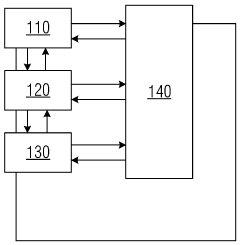
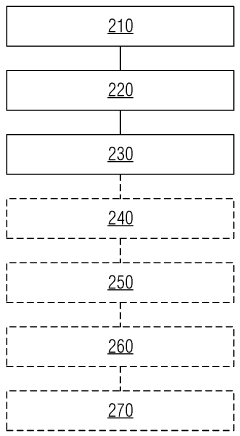
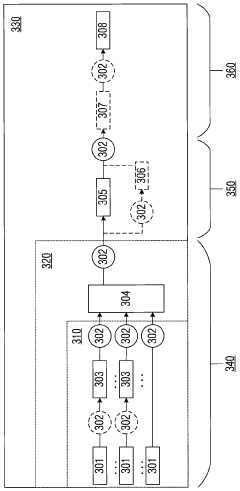
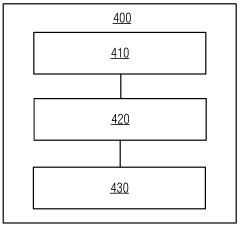
Life cycle assessment method and device
PatentWO2024045094A1
Innovation
- By establishing a general parametric LCA model for similar products, experts only need to build an LCA model once for a representative product, and then parameterize it to generate a general LCA model for similar products, which non-professional users can use for environmental impact assessment.
Environmental Regulations Impact on PLA LCA
Environmental regulations have significantly impacted the lifecycle analysis (LCA) methods for polylactic acid (PLA), a biodegradable polymer derived from renewable resources. As sustainability concerns grow, regulatory bodies worldwide have implemented stricter guidelines for assessing the environmental impact of materials throughout their lifecycle.
These regulations have led to a more comprehensive approach in PLA's LCA, requiring manufacturers and researchers to consider a broader range of factors. The European Union's Waste Framework Directive and the United States Environmental Protection Agency's guidelines on sustainable materials management have been particularly influential in shaping PLA LCA methodologies.
One key area of focus has been the improvement of end-of-life scenarios in PLA LCAs. Regulations now demand a more detailed analysis of disposal options, including composting, recycling, and incineration. This has led to the development of more sophisticated models for predicting PLA's degradation rates and environmental impacts under various conditions.
The carbon footprint calculation for PLA production has also been refined due to regulatory pressures. New methodologies now account for the carbon sequestration during plant growth, as well as emissions from agricultural practices and processing. This has resulted in more accurate assessments of PLA's overall environmental impact compared to traditional petroleum-based plastics.
Water usage and land use change have become critical components of PLA LCAs, driven by regulations aimed at protecting water resources and biodiversity. Manufacturers are now required to provide detailed data on water consumption throughout the PLA lifecycle, from crop irrigation to polymer processing.
Regulations have also pushed for greater transparency in LCA reporting. Many jurisdictions now require third-party verification of LCA results, ensuring the credibility and comparability of environmental claims. This has led to the development of standardized reporting formats and databases, facilitating easier comparison between different materials and production methods.
The inclusion of social impact assessments within LCA frameworks has been another regulatory-driven change. Some regions now require consideration of factors such as labor practices and community impacts in the production of bio-based materials like PLA.
As a result of these regulatory influences, PLA LCA methods have become more robust and comprehensive. However, this has also increased the complexity and cost of conducting LCAs, posing challenges for smaller manufacturers and researchers. The evolving regulatory landscape continues to shape the development of LCA methodologies, driving innovation in assessment techniques and promoting a more holistic understanding of PLA's environmental footprint.
These regulations have led to a more comprehensive approach in PLA's LCA, requiring manufacturers and researchers to consider a broader range of factors. The European Union's Waste Framework Directive and the United States Environmental Protection Agency's guidelines on sustainable materials management have been particularly influential in shaping PLA LCA methodologies.
One key area of focus has been the improvement of end-of-life scenarios in PLA LCAs. Regulations now demand a more detailed analysis of disposal options, including composting, recycling, and incineration. This has led to the development of more sophisticated models for predicting PLA's degradation rates and environmental impacts under various conditions.
The carbon footprint calculation for PLA production has also been refined due to regulatory pressures. New methodologies now account for the carbon sequestration during plant growth, as well as emissions from agricultural practices and processing. This has resulted in more accurate assessments of PLA's overall environmental impact compared to traditional petroleum-based plastics.
Water usage and land use change have become critical components of PLA LCAs, driven by regulations aimed at protecting water resources and biodiversity. Manufacturers are now required to provide detailed data on water consumption throughout the PLA lifecycle, from crop irrigation to polymer processing.
Regulations have also pushed for greater transparency in LCA reporting. Many jurisdictions now require third-party verification of LCA results, ensuring the credibility and comparability of environmental claims. This has led to the development of standardized reporting formats and databases, facilitating easier comparison between different materials and production methods.
The inclusion of social impact assessments within LCA frameworks has been another regulatory-driven change. Some regions now require consideration of factors such as labor practices and community impacts in the production of bio-based materials like PLA.
As a result of these regulatory influences, PLA LCA methods have become more robust and comprehensive. However, this has also increased the complexity and cost of conducting LCAs, posing challenges for smaller manufacturers and researchers. The evolving regulatory landscape continues to shape the development of LCA methodologies, driving innovation in assessment techniques and promoting a more holistic understanding of PLA's environmental footprint.
Circular Economy Implications for PLA Lifecycle
The circular economy implications for PLA lifecycle analysis are significant and multifaceted. Polylactic acid (PLA), a biodegradable polymer derived from renewable resources, has gained attention as a potential substitute for conventional plastics. However, its environmental impact and circular economy potential require careful evaluation.
In the context of circular economy principles, PLA's lifecycle analysis must consider multiple cycles of use and recovery. This approach extends beyond traditional cradle-to-grave assessments to encompass cradle-to-cradle methodologies. The biodegradability of PLA offers unique opportunities for closed-loop systems, but also presents challenges in terms of collection and processing infrastructure.
One key aspect of circular economy implications is the potential for PLA to be composted or recycled. Industrial composting facilities can break down PLA into its constituent elements, returning nutrients to the soil. However, the availability of such facilities and the contamination risks from mixing PLA with other materials must be factored into lifecycle assessments.
Recycling PLA presents another avenue for circularity. Chemical recycling techniques can break down PLA into its monomer components, which can then be repolymerized into new PLA products. This process, while energy-intensive, offers a more circular alternative to biodegradation, especially in regions lacking industrial composting infrastructure.
The sourcing of raw materials for PLA production also plays a crucial role in its circular economy potential. The use of agricultural by-products or waste streams as feedstock can enhance the overall sustainability profile of PLA. Lifecycle analyses must account for these alternative sourcing strategies and their impacts on land use, water consumption, and competition with food production.
Energy consumption throughout the PLA lifecycle is another critical factor in circular economy assessments. While PLA production can be less energy-intensive than some conventional plastics, the energy required for collection, sorting, and processing in circular systems must be carefully evaluated. Renewable energy integration in these processes can significantly improve the overall environmental footprint.
Lastly, the durability and reusability of PLA products must be considered in circular economy-focused lifecycle analyses. Designing PLA products for multiple use cycles before eventual composting or recycling can greatly enhance their circular economy potential. This approach requires a shift in both product design philosophies and consumer behavior patterns.
In the context of circular economy principles, PLA's lifecycle analysis must consider multiple cycles of use and recovery. This approach extends beyond traditional cradle-to-grave assessments to encompass cradle-to-cradle methodologies. The biodegradability of PLA offers unique opportunities for closed-loop systems, but also presents challenges in terms of collection and processing infrastructure.
One key aspect of circular economy implications is the potential for PLA to be composted or recycled. Industrial composting facilities can break down PLA into its constituent elements, returning nutrients to the soil. However, the availability of such facilities and the contamination risks from mixing PLA with other materials must be factored into lifecycle assessments.
Recycling PLA presents another avenue for circularity. Chemical recycling techniques can break down PLA into its monomer components, which can then be repolymerized into new PLA products. This process, while energy-intensive, offers a more circular alternative to biodegradation, especially in regions lacking industrial composting infrastructure.
The sourcing of raw materials for PLA production also plays a crucial role in its circular economy potential. The use of agricultural by-products or waste streams as feedstock can enhance the overall sustainability profile of PLA. Lifecycle analyses must account for these alternative sourcing strategies and their impacts on land use, water consumption, and competition with food production.
Energy consumption throughout the PLA lifecycle is another critical factor in circular economy assessments. While PLA production can be less energy-intensive than some conventional plastics, the energy required for collection, sorting, and processing in circular systems must be carefully evaluated. Renewable energy integration in these processes can significantly improve the overall environmental footprint.
Lastly, the durability and reusability of PLA products must be considered in circular economy-focused lifecycle analyses. Designing PLA products for multiple use cycles before eventual composting or recycling can greatly enhance their circular economy potential. This approach requires a shift in both product design philosophies and consumer behavior patterns.
Unlock deeper insights with PatSnap Eureka Quick Research — get a full tech report to explore trends and direct your research. Try now!
Generate Your Research Report Instantly with AI Agent
Supercharge your innovation with PatSnap Eureka AI Agent Platform!