Novel Uses of Isopentane in Biodegradable Plastics
JUL 25, 20259 MIN READ
Generate Your Research Report Instantly with AI Agent
Patsnap Eureka helps you evaluate technical feasibility & market potential.
Isopentane in Bioplastics: Background and Objectives
Isopentane, a volatile organic compound with the molecular formula C5H12, has recently emerged as a promising component in the development of biodegradable plastics. This innovative application represents a significant shift in the field of sustainable materials, combining the unique properties of isopentane with the growing demand for environmentally friendly packaging solutions.
The journey of isopentane in bioplastics began as a response to the global plastic pollution crisis. Traditional petroleum-based plastics have long been criticized for their persistence in the environment and their contribution to greenhouse gas emissions. As a result, researchers and industry leaders have been actively seeking alternative materials that can offer similar performance characteristics while minimizing environmental impact.
Isopentane's potential in biodegradable plastics stems from its low boiling point and high volatility. These properties allow it to act as a blowing agent in the production of foam-like bioplastic structures, creating lightweight yet durable materials. The incorporation of isopentane into biopolymer matrices has shown promising results in enhancing the degradation rate of these materials while maintaining their structural integrity during use.
The primary objective of exploring novel uses of isopentane in biodegradable plastics is to develop a new generation of sustainable packaging materials that can compete with conventional plastics in terms of performance, cost-effectiveness, and environmental sustainability. Researchers aim to optimize the formulation and processing techniques to achieve a balance between material properties and biodegradability.
Another key goal is to understand the interaction between isopentane and various biopolymers, such as polylactic acid (PLA), polyhydroxyalkanoates (PHAs), and starch-based plastics. This knowledge is crucial for tailoring the properties of the resulting materials to meet specific application requirements, ranging from food packaging to disposable consumer goods.
Furthermore, the integration of isopentane into biodegradable plastics aligns with the broader trend towards a circular economy. By creating materials that can safely return to the natural environment after use, this technology has the potential to significantly reduce plastic waste accumulation and its associated environmental impacts.
As research in this field progresses, scientists and engineers are also focusing on scaling up production processes and addressing potential challenges related to material stability, shelf life, and regulatory compliance. The successful development and commercialization of isopentane-based biodegradable plastics could mark a significant milestone in the transition towards more sustainable packaging solutions and contribute to global efforts in reducing plastic pollution.
The journey of isopentane in bioplastics began as a response to the global plastic pollution crisis. Traditional petroleum-based plastics have long been criticized for their persistence in the environment and their contribution to greenhouse gas emissions. As a result, researchers and industry leaders have been actively seeking alternative materials that can offer similar performance characteristics while minimizing environmental impact.
Isopentane's potential in biodegradable plastics stems from its low boiling point and high volatility. These properties allow it to act as a blowing agent in the production of foam-like bioplastic structures, creating lightweight yet durable materials. The incorporation of isopentane into biopolymer matrices has shown promising results in enhancing the degradation rate of these materials while maintaining their structural integrity during use.
The primary objective of exploring novel uses of isopentane in biodegradable plastics is to develop a new generation of sustainable packaging materials that can compete with conventional plastics in terms of performance, cost-effectiveness, and environmental sustainability. Researchers aim to optimize the formulation and processing techniques to achieve a balance between material properties and biodegradability.
Another key goal is to understand the interaction between isopentane and various biopolymers, such as polylactic acid (PLA), polyhydroxyalkanoates (PHAs), and starch-based plastics. This knowledge is crucial for tailoring the properties of the resulting materials to meet specific application requirements, ranging from food packaging to disposable consumer goods.
Furthermore, the integration of isopentane into biodegradable plastics aligns with the broader trend towards a circular economy. By creating materials that can safely return to the natural environment after use, this technology has the potential to significantly reduce plastic waste accumulation and its associated environmental impacts.
As research in this field progresses, scientists and engineers are also focusing on scaling up production processes and addressing potential challenges related to material stability, shelf life, and regulatory compliance. The successful development and commercialization of isopentane-based biodegradable plastics could mark a significant milestone in the transition towards more sustainable packaging solutions and contribute to global efforts in reducing plastic pollution.
Market Analysis for Eco-friendly Packaging Solutions
The eco-friendly packaging solutions market has experienced significant growth in recent years, driven by increasing environmental awareness and stringent regulations on plastic waste. This sector encompasses a wide range of biodegradable and compostable materials, including those potentially incorporating isopentane as a novel component in biodegradable plastics.
Consumer demand for sustainable packaging has surged, with a notable shift towards products that minimize environmental impact. Major retailers and consumer goods companies have committed to reducing plastic waste, creating a robust market for innovative, eco-friendly alternatives. The food and beverage industry, in particular, has shown strong interest in adopting these solutions to meet consumer expectations and comply with evolving regulations.
The global market for biodegradable plastics, a key segment within eco-friendly packaging, is projected to grow substantially. This growth is fueled by factors such as government initiatives to reduce plastic pollution, corporate sustainability goals, and changing consumer preferences. The potential integration of isopentane into biodegradable plastics could further accelerate this market expansion by enhancing material properties and performance.
Regionally, Europe leads in the adoption of eco-friendly packaging solutions, followed closely by North America. However, Asia-Pacific is emerging as the fastest-growing market, driven by rapid industrialization, urbanization, and increasing environmental concerns in countries like China and India. This regional diversity presents opportunities for tailored solutions that address specific market needs and regulatory landscapes.
Key market segments for eco-friendly packaging include food packaging, beverage containers, personal care products, and e-commerce packaging. Each segment presents unique challenges and opportunities for biodegradable plastics, potentially incorporating isopentane. For instance, the food packaging sector requires materials that maintain food freshness while being fully biodegradable, a balance that novel isopentane-based solutions could potentially address.
The market is characterized by intense competition and rapid innovation. Established players in the packaging industry are investing heavily in research and development to create sustainable alternatives, while startups are entering the market with disruptive technologies. This competitive landscape is driving continuous improvement in material performance, cost-effectiveness, and environmental impact.
Challenges in the eco-friendly packaging market include higher production costs compared to traditional plastics, limitations in material properties, and the need for infrastructure to properly dispose of or recycle these materials. However, ongoing research and development efforts, including the exploration of isopentane in biodegradable plastics, aim to address these challenges and expand the market potential.
Consumer demand for sustainable packaging has surged, with a notable shift towards products that minimize environmental impact. Major retailers and consumer goods companies have committed to reducing plastic waste, creating a robust market for innovative, eco-friendly alternatives. The food and beverage industry, in particular, has shown strong interest in adopting these solutions to meet consumer expectations and comply with evolving regulations.
The global market for biodegradable plastics, a key segment within eco-friendly packaging, is projected to grow substantially. This growth is fueled by factors such as government initiatives to reduce plastic pollution, corporate sustainability goals, and changing consumer preferences. The potential integration of isopentane into biodegradable plastics could further accelerate this market expansion by enhancing material properties and performance.
Regionally, Europe leads in the adoption of eco-friendly packaging solutions, followed closely by North America. However, Asia-Pacific is emerging as the fastest-growing market, driven by rapid industrialization, urbanization, and increasing environmental concerns in countries like China and India. This regional diversity presents opportunities for tailored solutions that address specific market needs and regulatory landscapes.
Key market segments for eco-friendly packaging include food packaging, beverage containers, personal care products, and e-commerce packaging. Each segment presents unique challenges and opportunities for biodegradable plastics, potentially incorporating isopentane. For instance, the food packaging sector requires materials that maintain food freshness while being fully biodegradable, a balance that novel isopentane-based solutions could potentially address.
The market is characterized by intense competition and rapid innovation. Established players in the packaging industry are investing heavily in research and development to create sustainable alternatives, while startups are entering the market with disruptive technologies. This competitive landscape is driving continuous improvement in material performance, cost-effectiveness, and environmental impact.
Challenges in the eco-friendly packaging market include higher production costs compared to traditional plastics, limitations in material properties, and the need for infrastructure to properly dispose of or recycle these materials. However, ongoing research and development efforts, including the exploration of isopentane in biodegradable plastics, aim to address these challenges and expand the market potential.
Current Challenges in Biodegradable Plastics Production
The production of biodegradable plastics faces several significant challenges that hinder widespread adoption and commercial viability. One of the primary issues is the higher cost of production compared to conventional plastics. The raw materials and processing techniques required for biodegradable plastics are often more expensive, making it difficult for these products to compete in price-sensitive markets.
Another major challenge is the variability in degradation rates and conditions. Biodegradable plastics may not decompose as quickly or completely as desired in different environments, leading to potential accumulation in landfills or natural ecosystems. This inconsistency in degradation performance can undermine the environmental benefits these materials are intended to provide.
The mechanical properties of biodegradable plastics also present challenges. Many biodegradable alternatives struggle to match the strength, durability, and versatility of traditional plastics, limiting their applications in certain industries. This performance gap is particularly evident in high-stress or long-term use scenarios.
Scalability remains a significant hurdle for biodegradable plastics production. Current manufacturing processes often lack the efficiency and output capacity of conventional plastic production lines, making it difficult to meet growing demand and achieve economies of scale.
Contamination during the recycling process is another critical issue. Biodegradable plastics can potentially disrupt existing recycling streams for conventional plastics, leading to reduced quality of recycled materials. This compatibility problem complicates waste management efforts and requires the development of new sorting and processing technologies.
The lack of standardization in biodegradability claims and testing methods creates confusion in the market. Without clear, universally accepted standards, it becomes challenging for consumers and businesses to make informed decisions about the environmental impact of different biodegradable plastic products.
Lastly, the environmental impact of biodegradable plastics production itself is a growing concern. While these materials aim to address end-of-life issues, their production may still involve significant energy consumption and greenhouse gas emissions. Balancing the entire lifecycle impact of biodegradable plastics against their perceived benefits remains a complex challenge for the industry.
Another major challenge is the variability in degradation rates and conditions. Biodegradable plastics may not decompose as quickly or completely as desired in different environments, leading to potential accumulation in landfills or natural ecosystems. This inconsistency in degradation performance can undermine the environmental benefits these materials are intended to provide.
The mechanical properties of biodegradable plastics also present challenges. Many biodegradable alternatives struggle to match the strength, durability, and versatility of traditional plastics, limiting their applications in certain industries. This performance gap is particularly evident in high-stress or long-term use scenarios.
Scalability remains a significant hurdle for biodegradable plastics production. Current manufacturing processes often lack the efficiency and output capacity of conventional plastic production lines, making it difficult to meet growing demand and achieve economies of scale.
Contamination during the recycling process is another critical issue. Biodegradable plastics can potentially disrupt existing recycling streams for conventional plastics, leading to reduced quality of recycled materials. This compatibility problem complicates waste management efforts and requires the development of new sorting and processing technologies.
The lack of standardization in biodegradability claims and testing methods creates confusion in the market. Without clear, universally accepted standards, it becomes challenging for consumers and businesses to make informed decisions about the environmental impact of different biodegradable plastic products.
Lastly, the environmental impact of biodegradable plastics production itself is a growing concern. While these materials aim to address end-of-life issues, their production may still involve significant energy consumption and greenhouse gas emissions. Balancing the entire lifecycle impact of biodegradable plastics against their perceived benefits remains a complex challenge for the industry.
Existing Applications of Isopentane in Polymer Science
01 Production and purification of isopentane
Various methods for producing and purifying isopentane are described, including separation from hydrocarbon mixtures, isomerization processes, and distillation techniques. These processes aim to obtain high-purity isopentane for industrial applications.- Production and purification of isopentane: Various methods for producing and purifying isopentane are described, including separation from hydrocarbon mixtures, isomerization processes, and distillation techniques. These processes aim to obtain high-purity isopentane for industrial applications.
- Use of isopentane in polymer production: Isopentane is utilized as a blowing agent or solvent in the production of polymers, particularly in the manufacture of expandable polystyrene beads. It plays a crucial role in creating foam structures and improving the properties of polymer products.
- Isopentane in refrigeration and heat transfer applications: Isopentane is employed as a refrigerant or heat transfer fluid in various cooling systems and heat pumps. Its thermodynamic properties make it suitable for use in energy-efficient and environmentally friendly refrigeration technologies.
- Isopentane in fuel compositions: Isopentane is used as a component in fuel compositions, particularly for improving the octane rating and volatility of gasoline. It can also be used in alternative fuel formulations and as a propellant in aerosol products.
- Isopentane in chemical synthesis and industrial processes: Isopentane serves as a raw material or intermediate in various chemical synthesis processes and industrial applications. It is used in the production of other chemicals, as a solvent in extraction processes, and in the manufacturing of specialty products.
02 Use of isopentane in polymer production
Isopentane is utilized as a blowing agent or solvent in the production of polymers, particularly in the manufacture of expandable polystyrene beads and other foam materials. Its low boiling point and inert nature make it suitable for these applications.Expand Specific Solutions03 Isopentane in refrigeration and heat transfer systems
Isopentane is employed as a refrigerant or heat transfer fluid in various cooling systems and heat pumps. Its thermodynamic properties make it an effective alternative to traditional refrigerants in certain applications.Expand Specific Solutions04 Isopentane in fuel compositions
Isopentane is used as a component in fuel compositions, particularly for improving the octane rating and volatility of gasoline blends. It can also be used in the production of high-energy density fuels for specialized applications.Expand Specific Solutions05 Isopentane in chemical synthesis and extraction processes
Isopentane serves as a solvent or reactant in various chemical synthesis and extraction processes. Its use in these applications is due to its low boiling point, low reactivity, and ability to dissolve certain organic compounds.Expand Specific Solutions
Key Players in Sustainable Packaging Industry
The development of novel uses for isopentane in biodegradable plastics is in its early stages, with the market still emerging. The global biodegradable plastics market is growing rapidly, expected to reach $7.8 billion by 2025, driven by environmental concerns and regulations. Technologically, the field is evolving, with companies like Kingfa Sci. & Tech. Co., Ltd. and PolyNovo Biomaterials Pty Ltd. leading innovation. Major players such as Bayer AG and China Petroleum & Chemical Corp. are also investing in research and development. While the technology is promising, challenges remain in scaling production and improving material properties to match conventional plastics.
PolyNovo Biomaterials Pty Ltd.
Technical Solution: PolyNovo has developed a novel approach to incorporating isopentane into biodegradable plastics, focusing on their NovoSorb technology platform. This platform utilizes a unique polymer chemistry that allows for the controlled release of isopentane during the degradation process. The isopentane acts as a blowing agent, creating a porous structure within the plastic as it degrades, which enhances the material's biodegradability[1]. The company has successfully applied this technology to create biodegradable medical implants and wound dressings with improved healing properties[2]. The isopentane-infused polymers demonstrate enhanced flexibility and controlled degradation rates, making them suitable for a wide range of medical applications.
Strengths: Improved biodegradability, enhanced flexibility, and controlled degradation rates. Weaknesses: Potential volatility of isopentane during manufacturing and storage, limited to specialized medical applications.
Kingfa Sci. & Tech. Co., Ltd.
Technical Solution: Kingfa has pioneered the use of isopentane as a foaming agent in their biodegradable plastic formulations. Their approach involves incorporating isopentane into a proprietary blend of biodegradable polymers, such as polylactic acid (PLA) and polybutylene adipate terephthalate (PBAT). During the extrusion process, the isopentane expands, creating a lightweight, foam-like structure within the plastic[3]. This not only reduces the overall material density but also increases the surface area available for microbial degradation, significantly enhancing biodegradability. Kingfa's technology has been successfully applied in packaging materials and disposable food containers, offering a more environmentally friendly alternative to traditional plastics[4].
Strengths: Lightweight products, enhanced biodegradability, and reduced material usage. Weaknesses: Potential for reduced mechanical strength compared to solid plastics, limited high-temperature applications due to isopentane's low boiling point.
Innovative Isopentane-Based Bioplastic Technologies
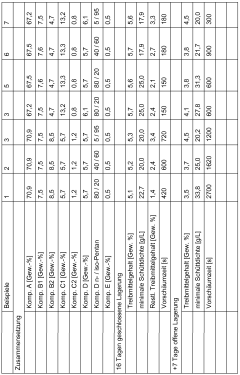
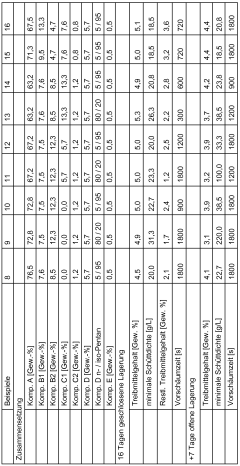
Expandable thermoplastic polymer particles based on polyolefin/styrene polymer mixtures using isopentane or cyclopentane as a blowing agent
PatentWO2010076185A1
Innovation
- The development of expandable thermoplastic polymer particles comprising a mixture of styrene polymers and polyolefins with a high proportion of isopentane or cyclopentane as blowing agents, along with compatibilizers like styrene-butadiene and styrene-ethylene-butylene block copolymers, which improves blowing agent retention and foamability, resulting in particles with enhanced rigidity and elasticity.


Environmental Impact Assessment of Isopentane Use
The environmental impact assessment of isopentane use in biodegradable plastics is a critical aspect of evaluating the sustainability and ecological footprint of this novel application. Isopentane, a volatile organic compound, has traditionally been associated with various industrial uses, including as a blowing agent in foam production and as a refrigerant. Its potential incorporation into biodegradable plastics presents both opportunities and challenges from an environmental perspective.
One of the primary considerations is the lifecycle analysis of isopentane-infused biodegradable plastics. The production phase must be carefully examined, as the synthesis and integration of isopentane into the plastic matrix may require energy-intensive processes. However, if the manufacturing methods can be optimized, the overall carbon footprint could potentially be reduced compared to conventional plastic production.
The biodegradability of the resulting plastic products is a key factor in assessing their environmental impact. Isopentane's presence may affect the rate and completeness of biodegradation, which needs to be thoroughly investigated. If the biodegradation process is enhanced or unimpeded, it could lead to reduced accumulation of plastic waste in ecosystems, thereby mitigating long-term environmental damage.
Emissions during the use phase of isopentane-containing biodegradable plastics must also be considered. Isopentane's volatility raises concerns about potential off-gassing, which could contribute to air pollution and indoor air quality issues. Studies need to be conducted to quantify these emissions and determine their impact on atmospheric chemistry and human health.
The end-of-life scenario for these novel plastics is another crucial aspect of the environmental assessment. If the plastics can be composted or biodegraded in natural environments without releasing harmful byproducts, they could offer significant advantages over traditional plastics. However, the fate of isopentane during decomposition must be carefully tracked to ensure it does not lead to soil or water contamination.
Water systems are particularly vulnerable to plastic pollution, and the behavior of isopentane-infused biodegradable plastics in aquatic environments requires thorough investigation. The potential for microplastic formation and the leaching of isopentane into water bodies must be assessed to prevent unintended ecological consequences.
Lastly, the environmental impact assessment should consider the potential for isopentane recovery or recycling from these biodegradable plastics. If effective methods can be developed to recapture and reuse the isopentane, it could create a more circular economy approach, further reducing the overall environmental footprint of this innovative plastic technology.
One of the primary considerations is the lifecycle analysis of isopentane-infused biodegradable plastics. The production phase must be carefully examined, as the synthesis and integration of isopentane into the plastic matrix may require energy-intensive processes. However, if the manufacturing methods can be optimized, the overall carbon footprint could potentially be reduced compared to conventional plastic production.
The biodegradability of the resulting plastic products is a key factor in assessing their environmental impact. Isopentane's presence may affect the rate and completeness of biodegradation, which needs to be thoroughly investigated. If the biodegradation process is enhanced or unimpeded, it could lead to reduced accumulation of plastic waste in ecosystems, thereby mitigating long-term environmental damage.
Emissions during the use phase of isopentane-containing biodegradable plastics must also be considered. Isopentane's volatility raises concerns about potential off-gassing, which could contribute to air pollution and indoor air quality issues. Studies need to be conducted to quantify these emissions and determine their impact on atmospheric chemistry and human health.
The end-of-life scenario for these novel plastics is another crucial aspect of the environmental assessment. If the plastics can be composted or biodegraded in natural environments without releasing harmful byproducts, they could offer significant advantages over traditional plastics. However, the fate of isopentane during decomposition must be carefully tracked to ensure it does not lead to soil or water contamination.
Water systems are particularly vulnerable to plastic pollution, and the behavior of isopentane-infused biodegradable plastics in aquatic environments requires thorough investigation. The potential for microplastic formation and the leaching of isopentane into water bodies must be assessed to prevent unintended ecological consequences.
Lastly, the environmental impact assessment should consider the potential for isopentane recovery or recycling from these biodegradable plastics. If effective methods can be developed to recapture and reuse the isopentane, it could create a more circular economy approach, further reducing the overall environmental footprint of this innovative plastic technology.
Regulatory Framework for Novel Bioplastic Materials
The regulatory framework for novel bioplastic materials incorporating isopentane is a complex and evolving landscape. As the development of biodegradable plastics gains momentum, regulatory bodies worldwide are adapting their policies to address the unique characteristics and potential impacts of these innovative materials.
In the United States, the Environmental Protection Agency (EPA) plays a crucial role in regulating new chemical substances, including those used in bioplastics. Under the Toxic Substances Control Act (TSCA), manufacturers must submit a premanufacture notice (PMN) for new chemical substances, which would apply to novel isopentane-based bioplastics. The EPA evaluates these materials for potential risks to human health and the environment, considering factors such as biodegradability, toxicity, and environmental persistence.
The European Union has established a comprehensive framework for bioplastics through its Waste Framework Directive and Packaging and Packaging Waste Directive. These regulations emphasize the importance of biodegradability and compostability, setting specific standards that novel bioplastics must meet. The European Committee for Standardization (CEN) has developed standards such as EN 13432 for biodegradable packaging, which may need to be updated to accommodate new isopentane-based materials.
In Asia, countries like Japan and China are also developing regulatory frameworks for bioplastics. Japan's Biomass Plastics Introduction Plan promotes the use of plant-derived plastics and sets targets for their adoption. China has implemented its Plastic Ban policy, which encourages the development and use of biodegradable alternatives, potentially creating opportunities for isopentane-based bioplastics.
Globally, the United Nations Environment Programme (UNEP) has been working on harmonizing standards for biodegradable plastics. This effort aims to create a more consistent regulatory approach across different countries and regions, which could significantly impact the development and adoption of novel bioplastic materials.
As the use of isopentane in biodegradable plastics represents a new technological frontier, regulatory bodies may need to develop specific guidelines and standards for these materials. This could include assessing the environmental impact of isopentane production and its behavior during the biodegradation process. Manufacturers and researchers working with isopentane-based bioplastics should anticipate potential regulatory changes and engage proactively with relevant authorities to ensure compliance and facilitate the approval process.
The regulatory landscape for novel bioplastic materials is likely to continue evolving as more research is conducted on their environmental impact and performance. Stakeholders in the bioplastics industry should stay informed about regulatory developments and participate in shaping future policies to ensure a balance between innovation and environmental protection.
In the United States, the Environmental Protection Agency (EPA) plays a crucial role in regulating new chemical substances, including those used in bioplastics. Under the Toxic Substances Control Act (TSCA), manufacturers must submit a premanufacture notice (PMN) for new chemical substances, which would apply to novel isopentane-based bioplastics. The EPA evaluates these materials for potential risks to human health and the environment, considering factors such as biodegradability, toxicity, and environmental persistence.
The European Union has established a comprehensive framework for bioplastics through its Waste Framework Directive and Packaging and Packaging Waste Directive. These regulations emphasize the importance of biodegradability and compostability, setting specific standards that novel bioplastics must meet. The European Committee for Standardization (CEN) has developed standards such as EN 13432 for biodegradable packaging, which may need to be updated to accommodate new isopentane-based materials.
In Asia, countries like Japan and China are also developing regulatory frameworks for bioplastics. Japan's Biomass Plastics Introduction Plan promotes the use of plant-derived plastics and sets targets for their adoption. China has implemented its Plastic Ban policy, which encourages the development and use of biodegradable alternatives, potentially creating opportunities for isopentane-based bioplastics.
Globally, the United Nations Environment Programme (UNEP) has been working on harmonizing standards for biodegradable plastics. This effort aims to create a more consistent regulatory approach across different countries and regions, which could significantly impact the development and adoption of novel bioplastic materials.
As the use of isopentane in biodegradable plastics represents a new technological frontier, regulatory bodies may need to develop specific guidelines and standards for these materials. This could include assessing the environmental impact of isopentane production and its behavior during the biodegradation process. Manufacturers and researchers working with isopentane-based bioplastics should anticipate potential regulatory changes and engage proactively with relevant authorities to ensure compliance and facilitate the approval process.
The regulatory landscape for novel bioplastic materials is likely to continue evolving as more research is conducted on their environmental impact and performance. Stakeholders in the bioplastics industry should stay informed about regulatory developments and participate in shaping future policies to ensure a balance between innovation and environmental protection.
Unlock deeper insights with Patsnap Eureka Quick Research — get a full tech report to explore trends and direct your research. Try now!
Generate Your Research Report Instantly with AI Agent
Supercharge your innovation with Patsnap Eureka AI Agent Platform!