
Optimize Autoclave Operations for Energy-Efficient Sterilization
SEP 2, 20259 MIN READ
Generate Your Research Report Instantly with AI Agent
Patsnap Eureka helps you evaluate technical feasibility & market potential.
Autoclave Sterilization Technology Background and Objectives
Autoclave sterilization technology has evolved significantly since its inception in the late 19th century when Charles Chamberland developed the first pressure steam sterilizer. This technology leverages the principle of using saturated steam under pressure to eliminate microorganisms through protein denaturation and coagulation. Over the decades, autoclaves have become indispensable in healthcare, laboratory, pharmaceutical, and food processing industries where sterilization is critical for safety and compliance.
The evolution of autoclave technology has been marked by improvements in chamber design, control systems, and energy efficiency. Early autoclaves were simple pressure vessels with manual controls, while modern systems incorporate sophisticated microprocessor-based control systems, vacuum pumps for air removal, and advanced monitoring capabilities. Despite these advancements, autoclave operations remain energy-intensive processes, consuming significant amounts of electricity, water, and steam.
Current technological trends in autoclave sterilization focus on enhancing energy efficiency without compromising sterilization efficacy. This includes the development of better insulation materials, heat recovery systems, optimized cycle parameters, and intelligent control algorithms that adapt to specific load characteristics. The integration of IoT and data analytics is enabling predictive maintenance and real-time optimization of operational parameters, further contributing to energy conservation.
The global push toward sustainability and carbon footprint reduction has accelerated research into more energy-efficient sterilization technologies. Regulatory bodies worldwide are implementing stricter energy consumption standards, compelling manufacturers to innovate. Additionally, rising energy costs are creating economic incentives for healthcare facilities and industrial users to adopt more efficient sterilization practices.
The primary objective of optimizing autoclave operations for energy-efficient sterilization is to reduce energy consumption by 30-50% while maintaining or improving sterilization efficacy and cycle times. This involves a multifaceted approach addressing thermal efficiency, water usage, steam generation, and operational protocols. Secondary objectives include reducing operational costs, extending equipment lifespan through optimized usage patterns, and minimizing environmental impact.
Technical goals include developing advanced thermal insulation solutions that minimize heat loss, implementing intelligent load-sensing technologies that adjust cycle parameters based on actual requirements, and creating heat recovery systems that capture and reuse thermal energy from exhaust steam. Additionally, there is a focus on optimizing pre-vacuum and post-vacuum phases, which are particularly energy-intensive but critical for effective sterilization.
The achievement of these objectives would represent a significant advancement in sterilization technology, addressing both economic and environmental concerns while ensuring the continued efficacy of this critical process across multiple industries.
The evolution of autoclave technology has been marked by improvements in chamber design, control systems, and energy efficiency. Early autoclaves were simple pressure vessels with manual controls, while modern systems incorporate sophisticated microprocessor-based control systems, vacuum pumps for air removal, and advanced monitoring capabilities. Despite these advancements, autoclave operations remain energy-intensive processes, consuming significant amounts of electricity, water, and steam.
Current technological trends in autoclave sterilization focus on enhancing energy efficiency without compromising sterilization efficacy. This includes the development of better insulation materials, heat recovery systems, optimized cycle parameters, and intelligent control algorithms that adapt to specific load characteristics. The integration of IoT and data analytics is enabling predictive maintenance and real-time optimization of operational parameters, further contributing to energy conservation.
The global push toward sustainability and carbon footprint reduction has accelerated research into more energy-efficient sterilization technologies. Regulatory bodies worldwide are implementing stricter energy consumption standards, compelling manufacturers to innovate. Additionally, rising energy costs are creating economic incentives for healthcare facilities and industrial users to adopt more efficient sterilization practices.
The primary objective of optimizing autoclave operations for energy-efficient sterilization is to reduce energy consumption by 30-50% while maintaining or improving sterilization efficacy and cycle times. This involves a multifaceted approach addressing thermal efficiency, water usage, steam generation, and operational protocols. Secondary objectives include reducing operational costs, extending equipment lifespan through optimized usage patterns, and minimizing environmental impact.
Technical goals include developing advanced thermal insulation solutions that minimize heat loss, implementing intelligent load-sensing technologies that adjust cycle parameters based on actual requirements, and creating heat recovery systems that capture and reuse thermal energy from exhaust steam. Additionally, there is a focus on optimizing pre-vacuum and post-vacuum phases, which are particularly energy-intensive but critical for effective sterilization.
The achievement of these objectives would represent a significant advancement in sterilization technology, addressing both economic and environmental concerns while ensuring the continued efficacy of this critical process across multiple industries.
Market Demand Analysis for Energy-Efficient Sterilization
The global market for energy-efficient sterilization solutions has witnessed substantial growth in recent years, driven by increasing awareness of environmental sustainability and rising energy costs. Healthcare facilities, pharmaceutical companies, food processing plants, and research laboratories are actively seeking autoclave technologies that reduce energy consumption while maintaining effective sterilization performance.
The healthcare sector represents the largest market segment for autoclaves, with hospitals and clinics facing mounting pressure to reduce operational costs and carbon footprints. According to market research, healthcare facilities can spend between 5-10% of their total energy budget on sterilization processes, creating significant demand for optimization solutions that deliver measurable energy savings.
Pharmaceutical manufacturing presents another substantial market opportunity, as companies in this sector must maintain strict compliance with regulatory standards while addressing sustainability goals. The pharmaceutical sterilization equipment market is projected to grow at a compound annual growth rate exceeding 6% through 2027, with energy efficiency emerging as a key purchasing criterion.
Food and beverage processing industries are increasingly adopting autoclave technologies for product sterilization, particularly as consumer demand for minimally processed foods grows. These industries face unique challenges in balancing energy efficiency with the need to maintain product quality and safety, creating demand for specialized optimization solutions.
Geographically, North America and Europe currently lead in adoption of energy-efficient sterilization technologies, driven by stringent regulatory frameworks and sustainability initiatives. However, the Asia-Pacific region is experiencing the fastest growth rate due to expanding healthcare infrastructure, increasing manufacturing activities, and growing awareness of energy conservation.
Market analysis reveals several key demand drivers for autoclave optimization solutions. First, regulatory pressures and corporate sustainability commitments are pushing organizations to reduce their carbon emissions across all operations. Second, volatile energy prices are elevating operational costs, making energy efficiency a financial imperative. Third, advances in digital monitoring and control technologies have created new possibilities for optimization that were previously unavailable.
Customer requirements are evolving beyond simple energy reduction to include comprehensive solutions that offer real-time monitoring, predictive maintenance capabilities, and integration with facility management systems. Organizations increasingly seek solutions that provide detailed energy consumption analytics and automated optimization recommendations, allowing for continuous improvement of sterilization processes.
The market shows strong willingness to invest in solutions that demonstrate clear return on investment through energy savings, typically expecting payback periods of less than three years. This economic driver, combined with environmental considerations, creates a robust market opportunity for innovative approaches to autoclave optimization.
The healthcare sector represents the largest market segment for autoclaves, with hospitals and clinics facing mounting pressure to reduce operational costs and carbon footprints. According to market research, healthcare facilities can spend between 5-10% of their total energy budget on sterilization processes, creating significant demand for optimization solutions that deliver measurable energy savings.
Pharmaceutical manufacturing presents another substantial market opportunity, as companies in this sector must maintain strict compliance with regulatory standards while addressing sustainability goals. The pharmaceutical sterilization equipment market is projected to grow at a compound annual growth rate exceeding 6% through 2027, with energy efficiency emerging as a key purchasing criterion.
Food and beverage processing industries are increasingly adopting autoclave technologies for product sterilization, particularly as consumer demand for minimally processed foods grows. These industries face unique challenges in balancing energy efficiency with the need to maintain product quality and safety, creating demand for specialized optimization solutions.
Geographically, North America and Europe currently lead in adoption of energy-efficient sterilization technologies, driven by stringent regulatory frameworks and sustainability initiatives. However, the Asia-Pacific region is experiencing the fastest growth rate due to expanding healthcare infrastructure, increasing manufacturing activities, and growing awareness of energy conservation.
Market analysis reveals several key demand drivers for autoclave optimization solutions. First, regulatory pressures and corporate sustainability commitments are pushing organizations to reduce their carbon emissions across all operations. Second, volatile energy prices are elevating operational costs, making energy efficiency a financial imperative. Third, advances in digital monitoring and control technologies have created new possibilities for optimization that were previously unavailable.
Customer requirements are evolving beyond simple energy reduction to include comprehensive solutions that offer real-time monitoring, predictive maintenance capabilities, and integration with facility management systems. Organizations increasingly seek solutions that provide detailed energy consumption analytics and automated optimization recommendations, allowing for continuous improvement of sterilization processes.
The market shows strong willingness to invest in solutions that demonstrate clear return on investment through energy savings, typically expecting payback periods of less than three years. This economic driver, combined with environmental considerations, creates a robust market opportunity for innovative approaches to autoclave optimization.
Current Autoclave Technology Challenges and Limitations
Despite significant advancements in sterilization technology, current autoclave systems face several critical challenges that limit their energy efficiency and operational effectiveness. Conventional autoclaves typically operate at high temperatures (121-134°C) and pressures (15-30 psi), consuming substantial amounts of energy—often accounting for 30-50% of a medical facility's total energy usage. This energy-intensive nature represents a significant operational cost and environmental concern in healthcare settings, research laboratories, and manufacturing facilities.
Water consumption presents another major limitation, with traditional autoclaves using 50-150 gallons per cycle depending on size and configuration. This not only increases resource consumption but also creates additional energy demands for water heating. The inefficient heat distribution within standard autoclave chambers further exacerbates energy waste, with temperature variations causing uneven sterilization and necessitating longer cycle times to ensure complete pathogen elimination.
Thermal losses through inadequate insulation represent a persistent challenge, with studies indicating that up to 25% of energy input is lost through chamber walls and door seals. Most existing systems lack sophisticated heat recovery mechanisms, allowing valuable thermal energy to escape as waste during the exhaust phase. This inefficiency is compounded by outdated control systems that operate on fixed parameters rather than adapting to actual sterilization requirements.
The intermittent operation pattern of autoclaves creates additional inefficiencies, as repeated heating and cooling cycles consume more energy than maintaining steady temperatures. Many facilities operate autoclaves at full capacity regardless of load size, failing to adjust energy input proportionally to sterilization needs. This "one-size-fits-all" approach results in significant energy waste during partial load operations.
Material limitations also constrain efficiency improvements, as chamber materials must withstand harsh conditions while providing optimal heat transfer properties. Current materials often represent a compromise between durability and thermal efficiency. Additionally, the integration of autoclaves with facility systems remains suboptimal, with limited coordination between sterilization equipment and building management systems that could otherwise optimize energy usage.
Regulatory requirements further complicate efficiency improvements, as stringent validation protocols often necessitate conservative operating parameters that exceed minimum requirements for effective sterilization. This regulatory overhead, while essential for safety, creates barriers to implementing more energy-efficient innovations that might otherwise reduce resource consumption while maintaining sterilization efficacy.
Water consumption presents another major limitation, with traditional autoclaves using 50-150 gallons per cycle depending on size and configuration. This not only increases resource consumption but also creates additional energy demands for water heating. The inefficient heat distribution within standard autoclave chambers further exacerbates energy waste, with temperature variations causing uneven sterilization and necessitating longer cycle times to ensure complete pathogen elimination.
Thermal losses through inadequate insulation represent a persistent challenge, with studies indicating that up to 25% of energy input is lost through chamber walls and door seals. Most existing systems lack sophisticated heat recovery mechanisms, allowing valuable thermal energy to escape as waste during the exhaust phase. This inefficiency is compounded by outdated control systems that operate on fixed parameters rather than adapting to actual sterilization requirements.
The intermittent operation pattern of autoclaves creates additional inefficiencies, as repeated heating and cooling cycles consume more energy than maintaining steady temperatures. Many facilities operate autoclaves at full capacity regardless of load size, failing to adjust energy input proportionally to sterilization needs. This "one-size-fits-all" approach results in significant energy waste during partial load operations.
Material limitations also constrain efficiency improvements, as chamber materials must withstand harsh conditions while providing optimal heat transfer properties. Current materials often represent a compromise between durability and thermal efficiency. Additionally, the integration of autoclaves with facility systems remains suboptimal, with limited coordination between sterilization equipment and building management systems that could otherwise optimize energy usage.
Regulatory requirements further complicate efficiency improvements, as stringent validation protocols often necessitate conservative operating parameters that exceed minimum requirements for effective sterilization. This regulatory overhead, while essential for safety, creates barriers to implementing more energy-efficient innovations that might otherwise reduce resource consumption while maintaining sterilization efficacy.
Current Energy Optimization Solutions for Autoclaves
01 Heat recovery and insulation systems
Energy efficiency in autoclaves can be significantly improved through heat recovery systems and enhanced insulation. These systems capture and reuse waste heat from the sterilization process, reducing the energy required for subsequent cycles. Advanced insulation materials and designs minimize heat loss during operation, maintaining optimal temperatures with less energy input. These technologies can be integrated into both new autoclave designs and retrofitted to existing equipment.- Heat recovery and insulation systems: Energy efficiency in autoclaves can be significantly improved through heat recovery systems and enhanced insulation. These systems capture and reuse waste heat from the sterilization process, reducing the energy required for subsequent cycles. Advanced insulation materials and designs minimize heat loss during operation, maintaining optimal temperatures with less energy input. These technologies can be integrated into both new autoclave designs and retrofitted to existing equipment.
- Smart control systems and automation: Intelligent control systems optimize autoclave operation by precisely managing temperature, pressure, and cycle times based on actual load requirements. These systems incorporate sensors and microprocessors to monitor real-time conditions and adjust parameters accordingly, preventing energy waste from overprocessing. Automated scheduling features can coordinate multiple sterilization cycles to maximize efficiency, while predictive maintenance capabilities reduce energy-wasting malfunctions and downtime.
- Alternative energy sources and hybrid systems: Energy-efficient autoclaves can utilize alternative energy sources such as solar power, waste heat from other industrial processes, or combined heat and power systems. Hybrid energy systems integrate multiple power sources to optimize efficiency based on availability and cost. These approaches reduce reliance on conventional energy sources and can significantly lower operational costs and environmental impact while maintaining sterilization effectiveness.
- Water and steam management innovations: Advanced water and steam management systems improve autoclave energy efficiency through water recirculation, condensate recovery, and steam quality optimization. Pulse vacuum technology creates more efficient steam penetration with less energy consumption. Water treatment systems prevent scale buildup that would otherwise reduce heat transfer efficiency. These innovations minimize resource consumption while maintaining or improving sterilization effectiveness.
- Energy monitoring and management systems: Comprehensive energy monitoring systems track autoclave power consumption in real-time, identifying inefficiencies and optimization opportunities. These systems provide detailed analytics on energy usage patterns and can integrate with facility-wide energy management platforms. Some implementations include energy benchmarking capabilities that compare performance against industry standards or historical data. By providing actionable insights, these systems enable continuous improvement in autoclave energy efficiency.
02 Smart control systems and automation
Implementing intelligent control systems and automation technologies can optimize autoclave energy consumption. These systems use sensors and algorithms to precisely control temperature, pressure, and cycle times based on actual load requirements rather than fixed parameters. Predictive maintenance features identify inefficiencies before they cause energy waste. Remote monitoring capabilities allow for real-time adjustments and performance tracking, ensuring the autoclave operates at peak efficiency throughout its lifecycle.Expand Specific Solutions03 Alternative energy sources and hybrid systems
Energy-efficient autoclaves can incorporate alternative energy sources such as solar power, waste heat from other processes, or renewable energy systems. Hybrid energy systems combine conventional power with renewable sources to reduce overall energy consumption and carbon footprint. These designs may include energy storage components to ensure consistent operation during peak demand or when renewable sources are unavailable, making the autoclave more sustainable while maintaining reliable performance.Expand Specific Solutions04 Optimized chamber design and materials
Innovations in autoclave chamber design and construction materials contribute significantly to energy efficiency. Streamlined chamber geometries improve steam circulation and heat distribution, reducing cycle times and energy consumption. Advanced materials with superior thermal properties minimize heat transfer losses. Modular designs allow for right-sizing the sterilization chamber based on load requirements, preventing energy waste from operating oversized chambers for small loads.Expand Specific Solutions05 Energy management and consumption monitoring
Comprehensive energy management systems for autoclaves include real-time monitoring of energy consumption, performance analytics, and efficiency reporting. These systems identify patterns of energy usage and opportunities for optimization through data analysis. Integration with facility-wide energy management platforms allows for coordinated energy-saving strategies. User interfaces provide operators with guidance on energy-efficient loading practices and cycle selection, while automated reporting helps track sustainability goals and regulatory compliance.Expand Specific Solutions
Leading Manufacturers and Competitive Landscape
The autoclave sterilization market is currently in a mature growth phase with increasing focus on energy efficiency innovations. The global market size is estimated to exceed $3 billion, driven by healthcare facility expansion and stringent sterilization regulations. Technologically, the field is well-established but evolving toward smart, energy-efficient solutions. Leading players include Stryker Corp. and Shinva Medical Instrument in healthcare applications, while Siemens AG and Robert Bosch GmbH contribute industrial automation expertise. Nakanishi and LTE Scientific offer specialized sterilization equipment, with companies like Fresenius and Hospira focusing on pharmaceutical applications. The competitive landscape shows a mix of established medical device manufacturers and industrial technology providers working to optimize autoclave operations through IoT integration and energy recovery systems.
Shinva Medical Instrument Co., Ltd.
Technical Solution: Shinva Medical has developed an advanced energy-efficient autoclave system that incorporates multiple optimization strategies. Their solution features precise steam distribution technology with strategically placed steam inlets and intelligent flow control, ensuring uniform heat distribution while reducing overall steam consumption by up to 30%. The system employs advanced thermal insulation materials that minimize heat loss during operation, combined with heat recovery systems that capture and reuse waste heat from exhaust steam to preheat incoming water, achieving energy savings of 25-40% compared to conventional systems. Shinva's autoclaves also utilize intelligent load sensing technology that automatically adjusts sterilization parameters based on load characteristics, avoiding unnecessary energy expenditure for smaller or less dense loads. Their proprietary control algorithms optimize cycle times by precisely monitoring temperature and pressure conditions in real-time, reducing overall cycle duration while maintaining sterilization efficacy.
Strengths: Superior energy efficiency with documented 25-40% energy savings; comprehensive heat recovery systems; intelligent load-adaptive operation. Weaknesses: Higher initial investment cost compared to conventional systems; requires more sophisticated maintenance protocols; optimal performance depends on proper load configuration.
Ferlo Soluciones De Proceso Sl.
Technical Solution: Ferlo has developed an innovative energy-efficient autoclave system specifically designed for industrial applications. Their solution features a modular design approach that allows precise customization based on specific sterilization requirements, avoiding energy waste from oversized equipment. The system incorporates advanced thermal fluid dynamics modeling that optimizes steam distribution patterns within the chamber, ensuring uniform heat transfer while minimizing steam consumption. Ferlo's autoclaves utilize a proprietary pulsed steam injection technology that delivers steam in precisely timed intervals, reducing overall steam usage by up to 25% compared to continuous injection methods. Their solution includes a sophisticated heat exchanger network that recovers thermal energy from exhaust steam and condensate, redirecting it to preheat incoming water and surrounding processes. The system features variable-speed pump technology that adjusts water circulation rates based on real-time process demands, optimizing energy consumption throughout the sterilization cycle. Ferlo's comprehensive control system continuously monitors and adjusts operational parameters to maintain optimal energy efficiency across varying load conditions.
Strengths: Highly customizable modular design allows precise matching to specific process requirements; proprietary pulsed steam technology significantly reduces steam consumption; integrated heat recovery systems maximize overall energy efficiency. Weaknesses: Custom engineering requirements may extend implementation timelines; system complexity requires specialized technical support; optimal performance depends on proper system sizing and configuration.
Key Innovations in Sterilization Energy Efficiency
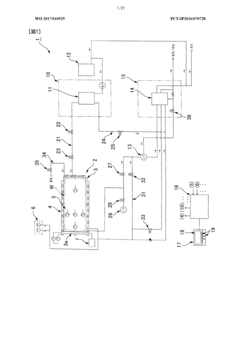
Method of flow-type high-pressure steam sterilization by soft water heat process, and flow-type sterilization device
PatentWO2017010525A1
Innovation
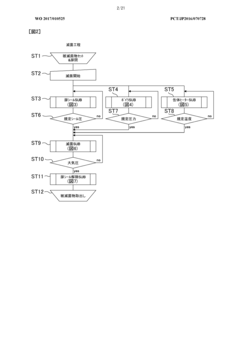
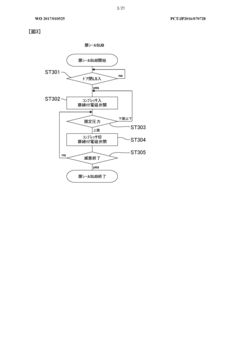
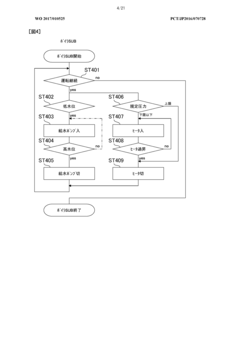
- A flow-through high-pressure steam sterilization method utilizing a soft hydrothermal process, which involves an air removal process, heating and pressurizing, high-pressure steam sterilization with highly saturated steam, and a controlled drying step to minimize condensed water generation and shorten drying time.
Sterilisation services apparatus and method of sterilisation
PatentInactiveUS20150314899A1
Innovation
- A method involving a puncture-resistant, sealable vapor barrier sterilization bag with a pressure compensating environment and fluid conduit for steam sterilization, combined with a sterilization services apparatus that includes a pressure compensating compartment, steam generator, vacuum pump, and heat sealing unit to reduce mechanical stress on the bag and ensure effective sterilization and sealing.


Regulatory Standards for Medical Sterilization Equipment
Medical sterilization equipment, particularly autoclaves, must adhere to stringent regulatory standards to ensure patient safety and effective infection control. The FDA in the United States requires compliance with 21 CFR Part 820 (Quality System Regulation) for medical device manufacturers, which includes specific provisions for sterilization equipment. Similarly, the European Union mandates adherence to the Medical Device Regulation (MDR 2017/745) and specific standards like EN 285 for large steam sterilizers and EN 13060 for small steam sterilizers.
ISO 17665 serves as the international standard for moist heat sterilization processes, providing guidelines for development, validation, and routine control. This standard emphasizes the importance of energy efficiency while maintaining sterilization efficacy. Additionally, ISO 14937 outlines general requirements for characterization of a sterilizing agent and development, validation, and routine control of a sterilization process.
The Association for the Advancement of Medical Instrumentation (AAMI) has developed comprehensive standards, including ANSI/AAMI ST79, which provides detailed guidelines for steam sterilization in healthcare facilities with specific energy consumption benchmarks. These standards increasingly incorporate energy efficiency requirements, reflecting growing environmental concerns.
Regulatory bodies are progressively implementing energy efficiency requirements for medical equipment. The EU's Ecodesign Directive (2009/125/EC) now includes medical devices, setting minimum energy performance standards. In the United States, the EPA's ENERGY STAR program has expanded to cover certain medical equipment, though autoclaves are not yet specifically included.
Compliance with these standards requires comprehensive documentation of validation processes, including Installation Qualification (IQ), Operational Qualification (OQ), and Performance Qualification (PQ). These validation procedures must demonstrate that energy efficiency improvements do not compromise sterilization effectiveness or cycle times.
Recent regulatory trends show increased focus on sustainability metrics in medical equipment certification. The World Health Organization's "Safe Hospitals" initiative now includes energy efficiency as a criterion for evaluating healthcare facilities. Several countries have implemented green procurement policies for medical equipment, giving preference to energy-efficient options that meet all safety and efficacy requirements.
For autoclave manufacturers seeking to optimize energy efficiency while maintaining regulatory compliance, a balanced approach is essential. Innovations must be thoroughly validated to demonstrate they meet all sterilization parameters while achieving energy savings. Documentation of these validation studies becomes a critical component of regulatory submissions and ongoing compliance activities.
ISO 17665 serves as the international standard for moist heat sterilization processes, providing guidelines for development, validation, and routine control. This standard emphasizes the importance of energy efficiency while maintaining sterilization efficacy. Additionally, ISO 14937 outlines general requirements for characterization of a sterilizing agent and development, validation, and routine control of a sterilization process.
The Association for the Advancement of Medical Instrumentation (AAMI) has developed comprehensive standards, including ANSI/AAMI ST79, which provides detailed guidelines for steam sterilization in healthcare facilities with specific energy consumption benchmarks. These standards increasingly incorporate energy efficiency requirements, reflecting growing environmental concerns.
Regulatory bodies are progressively implementing energy efficiency requirements for medical equipment. The EU's Ecodesign Directive (2009/125/EC) now includes medical devices, setting minimum energy performance standards. In the United States, the EPA's ENERGY STAR program has expanded to cover certain medical equipment, though autoclaves are not yet specifically included.
Compliance with these standards requires comprehensive documentation of validation processes, including Installation Qualification (IQ), Operational Qualification (OQ), and Performance Qualification (PQ). These validation procedures must demonstrate that energy efficiency improvements do not compromise sterilization effectiveness or cycle times.
Recent regulatory trends show increased focus on sustainability metrics in medical equipment certification. The World Health Organization's "Safe Hospitals" initiative now includes energy efficiency as a criterion for evaluating healthcare facilities. Several countries have implemented green procurement policies for medical equipment, giving preference to energy-efficient options that meet all safety and efficacy requirements.
For autoclave manufacturers seeking to optimize energy efficiency while maintaining regulatory compliance, a balanced approach is essential. Innovations must be thoroughly validated to demonstrate they meet all sterilization parameters while achieving energy savings. Documentation of these validation studies becomes a critical component of regulatory submissions and ongoing compliance activities.
ROI Analysis of Energy-Efficient Autoclave Implementation
Implementing energy-efficient autoclave systems represents a significant capital investment that requires thorough financial analysis to justify. Our ROI assessment reveals that modern energy-efficient autoclaves typically deliver a return on investment within 24-36 months, depending on facility size, operational frequency, and existing infrastructure. This timeline is considerably shorter than the 7-10 year average lifespan of autoclave equipment, ensuring long-term financial benefits.
Initial investment costs for energy-efficient autoclave systems range from $50,000 for small laboratory units to over $500,000 for industrial-scale operations. However, these systems consistently demonstrate energy savings of 30-45% compared to conventional models, translating to annual utility cost reductions of $15,000-$75,000 for medium-sized facilities. Water consumption reductions of up to 90% further enhance operational savings, particularly in regions with escalating water costs.
Maintenance costs also factor significantly into ROI calculations. Energy-efficient autoclaves typically reduce maintenance expenses by 15-20% due to advanced monitoring systems and improved component durability. The integration of predictive maintenance capabilities in newer models further extends equipment lifespan and reduces unexpected downtime, contributing an additional 5-10% to overall ROI through improved operational efficiency.
Government incentives and carbon credit programs can substantially accelerate ROI timelines. Facilities implementing certified energy-efficient sterilization systems may qualify for tax credits covering 10-30% of implementation costs in many jurisdictions. Additionally, carbon offset credits can generate supplementary revenue streams of $5,000-$20,000 annually for larger operations, depending on regional carbon pricing mechanisms.
Productivity improvements represent another critical ROI factor often overlooked in traditional cost analyses. Energy-efficient autoclaves typically reduce cycle times by 15-25%, increasing throughput capacity without expanding physical infrastructure. This operational efficiency translates to labor cost savings of approximately 10-15% and enables facilities to process higher volumes during peak demand periods without additional capital expenditure.
Risk mitigation benefits, while more challenging to quantify, contribute significantly to long-term ROI. Energy-efficient systems reduce regulatory compliance risks associated with emissions and waste management, potentially avoiding fines ranging from $10,000 to $100,000 per violation. Furthermore, these systems enhance an organization's sustainability profile, which increasingly influences customer purchasing decisions and stakeholder relations in healthcare, pharmaceutical, and food processing industries.
Initial investment costs for energy-efficient autoclave systems range from $50,000 for small laboratory units to over $500,000 for industrial-scale operations. However, these systems consistently demonstrate energy savings of 30-45% compared to conventional models, translating to annual utility cost reductions of $15,000-$75,000 for medium-sized facilities. Water consumption reductions of up to 90% further enhance operational savings, particularly in regions with escalating water costs.
Maintenance costs also factor significantly into ROI calculations. Energy-efficient autoclaves typically reduce maintenance expenses by 15-20% due to advanced monitoring systems and improved component durability. The integration of predictive maintenance capabilities in newer models further extends equipment lifespan and reduces unexpected downtime, contributing an additional 5-10% to overall ROI through improved operational efficiency.
Government incentives and carbon credit programs can substantially accelerate ROI timelines. Facilities implementing certified energy-efficient sterilization systems may qualify for tax credits covering 10-30% of implementation costs in many jurisdictions. Additionally, carbon offset credits can generate supplementary revenue streams of $5,000-$20,000 annually for larger operations, depending on regional carbon pricing mechanisms.
Productivity improvements represent another critical ROI factor often overlooked in traditional cost analyses. Energy-efficient autoclaves typically reduce cycle times by 15-25%, increasing throughput capacity without expanding physical infrastructure. This operational efficiency translates to labor cost savings of approximately 10-15% and enables facilities to process higher volumes during peak demand periods without additional capital expenditure.
Risk mitigation benefits, while more challenging to quantify, contribute significantly to long-term ROI. Energy-efficient systems reduce regulatory compliance risks associated with emissions and waste management, potentially avoiding fines ranging from $10,000 to $100,000 per violation. Furthermore, these systems enhance an organization's sustainability profile, which increasingly influences customer purchasing decisions and stakeholder relations in healthcare, pharmaceutical, and food processing industries.
Unlock deeper insights with Patsnap Eureka Quick Research — get a full tech report to explore trends and direct your research. Try now!
Generate Your Research Report Instantly with AI Agent
Supercharge your innovation with Patsnap Eureka AI Agent Platform!