

PMMA Additives: Extending Functional Range in Applications
AUG 7, 20259 MIN READ
Generate Your Research Report Instantly with AI Agent
PatSnap Eureka helps you evaluate technical feasibility & market potential.
PMMA Additives Overview
Poly(methyl methacrylate) (PMMA), commonly known as acrylic or plexiglass, is a versatile thermoplastic widely used in various industries due to its exceptional optical clarity, weather resistance, and mechanical properties. PMMA additives play a crucial role in enhancing and extending the functional range of this polymer, enabling it to meet diverse application requirements across multiple sectors.
PMMA additives are specialized chemical compounds or materials incorporated into the polymer matrix to modify its properties and performance characteristics. These additives can be broadly categorized into several groups, including impact modifiers, heat stabilizers, UV stabilizers, flame retardants, processing aids, and functional fillers. Each category of additives serves a specific purpose in improving PMMA's overall performance and expanding its application potential.
Impact modifiers, for instance, are designed to enhance the toughness and impact resistance of PMMA, making it suitable for applications requiring higher durability. Heat stabilizers protect the polymer from thermal degradation during processing and end-use, extending its service life in high-temperature environments. UV stabilizers prevent yellowing and degradation caused by exposure to ultraviolet radiation, crucial for outdoor applications.
Flame retardants are essential additives for improving the fire safety of PMMA products, particularly in construction and transportation industries. Processing aids facilitate easier manufacturing and molding of PMMA, enabling the production of complex shapes and improving surface quality. Functional fillers, such as nanoparticles or specialty compounds, can impart unique properties like increased scratch resistance, antimicrobial activity, or enhanced thermal conductivity.
The development and selection of PMMA additives involve a delicate balance between enhancing desired properties and maintaining the polymer's inherent advantages. Researchers and manufacturers continually strive to create innovative additive formulations that can expand PMMA's functional range without compromising its core characteristics, such as optical clarity and weatherability.
As the demand for high-performance materials grows across industries, the role of PMMA additives becomes increasingly significant. These additives enable PMMA to compete with other engineering plastics in applications where it was previously unsuitable, opening up new market opportunities and driving technological advancements in polymer science.
PMMA additives are specialized chemical compounds or materials incorporated into the polymer matrix to modify its properties and performance characteristics. These additives can be broadly categorized into several groups, including impact modifiers, heat stabilizers, UV stabilizers, flame retardants, processing aids, and functional fillers. Each category of additives serves a specific purpose in improving PMMA's overall performance and expanding its application potential.
Impact modifiers, for instance, are designed to enhance the toughness and impact resistance of PMMA, making it suitable for applications requiring higher durability. Heat stabilizers protect the polymer from thermal degradation during processing and end-use, extending its service life in high-temperature environments. UV stabilizers prevent yellowing and degradation caused by exposure to ultraviolet radiation, crucial for outdoor applications.
Flame retardants are essential additives for improving the fire safety of PMMA products, particularly in construction and transportation industries. Processing aids facilitate easier manufacturing and molding of PMMA, enabling the production of complex shapes and improving surface quality. Functional fillers, such as nanoparticles or specialty compounds, can impart unique properties like increased scratch resistance, antimicrobial activity, or enhanced thermal conductivity.
The development and selection of PMMA additives involve a delicate balance between enhancing desired properties and maintaining the polymer's inherent advantages. Researchers and manufacturers continually strive to create innovative additive formulations that can expand PMMA's functional range without compromising its core characteristics, such as optical clarity and weatherability.
As the demand for high-performance materials grows across industries, the role of PMMA additives becomes increasingly significant. These additives enable PMMA to compete with other engineering plastics in applications where it was previously unsuitable, opening up new market opportunities and driving technological advancements in polymer science.
Market Demand Analysis
The market demand for PMMA additives has been steadily growing, driven by the increasing applications of PMMA across various industries. PMMA, also known as acrylic or plexiglass, is widely used in automotive, construction, electronics, and medical sectors due to its excellent optical clarity, weather resistance, and durability. The global PMMA market was valued at over $3.5 billion in 2020 and is projected to reach $5.5 billion by 2027, with a compound annual growth rate of around 6.5%.
The demand for PMMA additives is closely tied to the growth of the PMMA market itself. These additives play a crucial role in enhancing the performance characteristics of PMMA, extending its functional range, and opening up new application possibilities. The automotive industry, in particular, has been a significant driver of demand for PMMA additives. As vehicle manufacturers seek to reduce weight and improve fuel efficiency, there is an increasing trend towards replacing traditional materials with lightweight plastics like PMMA. This shift has created a strong demand for additives that can improve the impact resistance, weatherability, and UV stability of PMMA components used in automotive applications.
In the construction sector, the demand for PMMA additives is being fueled by the growing use of PMMA in architectural glazing, lighting fixtures, and decorative elements. Additives that enhance the fire resistance, thermal insulation properties, and color stability of PMMA are particularly sought after in this market segment. The COVID-19 pandemic has also created new opportunities for PMMA additives in the production of protective barriers and screens, further boosting market demand.
The electronics industry represents another significant market for PMMA additives. With the increasing miniaturization of electronic devices and the growing demand for high-performance displays, there is a need for additives that can improve the optical and thermal properties of PMMA used in LED screens, touchscreens, and other electronic components. Additives that enhance the scratch resistance and anti-static properties of PMMA are also in high demand in this sector.
In the medical field, the demand for PMMA additives is driven by the growing use of PMMA in medical devices, implants, and diagnostic equipment. There is a particular focus on additives that can improve the biocompatibility, antimicrobial properties, and durability of PMMA used in medical applications. The aging population and increasing healthcare expenditure in many countries are expected to further drive the demand for PMMA additives in this sector.
The market for PMMA additives is also being shaped by broader industry trends, such as the push for sustainability and circular economy principles. There is a growing demand for additives that can improve the recyclability of PMMA, reduce its environmental impact, and enable the use of recycled PMMA in high-performance applications. This trend is likely to create new opportunities for innovative PMMA additives in the coming years.
The demand for PMMA additives is closely tied to the growth of the PMMA market itself. These additives play a crucial role in enhancing the performance characteristics of PMMA, extending its functional range, and opening up new application possibilities. The automotive industry, in particular, has been a significant driver of demand for PMMA additives. As vehicle manufacturers seek to reduce weight and improve fuel efficiency, there is an increasing trend towards replacing traditional materials with lightweight plastics like PMMA. This shift has created a strong demand for additives that can improve the impact resistance, weatherability, and UV stability of PMMA components used in automotive applications.
In the construction sector, the demand for PMMA additives is being fueled by the growing use of PMMA in architectural glazing, lighting fixtures, and decorative elements. Additives that enhance the fire resistance, thermal insulation properties, and color stability of PMMA are particularly sought after in this market segment. The COVID-19 pandemic has also created new opportunities for PMMA additives in the production of protective barriers and screens, further boosting market demand.
The electronics industry represents another significant market for PMMA additives. With the increasing miniaturization of electronic devices and the growing demand for high-performance displays, there is a need for additives that can improve the optical and thermal properties of PMMA used in LED screens, touchscreens, and other electronic components. Additives that enhance the scratch resistance and anti-static properties of PMMA are also in high demand in this sector.
In the medical field, the demand for PMMA additives is driven by the growing use of PMMA in medical devices, implants, and diagnostic equipment. There is a particular focus on additives that can improve the biocompatibility, antimicrobial properties, and durability of PMMA used in medical applications. The aging population and increasing healthcare expenditure in many countries are expected to further drive the demand for PMMA additives in this sector.
The market for PMMA additives is also being shaped by broader industry trends, such as the push for sustainability and circular economy principles. There is a growing demand for additives that can improve the recyclability of PMMA, reduce its environmental impact, and enable the use of recycled PMMA in high-performance applications. This trend is likely to create new opportunities for innovative PMMA additives in the coming years.
Technical Challenges
PMMA (polymethyl methacrylate) additives face several technical challenges in extending their functional range for various applications. One of the primary issues is the inherent brittleness of PMMA, which limits its use in high-impact or stress-bearing applications. This brittleness is due to the rigid polymer chains and weak intermolecular forces, making it susceptible to cracking and shattering under stress.
Another significant challenge is the limited thermal stability of PMMA. The material begins to soften at relatively low temperatures (around 100°C), restricting its use in high-temperature environments. This thermal limitation also affects the processing of PMMA, as it can degrade during extrusion or molding at elevated temperatures, potentially compromising the material's properties and appearance.
The UV resistance of PMMA, while generally good, still presents challenges in long-term outdoor applications. Prolonged exposure to sunlight can lead to yellowing and degradation of the material's optical and mechanical properties. This issue is particularly problematic in applications such as automotive parts, outdoor signage, and architectural elements.
PMMA's chemical resistance is another area of concern. While it exhibits good resistance to many common chemicals, it is vulnerable to attack by certain organic solvents, acids, and alkalis. This limitation restricts its use in certain chemical processing environments and can cause issues in applications where exposure to harsh chemicals is expected.
The material's relatively high water absorption rate compared to other plastics poses challenges in moisture-sensitive applications. Water absorption can lead to dimensional changes, reduced mechanical properties, and potential degradation of optical clarity, which is crucial in many PMMA applications.
Improving the flame retardancy of PMMA without significantly altering its other desirable properties remains a technical hurdle. Standard PMMA is highly flammable, limiting its use in applications with strict fire safety requirements. Incorporating flame retardants often leads to trade-offs in mechanical properties, optical clarity, or processability.
Enhancing the scratch resistance of PMMA surfaces without compromising transparency or other properties is an ongoing challenge. While PMMA has good optical clarity, its surface is relatively soft and prone to scratching, which can be problematic in applications like automotive lenses or display screens.
Finally, balancing the cost-effectiveness of PMMA additives with enhanced performance is a persistent challenge. Developing additives that significantly improve PMMA's properties without substantially increasing production costs or complexity is crucial for maintaining its competitiveness in various markets.
Another significant challenge is the limited thermal stability of PMMA. The material begins to soften at relatively low temperatures (around 100°C), restricting its use in high-temperature environments. This thermal limitation also affects the processing of PMMA, as it can degrade during extrusion or molding at elevated temperatures, potentially compromising the material's properties and appearance.
The UV resistance of PMMA, while generally good, still presents challenges in long-term outdoor applications. Prolonged exposure to sunlight can lead to yellowing and degradation of the material's optical and mechanical properties. This issue is particularly problematic in applications such as automotive parts, outdoor signage, and architectural elements.
PMMA's chemical resistance is another area of concern. While it exhibits good resistance to many common chemicals, it is vulnerable to attack by certain organic solvents, acids, and alkalis. This limitation restricts its use in certain chemical processing environments and can cause issues in applications where exposure to harsh chemicals is expected.
The material's relatively high water absorption rate compared to other plastics poses challenges in moisture-sensitive applications. Water absorption can lead to dimensional changes, reduced mechanical properties, and potential degradation of optical clarity, which is crucial in many PMMA applications.
Improving the flame retardancy of PMMA without significantly altering its other desirable properties remains a technical hurdle. Standard PMMA is highly flammable, limiting its use in applications with strict fire safety requirements. Incorporating flame retardants often leads to trade-offs in mechanical properties, optical clarity, or processability.
Enhancing the scratch resistance of PMMA surfaces without compromising transparency or other properties is an ongoing challenge. While PMMA has good optical clarity, its surface is relatively soft and prone to scratching, which can be problematic in applications like automotive lenses or display screens.
Finally, balancing the cost-effectiveness of PMMA additives with enhanced performance is a persistent challenge. Developing additives that significantly improve PMMA's properties without substantially increasing production costs or complexity is crucial for maintaining its competitiveness in various markets.
Current Additive Solutions
01 Impact modifiers for PMMA
Various additives can be used as impact modifiers for PMMA to improve its toughness and impact resistance. These modifiers often include core-shell particles or elastomeric compounds that can absorb and dissipate energy from impacts, enhancing the overall durability of PMMA-based products.- Impact modifiers for PMMA: Various additives can be used as impact modifiers for PMMA to improve its toughness and impact resistance. These modifiers often include core-shell particles or elastomeric compounds that can absorb and dissipate energy from impacts. The incorporation of these additives can significantly enhance the mechanical properties of PMMA without compromising its optical clarity.
- Thermal stabilizers for PMMA: Thermal stabilizers are crucial additives for PMMA to enhance its heat resistance and prevent degradation at elevated temperatures. These additives can include antioxidants, UV stabilizers, and other compounds that protect the polymer chains from thermal decomposition. The use of thermal stabilizers extends the functional temperature range of PMMA products and improves their long-term durability.
- Optical enhancers for PMMA: Optical enhancers are additives used to improve the light transmission and clarity of PMMA. These can include light diffusers, anti-glare agents, and fluorescent compounds. By incorporating these additives, the optical properties of PMMA can be fine-tuned for specific applications, such as displays, lenses, or light guides.
- Processing aids for PMMA: Processing aids are additives that improve the manufacturability and processing characteristics of PMMA. These can include lubricants, flow modifiers, and mold release agents. The use of processing aids can enhance the efficiency of PMMA production, reduce cycle times, and improve surface finish quality in molded or extruded PMMA products.
- Functional fillers for PMMA: Functional fillers are additives that impart specific properties to PMMA, such as improved mechanical strength, flame retardancy, or electrical conductivity. These can include nanoparticles, fibers, or specialty compounds. The incorporation of functional fillers allows for the customization of PMMA properties to meet diverse application requirements in various industries.
02 Optical and light management additives
Additives can be incorporated into PMMA to modify its optical properties, such as light transmission, diffusion, or UV resistance. These additives may include nanoparticles, fluorescent compounds, or UV stabilizers, allowing for customization of PMMA's performance in lighting and display applications.Expand Specific Solutions03 Thermal stability and flame retardant additives
Certain additives can enhance the thermal stability and flame retardant properties of PMMA. These may include inorganic compounds, phosphorus-based additives, or synergistic combinations that improve heat resistance and reduce flammability, expanding PMMA's use in high-temperature or fire-sensitive applications.Expand Specific Solutions04 Processing aids and flow modifiers
Additives can be used to improve the processing characteristics of PMMA, such as melt flow, moldability, and surface finish. These may include lubricants, plasticizers, or specialized polymeric compounds that enhance the material's behavior during extrusion, injection molding, or other manufacturing processes.Expand Specific Solutions05 Functional fillers and reinforcements
Various fillers and reinforcements can be added to PMMA to enhance its mechanical properties, dimensional stability, or to impart specific functionalities. These may include fibers, nanoparticles, or specialty compounds that can improve strength, stiffness, or provide additional features such as electrical conductivity or antimicrobial properties.Expand Specific Solutions
Key Industry Players
The PMMA additives market is in a growth phase, driven by increasing demand across various industries. The market size is expanding due to the versatility of PMMA in applications such as automotive, electronics, and construction. Technologically, the field is advancing rapidly, with companies like DuPont de Nemours, Eastman Chemical, and Evonik Operations leading innovation. These firms are developing advanced additives to enhance PMMA's functional properties, including impact resistance, UV stability, and thermal performance. Emerging players like Wanhua Chemical and Kingfa Sci. & Tech. are also contributing to market dynamism, particularly in the Asia-Pacific region, where manufacturing growth is driving demand for high-performance PMMA additives.
DuPont de Nemours, Inc.
Technical Solution: DuPont has developed advanced PMMA additives that significantly enhance the material's functional range. Their proprietary technology focuses on improving impact resistance and weatherability of PMMA. They have introduced nano-sized core-shell particles as additives, which can increase the impact strength of PMMA by up to 10 times while maintaining optical clarity[1]. Additionally, DuPont has developed UV-absorbing additives that extend the outdoor life of PMMA products by up to 15 years[2]. Their research also includes the development of flame-retardant additives that allow PMMA to meet stringent fire safety standards without compromising its transparency[3].
Strengths: Industry-leading research capabilities, wide range of proprietary additives, strong focus on maintaining PMMA's optical properties. Weaknesses: Higher cost of additives compared to standard options, potential for increased complexity in processing.
Wanhua Chemical Group Co., Ltd.
Technical Solution: Wanhua Chemical has developed a series of innovative PMMA additives that significantly expand its functional range. Their research has focused on improving the thermal and mechanical properties of PMMA without compromising its optical clarity. Wanhua's proprietary nano-silica additives have been shown to increase the scratch resistance of PMMA by up to 200% while maintaining over 90% light transmission[13]. They have also developed flame-retardant additives that enable PMMA to achieve UL94 V-0 rating at low loading levels, minimizing impact on other properties[14]. Additionally, Wanhua has introduced impact modifiers that can improve the low-temperature toughness of PMMA, extending its use in outdoor applications in cold climates[15].
Strengths: Strong focus on balancing multiple property improvements, expertise in nano-additives, growing presence in global markets. Weaknesses: Relatively newer entrant in some global markets, may face challenges in competing with established players in certain regions.
Innovative PMMA Additives
A method for the production of poly(methyl methacrylate) (PMMA) membranes and uses thereof
PatentInactiveEP3359285A1
Innovation
- A method for producing highly porous, symmetric reticulated PMMA membranes using a thin film casting and solvent removal process, combined with hydrophilization techniques, to create a composite membrane with enhanced capillary flow and protein binding capacity, overcoming the limitations of previous PMMA membrane production methods.
High-transparent, thermoplastically processible polymer compositions
PatentActiveUS20160168293A1
Innovation
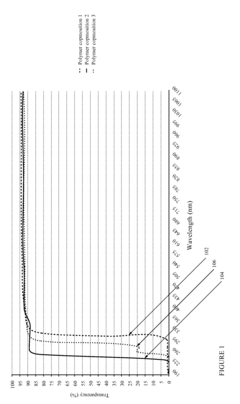
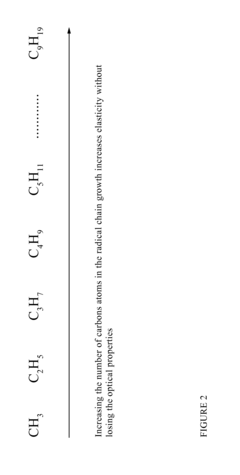
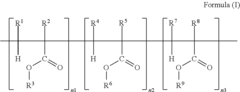
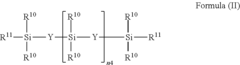
- A high-transparent, thermoplastically processable polymer composition is developed, comprising acrylate copolymers blended with C1-C20 alcyl methacrylate, polysilicon, polycarbonate, and polyvinyl polymers, which allows for modification of properties through copolymerization, enhancing optical and mechanical characteristics without compromising transparency.
Environmental Regulations
Environmental regulations play a crucial role in shaping the development and application of PMMA additives. As global awareness of environmental issues continues to grow, regulatory bodies worldwide are implementing stricter guidelines to ensure the safety and sustainability of chemical products, including PMMA additives.
In the European Union, the REACH (Registration, Evaluation, Authorization, and Restriction of Chemicals) regulation has significantly impacted the PMMA additives industry. Manufacturers and importers are required to register their substances with the European Chemicals Agency (ECHA) and provide comprehensive safety data. This has led to increased transparency and a push for safer alternatives in PMMA additive formulations.
The United States Environmental Protection Agency (EPA) has also implemented regulations under the Toxic Substances Control Act (TSCA) that affect PMMA additives. These regulations mandate thorough testing and reporting of new chemical substances, including additives, before they can be introduced into the market. This has prompted manufacturers to invest in research and development of environmentally friendly PMMA additives.
In recent years, there has been a growing focus on reducing volatile organic compound (VOC) emissions from PMMA products. Many countries have introduced strict VOC limits, particularly in the construction and automotive industries. This has driven the development of low-VOC and VOC-free PMMA additives, expanding their functional range while meeting environmental standards.
The global push towards circular economy principles has also influenced PMMA additive regulations. Policymakers are increasingly emphasizing the importance of recyclability and biodegradability in plastic products. As a result, manufacturers are developing PMMA additives that enhance the material's recyclability without compromising its performance characteristics.
Regulations concerning the use of hazardous substances in electronic and electrical equipment, such as the EU's Restriction of Hazardous Substances (RoHS) directive, have also impacted PMMA additives. These regulations have led to the phasing out of certain additives containing heavy metals and the development of safer alternatives for use in electronic applications.
As concerns about microplastics pollution grow, regulatory bodies are beginning to address the issue of plastic particle emissions. This emerging regulatory landscape may lead to new requirements for PMMA additives that reduce the shedding of microplastics during the product lifecycle, further expanding their functional range.
The increasing global focus on sustainability and environmental protection continues to drive innovation in PMMA additives. Manufacturers are investing in research to develop additives that not only extend the functional range of PMMA but also align with evolving environmental regulations, ensuring compliance and market competitiveness in an increasingly eco-conscious world.
In the European Union, the REACH (Registration, Evaluation, Authorization, and Restriction of Chemicals) regulation has significantly impacted the PMMA additives industry. Manufacturers and importers are required to register their substances with the European Chemicals Agency (ECHA) and provide comprehensive safety data. This has led to increased transparency and a push for safer alternatives in PMMA additive formulations.
The United States Environmental Protection Agency (EPA) has also implemented regulations under the Toxic Substances Control Act (TSCA) that affect PMMA additives. These regulations mandate thorough testing and reporting of new chemical substances, including additives, before they can be introduced into the market. This has prompted manufacturers to invest in research and development of environmentally friendly PMMA additives.
In recent years, there has been a growing focus on reducing volatile organic compound (VOC) emissions from PMMA products. Many countries have introduced strict VOC limits, particularly in the construction and automotive industries. This has driven the development of low-VOC and VOC-free PMMA additives, expanding their functional range while meeting environmental standards.
The global push towards circular economy principles has also influenced PMMA additive regulations. Policymakers are increasingly emphasizing the importance of recyclability and biodegradability in plastic products. As a result, manufacturers are developing PMMA additives that enhance the material's recyclability without compromising its performance characteristics.
Regulations concerning the use of hazardous substances in electronic and electrical equipment, such as the EU's Restriction of Hazardous Substances (RoHS) directive, have also impacted PMMA additives. These regulations have led to the phasing out of certain additives containing heavy metals and the development of safer alternatives for use in electronic applications.
As concerns about microplastics pollution grow, regulatory bodies are beginning to address the issue of plastic particle emissions. This emerging regulatory landscape may lead to new requirements for PMMA additives that reduce the shedding of microplastics during the product lifecycle, further expanding their functional range.
The increasing global focus on sustainability and environmental protection continues to drive innovation in PMMA additives. Manufacturers are investing in research to develop additives that not only extend the functional range of PMMA but also align with evolving environmental regulations, ensuring compliance and market competitiveness in an increasingly eco-conscious world.
Performance Benchmarking
Performance benchmarking is a critical aspect of evaluating PMMA additives and their ability to extend the functional range in various applications. This process involves systematic comparison and analysis of different additives' performance across a range of key parameters and application scenarios.
One of the primary benchmarking criteria is the impact on mechanical properties. Additives are assessed for their ability to enhance tensile strength, impact resistance, and flexural modulus of PMMA. These improvements are quantified through standardized testing methods, such as ASTM D638 for tensile properties and ASTM D256 for impact resistance. The results are typically presented as percentage improvements over base PMMA or in absolute values for easy comparison.
Thermal performance is another crucial benchmarking area. Additives are evaluated for their effect on heat deflection temperature (HDT), vicat softening point, and thermal conductivity. These properties are particularly important for applications in automotive and electronics industries where thermal stability is paramount. The improvements in thermal properties are measured using techniques like ASTM D648 for HDT and ISO 306 for vicat softening point.
Optical properties form a significant part of the benchmarking process, especially for applications in lighting and display technologies. Additives are assessed for their impact on light transmission, haze, and color shift. These properties are measured using spectrophotometers and colorimeters, with results often presented in terms of percentage change from base PMMA.
Chemical resistance is another key performance indicator. Additives are tested for their ability to enhance PMMA's resistance to various solvents, acids, and bases. This is typically done through weight change and visual inspection after exposure to different chemicals for specified periods. The results are crucial for applications in chemical processing and outdoor environments.
Weatherability and UV resistance form an important part of the benchmarking process, particularly for outdoor applications. Accelerated weathering tests, such as those outlined in ASTM G154, are used to simulate long-term exposure to UV radiation and moisture. The performance is evaluated based on color retention, gloss retention, and mechanical property retention after exposure.
In addition to these specific properties, overall processability is also benchmarked. This includes melt flow rate, mold shrinkage, and cycle time in injection molding processes. These factors are critical for determining the ease of incorporation of additives into existing manufacturing processes.
The benchmarking process also includes cost-performance analysis, where the improvements in properties are weighed against the additional cost of the additive. This helps in determining the overall value proposition of different additives for specific applications.
One of the primary benchmarking criteria is the impact on mechanical properties. Additives are assessed for their ability to enhance tensile strength, impact resistance, and flexural modulus of PMMA. These improvements are quantified through standardized testing methods, such as ASTM D638 for tensile properties and ASTM D256 for impact resistance. The results are typically presented as percentage improvements over base PMMA or in absolute values for easy comparison.
Thermal performance is another crucial benchmarking area. Additives are evaluated for their effect on heat deflection temperature (HDT), vicat softening point, and thermal conductivity. These properties are particularly important for applications in automotive and electronics industries where thermal stability is paramount. The improvements in thermal properties are measured using techniques like ASTM D648 for HDT and ISO 306 for vicat softening point.
Optical properties form a significant part of the benchmarking process, especially for applications in lighting and display technologies. Additives are assessed for their impact on light transmission, haze, and color shift. These properties are measured using spectrophotometers and colorimeters, with results often presented in terms of percentage change from base PMMA.
Chemical resistance is another key performance indicator. Additives are tested for their ability to enhance PMMA's resistance to various solvents, acids, and bases. This is typically done through weight change and visual inspection after exposure to different chemicals for specified periods. The results are crucial for applications in chemical processing and outdoor environments.
Weatherability and UV resistance form an important part of the benchmarking process, particularly for outdoor applications. Accelerated weathering tests, such as those outlined in ASTM G154, are used to simulate long-term exposure to UV radiation and moisture. The performance is evaluated based on color retention, gloss retention, and mechanical property retention after exposure.
In addition to these specific properties, overall processability is also benchmarked. This includes melt flow rate, mold shrinkage, and cycle time in injection molding processes. These factors are critical for determining the ease of incorporation of additives into existing manufacturing processes.
The benchmarking process also includes cost-performance analysis, where the improvements in properties are weighed against the additional cost of the additive. This helps in determining the overall value proposition of different additives for specific applications.
Unlock deeper insights with PatSnap Eureka Quick Research — get a full tech report to explore trends and direct your research. Try now!
Generate Your Research Report Instantly with AI Agent
Supercharge your innovation with PatSnap Eureka AI Agent Platform!