

S58 Engine Emission Control Solutions: Assessment Framework
SEP 8, 20259 MIN READ
Generate Your Research Report Instantly with AI Agent
PatSnap Eureka helps you evaluate technical feasibility & market potential.
S58 Engine Emission Control Background and Objectives
The S58 engine represents a significant advancement in BMW's high-performance power units, designed to meet increasingly stringent global emission standards while delivering exceptional performance. Developed as a successor to the S55 engine, the S58 was introduced in 2019 and has since become the cornerstone of BMW M's powertrain strategy for their compact and mid-size performance vehicles.
Emission control for high-performance engines presents unique challenges compared to standard production engines. The S58 must balance the seemingly contradictory goals of maximizing power output while minimizing environmental impact. This technical dichotomy has driven significant innovation in emission control technologies specifically tailored for performance applications.
The evolution of emission standards globally has been a primary driver for the S58's development. Euro 6d, China 6, and US EPA Tier 3 regulations have progressively tightened permissible limits for nitrogen oxides (NOx), particulate matter (PM), carbon monoxide (CO), and hydrocarbons (HC). These regulations have necessitated comprehensive approaches to emission control that extend beyond traditional catalytic conversion.
The S58 engine emission control system represents an integrated approach that begins with in-cylinder combustion optimization and extends through the exhaust aftertreatment system. Key technological objectives include reducing raw emissions through precise combustion control, optimizing catalyst light-off times, managing thermal loads during high-performance operation, and ensuring emission compliance across the entire operating envelope.
Historical approaches to emission control in performance engines often relied heavily on rich air-fuel mixtures for component protection and power generation, resulting in elevated CO emissions. Modern strategies, as exemplified by the S58, leverage advanced electronic control systems, variable valve timing, direct injection precision, and sophisticated turbocharging to enable leaner combustion while maintaining performance targets.
The primary technical goal for S58 emission control is to establish a comprehensive assessment framework that evaluates emission performance across the full operating range, including extreme conditions encountered during track use and high-speed operation. This framework must account for cold-start emissions, transient response characteristics, and long-term durability of emission control components under high thermal stress.
Additionally, the assessment framework aims to identify optimization pathways for future iterations of the S58 engine family, anticipating even stricter emission regulations while preserving the characteristic performance attributes expected from BMW M powertrains. This forward-looking approach ensures that emission control solutions can evolve alongside regulatory requirements without compromising the driving experience that defines the brand.
Emission control for high-performance engines presents unique challenges compared to standard production engines. The S58 must balance the seemingly contradictory goals of maximizing power output while minimizing environmental impact. This technical dichotomy has driven significant innovation in emission control technologies specifically tailored for performance applications.
The evolution of emission standards globally has been a primary driver for the S58's development. Euro 6d, China 6, and US EPA Tier 3 regulations have progressively tightened permissible limits for nitrogen oxides (NOx), particulate matter (PM), carbon monoxide (CO), and hydrocarbons (HC). These regulations have necessitated comprehensive approaches to emission control that extend beyond traditional catalytic conversion.
The S58 engine emission control system represents an integrated approach that begins with in-cylinder combustion optimization and extends through the exhaust aftertreatment system. Key technological objectives include reducing raw emissions through precise combustion control, optimizing catalyst light-off times, managing thermal loads during high-performance operation, and ensuring emission compliance across the entire operating envelope.
Historical approaches to emission control in performance engines often relied heavily on rich air-fuel mixtures for component protection and power generation, resulting in elevated CO emissions. Modern strategies, as exemplified by the S58, leverage advanced electronic control systems, variable valve timing, direct injection precision, and sophisticated turbocharging to enable leaner combustion while maintaining performance targets.
The primary technical goal for S58 emission control is to establish a comprehensive assessment framework that evaluates emission performance across the full operating range, including extreme conditions encountered during track use and high-speed operation. This framework must account for cold-start emissions, transient response characteristics, and long-term durability of emission control components under high thermal stress.
Additionally, the assessment framework aims to identify optimization pathways for future iterations of the S58 engine family, anticipating even stricter emission regulations while preserving the characteristic performance attributes expected from BMW M powertrains. This forward-looking approach ensures that emission control solutions can evolve alongside regulatory requirements without compromising the driving experience that defines the brand.
Market Demand Analysis for Low-Emission Engines
The global market for low-emission engines has experienced significant growth over the past decade, driven primarily by increasingly stringent environmental regulations and growing consumer awareness about environmental sustainability. The European Union's Euro 6d standards, the United States' EPA Tier 3 regulations, and China's China 6 standards have created substantial demand for advanced emission control technologies specifically for high-performance engines like the S58.
Market research indicates that the global automotive emission control systems market was valued at approximately $92 billion in 2022 and is projected to reach $136 billion by 2028, growing at a CAGR of 6.7%. Within this broader market, the premium performance engine segment, where the S58 engine positions itself, represents a specialized but lucrative niche with higher profit margins and technological innovation requirements.
Consumer behavior analysis reveals a notable shift in premium vehicle buyer preferences. While performance metrics remain important, emission efficiency has become a significant purchasing factor. A 2023 survey of luxury vehicle owners showed that 68% consider environmental impact when making purchasing decisions, up from 42% five years ago. This trend is particularly pronounced in European and North American markets.
The regulatory landscape continues to evolve rapidly, creating both challenges and opportunities. The European Green Deal aims for carbon neutrality by 2050, with interim targets requiring 55% emission reductions by 2030. Similarly, California's Advanced Clean Cars II regulation mandates that all new passenger vehicles sold in the state must be zero-emission by 2035, with phased implementation beginning in 2026.
Fleet emission targets for manufacturers have created a strategic imperative for developing low-emission high-performance engines. Companies must balance their product portfolios to meet corporate average fuel economy (CAFE) standards while maintaining market competitiveness in performance segments. This has accelerated investment in technologies like selective catalytic reduction (SCR), gasoline particulate filters (GPF), and advanced engine management systems.
Regional market analysis shows varying demand patterns. Western Europe leads in adoption of low-emission performance engines, followed by North America and developed Asian markets. Emerging markets show increasing interest but remain price-sensitive, creating opportunities for tiered technology deployment strategies. China represents a particularly important growth market, with its rapidly expanding premium vehicle segment and aggressive emission reduction targets.
Industry forecasts suggest that the market for emission control solutions specifically for high-performance engines like the S58 will grow at approximately 8.3% annually through 2028, outpacing the broader emission control market. This growth is driven by the dual pressures of regulatory compliance and consumer expectations for environmentally responsible performance vehicles.
Market research indicates that the global automotive emission control systems market was valued at approximately $92 billion in 2022 and is projected to reach $136 billion by 2028, growing at a CAGR of 6.7%. Within this broader market, the premium performance engine segment, where the S58 engine positions itself, represents a specialized but lucrative niche with higher profit margins and technological innovation requirements.
Consumer behavior analysis reveals a notable shift in premium vehicle buyer preferences. While performance metrics remain important, emission efficiency has become a significant purchasing factor. A 2023 survey of luxury vehicle owners showed that 68% consider environmental impact when making purchasing decisions, up from 42% five years ago. This trend is particularly pronounced in European and North American markets.
The regulatory landscape continues to evolve rapidly, creating both challenges and opportunities. The European Green Deal aims for carbon neutrality by 2050, with interim targets requiring 55% emission reductions by 2030. Similarly, California's Advanced Clean Cars II regulation mandates that all new passenger vehicles sold in the state must be zero-emission by 2035, with phased implementation beginning in 2026.
Fleet emission targets for manufacturers have created a strategic imperative for developing low-emission high-performance engines. Companies must balance their product portfolios to meet corporate average fuel economy (CAFE) standards while maintaining market competitiveness in performance segments. This has accelerated investment in technologies like selective catalytic reduction (SCR), gasoline particulate filters (GPF), and advanced engine management systems.
Regional market analysis shows varying demand patterns. Western Europe leads in adoption of low-emission performance engines, followed by North America and developed Asian markets. Emerging markets show increasing interest but remain price-sensitive, creating opportunities for tiered technology deployment strategies. China represents a particularly important growth market, with its rapidly expanding premium vehicle segment and aggressive emission reduction targets.
Industry forecasts suggest that the market for emission control solutions specifically for high-performance engines like the S58 will grow at approximately 8.3% annually through 2028, outpacing the broader emission control market. This growth is driven by the dual pressures of regulatory compliance and consumer expectations for environmentally responsible performance vehicles.
Current Emission Control Technologies and Challenges
The S58 engine, BMW's high-performance powerplant, faces increasingly stringent emission regulations worldwide. Current emission control technologies for this engine represent a complex ecosystem of integrated solutions designed to minimize environmental impact while maintaining performance characteristics.
Three-way catalytic converters (TWC) remain the primary technology for gasoline emission control in the S58 engine, converting carbon monoxide, hydrocarbons, and nitrogen oxides into less harmful compounds. These systems have evolved significantly, now featuring higher cell density substrates and advanced washcoat formulations that improve conversion efficiency across a broader temperature range.
Selective Catalytic Reduction (SCR) systems have been implemented to specifically target NOx emissions. The S58 engine utilizes a urea-based solution (AdBlue) that is injected into the exhaust stream, where it reacts with NOx in the presence of a catalyst to form nitrogen and water. This technology has proven particularly effective for meeting Euro 6d and upcoming Euro 7 standards.
Particulate filters have become standard equipment even on gasoline engines like the S58. These Gasoline Particulate Filters (GPF) capture soot particles as small as 0.01 microns, with periodic regeneration cycles to prevent clogging and maintain back-pressure within acceptable limits.
Advanced engine management systems represent a critical component of emission control. The S58 employs sophisticated electronic control units that continuously adjust fuel injection timing, ignition timing, and valve timing to optimize combustion efficiency and minimize pollutant formation at the source.
Despite these advancements, significant challenges persist. Cold-start emissions remain problematic, as catalytic converters require elevated temperatures to function efficiently. The S58 engine implements fast warm-up strategies, but the first 90 seconds of operation still account for a disproportionate percentage of total trip emissions.
Durability requirements present another challenge, with emission control systems now mandated to maintain performance for up to 160,000 kilometers. This necessitates more robust materials and designs that can withstand thermal cycling and chemical exposure over extended periods.
The balance between performance and emissions compliance creates engineering tensions. The S58's high-performance nature demands responsive throttle behavior and substantial power output, characteristics that traditionally conflict with optimal emission control strategies. Engineers must continuously refine calibration strategies to satisfy both requirements.
Cost considerations also present challenges, as increasingly complex emission control systems add significant expense to vehicle production. The integration of multiple catalysts, sensors, and control systems has driven up the bill of materials for the S58 powertrain package.
Three-way catalytic converters (TWC) remain the primary technology for gasoline emission control in the S58 engine, converting carbon monoxide, hydrocarbons, and nitrogen oxides into less harmful compounds. These systems have evolved significantly, now featuring higher cell density substrates and advanced washcoat formulations that improve conversion efficiency across a broader temperature range.
Selective Catalytic Reduction (SCR) systems have been implemented to specifically target NOx emissions. The S58 engine utilizes a urea-based solution (AdBlue) that is injected into the exhaust stream, where it reacts with NOx in the presence of a catalyst to form nitrogen and water. This technology has proven particularly effective for meeting Euro 6d and upcoming Euro 7 standards.
Particulate filters have become standard equipment even on gasoline engines like the S58. These Gasoline Particulate Filters (GPF) capture soot particles as small as 0.01 microns, with periodic regeneration cycles to prevent clogging and maintain back-pressure within acceptable limits.
Advanced engine management systems represent a critical component of emission control. The S58 employs sophisticated electronic control units that continuously adjust fuel injection timing, ignition timing, and valve timing to optimize combustion efficiency and minimize pollutant formation at the source.
Despite these advancements, significant challenges persist. Cold-start emissions remain problematic, as catalytic converters require elevated temperatures to function efficiently. The S58 engine implements fast warm-up strategies, but the first 90 seconds of operation still account for a disproportionate percentage of total trip emissions.
Durability requirements present another challenge, with emission control systems now mandated to maintain performance for up to 160,000 kilometers. This necessitates more robust materials and designs that can withstand thermal cycling and chemical exposure over extended periods.
The balance between performance and emissions compliance creates engineering tensions. The S58's high-performance nature demands responsive throttle behavior and substantial power output, characteristics that traditionally conflict with optimal emission control strategies. Engineers must continuously refine calibration strategies to satisfy both requirements.
Cost considerations also present challenges, as increasingly complex emission control systems add significant expense to vehicle production. The integration of multiple catalysts, sensors, and control systems has driven up the bill of materials for the S58 powertrain package.
Current S58 Engine Emission Control Approaches
01 Exhaust Gas Recirculation (EGR) Systems
EGR systems reduce nitrogen oxide emissions by recirculating a portion of exhaust gas back into the engine intake. This lowers combustion temperature and reduces NOx formation. Advanced EGR systems include cooling mechanisms, precise flow control valves, and electronic management to optimize the recirculation rate based on engine operating conditions.- Exhaust Gas Recirculation (EGR) Systems: EGR systems reduce nitrogen oxide (NOx) emissions by recirculating a portion of exhaust gas back into the engine intake. This lowers combustion temperature and reduces NOx formation. Advanced EGR systems may include cooling components, precise flow control valves, and electronic management systems to optimize the recirculation rate based on engine operating conditions.
- Selective Catalytic Reduction (SCR) Technology: SCR systems use a catalyst and a reducing agent (typically urea solution) to convert NOx emissions into nitrogen and water. The system includes components for urea injection, mixing, and catalytic conversion. Advanced SCR systems feature precise dosing control, temperature management, and diagnostic capabilities to ensure optimal emission reduction across various operating conditions.
- Diesel Particulate Filter (DPF) Systems: DPF systems capture and remove particulate matter (soot) from diesel exhaust. These systems include filter elements, regeneration mechanisms to burn off collected particulates, and pressure sensors to monitor filter loading. Advanced DPF technologies incorporate passive and active regeneration strategies, temperature management, and integration with other emission control components.
- Engine Control and Management Systems: Electronic control systems optimize engine performance while minimizing emissions through precise management of fuel injection timing, quantity, and pressure. These systems incorporate sensors to monitor operating conditions and adjust parameters in real-time. Advanced control strategies include multiple injection events, variable valve timing, and adaptive learning algorithms to maintain emission compliance across the engine's operating range.
- Combined Emission Control Solutions: Integrated systems combine multiple emission control technologies to meet stringent regulations. These solutions coordinate the operation of EGR, SCR, DPF, and oxidation catalysts to optimize overall emission reduction. System integration includes shared sensors, coordinated control strategies, and thermal management to ensure each component operates under optimal conditions while minimizing fuel consumption penalties.
02 Selective Catalytic Reduction (SCR) Technology
SCR systems use a catalyst and a reducing agent (typically urea solution) to convert nitrogen oxides into nitrogen and water. The system includes urea injection systems, mixing elements, and catalytic converters. Control strategies manage the dosing of the reducing agent based on exhaust temperature, NOx levels, and engine load to achieve optimal emission reduction.Expand Specific Solutions03 Diesel Particulate Filter (DPF) Systems
DPF systems capture and remove particulate matter from diesel exhaust. These systems incorporate filter elements that trap soot particles, along with regeneration mechanisms to periodically burn off accumulated particulates. Advanced DPF systems include pressure sensors, temperature monitors, and control algorithms to manage the regeneration process and maintain filter efficiency.Expand Specific Solutions04 Engine Control and Management Systems
Electronic control systems optimize engine performance while minimizing emissions. These systems use sensors to monitor operating conditions and adjust fuel injection timing, quantity, and pressure. Advanced control algorithms balance power output, fuel efficiency, and emissions control through precise management of combustion parameters and integration with aftertreatment systems.Expand Specific Solutions05 Combined Emission Control Strategies
Integrated approaches combine multiple emission control technologies to meet stringent regulations. These solutions coordinate the operation of EGR, SCR, DPF, and oxidation catalysts through centralized control systems. The integration enables synergistic effects between different technologies, optimizing overall emission reduction while maintaining engine performance and fuel efficiency across various operating conditions.Expand Specific Solutions
Key Industry Players in Emission Control Solutions
The S58 Engine Emission Control Solutions market is in a growth phase, driven by increasingly stringent global emissions regulations. The market size is expanding rapidly, projected to reach significant value as automotive manufacturers invest heavily in compliance technologies. From a technical maturity perspective, established players like Robert Bosch GmbH, GM Global Technology Operations, and Toyota Motor Corp lead with advanced catalytic converter and exhaust gas recirculation systems. Honda Motor and Scania CV AB have made notable advancements in selective catalytic reduction technology, while Chinese entities like China FAW and AECC Commercial Aircraft Engine Co are rapidly closing the technology gap. Academic-industry partnerships involving Beihang University and Tianjin University are accelerating innovation in this competitive landscape.
GM Global Technology Operations LLC
Technical Solution: GM has developed an integrated emission control framework for S58 engines centered around their Dynamic Fuel Management (DFM) technology. Their solution combines cylinder deactivation strategies with advanced catalytic converters and closed-loop control systems to optimize emissions across varying load conditions. GM's assessment methodology incorporates both laboratory certification cycles and extensive real-world driving data collected from their connected vehicle fleet. Their framework features rapid catalyst light-off strategies that reduce cold-start emissions by up to 40% compared to conventional systems. The solution integrates advanced OBD (On-Board Diagnostics) capabilities that continuously monitor emission control system performance and detect degradation before regulatory thresholds are exceeded. GM's approach also incorporates predictive maintenance algorithms that analyze sensor data to forecast potential emission control system failures, enabling proactive service interventions. Their framework includes comprehensive lifecycle assessment tools that evaluate environmental impact from manufacturing through end-of-life recycling.
Strengths: Excellent integration with vehicle connectivity features, sophisticated diagnostics capabilities, and effective cold-start emission management. Weaknesses: Higher system complexity increasing potential diagnostic challenges, greater dependency on sensor reliability, and performance variations across different driving patterns and climate conditions.
Robert Bosch GmbH
Technical Solution: Bosch has developed a comprehensive S58 engine emission control framework centered around their Denoxtronic system for selective catalytic reduction (SCR). Their solution integrates advanced sensors, precise urea dosing systems, and intelligent control algorithms to optimize NOx reduction. The system features closed-loop control that continuously monitors exhaust composition and adjusts reagent injection accordingly. Bosch's framework includes predictive models that anticipate emission patterns based on engine load conditions, enabling proactive control strategies. Their assessment methodology incorporates real-world driving cycles and incorporates machine learning algorithms to adapt to different driving conditions and engine aging effects. The system achieves up to 95% NOx reduction efficiency while minimizing ammonia slip through precise dosing control.
Strengths: Industry-leading sensor technology integration, highly precise dosing control, and adaptive algorithms that optimize performance across varying conditions. Weaknesses: Higher implementation cost compared to simpler systems, requires regular maintenance of dosing components, and depends on reliable urea supply infrastructure.
Critical Patents and Technologies in Emission Reduction
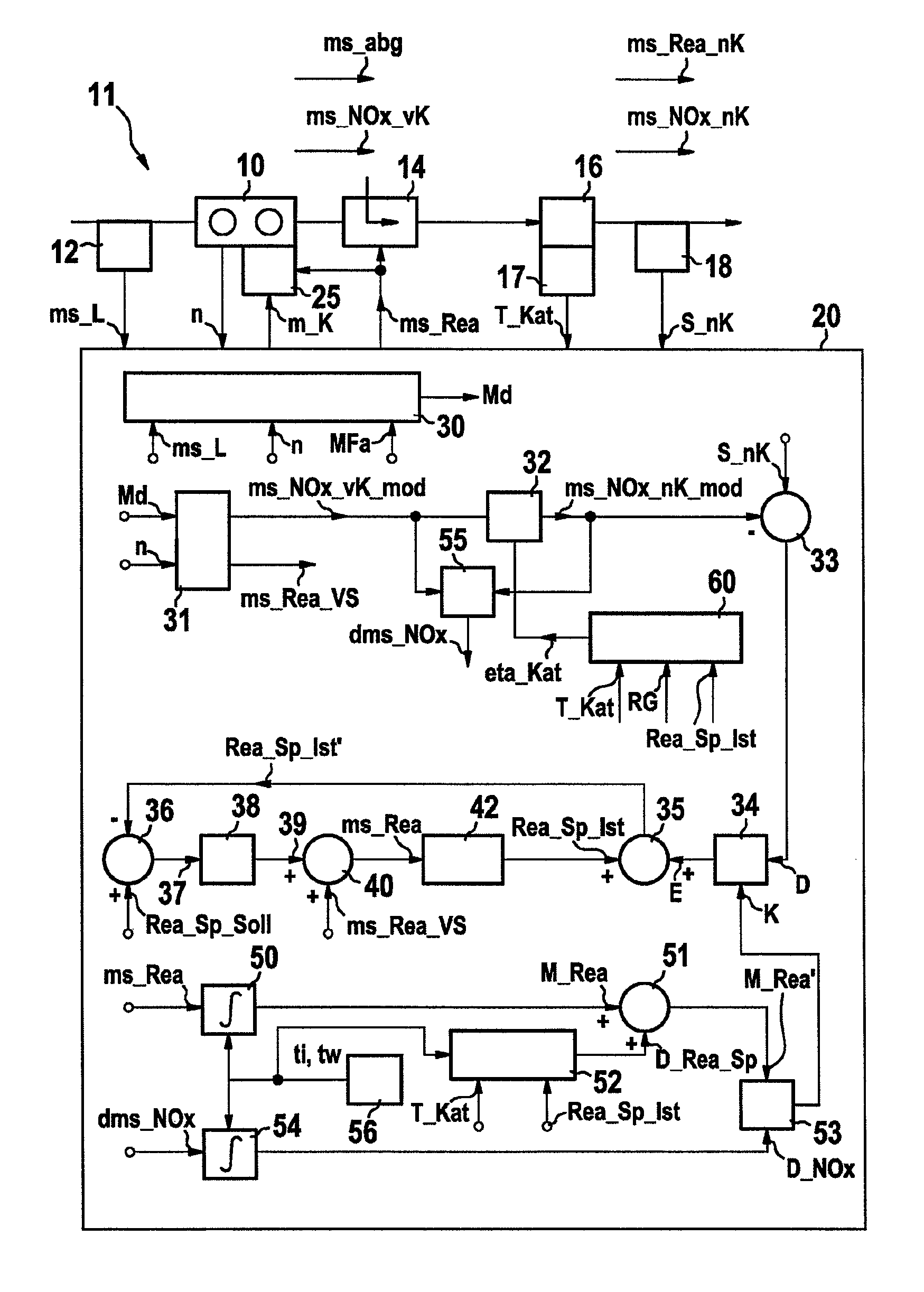
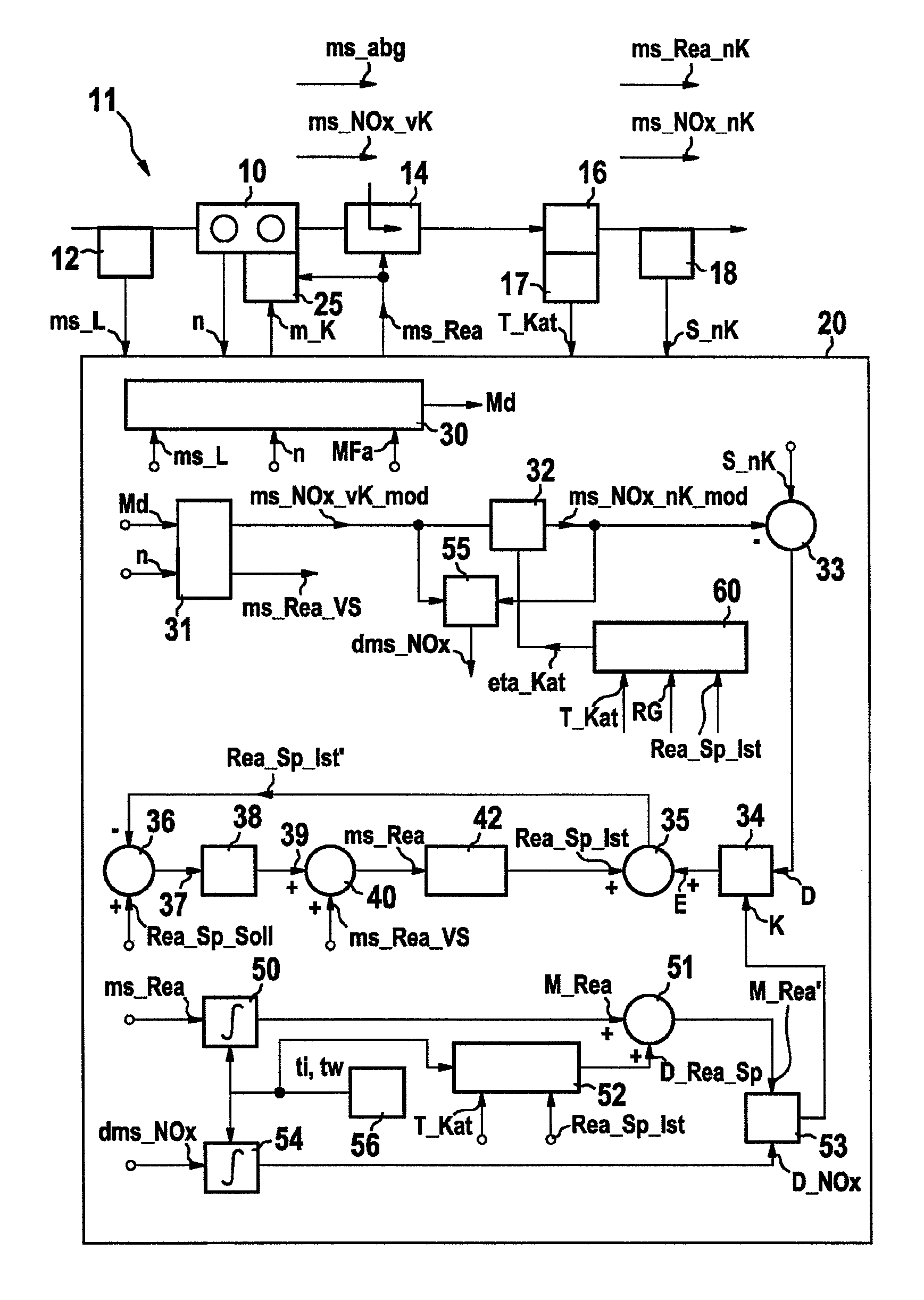
Method for operating an internal combustion engine and device for carrying out the method
PatentInactiveUS8024921B2
Innovation
- A procedure that calculates and adjusts the reagent substance dosage based on the difference between calculated and measured NOx currents, utilizing a NOx sensor's lateral sensitivity to the reagent substance, and includes a plausibility check to correct dosage deviations, ensuring minimal reagent slip and optimal NOx conversion.
Regulatory Compliance and Standards Analysis
The S58 engine emission control framework operates within a complex regulatory landscape that varies significantly across global markets. Current emission standards for high-performance engines like the S58 are primarily governed by Euro 6d in Europe, China 6b in China, and Tier 3/LEV III in the United States. These regulations establish increasingly stringent limits on nitrogen oxides (NOx), particulate matter (PM), carbon monoxide (CO), and hydrocarbon emissions.
The European Union's Euro 6d standard, implemented in 2020, introduced Real Driving Emissions (RDE) testing alongside traditional laboratory cycles, requiring conformity factors that limit the discrepancy between real-world and laboratory emission results. This has significantly impacted emission control system design for the S58 engine, necessitating more robust NOx reduction strategies under varied driving conditions.
Similarly, China's transition to the China 6b standard represents one of the world's most stringent regulatory frameworks, incorporating elements from both European and American standards while adding China-specific requirements for high-altitude performance and durability testing. The S58 engine's emission control systems must demonstrate compliance across these diverse testing protocols.
Certification procedures have evolved to include Worldwide Harmonized Light Vehicles Test Procedure (WLTP) and RDE testing using Portable Emissions Measurement Systems (PEMS). These procedures evaluate emissions across a broader range of driving conditions, speeds, and ambient temperatures than previous testing regimes, creating additional engineering challenges for maintaining compliance.
On-Board Diagnostic (OBD) requirements have also become more comprehensive, with OBD-II systems now mandated to monitor catalyst efficiency, exhaust gas recirculation flow, and particulate filter performance with greater precision. The S58 engine must incorporate sophisticated sensor arrays and diagnostic algorithms to meet these requirements while maintaining performance characteristics.
Future regulatory trends indicate further tightening of emission limits with Euro 7 and equivalent standards in development globally. These upcoming regulations are expected to focus on previously unregulated pollutants, extend the boundary conditions for compliance testing, and potentially introduce lifecycle carbon footprint considerations. The S58 emission control framework must therefore incorporate sufficient technical headroom to accommodate these evolving requirements through software updates and modular hardware designs.
Compliance with these diverse standards necessitates a comprehensive assessment framework that evaluates emission control performance across multiple regulatory environments, driving conditions, and vehicle lifespans, while maintaining the performance characteristics expected from this high-output engine platform.
The European Union's Euro 6d standard, implemented in 2020, introduced Real Driving Emissions (RDE) testing alongside traditional laboratory cycles, requiring conformity factors that limit the discrepancy between real-world and laboratory emission results. This has significantly impacted emission control system design for the S58 engine, necessitating more robust NOx reduction strategies under varied driving conditions.
Similarly, China's transition to the China 6b standard represents one of the world's most stringent regulatory frameworks, incorporating elements from both European and American standards while adding China-specific requirements for high-altitude performance and durability testing. The S58 engine's emission control systems must demonstrate compliance across these diverse testing protocols.
Certification procedures have evolved to include Worldwide Harmonized Light Vehicles Test Procedure (WLTP) and RDE testing using Portable Emissions Measurement Systems (PEMS). These procedures evaluate emissions across a broader range of driving conditions, speeds, and ambient temperatures than previous testing regimes, creating additional engineering challenges for maintaining compliance.
On-Board Diagnostic (OBD) requirements have also become more comprehensive, with OBD-II systems now mandated to monitor catalyst efficiency, exhaust gas recirculation flow, and particulate filter performance with greater precision. The S58 engine must incorporate sophisticated sensor arrays and diagnostic algorithms to meet these requirements while maintaining performance characteristics.
Future regulatory trends indicate further tightening of emission limits with Euro 7 and equivalent standards in development globally. These upcoming regulations are expected to focus on previously unregulated pollutants, extend the boundary conditions for compliance testing, and potentially introduce lifecycle carbon footprint considerations. The S58 emission control framework must therefore incorporate sufficient technical headroom to accommodate these evolving requirements through software updates and modular hardware designs.
Compliance with these diverse standards necessitates a comprehensive assessment framework that evaluates emission control performance across multiple regulatory environments, driving conditions, and vehicle lifespans, while maintaining the performance characteristics expected from this high-output engine platform.
Environmental Impact Assessment of S58 Solutions
The environmental impact assessment of S58 engine emission control solutions requires a comprehensive evaluation framework that considers both direct and indirect ecological consequences. The S58 engine, known for its high performance characteristics, presents unique challenges in balancing power output with environmental responsibility.
Primary emissions from S58 engines include nitrogen oxides (NOx), carbon monoxide (CO), particulate matter (PM), and hydrocarbons (HC). Each pollutant category contributes differently to environmental degradation, with NOx contributing to smog formation and respiratory issues, while PM affects air quality and can lead to cardiovascular complications. The assessment framework must quantify these emissions across various operational conditions.
Water resource impacts constitute another critical dimension of the assessment. Certain emission control technologies, particularly selective catalytic reduction (SCR) systems using urea-based solutions, create potential water contamination risks if not properly managed. The framework incorporates water quality metrics and consumption patterns associated with different control technologies.
Carbon footprint analysis extends beyond tailpipe emissions to encompass the entire lifecycle of emission control systems. This includes raw material extraction, manufacturing processes, operational energy requirements, and end-of-life disposal considerations. The framework employs standardized lifecycle assessment methodologies aligned with ISO 14040 standards to ensure comprehensive evaluation.
Noise pollution, often overlooked in emission assessments, receives dedicated attention in the S58 framework. Certain emission control technologies can alter the acoustic profile of engines, potentially creating additional environmental disturbances in sensitive ecosystems or urban environments. The assessment incorporates decibel measurements across frequency ranges relevant to wildlife and human communities.
Biodiversity impact metrics form a progressive element of the framework, evaluating how emissions from S58 engines affect local flora and fauna. This includes assessment of soil acidification potential, bioaccumulation of heavy metals, and habitat disruption factors. These metrics help quantify ecological resilience against emission-related stressors.
The framework also incorporates regulatory compliance pathways across major markets, mapping how different emission control solutions align with current and anticipated environmental legislation. This forward-looking approach helps identify solutions that not only address immediate environmental concerns but remain viable amid evolving regulatory landscapes.
Implementation of this assessment framework enables objective comparison between competing emission control technologies, supporting evidence-based decision making that balances performance requirements with environmental stewardship.
Primary emissions from S58 engines include nitrogen oxides (NOx), carbon monoxide (CO), particulate matter (PM), and hydrocarbons (HC). Each pollutant category contributes differently to environmental degradation, with NOx contributing to smog formation and respiratory issues, while PM affects air quality and can lead to cardiovascular complications. The assessment framework must quantify these emissions across various operational conditions.
Water resource impacts constitute another critical dimension of the assessment. Certain emission control technologies, particularly selective catalytic reduction (SCR) systems using urea-based solutions, create potential water contamination risks if not properly managed. The framework incorporates water quality metrics and consumption patterns associated with different control technologies.
Carbon footprint analysis extends beyond tailpipe emissions to encompass the entire lifecycle of emission control systems. This includes raw material extraction, manufacturing processes, operational energy requirements, and end-of-life disposal considerations. The framework employs standardized lifecycle assessment methodologies aligned with ISO 14040 standards to ensure comprehensive evaluation.
Noise pollution, often overlooked in emission assessments, receives dedicated attention in the S58 framework. Certain emission control technologies can alter the acoustic profile of engines, potentially creating additional environmental disturbances in sensitive ecosystems or urban environments. The assessment incorporates decibel measurements across frequency ranges relevant to wildlife and human communities.
Biodiversity impact metrics form a progressive element of the framework, evaluating how emissions from S58 engines affect local flora and fauna. This includes assessment of soil acidification potential, bioaccumulation of heavy metals, and habitat disruption factors. These metrics help quantify ecological resilience against emission-related stressors.
The framework also incorporates regulatory compliance pathways across major markets, mapping how different emission control solutions align with current and anticipated environmental legislation. This forward-looking approach helps identify solutions that not only address immediate environmental concerns but remain viable amid evolving regulatory landscapes.
Implementation of this assessment framework enables objective comparison between competing emission control technologies, supporting evidence-based decision making that balances performance requirements with environmental stewardship.
Unlock deeper insights with PatSnap Eureka Quick Research — get a full tech report to explore trends and direct your research. Try now!
Generate Your Research Report Instantly with AI Agent
Supercharge your innovation with PatSnap Eureka AI Agent Platform!