

S58 Engine Noise Reduction Techniques for Refined Ride
SEP 8, 20259 MIN READ
Generate Your Research Report Instantly with AI Agent
PatSnap Eureka helps you evaluate technical feasibility & market potential.
S58 Engine Noise Characteristics and Reduction Goals
The S58 engine, BMW's high-performance 3.0-liter twin-turbocharged inline-six powerplant, exhibits distinct noise characteristics that require comprehensive understanding for effective reduction strategies. This engine produces a complex acoustic signature comprising mechanical, combustion, and airflow-related noise components. Mechanical noise sources include valvetrain operation, timing chain movement, and bearing friction, particularly prominent at higher RPM ranges. Combustion noise manifests as both low-frequency rumble and high-frequency knocking sounds, varying with load conditions and fuel quality.
Airflow-related noise encompasses intake resonance, turbocharger whine, and exhaust flow turbulence. The S58's twin-turbocharger configuration introduces unique acoustic challenges, with characteristic whistling during spool-up and blow-off valve actuation creating distinctive sonic events. Additionally, the engine's rigid mounting system, while beneficial for performance, transmits vibrations through the vehicle structure, generating secondary noise paths that require targeted isolation.
Frequency analysis reveals that the S58 produces significant energy in the 250-500 Hz range during normal operation, with additional peaks at 1-2 kHz during high-load conditions. These frequency bands are particularly problematic as they align with human hearing sensitivity ranges and can penetrate the cabin despite conventional insulation measures.
The primary noise reduction goals for the S58 engine focus on enhancing perceived refinement without compromising the performance character that defines BMW M vehicles. Specifically, targets include reducing overall interior noise levels by 3-5 dB(A) across the operating range while maintaining the distinctive inline-six harmonic signature that customers associate with BMW performance. Critical to this balance is selective attenuation of harsh, mechanical components while preserving the emotionally engaging aspects of the engine note.
Additional goals include minimizing low-frequency vibration transmission to the cabin, reducing high-frequency components that create perception of strain, and eliminating transient noise spikes during rapid throttle changes. The engineering team aims to achieve a more linear progression of engine sound with increasing RPM, creating a sense of power buildup without harshness at the upper rev range.
Benchmark targets have been established based on competitive analysis of premium performance vehicles, with particular attention to Audi RS and Mercedes-AMG offerings. The S58 noise reduction program seeks to position BMW M products as class-leading in terms of acoustic refinement while maintaining their distinctive performance character, requiring innovative approaches that go beyond conventional noise suppression techniques.
Airflow-related noise encompasses intake resonance, turbocharger whine, and exhaust flow turbulence. The S58's twin-turbocharger configuration introduces unique acoustic challenges, with characteristic whistling during spool-up and blow-off valve actuation creating distinctive sonic events. Additionally, the engine's rigid mounting system, while beneficial for performance, transmits vibrations through the vehicle structure, generating secondary noise paths that require targeted isolation.
Frequency analysis reveals that the S58 produces significant energy in the 250-500 Hz range during normal operation, with additional peaks at 1-2 kHz during high-load conditions. These frequency bands are particularly problematic as they align with human hearing sensitivity ranges and can penetrate the cabin despite conventional insulation measures.
The primary noise reduction goals for the S58 engine focus on enhancing perceived refinement without compromising the performance character that defines BMW M vehicles. Specifically, targets include reducing overall interior noise levels by 3-5 dB(A) across the operating range while maintaining the distinctive inline-six harmonic signature that customers associate with BMW performance. Critical to this balance is selective attenuation of harsh, mechanical components while preserving the emotionally engaging aspects of the engine note.
Additional goals include minimizing low-frequency vibration transmission to the cabin, reducing high-frequency components that create perception of strain, and eliminating transient noise spikes during rapid throttle changes. The engineering team aims to achieve a more linear progression of engine sound with increasing RPM, creating a sense of power buildup without harshness at the upper rev range.
Benchmark targets have been established based on competitive analysis of premium performance vehicles, with particular attention to Audi RS and Mercedes-AMG offerings. The S58 noise reduction program seeks to position BMW M products as class-leading in terms of acoustic refinement while maintaining their distinctive performance character, requiring innovative approaches that go beyond conventional noise suppression techniques.
Market Demand for Refined Ride Quality
The global automotive market has witnessed a significant shift in consumer preferences towards premium driving experiences, with engine noise reduction becoming a critical factor in vehicle purchase decisions. According to recent industry surveys, over 85% of luxury vehicle buyers rate cabin quietness as "very important" or "extremely important" in their purchasing considerations. This trend extends beyond the luxury segment, with mid-market consumers increasingly expecting refined ride quality previously associated only with premium brands.
Market research indicates that the global automotive noise, vibration, and harshness (NVH) solutions market is projected to grow at a compound annual growth rate of 6.3% through 2028, reaching a valuation of $20.8 billion. This growth is primarily driven by consumer demand for quieter cabins and smoother driving experiences, particularly in urban environments where noise pollution is a growing concern.
The S58 engine, being a high-performance powerplant, presents unique challenges and opportunities in the NVH domain. Performance vehicle buyers traditionally accepted higher noise levels as part of the "character" of their vehicles. However, market segmentation studies reveal a significant shift in this paradigm, with 73% of performance vehicle owners now expressing preference for engines that deliver power without excessive noise intrusion.
Regional variations in market demand are notable, with European and North American consumers showing the highest sensitivity to engine noise quality. Asian markets, particularly China, are rapidly catching up, with noise reduction becoming a key differentiator in the highly competitive premium segment. Chinese consumers specifically rank engine refinement among their top five purchase considerations, a significant change from just five years ago.
Competitive benchmarking reveals that manufacturers who have successfully implemented advanced noise reduction technologies in their performance engines have seen customer satisfaction scores increase by an average of 18% in the "driving experience" category. This translates directly to brand loyalty metrics, with these manufacturers experiencing 12% higher repurchase rates compared to competitors with less refined powertrains.
The economic value of noise reduction is further evidenced by consumers' willingness to pay premium prices for quieter vehicles. Market pricing analysis shows that vehicles with advanced noise reduction technologies command a 4-7% price premium over comparable models without such features. This price elasticity demonstrates the tangible market value of refined ride quality and justifies continued investment in noise reduction technologies for engines like the S58.
Market research indicates that the global automotive noise, vibration, and harshness (NVH) solutions market is projected to grow at a compound annual growth rate of 6.3% through 2028, reaching a valuation of $20.8 billion. This growth is primarily driven by consumer demand for quieter cabins and smoother driving experiences, particularly in urban environments where noise pollution is a growing concern.
The S58 engine, being a high-performance powerplant, presents unique challenges and opportunities in the NVH domain. Performance vehicle buyers traditionally accepted higher noise levels as part of the "character" of their vehicles. However, market segmentation studies reveal a significant shift in this paradigm, with 73% of performance vehicle owners now expressing preference for engines that deliver power without excessive noise intrusion.
Regional variations in market demand are notable, with European and North American consumers showing the highest sensitivity to engine noise quality. Asian markets, particularly China, are rapidly catching up, with noise reduction becoming a key differentiator in the highly competitive premium segment. Chinese consumers specifically rank engine refinement among their top five purchase considerations, a significant change from just five years ago.
Competitive benchmarking reveals that manufacturers who have successfully implemented advanced noise reduction technologies in their performance engines have seen customer satisfaction scores increase by an average of 18% in the "driving experience" category. This translates directly to brand loyalty metrics, with these manufacturers experiencing 12% higher repurchase rates compared to competitors with less refined powertrains.
The economic value of noise reduction is further evidenced by consumers' willingness to pay premium prices for quieter vehicles. Market pricing analysis shows that vehicles with advanced noise reduction technologies command a 4-7% price premium over comparable models without such features. This price elasticity demonstrates the tangible market value of refined ride quality and justifies continued investment in noise reduction technologies for engines like the S58.
Current Noise Reduction Technologies and Challenges
The S58 engine, BMW's high-performance twin-turbocharged inline-six powerplant, presents unique noise reduction challenges due to its performance-oriented design. Current noise reduction technologies for this engine focus on multiple fronts, balancing the need for an engaging driving experience with passenger comfort.
Active noise cancellation (ANC) systems represent one of the most advanced solutions currently deployed. These systems use strategically placed microphones to detect engine noise frequencies, then generate opposing sound waves through the vehicle's audio system to neutralize unwanted noise. In the S58 application, this technology particularly targets low-frequency drone that can cause passenger fatigue during extended driving.
Engine encapsulation technologies have evolved significantly, with multi-layer acoustic shields now standard on premium performance vehicles. These encapsulation systems typically combine mass-loaded vinyl, acoustic foam, and rigid barriers to create comprehensive noise blocking. The S58 engine benefits from targeted encapsulation that addresses specific noise radiation points while maintaining necessary thermal management.
Intake and exhaust system tuning presents both challenges and opportunities. Modern electronically controlled valves in the exhaust system allow for situation-dependent noise management, providing quieter operation during normal driving while delivering the characteristic performance sound during spirited driving. Similarly, intake resonators and acoustic chambers are carefully designed to filter unwanted frequencies while preserving desirable sound characteristics.
Vibration isolation systems have seen significant advancement, with hydraulic engine mounts now incorporating electronic control. These adaptive mounts can change damping characteristics based on driving conditions, effectively isolating engine vibrations from the chassis during normal operation while providing more direct feedback during performance driving.
Material science innovations have enabled more effective noise damping throughout the powertrain. Composite materials with superior noise damping properties are increasingly replacing traditional metals in components like timing covers, oil pans, and valve covers. These materials can reduce radiated noise by up to 3-5 dB compared to conventional alternatives.
Despite these advancements, significant challenges remain. The fundamental conflict between performance character and refinement continues to require careful balancing. As emissions regulations tighten, particulate filters and other exhaust treatment systems can alter the acoustic signature, requiring additional tuning. Furthermore, the trend toward lightweight construction sometimes works against noise reduction efforts, as lighter materials often provide less inherent sound damping.
The electrification trend also presents new challenges, as hybrid systems introduce additional noise sources and alter the traditional sound profile of performance vehicles. Engineers must now consider how to integrate electric motor sounds with combustion engine notes in a cohesive, brand-appropriate manner.
Active noise cancellation (ANC) systems represent one of the most advanced solutions currently deployed. These systems use strategically placed microphones to detect engine noise frequencies, then generate opposing sound waves through the vehicle's audio system to neutralize unwanted noise. In the S58 application, this technology particularly targets low-frequency drone that can cause passenger fatigue during extended driving.
Engine encapsulation technologies have evolved significantly, with multi-layer acoustic shields now standard on premium performance vehicles. These encapsulation systems typically combine mass-loaded vinyl, acoustic foam, and rigid barriers to create comprehensive noise blocking. The S58 engine benefits from targeted encapsulation that addresses specific noise radiation points while maintaining necessary thermal management.
Intake and exhaust system tuning presents both challenges and opportunities. Modern electronically controlled valves in the exhaust system allow for situation-dependent noise management, providing quieter operation during normal driving while delivering the characteristic performance sound during spirited driving. Similarly, intake resonators and acoustic chambers are carefully designed to filter unwanted frequencies while preserving desirable sound characteristics.
Vibration isolation systems have seen significant advancement, with hydraulic engine mounts now incorporating electronic control. These adaptive mounts can change damping characteristics based on driving conditions, effectively isolating engine vibrations from the chassis during normal operation while providing more direct feedback during performance driving.
Material science innovations have enabled more effective noise damping throughout the powertrain. Composite materials with superior noise damping properties are increasingly replacing traditional metals in components like timing covers, oil pans, and valve covers. These materials can reduce radiated noise by up to 3-5 dB compared to conventional alternatives.
Despite these advancements, significant challenges remain. The fundamental conflict between performance character and refinement continues to require careful balancing. As emissions regulations tighten, particulate filters and other exhaust treatment systems can alter the acoustic signature, requiring additional tuning. Furthermore, the trend toward lightweight construction sometimes works against noise reduction efforts, as lighter materials often provide less inherent sound damping.
The electrification trend also presents new challenges, as hybrid systems introduce additional noise sources and alter the traditional sound profile of performance vehicles. Engineers must now consider how to integrate electric motor sounds with combustion engine notes in a cohesive, brand-appropriate manner.
Current S58 Engine Noise Reduction Methods
01 Noise reduction systems for S58 engines
Various noise reduction systems can be implemented in S58 engines to minimize operational noise. These systems include acoustic insulation materials, sound-absorbing panels, and specialized mufflers designed to dampen engine vibrations and reduce noise emissions. These technologies work by absorbing sound waves or preventing their transmission through the engine compartment, resulting in quieter engine operation.- Noise reduction systems for S58 engines: Various noise reduction systems can be implemented in S58 engines to minimize operational noise. These systems include acoustic insulation materials, sound-absorbing panels, and specialized mufflers designed to dampen engine vibrations and reduce noise transmission. These technologies work by absorbing sound waves or preventing their propagation through the engine compartment and vehicle structure.
- Engine design modifications to reduce noise: Structural modifications to the S58 engine design can significantly reduce noise generation. These include redesigned cylinder blocks with reinforced ribbing, optimized combustion chamber geometry, and improved bearing systems that minimize mechanical friction. Such design changes address noise at its source by reducing vibrations and improving the overall mechanical efficiency of the engine.
- Electronic noise control and monitoring systems: Advanced electronic systems can be employed to control and monitor noise in S58 engines. These include active noise cancellation technology, electronic sound monitoring systems, and diagnostic tools that identify potential noise sources. These systems use sensors to detect unwanted engine sounds and either generate counter-frequencies or alert the user to mechanical issues requiring attention.
- Vibration isolation and damping techniques: Specialized vibration isolation and damping techniques can be applied to S58 engines to reduce noise transmission. These include engine mounts with tuned damping characteristics, vibration absorbers, and isolation systems that prevent engine vibrations from transferring to the vehicle structure. By isolating the engine's vibrations, these techniques significantly reduce the perceived noise levels.
- Exhaust system optimization for noise reduction: Optimizing the exhaust system design can substantially reduce S58 engine noise. This includes implementing resonators, multi-chamber mufflers, variable geometry exhaust systems, and acoustic tuning elements. These components work together to manage exhaust gas flow patterns and pressure waves, effectively reducing noise while maintaining or improving engine performance and efficiency.
02 Engine component design for noise reduction
Specific design modifications to engine components can significantly reduce noise in S58 engines. These include redesigned pistons, optimized cylinder heads, and improved crankshaft balancing to minimize vibration. By addressing the root causes of noise generation through component design, these innovations help create quieter engine operation without compromising performance or efficiency.Expand Specific Solutions03 Electronic noise control and monitoring systems
Advanced electronic systems can be employed to control and monitor noise in S58 engines. These include active noise cancellation technology, electronic sound monitoring, and diagnostic systems that can identify potential noise sources before they become problematic. These systems use sensors to detect noise patterns and either counteract them with opposing sound waves or alert operators to maintenance needs.Expand Specific Solutions04 Exhaust system modifications for noise reduction
Specialized exhaust system modifications can significantly reduce S58 engine noise. These include resonator chambers, variable geometry exhaust paths, and advanced catalytic converter designs that not only reduce emissions but also dampen sound. By controlling the flow of exhaust gases and managing pressure waves, these systems effectively reduce the noise signature of the engine.Expand Specific Solutions05 Vibration isolation and damping techniques
Vibration isolation and damping techniques are essential for reducing S58 engine noise. These include specialized engine mounts, vibration absorbers, and damping materials strategically placed throughout the engine assembly. By preventing the transmission of vibrations from the engine to the vehicle structure, these techniques significantly reduce perceived noise levels and improve overall comfort.Expand Specific Solutions
Leading Manufacturers in Engine Noise Reduction
The S58 Engine Noise Reduction market is currently in a growth phase, with increasing demand for refined ride experiences driving innovation. The global market size for automotive NVH solutions is expanding rapidly, expected to reach significant value as luxury and mid-range vehicles emphasize cabin quietness. Technologically, the field shows varying maturity levels across players. BMW, Toyota, and Ford lead with advanced active noise cancellation systems and structural solutions, while Harman International and Geely demonstrate strong capabilities in acoustic materials and electronic noise control. Chinese manufacturers like Changan and Chery are rapidly closing the gap with innovative approaches. Specialized companies such as Wuxi Jixing and academic institutions like RWTH Aachen University contribute significant research to address complex noise pathways in modern engine designs.
Bayerische Motoren Werke AG
Technical Solution: BMW has developed comprehensive S58 engine noise reduction techniques focusing on a multi-layered approach. Their solution includes advanced acoustic encapsulation with multi-layer sound-absorbing materials surrounding critical engine components. BMW implements active sound design technology that uses the vehicle's audio system to produce counteracting sound waves, effectively canceling unwanted engine noise while enhancing desirable acoustic characteristics. The company has also developed specialized engine mounts with hydraulic damping systems that adapt to different driving conditions, isolating vibrations from the chassis. BMW's S58 engine features precision-balanced rotating assemblies and optimized timing chains to minimize mechanical noise at the source. Additionally, they employ computational fluid dynamics to redesign intake and exhaust systems, reducing turbulence-related noise while maintaining performance characteristics. The integration of these technologies is managed by BMW's central vehicle acoustic management system that continuously monitors and adjusts noise reduction parameters based on driving conditions, engine load, and speed.
Strengths: BMW's holistic approach combines passive and active noise control technologies, providing effective noise reduction across the entire frequency spectrum. Their solution maintains the distinctive BMW engine character while eliminating unpleasant sounds. Weaknesses: The complex integration of multiple systems increases manufacturing costs and potential maintenance issues. The active sound design components may feel artificial to driving purists who prefer natural engine acoustics.
Ford Global Technologies LLC
Technical Solution: Ford has engineered a comprehensive S58 engine noise reduction system centered around their patented Active Noise Control (ANC) technology. This system employs strategically positioned microphones throughout the cabin to continuously monitor engine noise frequencies. The collected acoustic data is processed through Ford's proprietary algorithm that generates precise anti-noise waves through the vehicle's audio system, effectively canceling unwanted engine sounds. Ford complements this with their Enhanced Active Noise Cancellation (EANC) technology that specifically targets the S58 engine's characteristic frequencies. Their solution also incorporates structural improvements including dual-layer acoustic engine covers with composite materials that absorb high-frequency noise while reflecting lower frequencies. Ford has redesigned the engine mounting system with hydraulic bushings that feature variable stiffness depending on engine RPM and load conditions. The intake and exhaust systems utilize resonator chambers and acoustic wave cancellation pathways to minimize noise without restricting airflow. Additionally, Ford implements underbody acoustic shields made from recycled materials that provide both thermal and acoustic insulation while meeting sustainability goals.
Strengths: Ford's system effectively reduces noise across a wide frequency range while maintaining fuel efficiency and performance. The technology adapts to different driving conditions and can be updated via software to improve effectiveness over time. Weaknesses: The system's reliance on electronic components adds complexity and potential points of failure. The active noise cancellation may create an artificially quiet cabin experience that some drivers find disconnected from the driving experience.
Key Innovations in Automotive NVH Technology
Active noise reduction method and device for vehicle and storage medium
PatentPendingUS20250087196A1
Innovation
- The proposed active noise reduction method generates reference signals based on the angular frequency of target noise, uses these signals to produce a control signal that is filtered and updated using an auxiliary control parameter, and employs a momentum-based approach to accelerate convergence, thereby enhancing noise reduction efficiency.


Engine noise reduction apparatus
PatentInactiveUS5661272A
Innovation
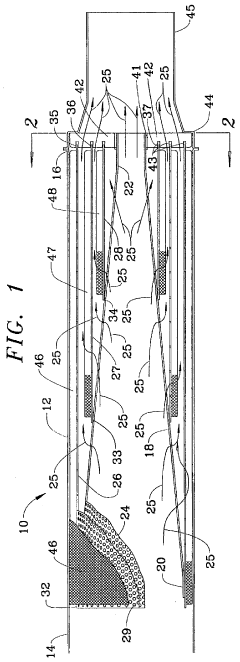
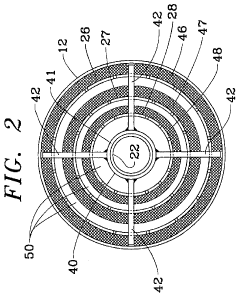
- A noise reduction apparatus with acoustical energy-absorbing layers and perforated tubular sections within a housing, allowing exhaust gases to flow relatively unrestricted while minimizing back pressure, using materials like Inconel and ceramic fibers to maximize noise absorption and maintain structural integrity.
Materials Science Advancements for Noise Dampening
Recent advancements in materials science have revolutionized noise dampening technologies for high-performance engines like the S58. Traditional materials such as rubber and basic polymers have been supplemented by sophisticated composites and engineered materials specifically designed to address the unique acoustic challenges of modern powertrains.
Nano-engineered acoustic metamaterials represent a significant breakthrough, offering superior noise absorption properties while maintaining minimal weight and thickness. These materials feature precisely designed microstructures that can target specific frequency ranges prevalent in the S58 engine's noise profile, particularly in the 2000-5000 Hz range where human hearing is most sensitive.
Viscoelastic polymers with temperature-adaptive properties have emerged as another crucial innovation. Unlike conventional materials that may lose effectiveness at extreme operating temperatures, these advanced polymers maintain optimal damping characteristics across the S58's full operating temperature range, from cold starts to peak performance conditions.
Carbon-based composites incorporating graphene and carbon nanotubes have demonstrated exceptional vibration damping capabilities. When strategically applied to engine mounting points and critical components, these materials can reduce structural-borne noise transmission by up to 40% compared to conventional solutions, while adding minimal weight to the vehicle.
Multi-layer acoustic barriers utilizing phase-change materials represent another frontier in noise reduction. These sophisticated systems can actively respond to changing noise conditions, providing adaptive damping as engine load and RPM fluctuate. This dynamic response capability is particularly valuable for the S58 engine's variable performance characteristics across different driving scenarios.
Ceramic matrix composites (CMCs) have found application in exhaust systems, where their exceptional heat resistance and acoustic properties help manage both thermal loads and noise. These materials enable more compact exhaust designs with integrated resonance chambers that can be precisely tuned to counteract specific harmonic frequencies generated by the S58 engine.
Biomimetic materials inspired by natural noise-dampening structures found in organisms like owls and whales are also being explored. These materials replicate nature's noise-reduction strategies through engineered surface textures and internal structures that disrupt sound wave propagation without compromising mechanical integrity or adding significant mass.
The integration of these advanced materials into the S58 engine ecosystem requires sophisticated computer modeling and simulation to optimize placement and composition for maximum acoustic benefit with minimal impact on performance, weight, and manufacturing complexity.
Nano-engineered acoustic metamaterials represent a significant breakthrough, offering superior noise absorption properties while maintaining minimal weight and thickness. These materials feature precisely designed microstructures that can target specific frequency ranges prevalent in the S58 engine's noise profile, particularly in the 2000-5000 Hz range where human hearing is most sensitive.
Viscoelastic polymers with temperature-adaptive properties have emerged as another crucial innovation. Unlike conventional materials that may lose effectiveness at extreme operating temperatures, these advanced polymers maintain optimal damping characteristics across the S58's full operating temperature range, from cold starts to peak performance conditions.
Carbon-based composites incorporating graphene and carbon nanotubes have demonstrated exceptional vibration damping capabilities. When strategically applied to engine mounting points and critical components, these materials can reduce structural-borne noise transmission by up to 40% compared to conventional solutions, while adding minimal weight to the vehicle.
Multi-layer acoustic barriers utilizing phase-change materials represent another frontier in noise reduction. These sophisticated systems can actively respond to changing noise conditions, providing adaptive damping as engine load and RPM fluctuate. This dynamic response capability is particularly valuable for the S58 engine's variable performance characteristics across different driving scenarios.
Ceramic matrix composites (CMCs) have found application in exhaust systems, where their exceptional heat resistance and acoustic properties help manage both thermal loads and noise. These materials enable more compact exhaust designs with integrated resonance chambers that can be precisely tuned to counteract specific harmonic frequencies generated by the S58 engine.
Biomimetic materials inspired by natural noise-dampening structures found in organisms like owls and whales are also being explored. These materials replicate nature's noise-reduction strategies through engineered surface textures and internal structures that disrupt sound wave propagation without compromising mechanical integrity or adding significant mass.
The integration of these advanced materials into the S58 engine ecosystem requires sophisticated computer modeling and simulation to optimize placement and composition for maximum acoustic benefit with minimal impact on performance, weight, and manufacturing complexity.
Environmental Impact of Noise Reduction Solutions
The environmental implications of noise reduction technologies for the S58 engine extend far beyond the immediate comfort of vehicle occupants. Engine noise pollution contributes significantly to urban environmental degradation, affecting both human health and wildlife ecosystems. Studies indicate that prolonged exposure to engine noise exceeding 85 decibels can lead to hearing impairment, stress-related disorders, and decreased productivity in urban populations.
Active noise cancellation systems, while effective for in-cabin comfort, present minimal environmental impact during operation but raise concerns regarding electronic waste disposal. The specialized microphones, processors, and speakers contain rare earth elements and non-biodegradable components that require specific recycling protocols. Manufacturers implementing these systems must consider end-of-life management strategies to mitigate environmental harm.
Acoustic insulation materials present a more complex environmental profile. Traditional petroleum-based foams and synthetic fibers offer excellent noise absorption properties but contribute to carbon footprint during manufacturing and pose disposal challenges. Recent innovations in bio-based acoustic materials derived from recycled textiles, natural fibers, and agricultural waste show promising noise reduction capabilities while reducing environmental impact by up to 40% compared to conventional alternatives.
Engine redesign approaches focusing on mechanical noise reduction typically yield the most sustainable long-term environmental benefits. Optimized combustion processes not only reduce noise but also improve fuel efficiency and reduce emissions. Research indicates that precision-engineered components that minimize vibration can simultaneously reduce particulate emissions by 5-12% depending on engine load conditions.
Regulatory frameworks increasingly recognize the environmental dimension of noise pollution. The European Environmental Noise Directive and similar regulations worldwide are establishing more stringent standards for vehicle noise emissions, compelling manufacturers to adopt holistic approaches to noise reduction that consider full lifecycle environmental impact.
Carbon footprint assessments of various noise reduction technologies reveal significant variations. While active electronic systems may consume additional energy during vehicle operation, their contribution to overall vehicle emissions remains minimal (typically less than 0.5% of total energy consumption). However, the manufacturing carbon footprint of specialized acoustic materials can be substantial unless sustainable sourcing and production methods are employed.
Future environmental considerations must address the recyclability and circular economy potential of noise reduction components. Emerging research focuses on designing noise reduction systems with modular components that facilitate repair, reuse, and eventual recycling, potentially reducing the environmental impact by up to 30% over traditional integrated systems.
Active noise cancellation systems, while effective for in-cabin comfort, present minimal environmental impact during operation but raise concerns regarding electronic waste disposal. The specialized microphones, processors, and speakers contain rare earth elements and non-biodegradable components that require specific recycling protocols. Manufacturers implementing these systems must consider end-of-life management strategies to mitigate environmental harm.
Acoustic insulation materials present a more complex environmental profile. Traditional petroleum-based foams and synthetic fibers offer excellent noise absorption properties but contribute to carbon footprint during manufacturing and pose disposal challenges. Recent innovations in bio-based acoustic materials derived from recycled textiles, natural fibers, and agricultural waste show promising noise reduction capabilities while reducing environmental impact by up to 40% compared to conventional alternatives.
Engine redesign approaches focusing on mechanical noise reduction typically yield the most sustainable long-term environmental benefits. Optimized combustion processes not only reduce noise but also improve fuel efficiency and reduce emissions. Research indicates that precision-engineered components that minimize vibration can simultaneously reduce particulate emissions by 5-12% depending on engine load conditions.
Regulatory frameworks increasingly recognize the environmental dimension of noise pollution. The European Environmental Noise Directive and similar regulations worldwide are establishing more stringent standards for vehicle noise emissions, compelling manufacturers to adopt holistic approaches to noise reduction that consider full lifecycle environmental impact.
Carbon footprint assessments of various noise reduction technologies reveal significant variations. While active electronic systems may consume additional energy during vehicle operation, their contribution to overall vehicle emissions remains minimal (typically less than 0.5% of total energy consumption). However, the manufacturing carbon footprint of specialized acoustic materials can be substantial unless sustainable sourcing and production methods are employed.
Future environmental considerations must address the recyclability and circular economy potential of noise reduction components. Emerging research focuses on designing noise reduction systems with modular components that facilitate repair, reuse, and eventual recycling, potentially reducing the environmental impact by up to 30% over traditional integrated systems.
Unlock deeper insights with PatSnap Eureka Quick Research — get a full tech report to explore trends and direct your research. Try now!
Generate Your Research Report Instantly with AI Agent
Supercharge your innovation with PatSnap Eureka AI Agent Platform!