
Preparation method of autophagy-imitated immune cell supported antitumor therapeutic agent
An immune cell and anti-tumor technology, which is applied in the field of preparation of immune cell-loaded anti-tumor therapeutic agents, can solve the problems of ineffective control of irregular release of materials, poor dispersion, and low phagocytosis, and achieve good drug slow-release behavior, The effect of improving load and good migration ability
- Summary
- Abstract
- Description
- Claims
- Application Information
AI Technical Summary
Problems solved by technology
Method used
Image

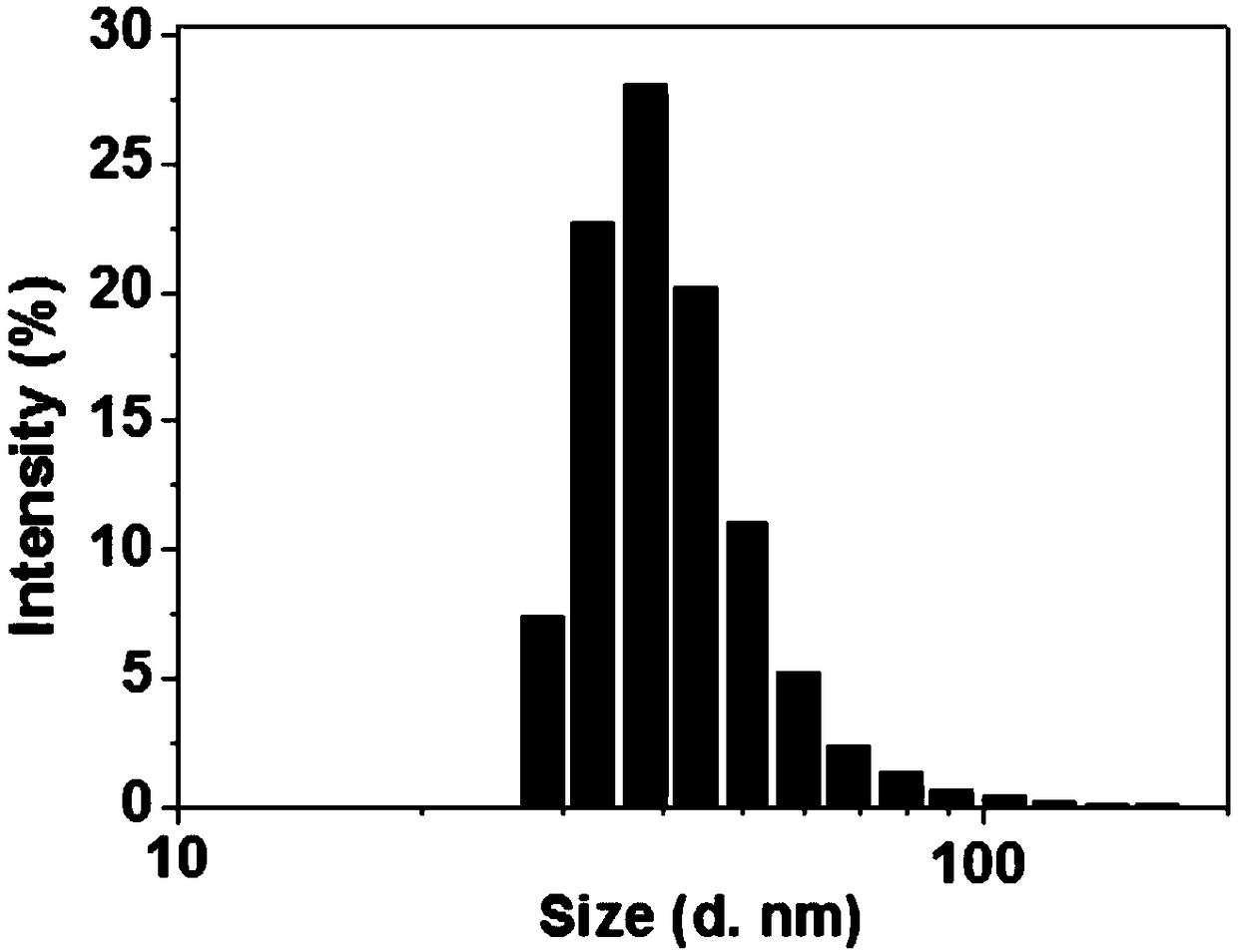
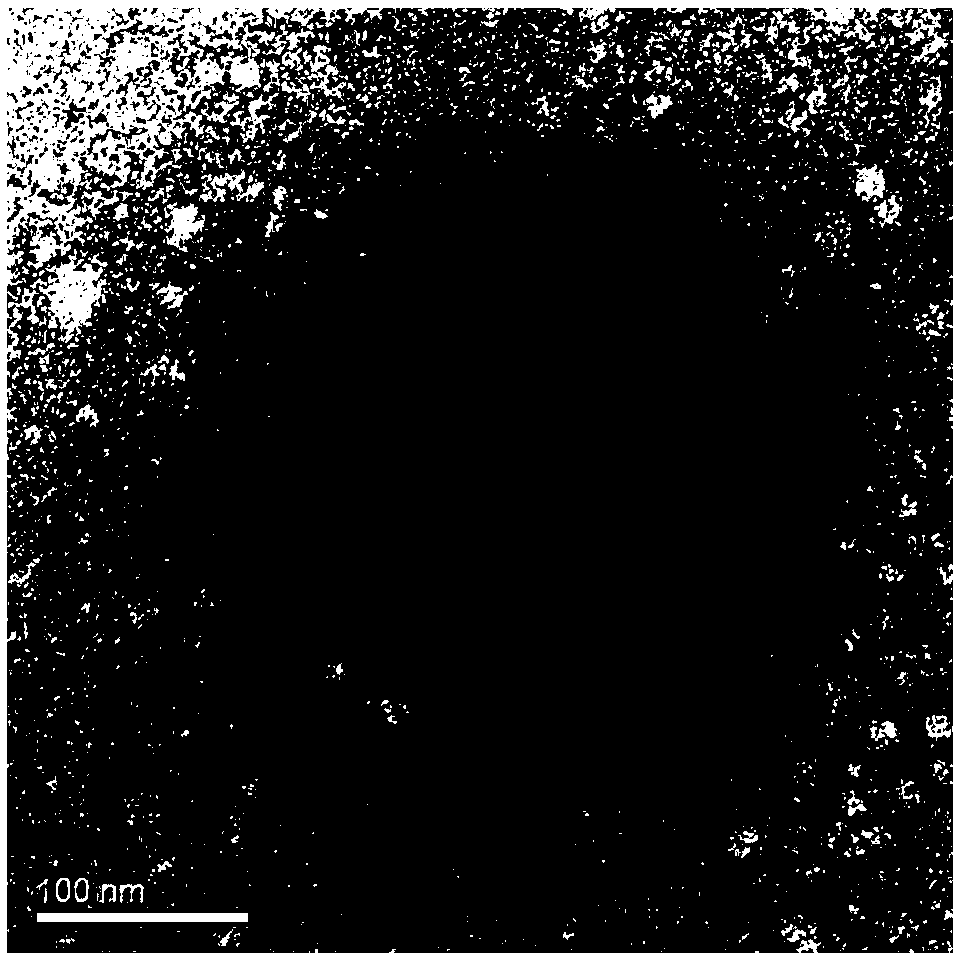
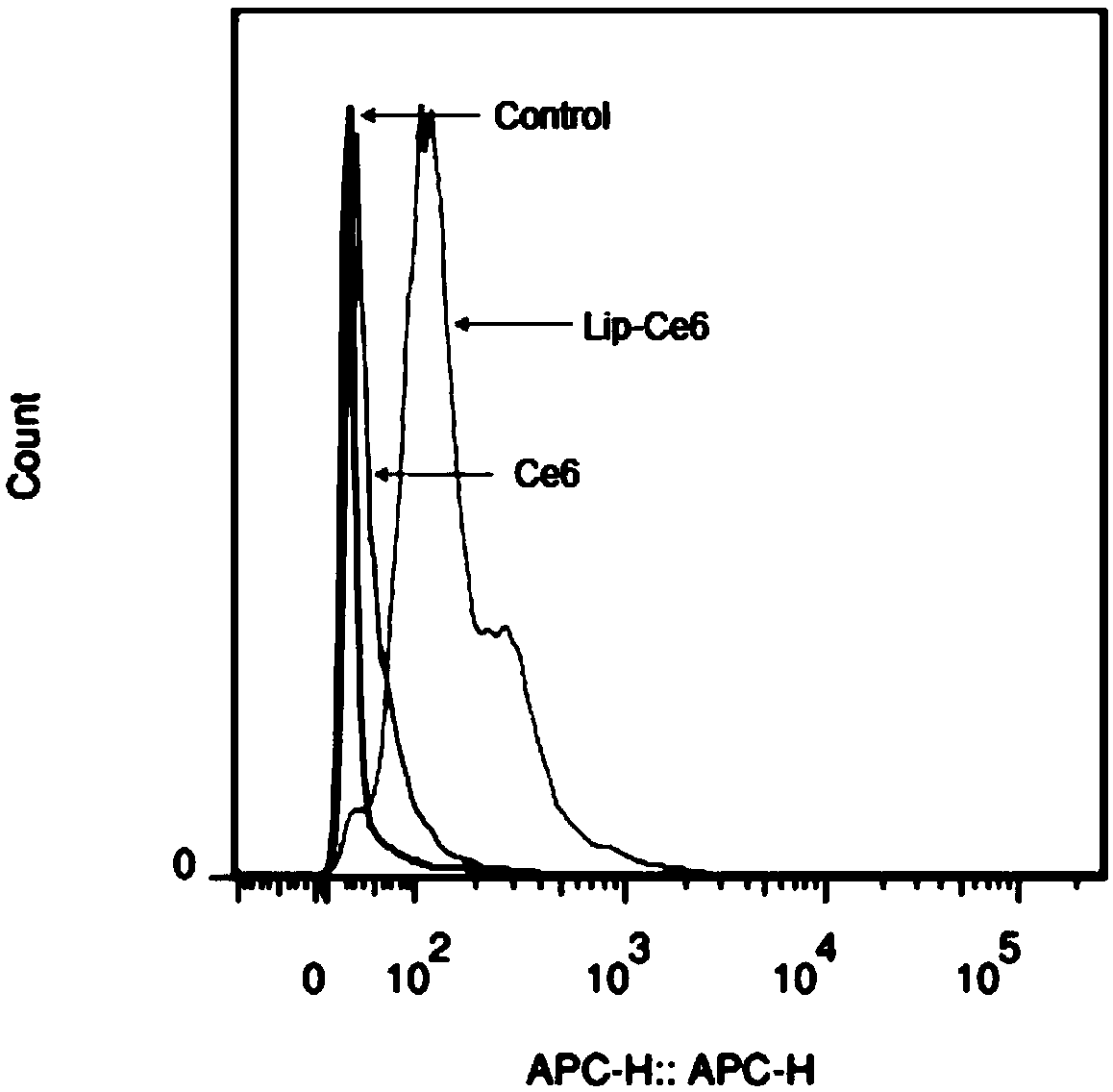
Examples
Embodiment 1
[0027] A method for preparing an autophagy-imitating immune cell-loaded anti-tumor therapeutic agent, using the following steps:
[0028] (1) A certain number of macrophages were treated with Tris-MgCl 2 The buffer was frozen and thawed several times, passed through a mini-extruder (40nm-100nm), added 0.5-1M Sucrose (final concentration 0.125-0.25M), centrifuged (800-2000g, 5-15min), took the upper layer, and centrifuged again (2000-3000g , 30~40min), remove the lower layer, and add Tris~MgCl 2 buffer (containing 0.125 ~ 0.25M sucrose) wash, and then twice H 2 O washed, collected and freeze-dried.
[0029] (2) Weigh 3-4 mg of cell membrane fragments from the freeze-dried sample in step (1) and dissolve them in PBS (1X); take 8-10 mg of Ce6, add them to the cell membrane suspension, and ultrasonically pulverize (the control power is 80-150 W, each time ultrasonic 5-10s, the total duration of ultrasound is 5-10min). After the sonication is over, take out the solution at room...
PUM
 Login to View More
 Abstract
Description
Claims
Application Information
 Login to View More