
Ecological repairing method of porphyry macroalgae to eutrophic open sea area
A technology of eutrophication and ecological restoration, applied in chemical instruments and methods, seaweed cultivation, botany equipment and methods, etc.
Patent Information
- Authority / Receiving Office
- CN · China
- Current Assignee / Owner
- Publication Date
- 2009-11-18
- Estimated Expiration
- Not applicable · inactive patent
Smart Images
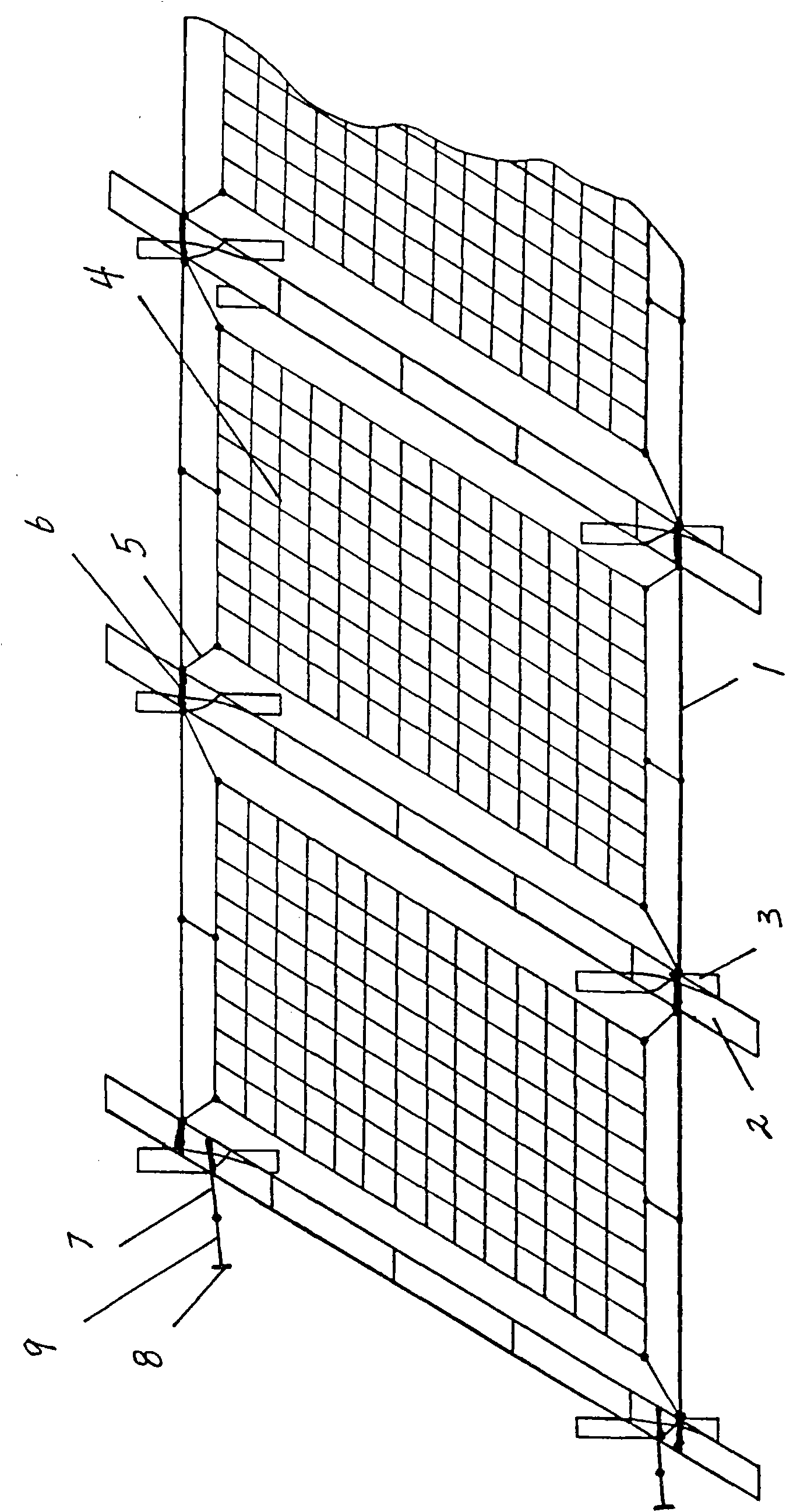
Figure 1 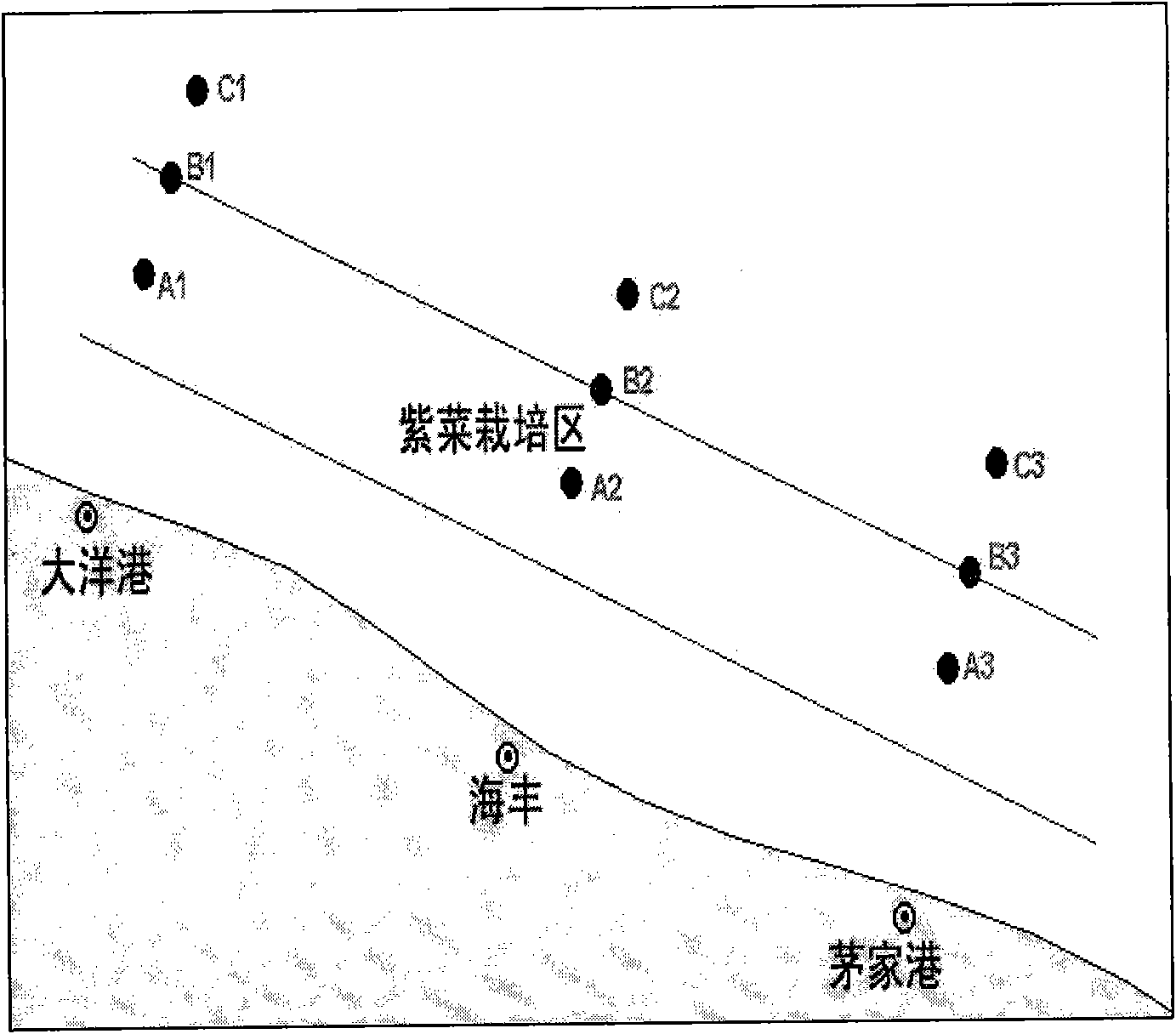
Figure 2 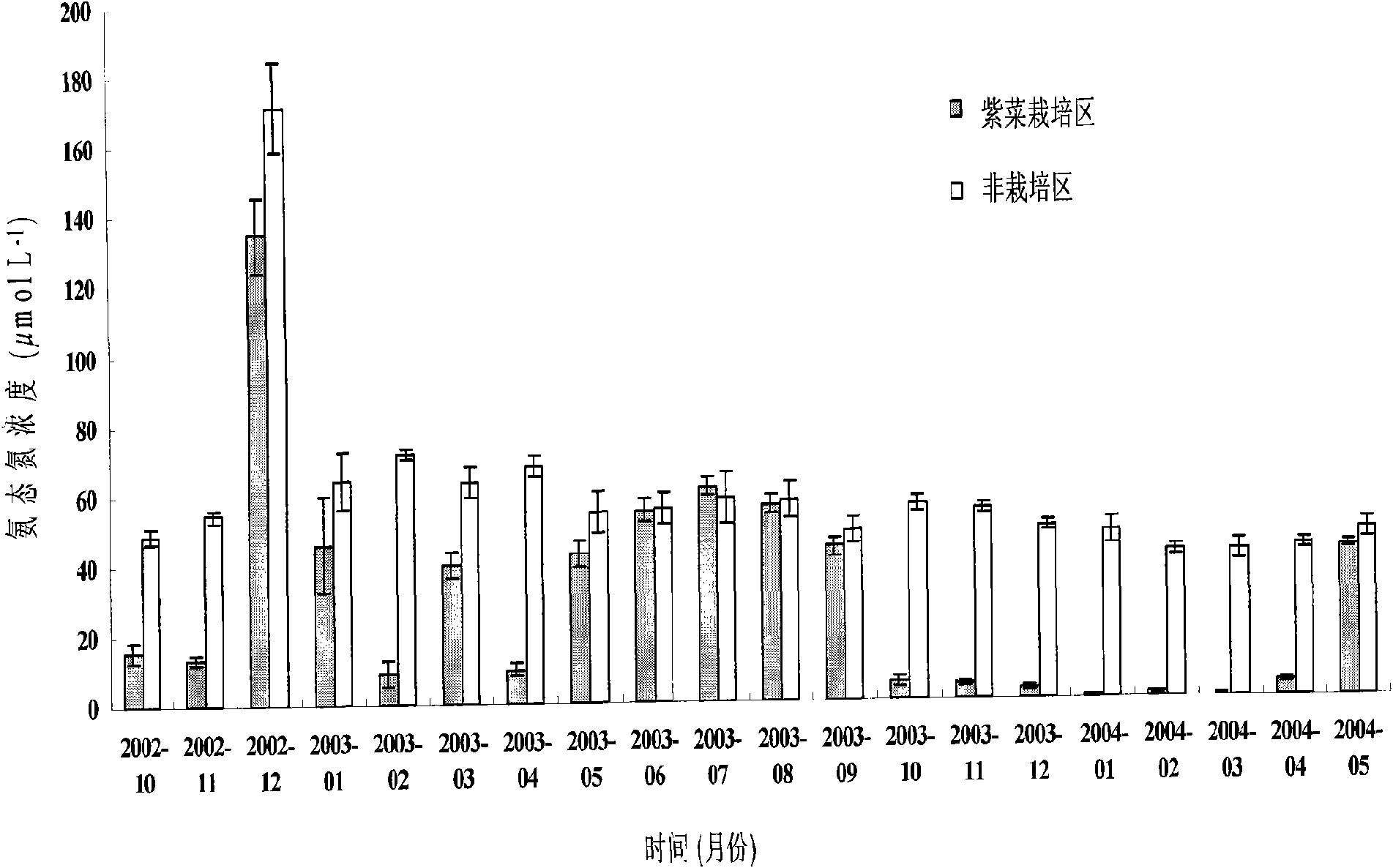
Figure 3
Abstract
Description
Technical field:
[0001] The invention relates to an ecological restoration method for eutrophication, in particular to an ecological restoration method for macroalgae of the genus Porphyra in open sea areas with eutrophication. Background technique:
[0002] Eutrophication has always been a serious ecological problem in the waters outside the Yangtze River Estuary, central and southern Zhejiang, and other coastal waters. The areas with more serious eutrophication include coastal waters such as intensive breeding areas, key sewage outlets, and harbors with poor water exchange. According to the 2007 China Marine Environmental Quality Bulletin released by the State Oceanic Administration, the heavily polluted waters in the East China Sea are mainly concentrated in the Yangtze Estuary, Hangzhou Bay and the coast of Ningbo. The main pollutants are active phosphate, inorganic nitrogen and petroleum. The pollution sources that cause water eutrophication mainly come from land-based...
Examples
Embodiment Construction
[0028] Embodiments of the present invention will be further described in detail below in conjunction with the accompanying drawings.
[0029] The method for ecological restoration of Porphyra genus large seaweed of the present invention to the eutrophication open sea area, the implementation process is as follows:
[0030] (1) Selection of sea area for cultivation. The eutrophication sea area for cultivation should choose an offshore radiation sandbar far from the shore. The bottom material should be sandy or silty. The area with 4-5 hours of dry dew in the spring tide should be selected to ensure that the seedling net is clean, reduce the adhesion of miscellaneous algae, improve the robustness of the seedlings, and facilitate the attachment of single spores. The tide level for vegetable cultivation should be 2.5- The area of 4.5 hours is appropriate. According to the change of climate, the tide level should be adjusted appropriately. In years with less rain, the cultivation...