
New method for performing data correction by using cell metabolite relative content as cell number index
A technology of cell metabolism and metabolomics data, which is applied in the field of metabolomics data correction and rapid quenching of biochemical metabolism of in vitro cultured cells, to achieve efficient extraction, ensure accuracy and reliability, and simplify experimental operations
Patent Information
- Authority / Receiving Office
- CN · China
- Patent Type
- Applications(China)
- Current Assignee / Owner
- Publication Date
- 2011-09-07
- Estimated Expiration
- Not applicable · inactive patent
Smart Images
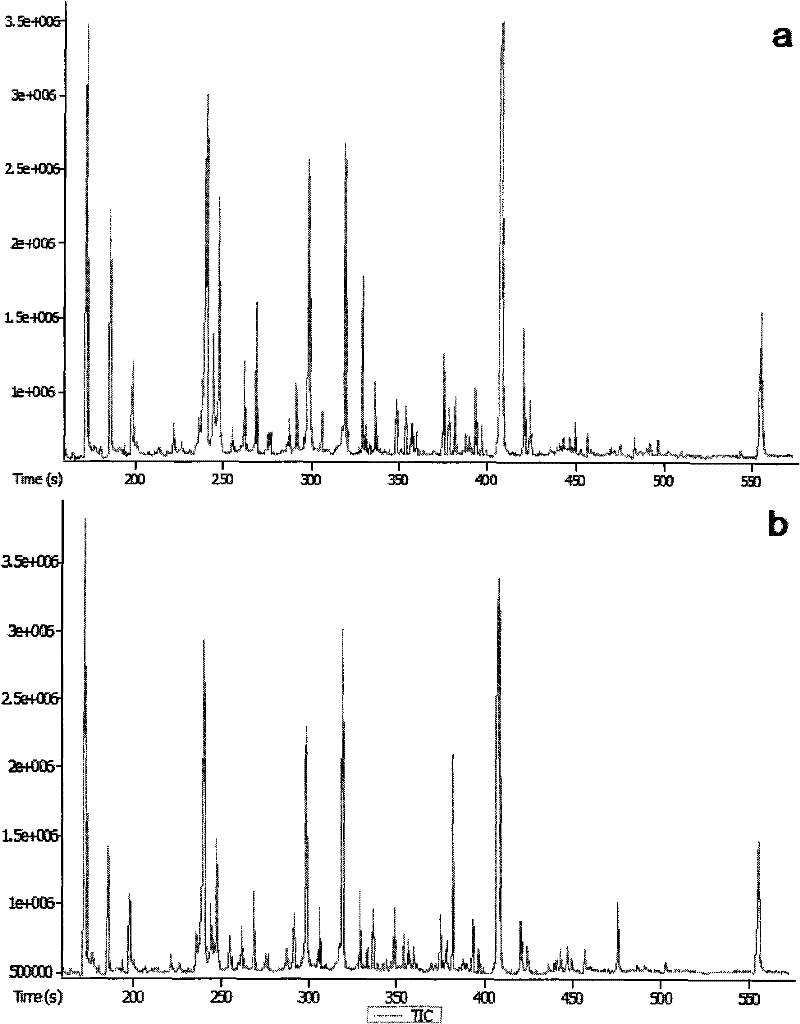
Figure 1 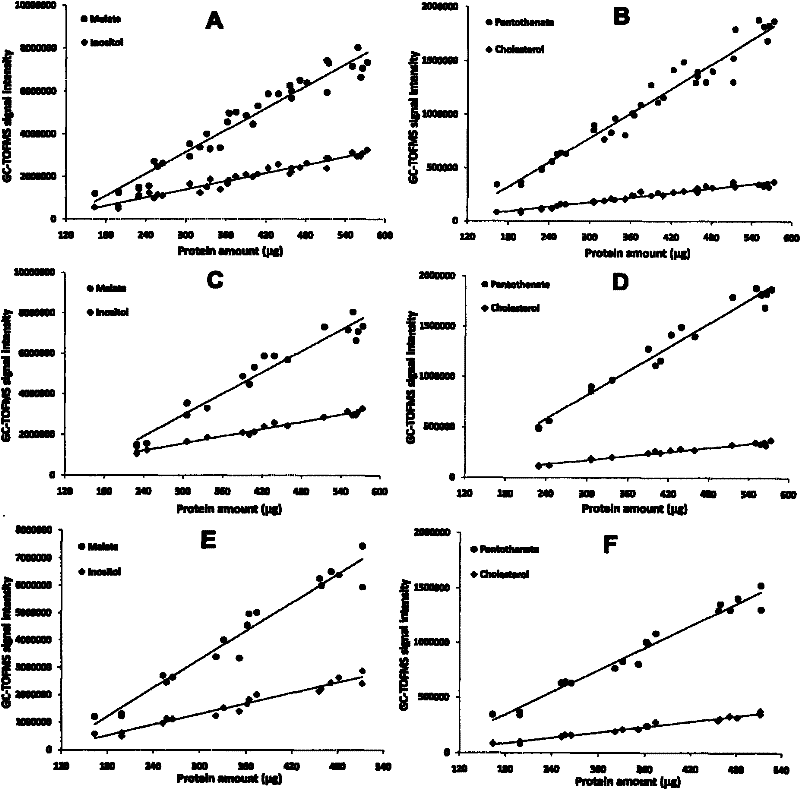
Figure 2 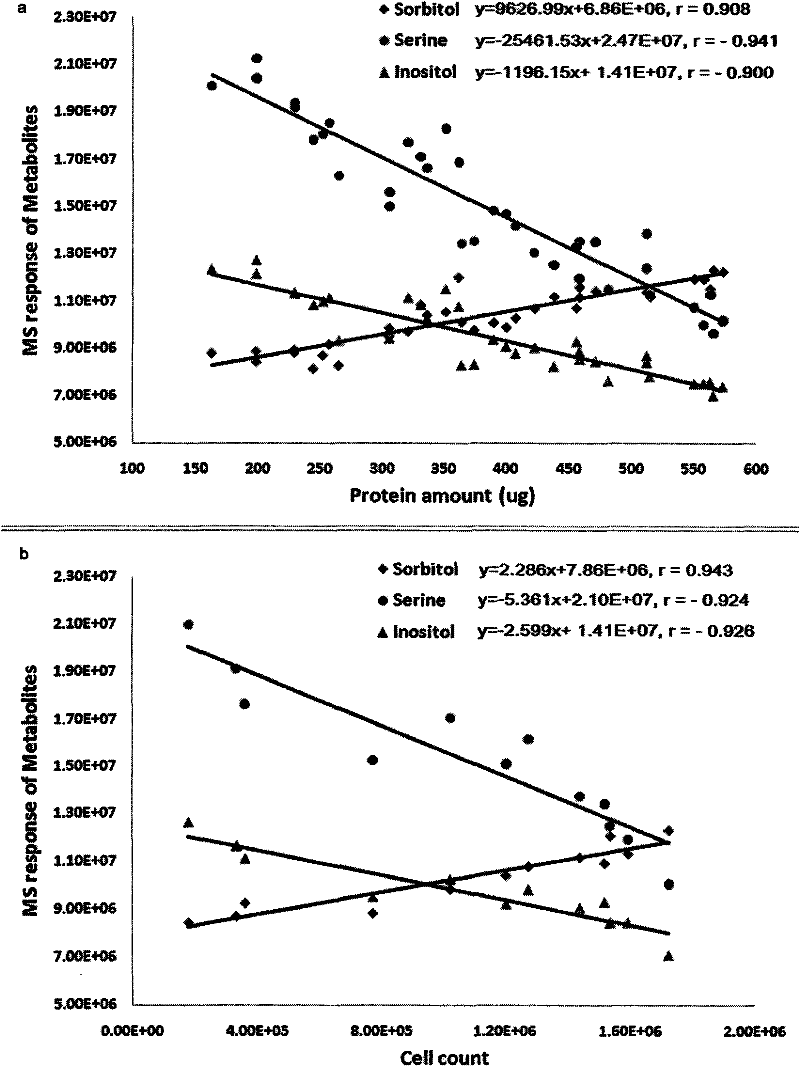
Figure 3
Abstract
Description
technical field
[0001] The present invention relates to a new method for using in vitro cultured cells to conduct metabolomics research related to diseases, drug efficacy, and drug toxicity. The content is used as a quantitative indicator of cell number and used in the method of metabolomics data correction. Background technique
[0002] At present, the method of cell metabolomics research is still immature, especially the metabolomics research of adherent cells cultured in vitro is relatively lagging behind, and there are a series of problems, mainly in the following three aspects:
[0003] 1. Cell Quantification Questions The difference in the proliferation rate of different cells, the same kind of cells are affected by the initial seeding density and different treatment methods (environmental or drug stimulation), which will lead to differences in the number of cells obtained by different cell lines or the same kind of cell lines grown in different states , it is neces...
Examples
Embodiment
[0030] Cellular metabolites as indicators of cell number for correction of cellular metabolomics data - Madin-Darby canine kidney (MDCK) wild-type (MDCK-WT) and transfected human Mdr1 gene transfection Metabolomics Paradigm Study in Transfected (MDCK-MDR) Cells
[0031] 1. Experimental Protocol and Sample Collection
[0032] Serial volumes of cell suspension (A-F: 2.5, 2.0, 1.6, 1.2, 0.9, 0.6mL, MDCK-WT 600,000 / mL and MDCK-MDR 800,000 / mL) were seeded in six-well plates (n=4), and blanks were added The medium was such that the volume per space was 2.5 mL. The two cell lines were grown under the same culture conditions for about 3 days without changing the culture medium. The medium samples of the cells in each well were collected, and the cells were pretreated according to the above method, and 300 μL of ultrapure water was added to each well, and then frozen in a -70°C refrigerator for testing.
[0033] 2. Sample Processing
[0034] Cell sample: After repeated freezing and...