
Polyester biodegradation agricultural mulching film as well as preparation and application of polyester biodegradation agricultural mulching film
A biodegradable and agricultural mulch technology, applied in the polymer field, can solve the problems of high cost, inconvenient large-scale production and processing, and mulch film not being close to the ground surface, etc., to achieve simple production and processing, low comprehensive use cost, and less labor costs Effect
Patent Information
- Authority / Receiving Office
- CN · China
- Patent Type
- Patents(China)
- Current Assignee / Owner
- Publication Date
- 2014-03-19
Smart Images
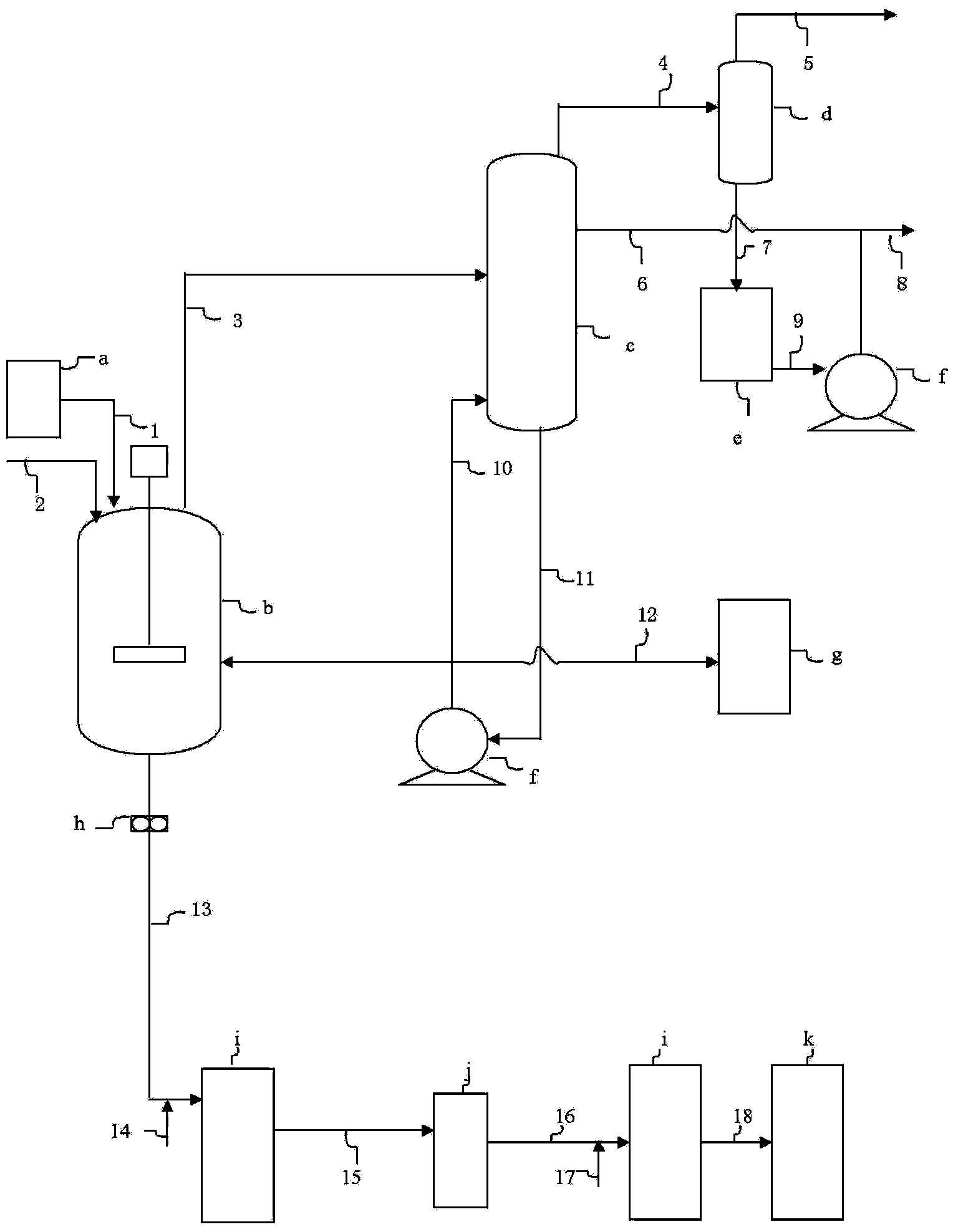
Figure 1
Abstract
Description
technical field
[0001] The invention relates to a polymer, in particular to a polyester biodegradable agricultural mulch film and its preparation and application. Background technique
[0002] Xinjiang is located in the hinterland of Eurasia, 34°-49° north latitude, 72°-96° east longitude, accounting for one-sixth of the country's total area. The introduction of plastic film mulching cultivation technology has greatly promoted the sustainable high-yield and stable development of agricultural production in Xinjiang, bringing significant economic benefits. In recent years, due to the shortage of labor resources in Xinjiang and the large-scale promotion and application of cotton pickers, it has become more difficult to recycle the residual film in the field. Due to the use of plastic film year after year, it accumulates in the plowing layer with the plowing of the soil every year. , destroy the soil structure, affect the soil air permeability and the growth and development of ...
Examples
Embodiment 1
[0062] 1) With respect to 1.00 mol of terephthalic acid, the slurry mixed with 4.50 mol of 1,4-butanediol, 1.5 mol of adipic acid and 0.05 mol of allyl polyethylene glycol ether was mixed at 70°C It is transported to the raw material storage tank a, and enters the continuous supply esterification reactor b through the raw material output pipe line 1. At the same time, a 0.005 mol solution of tetrabutyl titanate at 75° C. is sent from the pipeline 2 . The internal reaction temperature of reactor b is 230°C and the pressure is 80kPa. Collect the esterification water, by-products and the remaining polymerized monomer mixture in the rectification tower container c through line 3. After keeping the system stable, collect the esterification water , when the esterification rate reaches more than 90%, in the reactor b, continue to transport the 75°C tetrabutyl titanate solution from the pipeline 2 to the reactor b, and reduce the pressure to 5500Pa, and continue the reaction for 3 hou...
Embodiment 2
[0066] 1) For 0.50mol of terephthalic acid, 0.50mol of naphthalic acid, 4.50mol of 1,4-butanediol, 1.0mol of adipic acid, 0.5mol of adipic acid, and 0.10mol of allyl The alcohol-mixed slurry is transported to the raw material storage tank a at 70°C, and enters the continuous supply esterification reactor b through the raw material output pipe line 1. At the same time, a 0.005 mol solution of tetrabutyl titanate at 75° C. is sent from the pipeline 2 . The internal reaction temperature of reactor b is 200°C and the pressure is 70kPa. Collect the esterification water, by-products and the remaining polymerized monomer mixture in the rectification tower container c through line 3, and collect the esterification water after keeping the system stable. , when the esterification rate reaches more than 90%, in reactor b, continue to transport tetrabutyl titanate solution obtained at 75°C from pipeline 2 to reactor b, and depressurize to 4500Pa, and continue to react for 2.5 hours. The ...
Embodiment 3
[0070] 1) Mix 1.00mol of terephthalic acid, 3.50mol of 1,4-butanediol, 1.00mol of neopentyl glycol, 1.5mol of adipic acid, and 0.10mol of glycidyl methacrylate The slurry is transported to the raw material storage tank a at 70° C., and enters the continuous supply esterification reactor b through the raw material output pipe line 1 . At the same time, a 0.010 mol solution of tetrabutyl titanate at 75° C. is sent from the pipeline 2 . The internal reaction temperature of reactor b is 210°C and the pressure is 60kPa. Collect the esterification water, by-products and the remaining polymerized monomer mixture in the rectification tower container c through line 3. After keeping the system stable, collect the esterification water , when the esterification rate reaches more than 90%, in reactor b, continue to transport tetrabutyl titanate solution at 75°C from pipeline 2 to reactor b, and reduce the pressure to 4000Pa, and continue to react for 2.0 hours. The resulting oligomer 3 wa...