
Silver conductive ink and method for manufacturing printed circuit with same
A silver conductive ink, printed circuit technology, applied in conductive pattern formation, ink, application and other directions, can solve the problems of inability to remove high temperature impurities, wire morphology characteristics, affecting circuit electrical performance, poor stability of conductive ink, etc. Excellent performance, overcoming poor electrical conductivity and surface flatness, and uniform circuit effects
Patent Information
- Authority / Receiving Office
- CN · China
- Current Assignee / Owner
- Publication Date
- 2014-01-15
- Estimated Expiration
- Not applicable · inactive patent
Smart Images
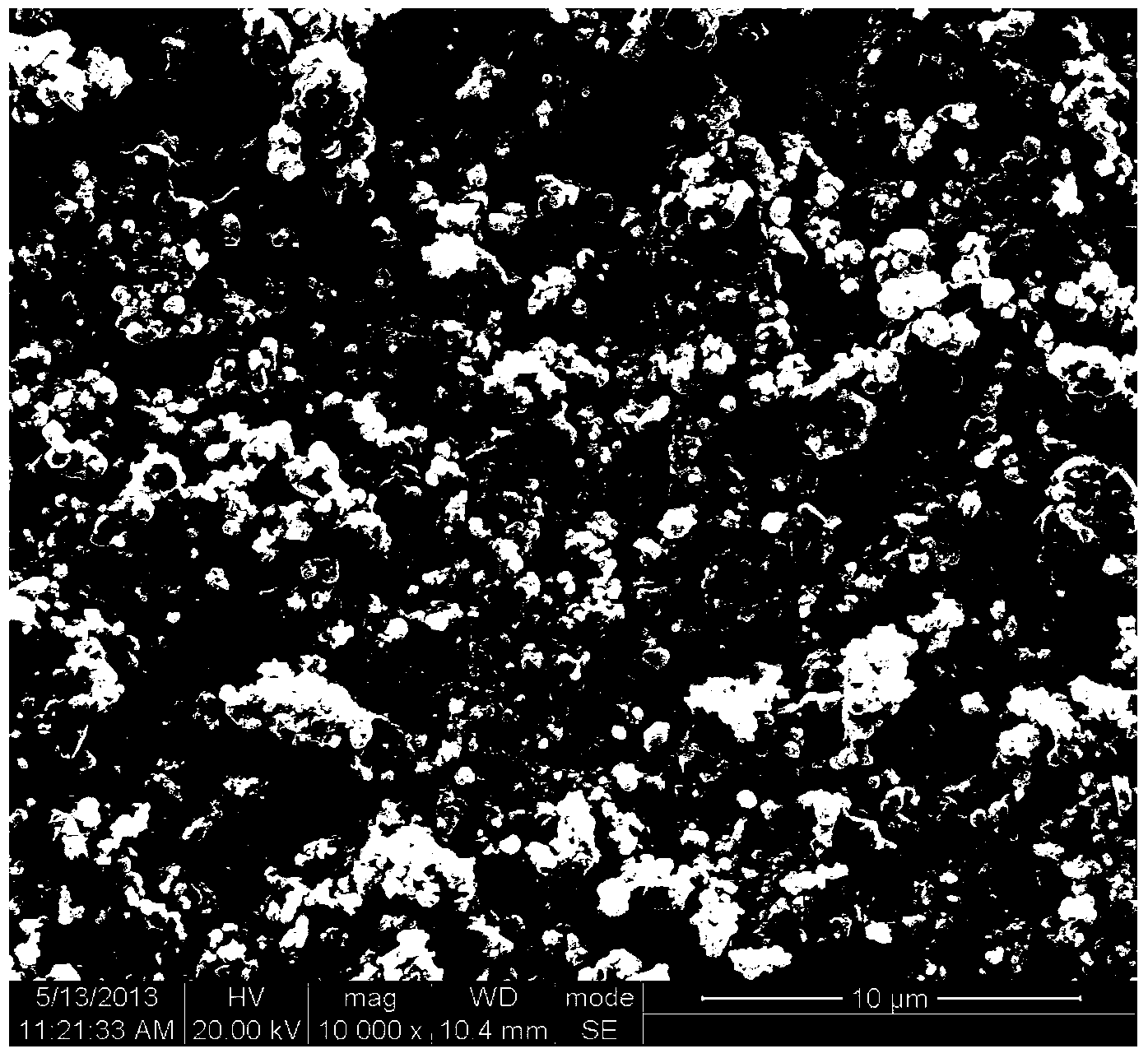
Figure 1 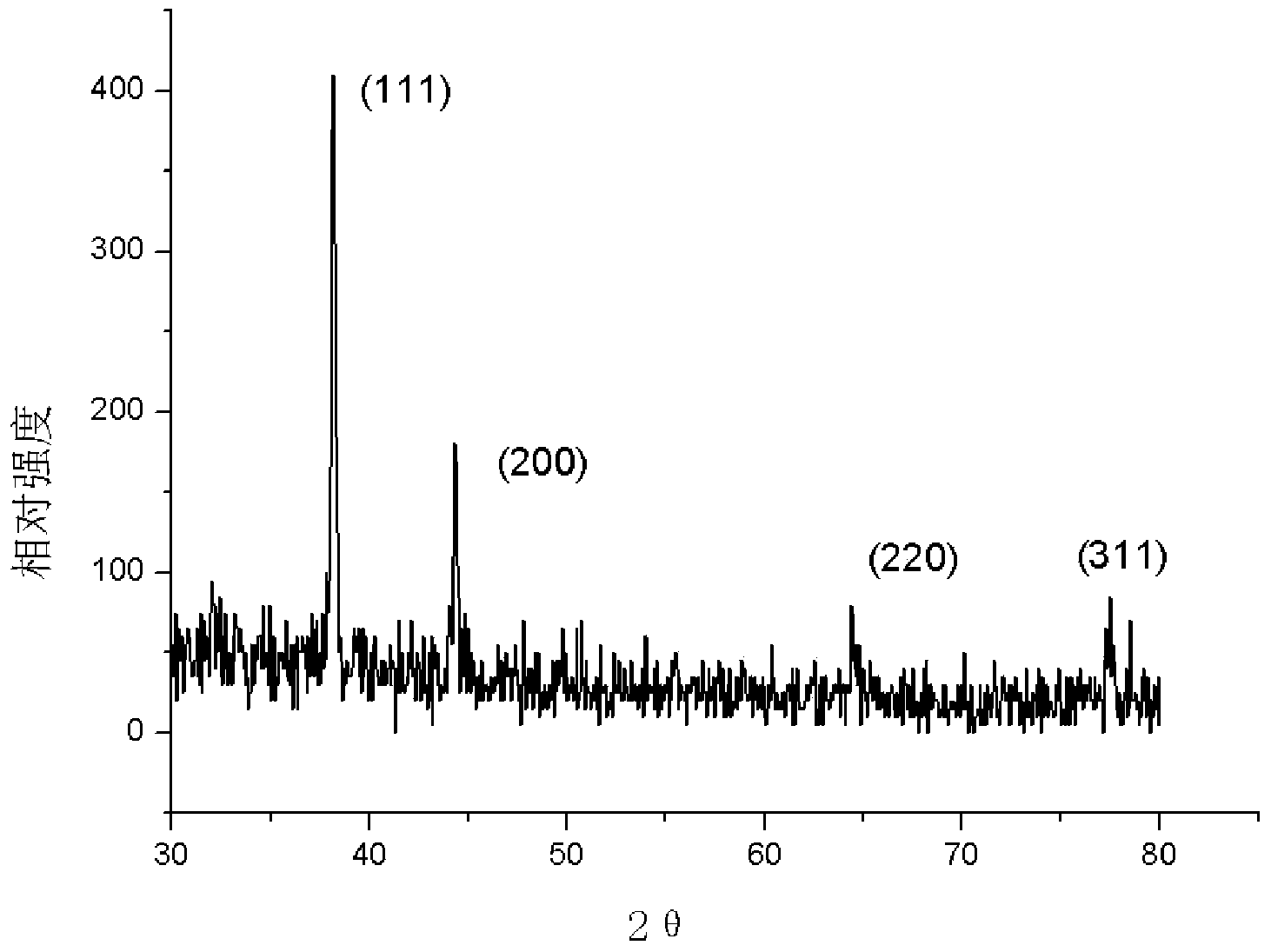
Figure 2 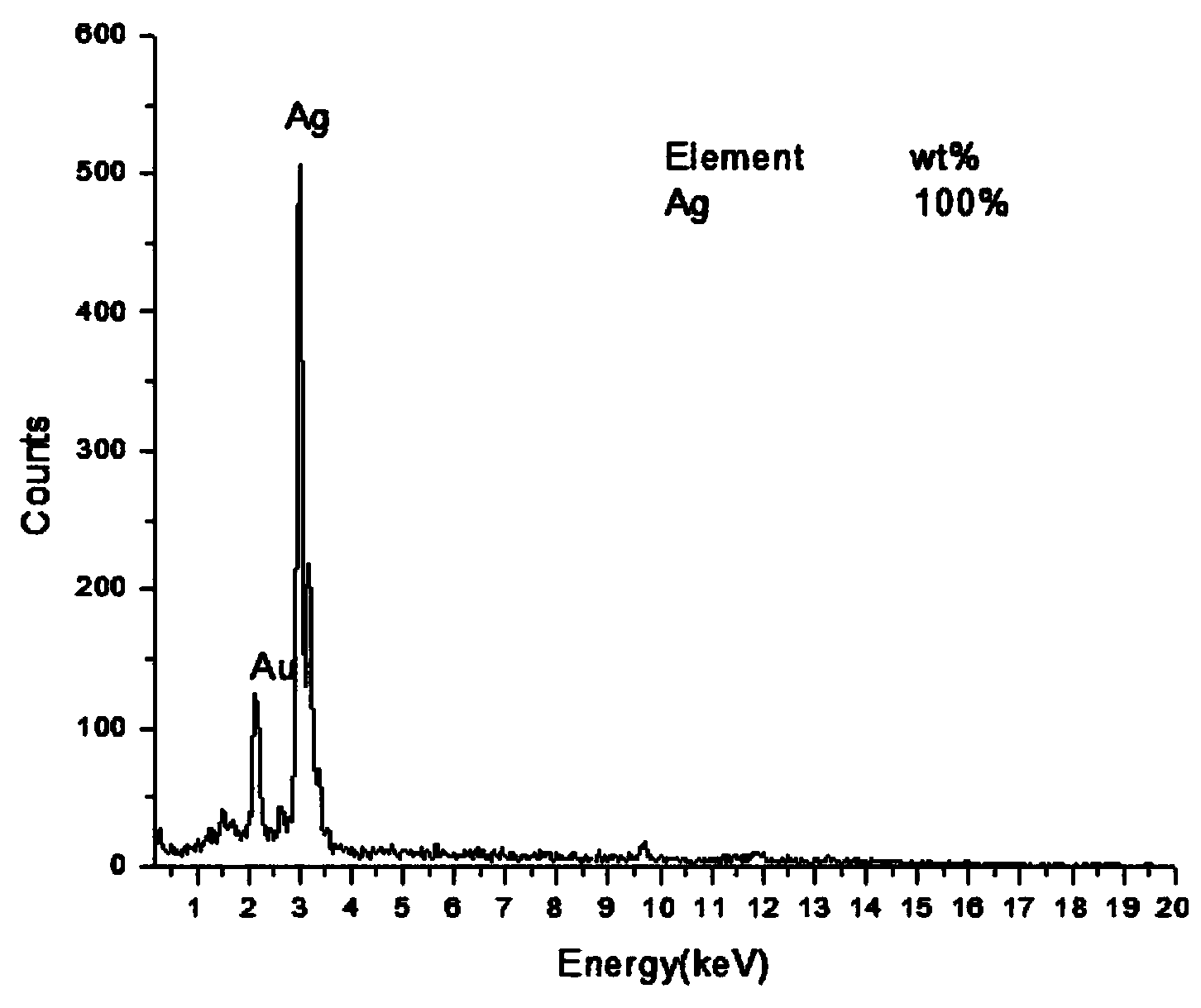
Figure 3
Abstract
Description
technical field
[0001] The invention belongs to the silver conductive ink and its printed circuit method in the technical field of functional materials, in particular to a silver conductive ink which can be widely used for printing conductive circuits (circuits) on flexible substrates and the ink used for printing circuit method. Background technique
[0002] In recent years, more and more research is being devoted to all-printed electronics, especially in the application of flexible electronic devices, such as flexible display devices, solar cells, radio frequency identification devices, etc. This kind of fully printed electronic technology is different from the traditional etching method to produce printed circuits. It can be widely used to print conductive lines (circuits) on flexible substrates, and has the ability to print circuits on flexible substrates or semiconductor films. Features of convenience, speed and low cost.
[0003] At present, the materials used in all...
Examples
Embodiment 1
[0025] Add 5.19 g of silver nitrate into 10 mL of water, and stir at a constant speed at room temperature to completely dissolve the silver nitrate. Then add ammonia water with a mass percentage concentration of 33%, dropwise until saturated, then add 10 mL of triethanolamine aqueous solution with a concentration of 3 mol / L, and then add 1 mL of dilute nitric acid with a molar concentration of 0.8 mol / L, and Stir at a constant speed at room temperature until uniform, to obtain silver conductive ink.
[0026] Printed circuit board production: spray-print the silver conductive ink obtained in this embodiment on a PI (polyimide) substrate, and cure it at 60°C and a vacuum of 4.5Pa for 22 hours; take out the cured circuit board , and then heat it at 280°C and a vacuum of 4.5Pa for 7 minutes; after naturally cooling to room temperature, wash with water and air-dry to obtain a printed circuit board with a resistivity of 19.1μΩ·cm.
[0027] attached figure 1 It is the scanning elec...