
Distributed energy-saving resource distribution method of heterogeneous network
A resource allocation and heterogeneous network technology, applied in the direction of reducing energy consumption, advanced technology, electrical components, etc., can solve the problems of home base station same-layer interference, macro base station and small home base station cross-layer interference, waste of power, etc.
Patent Information
- Authority / Receiving Office
- CN · China
- Current Assignee / Owner
- Publication Date
- 2014-11-19
Smart Images
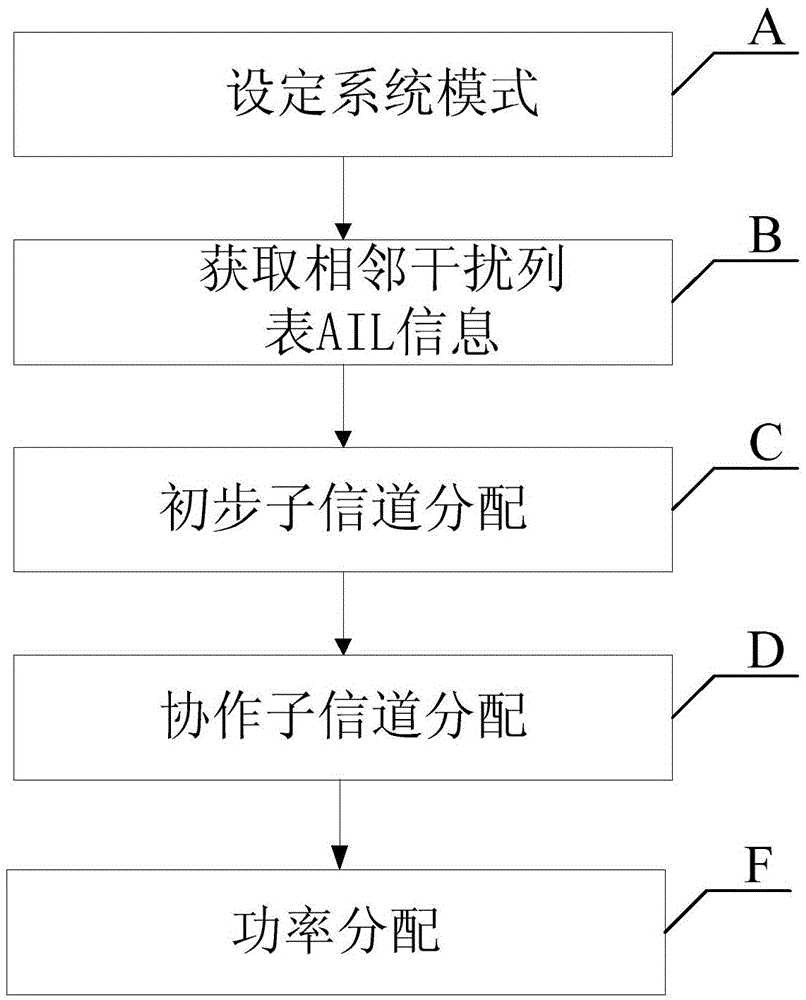
Figure 1 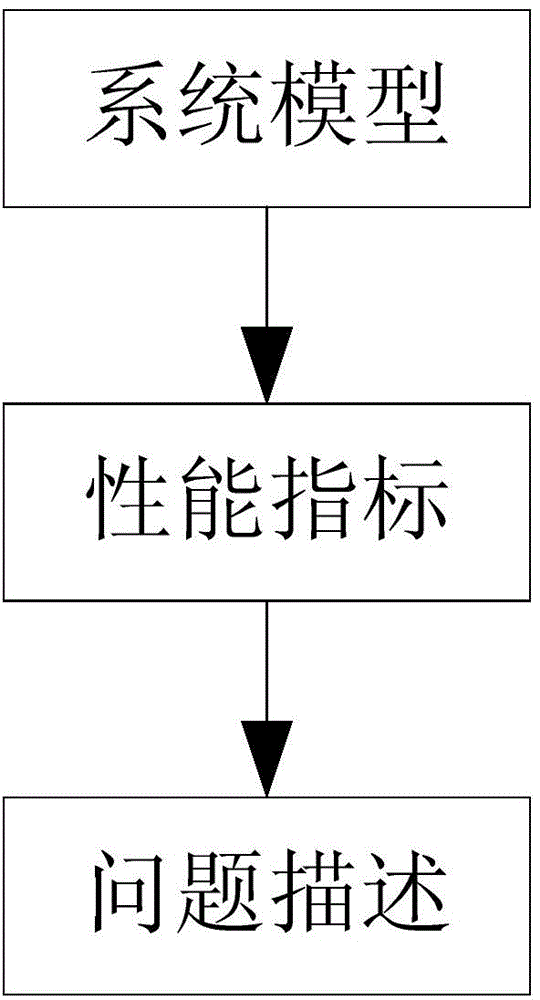
Figure 2 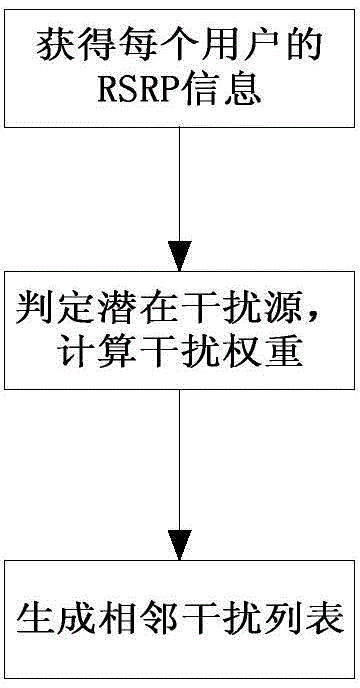
Figure 3
Abstract
Description
technical field
[0001] The invention belongs to the technical field of self-organizing networks of heterogeneous networks, and relates to a distributed energy-saving resource allocation method of heterogeneous networks. Background technique
[0002] In order to meet the demand for ever-increasing data transmission rate and greater coverage, under the requirement of constantly improving network performance, a heterogeneous network (Heterogeneous Network, Hetnet) technology emerges as the times require. There are many different types of network nodes in the heterogeneous network. Different from the traditional single-layer cellular network, the inter-layer interference and intra-layer interference in the heterogeneous network bring greater challenges. In a traditional network deployed by an operator, such as a macro cell and a relay, interference can be eliminated through a frequency reuse scheme (for example, frequency planning of a relay link and a direct link). However, th...
Examples
Embodiment Construction
[0035] The preferred embodiments of the present invention will be described in detail below with reference to the accompanying drawings.
[0036] figure 1 As the overall flowchart of this method, it can be seen from the figure that this method can be divided into 4 major steps, namely:
[0037] Step A, set the system mode.
[0038] Step B, obtaining the neighbor interference list AIL information of each home base station in the cell.
[0039] Step C, according to the proposed method, each home base station performs preliminary sub-channel allocation.
[0040] In step D, the cooperative sub-channel allocation is performed again among the home base stations.
[0041] Step F, perform power allocation according to the spectrum allocation result.
[0042] The specific process of each step is described in detail below.
[0043] Step A - Set the system mode.
[0044] see figure 2 , figure 2 The flowchart set for the system model may specifically include the following parts: ...