
A Clustering-Based Disturbance Alignment Method in Two-Layer Networks
A technology for interference alignment and cross-layer interference, applied in baseband systems, components of baseband systems, preventing/detecting errors through diversity reception, etc., can solve non-interference elimination methods, inapplicable communication systems, clustering of femtocell base stations, etc. problem, to achieve the effect of reducing the complexity of interference management and implementation complexity
Patent Information
- Authority / Receiving Office
- CN · China
- Patent Type
- Patents(China)
- Current Assignee / Owner
- Publication Date
- 2019-11-19
Smart Images
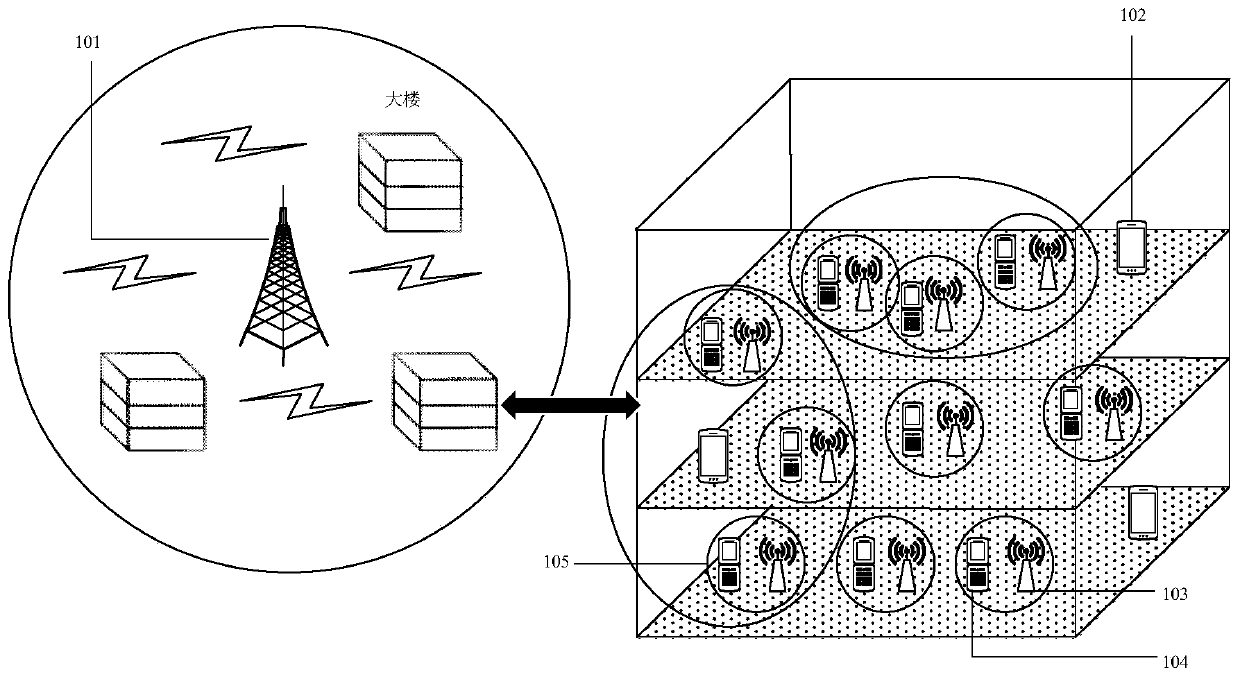
Figure 1 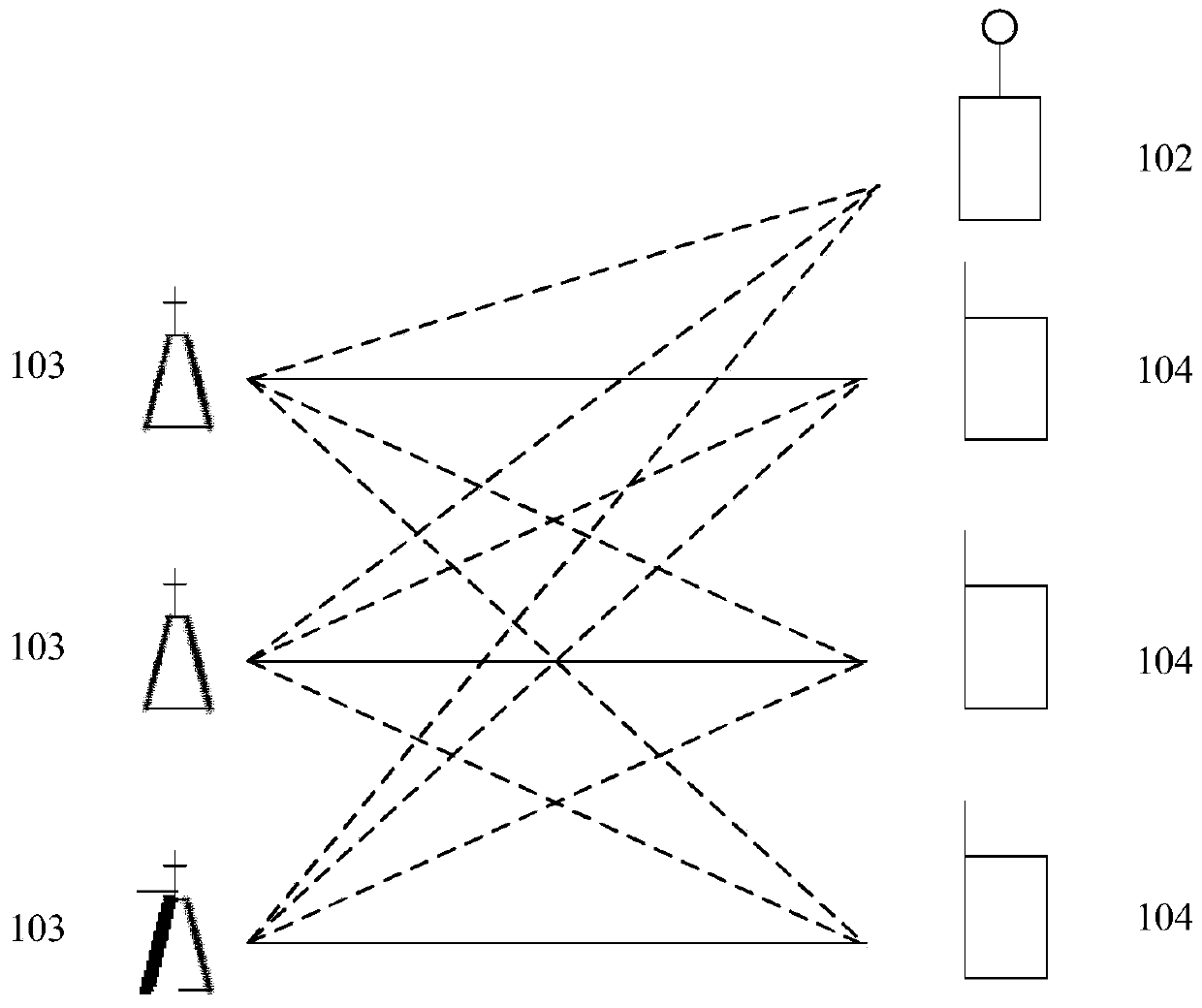
Figure 2 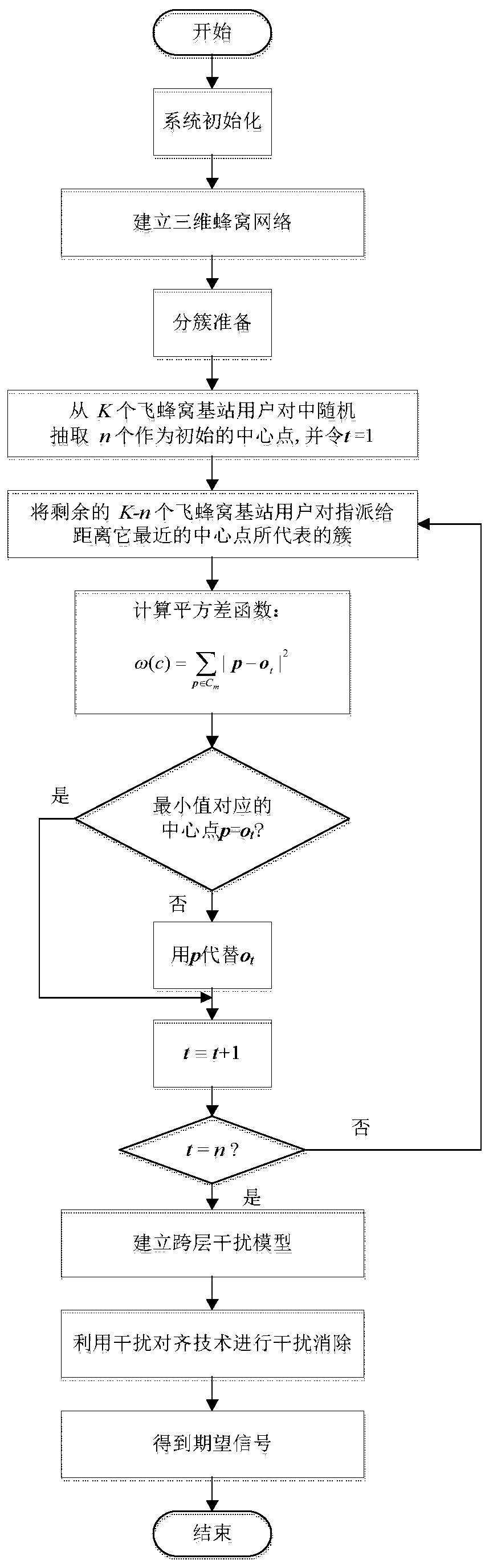
Figure 3
Abstract
Description
technical field
[0001] The invention belongs to the technical field of wireless communication, and in particular relates to an interference alignment method based on clustering in a two-layer network. Background technique
[0002] In recent years, energy consumption and electromagnetic pollution are becoming more and more serious, which is not conducive to the construction of future communication infrastructure, and has become an urgent technical problem to be solved in the next generation communication system; on the other hand, the current indoor voice and data services are more With frequent transmission, people have higher and higher requirements for data service quality. How to effectively reduce communication network energy consumption and efficiently use spectrum resources is a technical problem that operators must solve in the next step. A femtocell is a small wireless access point deployed indoors. It is connected to the operator's network through a digital subscrib...
Examples
Embodiment Construction
[0023] Embodiments of the present invention will be described in detail below in conjunction with the accompanying drawings;
[0024] The wireless communication network includes a macro-cell base station 101, L (L≥1) evenly distributed macro-cell users 102 and K (K≥1) Poisson-distributed femtocells, and each femtocell contains a femtocell The base station 103 and a femtocell user 104 constitute a femtocell base station user pair 105; the macrocell base station 101 has M M transmit antennas, each femtocell base station 103 has M F transmit antennas, all macrocell users 102 and femtocell users 104 have N receiving antennas; all femtocell base station users are clustered 105, and users in each cluster share the same frequency band, and each frequency band contains N sc sub-channels and are orthogonal to each other, so intra-cluster interference is not considered. This paper focuses on the cross-layer interference and inter-cluster same-layer interference of the femtocell base s...