
CD44 targeting polypeptide and its application in the preparation of affinity probes for screening early gastric cancer
A targeted technology for early gastric cancer, applied in peptides, material inspection products, biological tests, etc., can solve the problems of low diagnosis rate of gastric cancer, defects of conventional gastroscopy diagnosis and treatment technology, high misdiagnosis rate, etc., and achieve high-efficiency screening and clinical application value high effect
Patent Information
- Authority / Receiving Office
- CN · China
- Patent Type
- Patents(China)
- Current Assignee / Owner
- Publication Date
- 2017-02-15
Smart Images
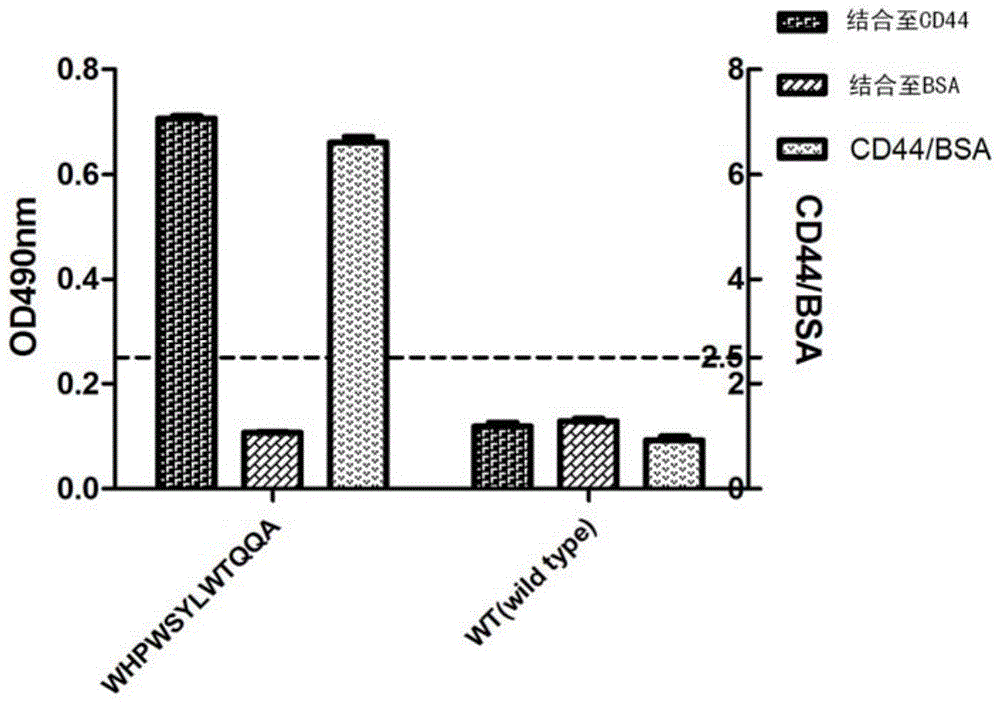
Figure 1 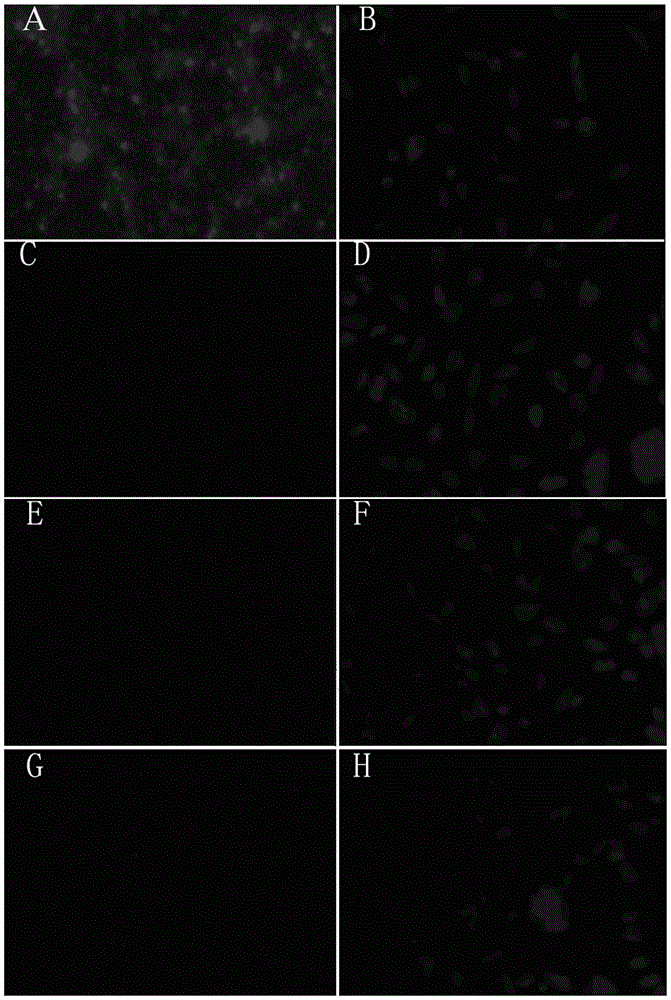
Figure 2 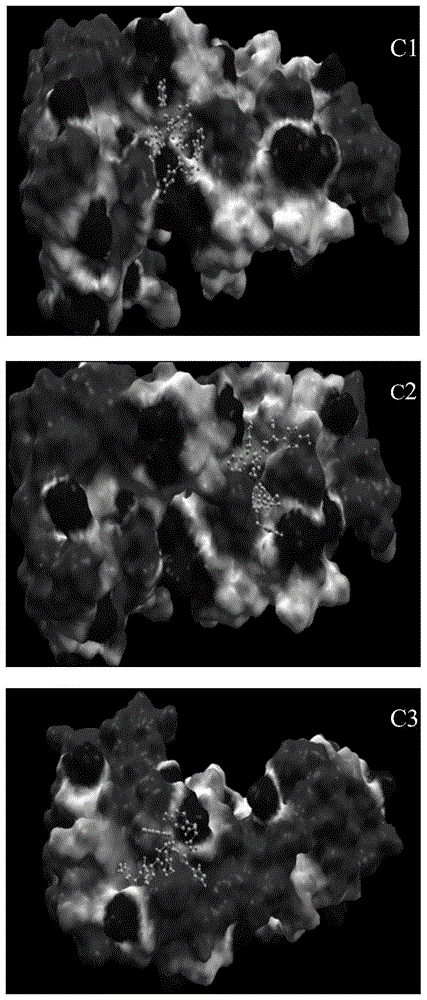
Figure 3
Abstract
Description
technical field
[0001] The invention relates to a polypeptide reagent for early diagnosis of gastric cancer realized by molecular imaging under an endoscope, in particular to a CD44 targeting polypeptide and its application in the preparation of an affinity probe for screening early gastric cancer. Background technique
[0002] (1) Dilemma of early diagnosis of gastric cancer
[0003] Gastric cancer patients in my country generally have a late stage of disease when they receive treatment, and the 5-year survival rate is only about 30%, while the overall survival rate of patients with early gastric cancer (EGC) is as high as 90%, and the 10-year recurrence rate is only 2- 3%, so early detection and early treatment are the key to improving the efficacy of gastric cancer. However, except for Japan and South Korea, where a relatively large proportion of early gastric cancers were discovered due to the national gastric cancer endoscopic screening, the detection rate of early gast...
Examples
Embodiment Construction
[0029]The present invention will be described in detail below in conjunction with the accompanying drawings and embodiments.
[0030] (1) Using phage display peptide library technology, the CD44-specific 12-peptide WHPWSYLWTQQA (Trp HisPro Trp Ser Tyr Leu Trp Thr Gln Gln Ala).
[0031] The 12 peptides in ELISA (see figure 1 ), cell immunofluorescence experiments (see figure 2 ) all showed good specificity and affinity for CD44. Since the hexapeptide motif WHPWSY was also found in another specific polypeptide sequence for CD44 screened out, it is speculated that the 12 peptides may be obtained through the hexapeptide motif WHPWSY Binds to CD44, therefore, using software for both (Molegro Virtual Docker,
[0032] LigPlus) carried out molecular docking, and the results showed that the two have good binding characteristics in configuration and energy (see image 3 and Table 1).
[0033] Depend on figure 1 It can be seen that the phage displaying the polypeptide WHPWSYLWTQQA...