
A Dielectrophoretic Particle Sorting Microfluidic Chip
A technology of microfluidic chip and dielectrophoresis, which is applied in the direction of laboratory equipment, laboratory containers, chemical instruments and methods, etc., can solve the problems of limited range of electrical signal amplitude and difficulty in flexible adjustment, and achieve low cost , proper layout and reasonable structure
Patent Information
- Authority / Receiving Office
- CN · China
- Patent Type
- Patents(China)
- Current Assignee / Owner
- Publication Date
- 2016-06-08
Smart Images
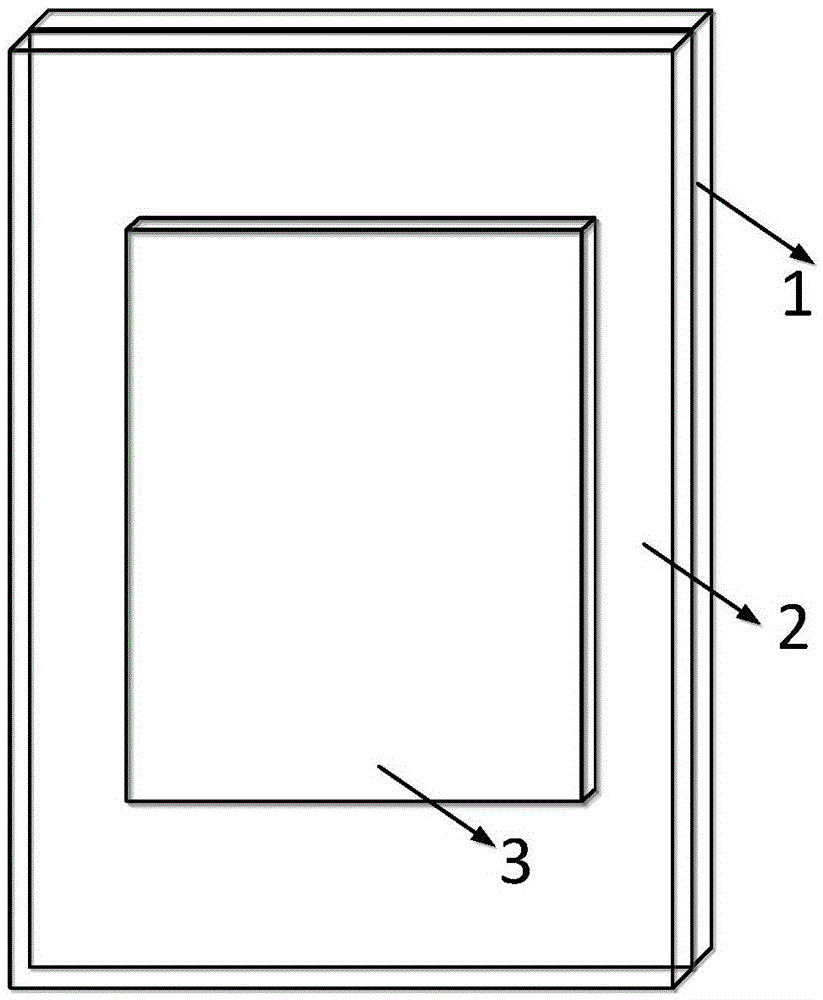
Figure 1 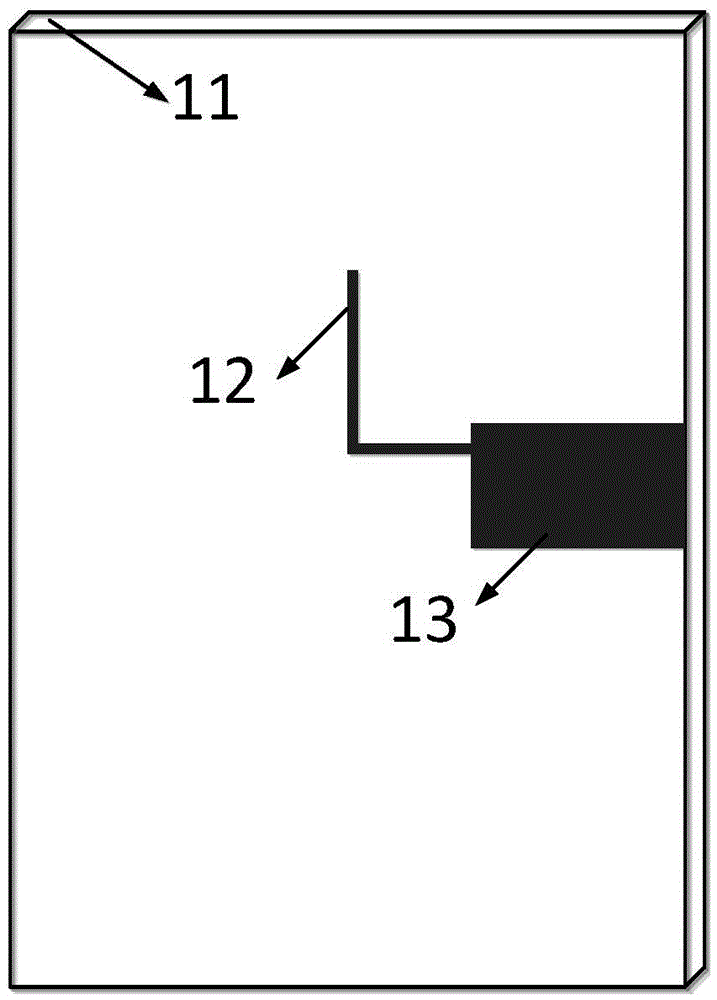
Figure 2 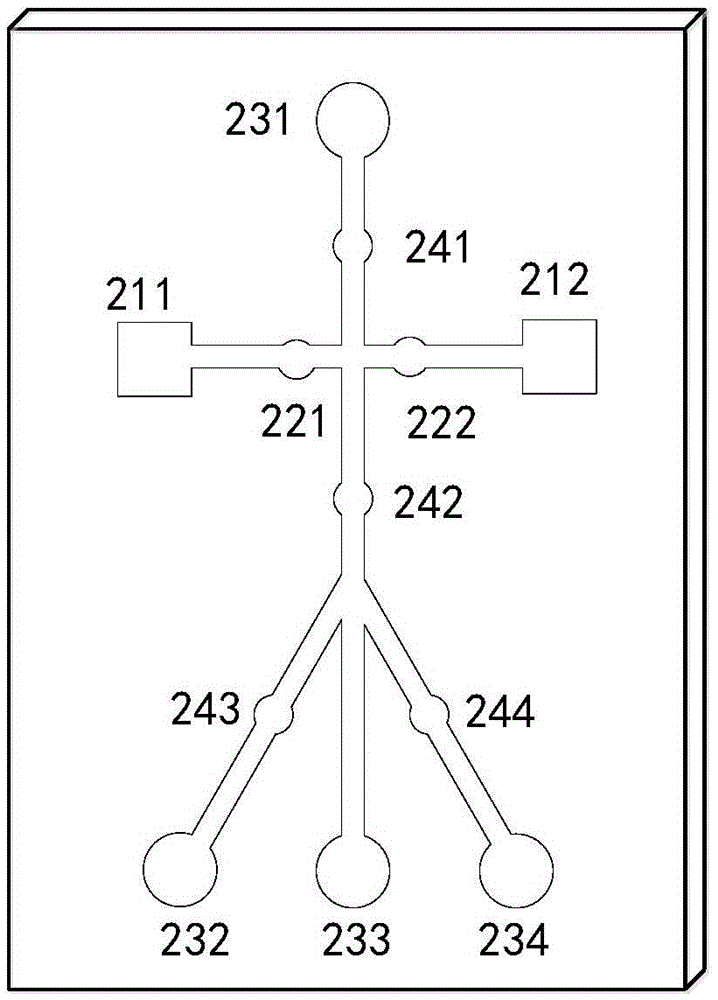
Figure 3
Abstract
Description
technical field
[0001] The invention relates to the technical field of particle sorting, in particular to a dielectrophoretic particle sorting microfluidic chip. Background technique
[0002] Microfluidic chip technology integrates basic operating units such as sample preparation, pretreatment, reaction, separation, and detection in biological and chemical analysis processes into a micron-scale chip, which can realize the transportation and mixing of fluids, micro-nano particles, or droplets. , Sorting, enrichment, logic operations and other operations are of great strategic significance to the development of life sciences and information sciences. Under a non-uniform electric field, micro-nano-scale dielectric particles (such as polymer particles, various cells, bacteria, viruses, DNA, droplets, etc.) The areas of strongest or weakest aggregation are called positive dielectrophoretic (pDEP) and negative dielectrophoretic (nDEP) effects, respectively. This technology has t...
Examples
Embodiment 1
[0027] The first plating solution solenoid valve 321 and the second plating solution solenoid valve 322 are closed, all sorting solution solenoid valves are opened, and the solution containing dead and alive yeast cells is passed into the sorting solution inlet 231, and the dead and alive yeast cells are respectively subjected to Dielectrophoretic forces of different properties (positive or negative). Here, the width of the microchannel is 200um, the depth is 50um, the diameters of all the solenoid valve stations for the plating solution and the solenoid valve stations for the sorting solution are 3mm, and the vertical distance between the plating electrode and the plane electrode is 15um. Dead cells flow out from the first sorting solution outlet 232 and the third sorting solution outlet 234, corresponding to the weak electric field region; live cells flow out from the second sorting solution outlet 233, corresponding to the strong electric field region.
Embodiment 2
[0029] The first plating solution solenoid valve 321 and the second plating solution solenoid valve 322 are closed, all sorting solution solenoid valves are opened, and the human blood containing 1:50 dilution is passed into the sorting solution inlet 231, and red blood cells and white blood cells are respectively subjected to Dielectrophoretic forces of different properties (positive or negative). Here, the width of the microchannel is 120um, the depth is 60um, the diameters of all the solenoid valve stations for the plating solution and the solenoid valve stations for the sorting solution are 8mm, and the vertical distance between the plating electrode and the plane electrode is 20um. The red blood cells flow out from the first sorting solution outlet 232 and the third sorting solution outlet 234, corresponding to the weak electric field area; the white blood cells flow out from the second sorting solution sampling port 233, corresponding to the strong electric field area.
...