

Methanol and light hydrocarbon coupling cracking device and method
A cracking device and technology for light hydrocarbons, applied in chemical instruments and methods, molecular cracking to produce hydrocarbons, bulk chemical production, etc., can solve the problems of low yield of low-carbon olefins and high reaction energy consumption
Patent Information
- Authority / Receiving Office
- CN · China
- Current Assignee / Owner
- Publication Date
- 2020-09-01
Smart Images
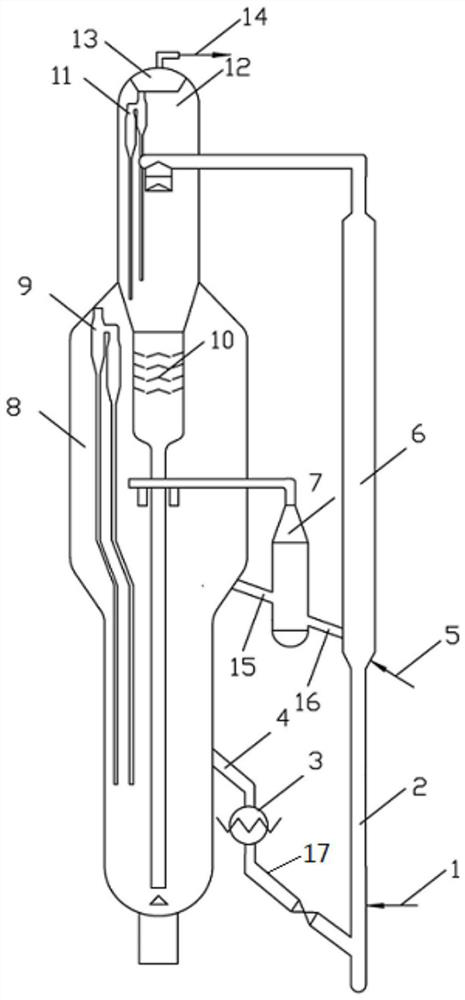
Figure 1 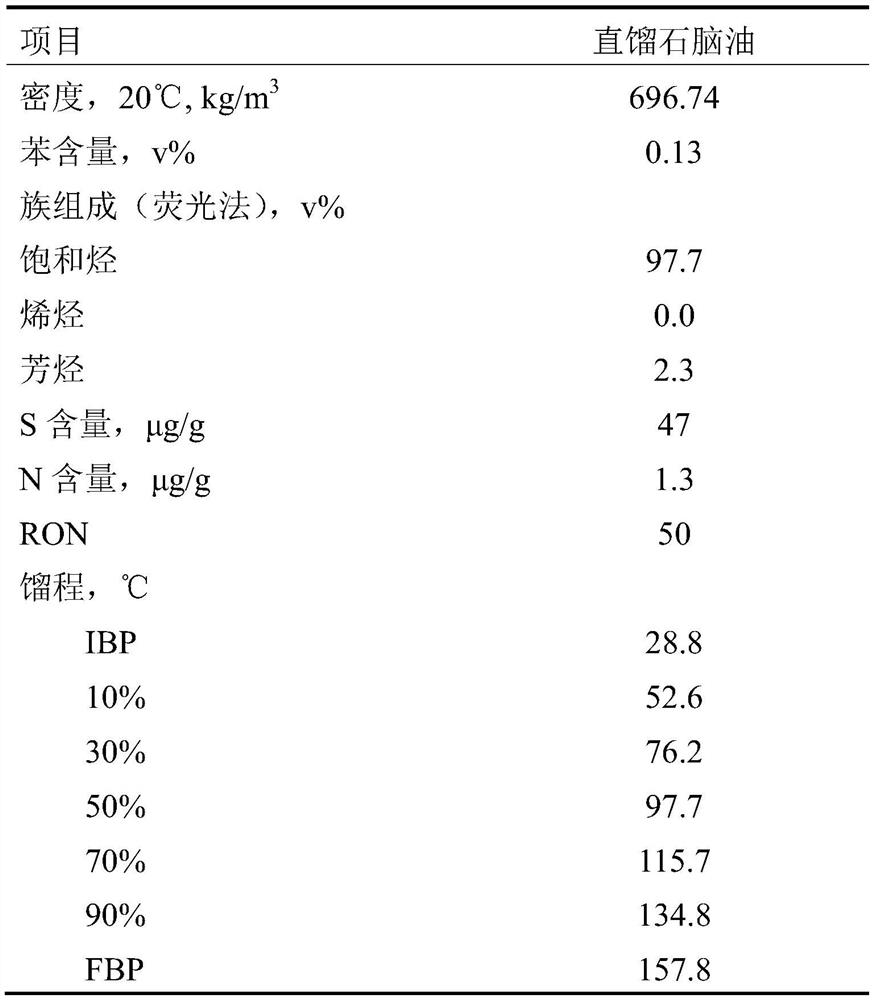
Figure 2 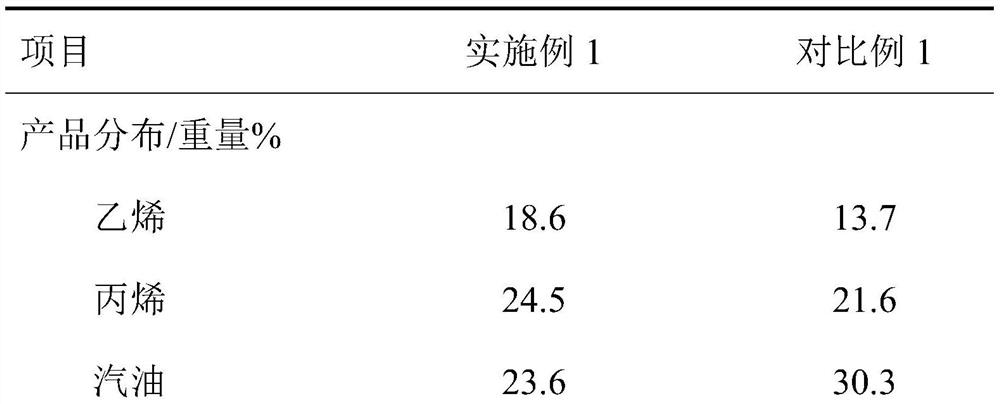
Figure 3
Abstract
Description
technical field
[0001] The invention relates to the field of petrochemical technology, in particular to a methanol and light hydrocarbon coupled cracking device and method. Background technique
[0002] Low-carbon olefins such as ethylene and propylene are important raw materials for the petrochemical industry. The production technologies of low-carbon olefins include steam cracking, catalytic cracking, propane dehydrogenation, methanol-to-olefins, olefins disproportionation and catalytic cracking of light hydrocarbons. At present, the production of light olefins mainly adopts steam cracking process, and its raw materials are usually straight run naphtha, hydrocracked naphtha, hydrogenated light wax oil and top oil from reforming unit. After decades of development, steam cracking has become a very mature technology, but there are still the following problems: high reaction energy consumption and low yield of low-carbon olefins.
[0003] In view of this, the present inventi...
Examples
Embodiment 1
[0076] in such as figure 1 In the methanol-light hydrocarbon coupled cracking unit shown, the light hydrocarbon feed is straight-run naphtha, and the properties of the straight-run naphtha are shown in Table 1. The mass flow rate of the first catalyst in the first regeneration inclined tube and the mass flow rate of the first catalyst in the second regeneration inclined tube to the mass flow ratio of the straight-run naphtha entering the riser reactor is 30:1, and the regenerant temperature is 700°C, the inlet temperature of the riser reactor is 680°C, the outlet temperature is 630°C, and the reaction pressure is 0.1MPa. The inlet temperature of the fluidized bed reactor is 630°C, the outlet temperature is 600°C, and the reaction pressure is 0.1MPa, the mass flow rate of the second catalyst in the third regeneration inclined tube and the mass flow rate of the second catalyst in the fourth regeneration inclined tube and The mass flow ratio of methanol entering the fluidized be...