
Antibacterial non-woven fabric for mask and preparation method of antibacterial non-woven fabric
A non-woven fabric and mask technology, which is applied to the field of antibacterial non-woven fabrics for masks and their preparation, can solve the problems of the decline of the antibacterial effect of masks, the analysis of antibacterial components, and the inability to kill bacteria.
Patent Information
- Authority / Receiving Office
- CN · China
- Current Assignee / Owner
- Publication Date
- 2021-09-17
- Estimated Expiration
- Not applicable · inactive patent
Smart Images
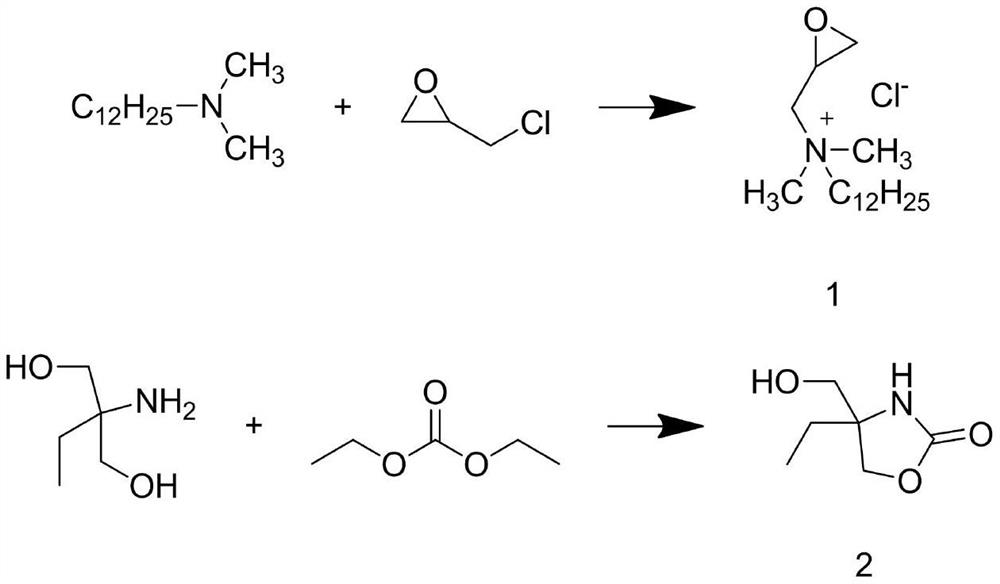
Figure 1 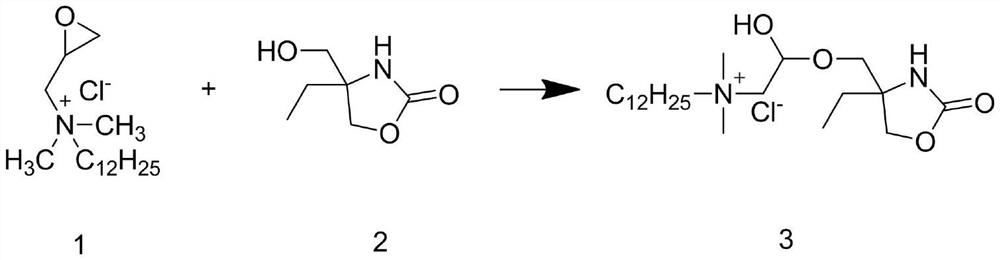
Figure 2 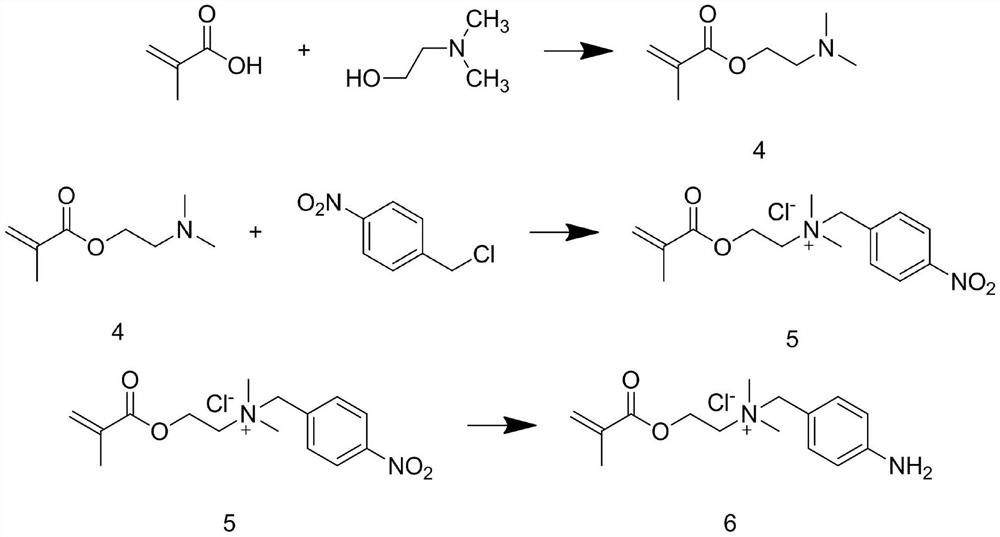
Figure 3
Abstract
Description
technical field
[0001] The invention relates to the technical field of nonwoven fabric preparation, in particular to an antibacterial nonwoven fabric for masks and a preparation method thereof. Background technique
[0002] Most of the large-scale outbreaks in recent years are respiratory infectious diseases, such as SARS, highly pathogenic avian influenza, and H1N1 influenza. Respiratory infectious diseases are transmitted through droplets and air, and have the characteristics of rapid transmission, wide susceptible population, and high incidence, posing a great threat to public health. Wearing a protective mask can block the invasion of pathogenic microorganisms into the human body, and is an effective means to prevent the prevalence of respiratory infectious diseases and protect the health of personnel. Insisting on wearing masks can reduce the infection of influenza, and many countries stockpile protective masks as a means of non-pharmaceutical intervention to control t...
Examples
Embodiment 1
[0032] An antibacterial nonwoven fabric for a mask, comprising the following raw materials in parts by weight: 80 parts of PET polyester chips, 5 parts of antibacterial agent, 1 part of lubricant, and 5 parts of plasticizer;
[0033] Step S1: adding PET polyester chips, antibacterial agent, lubricant, and plasticizer into the extruder, and melt extruding to obtain polyester fiber;
[0034] Step S2: Weaving the polyester fiber into a cloth to prepare an antibacterial non-woven fabric for a mask.
[0035] Described antibacterial agent is made by following steps:
[0036] Step A1: Add epichlorohydrin and N,N-dimethyldodecyl tertiary amine into the reaction kettle, and react for 2 hours at a speed of 200r / min and a temperature of 55°C to obtain an intermediate 1. Add diethyl carbonate, 2-amino-2-ethyl-1,3-propanediol, and sodium methoxide into the reaction kettle, and carry out a reflux reaction for 35 hours at a speed of 150r / min and a temperature of 115°C. Prepare intermediate...
Embodiment 2
[0040] An antibacterial nonwoven fabric for a mask, comprising the following raw materials in parts by weight: 85 parts of PET polyester chips, 7 parts of antibacterial agent, 2 parts of lubricant, and 6 parts of plasticizer;
[0041] Step S1: adding PET polyester chips, antibacterial agent, lubricant, and plasticizer into the extruder, and melt extruding to obtain polyester fiber;
[0042] Step S2: Weaving the polyester fiber into a cloth to prepare an antibacterial non-woven fabric for a mask.
[0043] Described antibacterial agent is made by following steps:
[0044] Step A1: Add epichlorohydrin and N,N-dimethyldodecyl tertiary amine into the reaction kettle, and react for 2 hours at a speed of 200r / min and a temperature of 65°C to obtain an intermediate 1. Add diethyl carbonate, 2-amino-2-ethyl-1,3-propanediol, and sodium methoxide into the reaction kettle, and carry out a reflux reaction for 40 hours at a speed of 200r / min and a temperature of 115°C. Prepare intermediate ...
Embodiment 3
[0048] An antibacterial nonwoven fabric for a mask, comprising the following raw materials in parts by weight: 90 parts of PET polyester chips, 8 parts of antibacterial agent, 2 parts of lubricant, and 7 parts of plasticizer;
[0049] Step S1: adding PET polyester chips, antibacterial agent, lubricant, and plasticizer into the extruder, and melt extruding to obtain polyester fiber;
[0050] Step S2: Weaving the polyester fiber into a cloth to prepare an antibacterial non-woven fabric for a mask.
[0051] Described antibacterial agent is made by following steps:
[0052] Step A1: Add epichlorohydrin and N,N-dimethyldodecyl tertiary amine into the reaction kettle, and react for 4 hours at a speed of 300r / min and a temperature of 55°C to obtain an intermediate 1. Add diethyl carbonate, 2-amino-2-ethyl-1,3-propanediol, and sodium methoxide into the reaction kettle, and carry out reflux reaction for 35 hours under the conditions of rotation speed of 150r / min and temperature of 120...