
Deep learning-based urine visible component detection method and device
A deep learning and component detection technology, applied in the field of medical image processing, can solve the problems of large target detection algorithm network model, slow reasoning, inability to achieve real-time detection, etc., to improve the detection effect, enhance the ability to distinguish, and reduce attention.
Patent Information
- Authority / Receiving Office
- CN · China
- Current Assignee / Owner
- Publication Date
- 2022-02-11
Smart Images
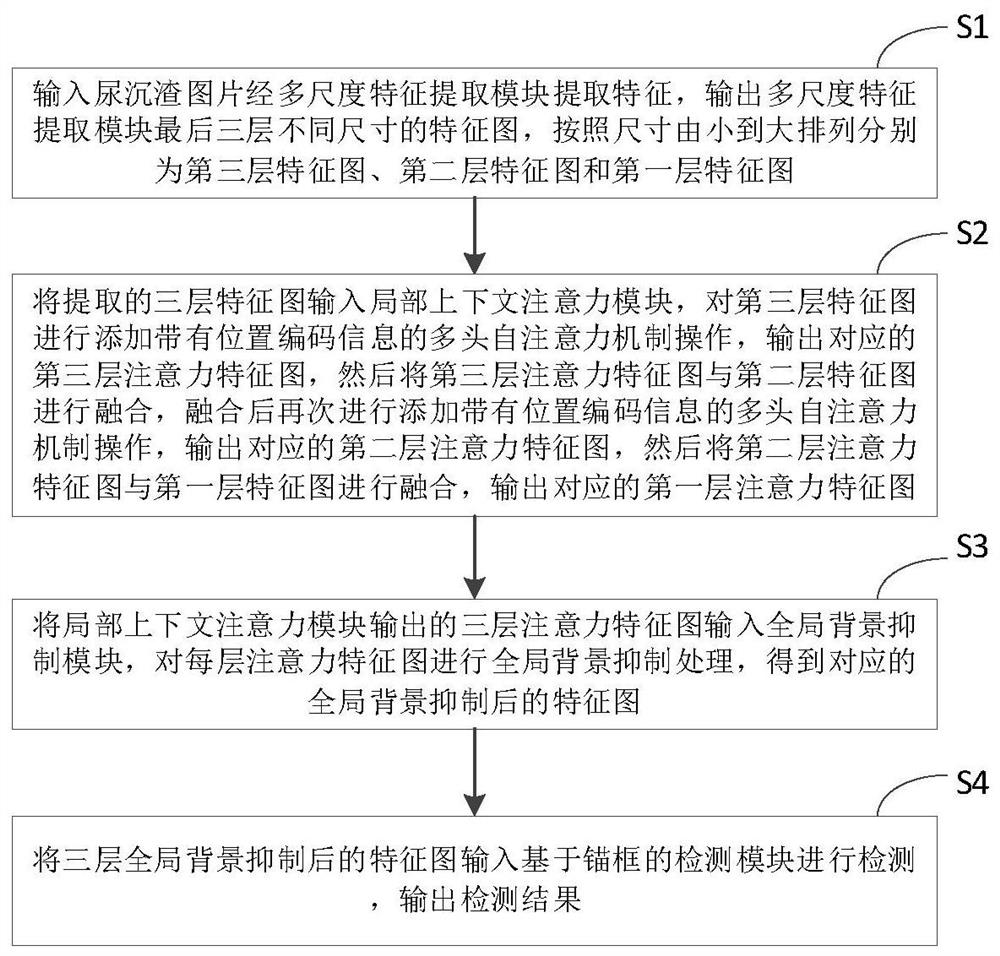
Figure 1 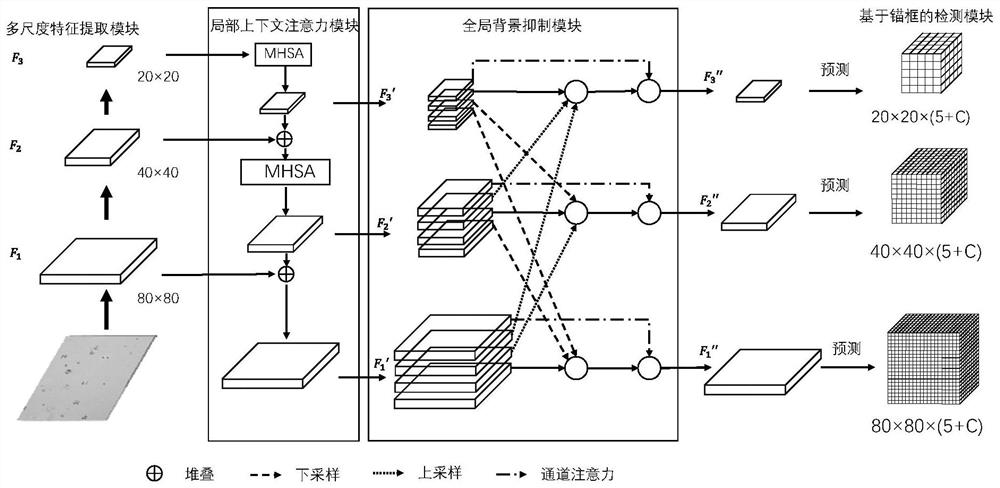
Figure 2 
Figure 3
Abstract
Description
technical field
[0001] The application belongs to the technical field of medical image processing, and in particular relates to a method and device for detecting urine formed components based on deep learning. Background technique
[0002] Object detection is one of the important research directions in the field of computer vision, and it is widely used in the fields of natural images, remote sensing images, and medical images. In recent years, many scholars have carried out a lot of work on object detection and made some progress. General-purpose detection algorithms are designed for complex natural image detection. In order to cope with the diverse characteristics and complex background of the target, the network models of these detection algorithms often have a lot of parameters. Urine sediment images are different from natural images. Urine sediment images are obtained by taking urine samples under a microscope, and the background of urine sample pictures contains almos...
Examples
Embodiment Construction
[0029] In order to make the purpose, technical solution and advantages of the present application clearer, the present application will be further described in detail below in conjunction with the accompanying drawings and embodiments. It should be understood that the specific embodiments described here are only used to explain the present application, not to limit the present application.
[0030] In one embodiment, such as figure 1 As shown, a deep learning-based urine formed component detection method is provided, including:
[0031] Step S1, input the urine sediment picture, extract features through the multi-scale feature extraction module, and output the feature maps of the last three layers of different sizes of the multi-scale feature extraction module, which are arranged in ascending order of size as the third layer feature map and the second layer feature map graph and the first layer feature map.
[0032] This application is a single-stage detection algorithm bas...