
Device and method for continuously monitoring cell growth rate
A growth rate and cell technology, applied in the field of microbial detection, can solve problems such as increasing the workload of laboratory workers, reducing the volume of culture solution, affecting the growth of microbial cells, etc., to prevent cell contamination and loss of culture solution, increase service life and stability. performance, improved efficiency, and experimental precision
Patent Information
- Authority / Receiving Office
- CN · China
- Patent Type
- Applications(China)
- Current Assignee / Owner
- Publication Date
- 2022-05-03
Smart Images
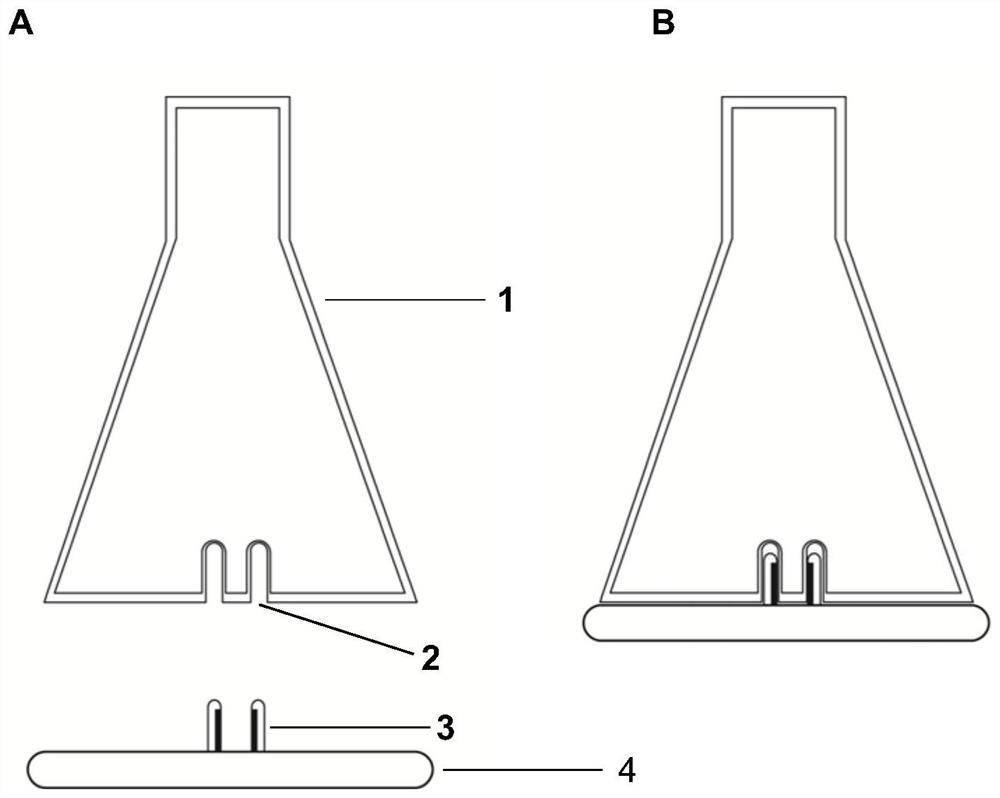
Figure 1 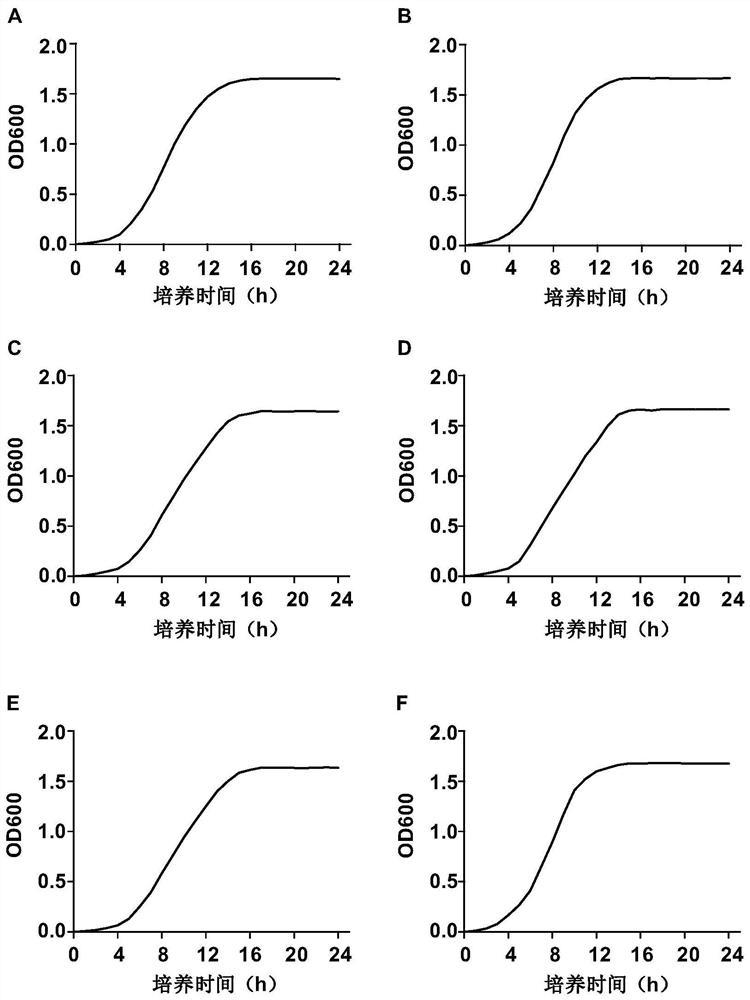
Figure 2
Abstract
Description
technical field
[0001] The invention belongs to the technical field of microorganism detection, and relates to a device and a method for continuously monitoring cell growth rate. Background technique
[0002] The growth curve of microbial cells is a curve that reflects the change of microbial cells during the culture period, drawn with the culture time as the abscissa and the change in the number of microbial cells as the ordinate when the microbial cells are cultured under suitable conditions. For example, the bacterial growth curve reflects the different stages of bacterial growth: lag phase, logarithmic phase, stable phase, and decay phase, which can reflect the number, growth status, and metabolism of bacteria. The growth curve of microbial cells has important guiding significance in the real-time monitoring of microbial culture and fermentation process, the screening of cloned strains and the characterization of growth characteristics, microbial inhibition and drug toxi...
Examples
Embodiment
[0024] Step 1, prepare the LB liquid medium required for the growth of E.coli DH5α, put it into six 250mL colorless transparent Erlenmeyer flasks with paired grooves on the bottom, the liquid volume is 100mL, seal and sterilize at 121°C 20min;
[0025] Step 2, after the sterilized medium is cooled to room temperature, inoculate the single colony of E.coli DH5α on the solid LB plate into six Erlenmeyer flasks;
[0026] Step 3, insert the sensor in the bottom grooves of the six Erlenmeyer flasks in step 2;
[0027] Step 4, put the Erlenmeyer flask with the sensor inserted in step 3 into the shaker, set the temperature of the shaker to 37°C, and the speed to 200rpm;
[0028] Step 5, open the software that outputs the growth curve of the bacteria, select the detection channel 1-6, set the sampling interval to 10s, and start the shaker to start the cultivation;
[0029] Step 6, transmit the turbidity data of the monitored E.coli DH5α culture solution to the computer through the w...