
Composition
By using compositions of urolithin, trehalose, nicotinamide and caffeine, the shortcomings in the prior art to improve skin barrier function are solved, and the effects of enhancing skin hydration, improving skin elasticity and reducing wrinkles are achieved, providing a healthier and younger skin appearance.
Patent Information
- Application Number
- CN202380042026.X
- Authority / Receiving Office
- CN · China
- Patent Type
- Applications(China)
- Current Assignee / Owner
- Priority Date
- 2022-11-08
- Filing Date
- 2023-03-17
- Publication Date
- 2025-03-25
AI Technical Summary
The prior art is difficult to effectively improve skin barrier function, especially in maintaining skin hydration, improving skin elasticity and firmness, and increasing or maintaining skin layer thickness.
Using compositions including urolithin, trehalose, nicotinamide and caffeine, enhance the skin's autophagy function and mitochondrial biogenesis promoters to improve skin health and appearance by topical administration or oral administration.
Significantly improves skin barrier function, enhances skin hydration ability, improves skin elasticity and firmness, increases skin layer thickness, reduces wrinkles and photoaging, and provides a younger and healthier skin appearance.
Smart Images
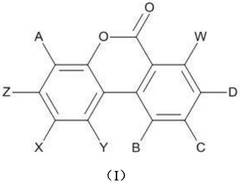
Figure BDA0005146036840000021 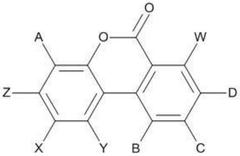
Figure BDA0005146036840000241 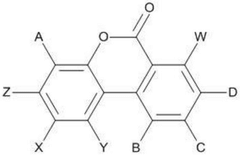
Figure BDA0005146036840000261
Abstract
Description
[0001] The present invention relates to compositions, in particular to topical compositions comprising urolithin, cosmetic compositions comprising urolithin, cosmetic compositions comprising urolithin and trehalose, compositions comprising urolithin and niacinamide (niacinamide / nicotinamide), and compositions comprising urolithin, trehalose, niacinamide and caffeine. In addition, the present invention relates to urolithin for improving skin barrier function, for example, maintaining skin hydration, improving skin elasticity and firmness, and / or increasing or maintaining skin layer thickness.
[0002] The main function of the skin is to form a barrier between the host's internal environment and environmental damage (such as chemicals, ultraviolet rays, mechanical damage and pathogenic microorganisms). The structure of the skin is composed of cell layers and cell-derived tissue layers, of which the outermost group of layers is the epidermis. The surface layer is called the stratum corneum, and then continues inwardly as: stratum granulosum, stratum spinosum, stratum basale, and then dermis. In addition, the palms and soles of the feet have an extra layer between the stratum corneum and the stratum granulosum, i.e. the stratum lucidum. Many products have been developed to improve the function and / or appearance of skin and hair.
[0003] For example, the beauty and personal care market was valued at nearly $500 billion in 2016. Repeated exposure to environmental insults such as sunlight can cause thinning, fragility, and wrinkling of the skin. More severe sun exposure can lead to loss of skin elasticity, deeper wrinkles, increased roughness and dryness, and changes in pigmentation (age spots, skin patches). The skin may also become leathery and rough, with a thickened appearance characterized by deep grooves. Other environmental insults such as chemicals that cause burns and / or injuries, acne, or viral infections (e.g., chickenpox) can cause scarring, resulting in more severe and permanent damage to the skin.
[0004] Additionally, the disease may also cause changes in the appearance of the skin. For example, lupus patients often display a characteristic rash, known as a "butterfly rash," that stretches across the patient's face.
[0005] Additionally, the firmness and integrity of the skin, particularly its ability to respond to environmental stressors and / or resist disease, generally declines with age.
[0006] Urolithins have been proposed for the treatment of various conditions associated with insufficient mitochondrial activity, including obesity, reduced metabolic rate, metabolic syndrome, diabetes, cardiovascular disease, hyperlipidemia, neurodegenerative diseases, cognitive disorders, mood disorders, stress and anxiety; for weight management or for improving muscle performance or mental performance. See WO 2012 / 088519 (Amazentis SA).
[0007] International patent publication WO 2014 / 004902 (derived from application PCT / US2013 / 48310) discloses a method for increasing autophagy, especially mitophagy, in a cell, the method comprising contacting the cell with an effective amount of urolithin or a pharmaceutically acceptable salt thereof, thereby increasing autophagy, especially mitophagy, in the cell. The drug may be administered to a subject having a disease or condition selected from the group consisting of metabolic stress, cardiovascular disease, endothelial cell dysfunction, sarcopenia, muscle degenerative disease, Duchenne muscular dystrophy, alcoholic liver disease, nonalcoholic fatty liver disease, drug-induced liver or muscle damage, α1-antitrypsin deficiency, ischemia / reperfusion injury, inflammation, skin aging, inflammatory bowel disease, Crohn's disease, obesity, metabolic syndrome, type II diabetes, hyperlipidemia, osteoarthritis, neurodegenerative disease, Alzheimer's disease, Huntington's disease, Parkinson's disease, disease), amyotrophic lateral sclerosis, age-related macular degeneration, mitochondrial diseases (including, for example, poor growth, loss of muscle coordination, muscle weakness, vision problems, hearing problems, heart disease, liver disease, kidney disease, gastrointestinal disorders, breathing disorders, neurological problems, autonomic dysfunction (sometimes learning disabilities), and dementia (caused by mitochondrial disease), muscle diseases, cancer, cognitive impairment, and stress and mood disorders.
[0008] There are many different skin care formulations that are advertised to improve the appearance of skin regardless of the type of skin damage. Examples of such formulations include, but are not limited to, retinol, hydroxy acids, coenzyme Q 10 , copper peptides, kinetin and / or tea extract. Despite the introduction of numerous creams, essential oils, skin care products and oral products each month, there continues to be a need for new safe and effective solutions for improving the function of a subject's largest organ - the skin. For example, while retinoids have shown promise in treating skin aging, irritation reactions such as burning, peeling or dermatitis associated with retinoid therapy have limited patient acceptance. Some uses of urolithins for skin have been disclosed, however, improved formulations and combinations for skin, particularly for cosmetic uses, and new uses of urolithins for improving skin barrier function have been discovered. Summary of the invention
[0009] (1) Compositions comprising trehalose and / or NAD precursors
[0010] The present invention provides a composition comprising:
[0011] a) trehalose; and
[0012] b) a compound of formula (I) or a salt thereof:
[0013]
[0014] in:
[0015] A, B, C and D are each independently selected from H and OH;
[0016] W, X and Y are each independently selected from H and OH; and
[0017] Z is selected from H and OH.
[0018] In another embodiment of the present invention, a composition is provided, which includes niacinamide (nicotinamide) and a compound of formula (I) or a salt thereof as described above.
[0019] In another embodiment of the present invention, a composition is provided, which includes an NAD precursor and a compound of formula (I) or a salt thereof as described above, wherein the NAD precursor is selected from nicotinic acid (niacin), nicotinamide (niacinamide / nicotinamide), tryptophan, nicotinamide mononucleotide and nicotinamide riboside.
[0020] In another embodiment of the present invention, a composition is provided, which includes trehalose, niacinamide (nicotinamide) and the compound of formula (I) or a salt thereof as described above.
[0021] In a further embodiment, a composition is provided, which includes trehalose, a NAD precursor and a compound of formula (I) or a salt thereof as described above.
[0022] In another embodiment, a composition (e.g., a cream or lotion) of the present invention comprising a compound of formula (I) and trehalose and / or an NAD precursor is provided, wherein the composition comprises about 0.8% to about 2.0% of the compound of formula (I) (e.g., urolithin A).
[0023] In another embodiment, a composition (e.g., a cream or lotion) of the present invention comprising a compound of formula (I) and trehalose and / or an NAD precursor is provided, wherein the composition comprises about 0.8% to about 1.5% of the compound of formula (I) (e.g., urolithin A).
[0024] In another embodiment, a composition (e.g., a cream or lotion) of the present invention comprising a compound of formula (I) and trehalose and / or an NAD precursor is provided, wherein the composition comprises about 0.8% to about 1.2% of the compound of formula (I) (e.g., urolithin A).
[0025] In another embodiment, a composition (e.g., cream or lotion) of the present invention comprising a compound of formula (I) and trehalose and / or an NAD precursor is provided, wherein the composition comprises about 1% of the compound of formula (I) (e.g., urolithin A).
[0026] In a further embodiment, there is provided a composition of the invention comprising a compound of formula (I) and trehalose and / or a NAD precursor for use in treating one or more of the indications described herein.
[0027] In a further embodiment, there is provided a composition of the present invention comprising a compound of formula (I) and trehalose and / or an NAD precursor, said composition being used as a cosmetic.
[0028] In a further embodiment, a method of cosmetically treating skin using a composition of the present invention comprising a compound of formula (I) and trehalose and / or a NAD precursor is provided.
[0029] A method for cosmetically treating the skin using an effective amount of a cosmetic composition comprising a compound of formula (I) and trehalose and / or an NAD precursor.
[0030] Use of the compound of formula (I) and trehalose and / or NAD precursor as cosmetics.
[0031] Non-therapeutic use of a cosmetic preparation comprising a compound of formula (I) and trehalose and / or an NAD precursor.
[0032] In a further embodiment, there is provided a composition of the present invention comprising:
[0033] a) a compound of formula (I), for example, urolithin A;
[0034] b) trehalose; and
[0035] c) NAD precursors, such as nicotinamide.
[0036] In a further embodiment, there is provided a composition of the present invention comprising:
[0037] a) a compound of formula (I), for example, urolithin A;
[0038] b) trehalose;
[0039] c) NAD precursors, such as nicotinamide, and
[0040] d) Caffeine.
[0041] In a further embodiment, there is provided a composition of the present invention comprising:
[0042] a) a compound of formula (I), for example, urolithin A;
[0043] b) trehalose;
[0044] c) NAD precursors, such as nicotinamide, and
[0045] d) B vitamins, for example, D-panthenol.
[0046] In a further embodiment, there is provided a composition of the present invention comprising:
[0047] a) a compound of formula (I), for example, urolithin A;
[0048] b) trehalose;
[0049] c) NAD precursors, such as nicotinamide, and
[0050] d) Nopal flower extract (Opuntia ficus-indica).
[0051] In a further embodiment, there is provided a composition of the present invention comprising:
[0052] a) a compound of formula (I), for example, urolithin A;
[0053] b) trehalose;
[0054] c) NAD precursors, such as nicotinamide, and
[0055] d) Sugar isomers.
[0056] In a further embodiment, there is provided a composition of the present invention comprising:
[0057] a) a compound of formula (I), for example, urolithin A;
[0058] b) trehalose;
[0059] c) NAD precursors, such as nicotinamide, and
[0060] d) Nicotiana sylvestris leaf cell culture.
[0061] In a further embodiment, there is provided a composition of the present invention comprising:
[0062] a) a compound of formula (I), for example, urolithin A;
[0063] b) trehalose;
[0064] c) NAD precursors, e.g., nicotinamide,
[0065] d) Nicotiana tabacum leaf cell culture; and
[0066] e) Sugar isomers.
[0067] In a further embodiment, there is provided a composition of the present invention comprising:
[0068] a) a compound of formula (I), for example, urolithin A;
[0069] b) trehalose;
[0070] c) NAD precursors, e.g., nicotinamide,
[0071] d) Opuntia nopal flower extract (Opuntia oleifera);
[0072] e) Caffeine;
[0073] f) carbohydrate isomers; and
[0074] g) B vitamins, for example, D-panthenol.
[0075] In a further embodiment, there is provided a composition of the present invention comprising:
[0076] a) a compound of formula (I), for example, urolithin A;
[0077] b) trehalose;
[0078] c) NAD precursors, e.g., nicotinamide,
[0079] d) caffeine; and
[0080] e) B vitamins, for example, D-panthenol.
[0081] In a further embodiment, there is provided a composition of the present invention comprising:
[0082] a) Compounds of formula (I), for example, urolithin A
[0083] wherein the compound of formula (I) accounts for 0.8% to 5% (w / w) of the composition;
[0084] b) trehalose,
[0085] wherein the trehalose comprises 0.05% to 6% (w / w) of the composition; and
[0086] c) NAD precursors, e.g., nicotinamide,
[0087] The niacinamide comprises 0.1% to 10% (w / w) of the composition.
[0088] In a further embodiment, there is provided a composition of the present invention comprising:
[0089] a) Compounds of formula (I), for example, urolithin A
[0090] The compound of formula (I) accounts for 0.8% to 4% (w / w) of the composition.
[0091] b) trehalose,
[0092] wherein the trehalose comprises 0.1% to 0.8% (w / w) of the composition; and
[0093] c) NAD precursors, e.g., nicotinamide,
[0094] The niacinamide comprises 0.5% to 8% (w / w) of the composition.
[0095] In a further embodiment, there is provided a composition of the present invention comprising:
[0096] a) Compounds of formula (I), for example, urolithin A
[0097] The compound of formula (I) accounts for 0.8% to 3% (w / w) of the composition.
[0098] b) trehalose,
[0099] wherein the trehalose comprises 0.1% to 0.7% (w / w) of the composition; and
[0100] c) NAD precursors, e.g., nicotinamide,
[0101] The niacinamide comprises 0.5% to 6% (w / w) of the composition.
[0102] In a further embodiment, there is provided a composition of the present invention comprising:
[0103] a) Compounds of formula (I), for example, urolithin A
[0104] The compound of formula (I) accounts for 0.8% to 2% (w / w) of the composition.
[0105] b) trehalose,
[0106] wherein the trehalose comprises 0.1% to 0.5% (w / w) of the composition; and
[0107] c) NAD precursors, e.g., nicotinamide,
[0108] The niacinamide comprises 0.5% to 5% (w / w) of the composition.
[0109] In a further embodiment, there is provided a composition of the present invention comprising:
[0110] a) Compounds of formula (I), for example, urolithin A
[0111] wherein the compound of formula (I) accounts for about 1% (w / w) of the composition
[0112] b) trehalose,
[0113] wherein the trehalose comprises about 0.25% (w / w) of the composition; and
[0114] c) NAD precursors, e.g., nicotinamide,
[0115] The niacinamide comprises about 1% to 3% (w / w) of the composition.
[0116] In a further embodiment, there is provided a composition of the present invention comprising:
[0117] a) Compounds of formula (I), for example, urolithin A
[0118] The compound of formula (I) accounts for 0.8% to 5% (w / w) of the composition.
[0119] b) trehalose,
[0120] wherein the trehalose comprises 0.05% to 1% (w / w) of the composition;
[0121] c) NAD precursors, e.g., nicotinamide,
[0122] wherein the niacinamide comprises 0.1% to 10% (w / w) of the composition; and
[0123] d) Antioxidants / blood circulation enhancers, e.g. caffeine,
[0124] The antioxidant / blood circulation enhancer, for example, caffeine, accounts for 0.1% to 5% (w / w) of the composition.
[0125] In a further embodiment, there is provided a composition of the present invention comprising:
[0126] a) Compounds of formula (I), for example, urolithin A
[0127] The compound of formula (I) accounts for 0.8% to 4% (w / w) of the composition.
[0128] b) trehalose,
[0129] wherein the trehalose accounts for 0.1% to 0.8% (w / w) of the composition; and
[0130] c) NAD precursors, e.g., nicotinamide,
[0131] wherein the niacinamide comprises 0.5% to 8% (w / w) of the composition;
[0132] d) Antioxidants / blood circulation enhancers, e.g. caffeine
[0133] The antioxidant / blood circulation enhancer, for example, caffeine, accounts for 0.1% to 3% (w / w) of the composition.
[0134] In a further embodiment, there is provided a composition of the present invention comprising:
[0135] a) Compounds of formula (I), for example, urolithin A
[0136] The compound of formula (I) accounts for 0.8% to 3% (w / w) of the composition.
[0137] b) trehalose,
[0138] wherein the trehalose comprises 0.1% to 0.7% (w / w) of the composition; and
[0139] c) NAD precursors, e.g., nicotinamide,
[0140] The niacinamide comprises 0.5% to 6% (w / w) of the composition.
[0141] d) Antioxidants / blood circulation enhancers, e.g. caffeine
[0142] The antioxidant / blood circulation enhancer, for example, caffeine, accounts for 0.1% to 2% (w / w) of the composition.
[0143] In a further embodiment, there is provided a composition of the present invention comprising:
[0144] a) Compounds of formula (I), for example, urolithin A
[0145] The compound of formula (I) accounts for 0.8% to 2% (w / w) of the composition.
[0146] b) trehalose,
[0147] wherein the trehalose accounts for 0.1% to 0.5% (w / w) of the composition; and
[0148] c) NAD precursors, e.g., nicotinamide,
[0149] The niacinamide comprises 0.5% to 5% (w / w) of the composition.
[0150] d) Antioxidants / blood circulation enhancers, e.g. caffeine
[0151] The antioxidant / blood circulation enhancer, for example, caffeine, accounts for 0.1% to 1% (w / w) of the composition.
[0152] In a further embodiment, there is provided a composition of the present invention comprising:
[0153] a) Compounds of formula (I), for example, urolithin A
[0154] wherein the compound of formula (I) accounts for about 1% (w / w) of the composition
[0155] b) trehalose,
[0156] wherein the trehalose comprises about 0.25% (w / w) of the composition; and
[0157] c) NAD precursors, e.g., nicotinamide,
[0158] wherein the niacinamide comprises about 1% to 3% (w / w) of the composition;
[0159] d) Antioxidants / blood circulation enhancers, e.g. caffeine
[0160] The antioxidant / blood circulation enhancer, for example, caffeine, accounts for about 0.5% (w / w) of the composition.
[0161] Examples of antioxidants / blood circulation enhancers include caffeine, green tea (Camellia sinensis leaf extract), vitamin C, vitamin K, and vitamin E. In another embodiment, the composition of the present invention includes vitamin C in an amount of about 0.1% to about 5% (w / w), about 0.5% to about 2% (w / w), about 0.7% to 1.5% (w / w), or about 1% of the composition. In another embodiment, the composition of the present invention includes vitamin K in an amount of about 0.5% to about 10% (w / w), about 1% to about 8% (w / w), about 2% to 7% (w / w), about 4% to about 6% (w / w), or about 5% (w / w) of the composition. In another embodiment, the composition of the present invention includes vitamin E in an amount of about 0.5% to about 10% (w / w), about 1% to about 8% (w / w), about 2% to 7% (w / w), about 4% to about 6% (w / w) or about 5% (w / w) of the composition.
[0162] In another embodiment, the composition of the present invention includes the following amount of the compound of formula (1): about 0.8% to about 5% (w / w), about 0.8% to about 4% (w / w), about 0.8% to about 3% (w / w), about 0.8% to about 2% (w / w), about 0.8% to about 1% (w / w) or about 1% (w / w).
[0163] In another embodiment, the composition of the present invention comprises the following amount of trehalose: about 0.05% to about 8% (w / w), about 0.1% to about 6% (w / w), about 0.1% to about 5% (w / w), about 0.1% to about 4% (w / w), about 0.1% to about 3% (w / w), about 0.1% (w / w) to about 2% (w / w), about 0.1% to about 0.9% (w / w), about 0.1% to about 0.8% (w / w) , about 0.1% to about 0.7% (w / w), about 0.1% to about 0.5% (w / w), about 0.1% to about 0.4% (w / w), about 0.1% to about 0.35% (w / w), about 0.2% to about 0.3% (w / w) or about 0.25% (w / w), or about 0.5% (w / w), about 1% (w / w), about 2% (w / w), about 3% (w / w), about 4% (w / w) or about 5% (w / w).
[0164] In another embodiment, the composition of the present invention includes the following amount of NAD precursor: about 0.1% to about 10% (w / w), 0.25% to about 9% (w / w), 0.25% to about 8% (w / w), 0.5% to about 7% (w / w), 0.5% to about 6% (w / w), 0.5% to about 5% (w / w), 0.5% to about 4% (w / w), 1% to about 4% (w / w), 1% to about 3% (w / w), about 1% (w / w), about 2% (w / w), about 3% (w / w), about 4% (w / w) or about 5% (w / w).
[0165] In another embodiment, the composition of the present invention includes the following amounts of antioxidants / blood circulation promoters (e.g., caffeine): about 0.1% to about 5% (w / w), about 0.1% to about 4% (w / w), about 0.1% to about 4% (w / w), about 0.1% to about 4% (w / w), about 0.1% to about 3% (w / w), about 0.1% to about 2% (w / w), about 0.1% to about 1% (w / w), about 0.2% to about 0.9% (w / w), about 0.3% to about 0.8% (w / w), about 0.3% to about 0.7% (w / w), about 0.3% to about 0.6% (w / w), about 0.4% to about .6% (w / w), or about 0.5% (w / w).
[0166] In a further embodiment, the composition of the present invention includes an amount of B vitamins (e.g., D-panthenol) ranging from about 0.1% to about 5% (w / w), from about 0.1% to about 4% (w / w), from about 0.1% to about 3% (w / w), from about 0.1% to about 2% (w / w), from about 0.1% to about 2% (w / w), about 1% (w / w), or about 0.5% (w / w),
[0167] In a further embodiment, the composition of the present invention includes the following amounts of nopal cactus flower extract (Opuntia oleracea): about 0.05% to about 0.2% (w / w), about 0.05% to about 0.15% (w / w), about 0.075 to about 0.125% (w / w), about 0.075 to about 0.1% (w / w), about 0.1% (w / w). The nopal cactus flower extract may include one or more of the following: hydrolyzed Opuntia oleracea flower extract, Opuntia oleracea stem extract, and Opuntia oleracea callus culture extract.
[0168] In another embodiment, the composition of the present invention comprises the following amounts of carbohydrate isomers: about 0.5% to about 5% (w / w), about 0.5% to about 4% (w / w), 0.5% to about 3% (w / w), 0.5% to about 2% (w / w), about 0.825% (w / w), about 1.65% (w / w) or about 2.75% (w / w).
[0169] In a further embodiment, the composition of the present invention comprises an amount of Nicotiana tabacum leaf cell culture of about 0.0005% to about 0.005% (w / w), about 0.0005% to about 0.004% (w / w), about 0.0005% to about 0.004% (w / w), about 0.0005% to about 0.003% (w / w), about 0.001% to about 0.002% (w / w) or about 0.0015% (w / w).
[0170] (2) Compositions comprising a compound of formula (1), another autophagy inducer and a mitochondrial biogenesis promoter
[0171] In another embodiment of the present invention, there is provided a composition comprising the following combination:
[0172] (a) a compound of formula (I) or a salt thereof as described above, for example, urolithin A;
[0173] (b) another autophagy inducer, such as trehalose; and
[0174] (c) a mitochondrial biogenesis promoter, for example, a nicotinamide adenine dinucleotide precursor, for example, nicotinamide.
[0175] In another embodiment of the present invention, there is provided a composition comprising:
[0176] (a) a compound of formula (I) as defined above or a salt thereof;
[0177] (b) additional autophagy inducers; and
[0178] (c) Mitochondrial biogenesis promoters.
[0179] In another embodiment of the present invention, there is provided a composition comprising the following combination:
[0180] (a) a compound of formula (I) or a salt thereof as described above, for example, urolithin A;
[0181] (b) additional autophagy inducers, such as trehalose;
[0182] (c) a mitochondrial biogenesis promoter, e.g., a nicotinamide adenine dinucleotide precursor, e.g., nicotinamide; and
[0183] (d) Antioxidants / blood circulation enhancers, e.g., caffeine.
[0184] In another embodiment of the present invention, there is provided a composition comprising the following combination:
[0185] (a) a compound of formula (I) as described above or a salt thereof, for example, urolithin A,
[0186] wherein the compound of formula (I) accounts for 0.8% to 5% (w / w) of the composition;
[0187] (b) another autophagy inducer, such as trehalose,
[0188] wherein the autophagy inducer accounts for 0.05% to 1% (w / w) of the composition;
[0189] (c) a mitochondrial biogenesis promoter, for example, a nicotinamide adenine dinucleotide precursor, for example, nicotinamide,
[0190] The mitochondrial biogenesis promoter comprises 0.1% to 10% (w / w) of the composition.
[0191] In another embodiment of the present invention, there is provided a composition comprising the following combination:
[0192] (a) a compound of formula (I) as described above or a salt thereof, for example, urolithin A,
[0193] wherein the compound of formula (I) accounts for 0.8% to 5% (w / w) of the composition;
[0194] (b) another autophagy inducer, such as trehalose,
[0195] wherein the autophagy inducer accounts for 0.05% to 1% (w / w) of the composition;
[0196] (c) a mitochondrial biogenesis promoter, e.g., a nicotinamide adenine dinucleotide precursor, e.g., nicotinamide, wherein the mitochondrial biogenesis promoter comprises 0.1% to 10% (w / w) of the composition; and
[0197] (d) Antioxidants / blood circulation enhancers, e.g., caffeine,
[0198] The antioxidant / blood circulation enhancer, for example, caffeine, accounts for 0.1% to 5% (w / w) of the composition.
[0199] Examples of autophagy inducers include, but are not limited to, carbamazepine, clonidine, lithium, metformin, rapamycin (and rapalog), rilmenidine, sodium valproate, verapamil, trifluoperazine, statins, tyrosine kinase inhibitors (e.g., Akt-mTOR signaling inhibitors and beclin 1 tyrosine phosphorylation inhibitors), BH3 mimetics, caffeine, omega-3 polyunsaturated fatty acids, resveratrol, spermidine, vitamin D pterostilbene, pterostilbene, fisetin, genistein, quercetin, apigenin, kaempferol, minoxidil, actinonin, kinetintriphosphate, pifithrin-a, deferiprone, 1,10′-phenanthroline and trehalose, for example, trehalose.
[0200] Examples of mitochondrial biogenesis promoters include, but are not limited to, PPAR-PGC-1α axis activators (e.g., bezafibrate), AMPK activators (e.g., resveratrol), Sirt1 agonists (e.g., quercetin, resveratrol), antioxidants (e.g., L-carnitine, coenzyme Q 10 、MitoQ 10 and other mitochondrial-targeted antioxidants, N-acetylcysteine (NAC), vitamin C, vitamin E, vitamin K1, vitamin B1, sodium pyruvate, and alpha-lipoic acid), and NAD precursors (e.g., niacinamide).
[0201] The compound of formula (I) is a member of the urolithin family; specifically, the compound of formula (I) can be urolithin A, urolithin B, urolithin C or urolithin D. In one embodiment, the compound of formula (I) is urolithin A.
[0202] In another embodiment, the composition of the present invention includes the following amount of the compound of formula (1): about 0.8% to about 5% (w / w), about 0.8% to about 4% (w / w), about 0.8% to about 3% (w / w), about 0.8% to about 2% (w / w), about 0.8% to about 1% (w / w) or about 1% (w / w).
[0203] In another embodiment, the composition of the present invention includes an autophagy inhibitor in an amount of about 0.05% to about 1%, about 0.1% to about 0.9%, about 0.1% to about 0.8%, about 0.1% to about 0.7%, about 0.1% to about 0.5%, about 0.1% to about 0.4%, about 0.1% to about 0.35%, about 0.2% to about 0.3% or about 0.25%.
[0204] In another embodiment, the composition of the present invention includes the following amount of mitochondrial biogenesis promoter: about 0.1% to about 10% (w / w), about 0.25% to about 9% (w / w), about 0.25% to about 8% (w / w), about 0.5% to about 7% (w / w), about 0.5% to about 6% (w / w), about 0.5% to about 5% (w / w), about 0.5% to about 4% (w / w), about 1% to about 4% (w / w), about 1% to about 3% (w / w), about 1% (w / w), about 2% (w / w), about 3% (w / w), about 4% (w / w) or about 5% (w / w).
[0205] In another embodiment, the composition of the present invention includes a central nervous system stimulant (e.g., caffeine) in an amount of about 0.1% to about 5% (w / w), about 0.1% to about 4% (w / w), about 0.1% to about 4% (w / w), about 0.1% to about 4% (w / w), about 0.1% to about 3% (w / w), about 0.1% to about 2% (w / w), about 0.1% to about 1% (w / w), about 0.2% to about 0.9% (w / w), about 0.3% to about 0.8% (w / w), about 0.3% to about 0.7% (w / w), about 0.3% to about 0.6% (w / w), about 0.4% to about 0.6% (w / w), or about 0.5% (w / w).
[0206] The compositions of the present invention are suitable for both cosmetic and medical uses.
[0207] In a further embodiment, a composition (e.g., a cream or lotion) of the invention comprising a compound of formula (I), an additional autophagy inducer, and a mitochondrial biogenesis promoter is provided, wherein the composition comprises about 0.8 to about 2.0% of the compound of formula (I) (e.g., urolithin A).
[0208] In a further embodiment, a composition (e.g., a cream or lotion) of the invention comprising a compound of formula (I), an additional autophagy inducer, and a mitochondrial biogenesis promoter is provided, wherein the composition comprises about 0.8 to about 1.5% of the compound of formula (I) (e.g., urolithin A).
[0209] In a further embodiment, a composition (e.g., a cream or lotion) of the invention comprising a compound of formula (I), an additional autophagy inducer, and a mitochondrial biogenesis promoter is provided, wherein the composition comprises about 0.8 to about 1.2% of the compound of formula (I) (e.g., urolithin A).
[0210] In a further embodiment, a composition (e.g., a cream or lotion) of the invention comprising a compound of formula (I), another autophagy inducer, and a mitochondrial biogenesis promoter is provided, wherein the composition comprises about 1% of the compound of formula (I) (e.g., urolithin A).
[0211] In a further embodiment, there is provided a composition (eg, cream or lotion) of the invention comprising a compound of formula (I), another autophagy inducer, and a mitochondrial biogenesis promoter for use in treating one or more of the indications described herein.
[0212] In a further embodiment, there is provided a composition (e.g., a cream or lotion) of the invention comprising a compound of formula (I), another autophagy inducer and a mitochondrial biogenesis promoter, for use in treating one or more indications selected from the following:
[0213] (a) Acne;
[0214] (b) Contact dermatitis
[0215] (c) eczema;
[0216] (d) psoriasis;
[0217] (e) rosacea,
[0218] (f) Lupus erythematosus;
[0219] (g) Warts;
[0220] (h) Herpes zoster;
[0221] (i) Urticaria;
[0222] (j) Black spot;
[0223] (k) liver spots;
[0224] (1) Freckles;
[0225] (m) Skin irritation;
[0226] (n) Skin infections;
[0227] (o) Skin inflammation;
[0228] (p) Seborrheic dermatitis;
[0229] (q) fungal skin infections (e.g., candidiasis, tinea pedis);
[0230] (r) skin cancer; and
[0231] (s) Diaper rash.
[0232] In a further embodiment, a composition of the present invention is provided, wherein the composition is injectable and further comprises collagen and / or hyaluronic acid.
[0233] In another embodiment, a composition (e.g., cream or lotion) of the present invention comprising a compound of formula (I) (e.g., urolithin A), another autophagy inducer (e.g., trehalose) and a mitochondrial biogenesis promoter (e.g., NAD precursor) is provided, wherein the composition is used to improve anti-wrinkle efficiency.
[0234] For the avoidance of doubt, the compositions of the present invention may include one or more autophagy inducers and one or more mitochondrial biogenesis promoters.
[0235] In a further embodiment, a method of cosmetically treating skin using a composition of the invention comprising a compound of formula (I), an additional autophagy inducer, and a mitochondrial biogenesis promoter is provided.
[0236] A method of cosmetically treating the skin using an effective amount of a cosmetic composition comprising a compound of formula (I), an additional autophagy inducer, and a mitochondrial biogenesis promoter.
[0237] Use of a compound of formula (I), another autophagy inducer and a mitochondrial biogenesis promoter as a cosmetic.
[0238] Non-therapeutic use of a cosmetic formulation comprising a compound of formula (I), an additional autophagy inducer and a mitochondrial biogenesis promoter.
[0239] 4) Use of the compound of formula (I)
[0240] In another embodiment of the present invention, there is provided a composition of the present invention, for example a composition comprising urolithin A, for use in one or more of the following uses:
[0241] (a) Improve or maintain skin barrier function;
[0242] (b) used to limit transepidermal water loss;
[0243] (c) for improving skin elasticity and firmness;
[0244] (d) for increasing or maintaining skin thickness;
[0245] (e) for increasing or maintaining the fluctuation index of the dermal-epidermal junction in the skin;
[0246] (f) for increasing or maintaining skin hydration;
[0247] (g) for reducing biological aging of the skin;
[0248] (h) for reducing fine lines and wrinkles;
[0249] (i) To reduce skin damage caused by radiation, such as UV radiation-induced skin damage.
[0250] (j) for protection of the skin from damage caused by radiation, such as UV, beta or gamma radiation, including during medical treatment of conditions such as cancer.
[0251] (k) for reducing hair damage caused by radiation, such as UV radiation-induced skin damage;
[0252] (1) For protecting hair from damage caused by radiation, such as UV, beta or gamma radiation, including during medical treatment of conditions such as cancer;
[0253] (m) for improving collagen tissue in the skin;
[0254] (n) for improving skin matrix;
[0255] (o) Improve skin physical properties;
[0256] (p) reduce sun-induced skin redness;
[0257] (q) / For the prevention of sunlight-induced photoaging;
[0258] (r) treating or preventing skin infections; and / or
[0259] (s) Treating or preventing skin cancer.
[0260] In another embodiment of the present invention, there is provided a composition of the present invention, for example a composition comprising urolithin A, for use in one or more of the following uses:
[0261] (a) Renewal and / or rejuvenation of skin appearance;
[0262] (b) Enhance skin energy supply;
[0263] (c) Improve skin texture;
[0264] (d) Enhance skin radiance;
[0265] (e) Skin regeneration;
[0266] (f) Reduces the visibility of pores and micro-lines;
[0267] (g) Improve skin breathing.
[0268] (h) Supports optimal cellular function of the skin;
[0269] (i) Promote / activate the skin’s detoxification process;
[0270] (j) promoting collagen repair; and / or
[0271] (k) Improve skin stem cell health.
[0272] In another embodiment of the present invention, there is provided a composition of the present invention, for example a composition comprising urolithin A, for use in one or more of the following uses:
[0273] (a) Renewal and / or rejuvenation of skin appearance;
[0274] (b) Enhance skin energy supply;
[0275] (c) Improve skin texture;
[0276] (d) Enhance skin radiance;
[0277] (e) Skin regeneration / regeneration;
[0278] (f) Reduces the visibility of pores and micro-lines;
[0279] (g) Improve skin breathing.
[0280] (h) Supports optimal cellular function of the skin;
[0281] (i) Promote / activate the skin’s detoxification process;
[0282] (j) promoting collagen repair; and / or
[0283] (k) Improve skin stem cell health.
[0284] In another embodiment of the present invention, there is provided a composition of the present invention, for example a composition comprising urolithin A, for use in one or more of the following uses:
[0285] a) Used to maintain skin barrier function;
[0286] b) used to limit transepidermal water loss;
[0287] c) Used to improve skin elasticity and firmness;
[0288] d) used to increase or maintain skin thickness;
[0289] e); used to increase or maintain skin hydration;
[0290] f) used to improve anti-wrinkle efficiency;
[0291] g) for improving collagen organization in the skin;
[0292] h) Used to promote collagen production
[0293] i) For plumper, younger-looking skin
[0294] j) Used to reduce biological aging of the skin;
[0295] k) for improving skin health;
[0296] 1) Reduce puffiness and dark circles around the eyes; and / or
[0297] m) Improve skin microstructure.
[0298] In another embodiment of the present invention, there is provided a composition of the present invention, for example a composition comprising urolithin A, for use in one or more of the following uses:
[0299] a) Improve skin health; and / or
[0300] b) Improve skin longevity;
[0301] In another embodiment of the present invention, there is provided a composition of the present invention, for example a composition comprising urolithin A, for use in one or more of the following uses:
[0302] (a) Maintain or increase hair thickness;
[0303] (b) Hair follicle cell regeneration;
[0304] (c) hair follicle cell survival;
[0305] (d) hair stem cell growth and / or regeneration;
[0306] (e) hair cell survival;
[0307] (f) prevent hair loss,
[0308] (g) Hair maintenance;
[0309] (h) Improve scalp health,
[0310] (i) improving or maintaining hair strength; and / or
[0311] (j) Promote hair growth recovery.
[0312] In another embodiment of the present invention, there is provided a composition of the present invention, for example a composition comprising urolithin A, for use in one or more of the following uses:
[0313] a) Maintain or increase hair thickness;
[0314] b) Hair follicle cell regeneration;
[0315] c) hair follicle cell survival;
[0316] d) hair stem cell growth and / or regeneration;
[0317] e) hair cell survival;
[0318] f) prevent hair loss,
[0319] g) Improve scalp health, and / or
[0320] h) Promote hair growth recovery
[0321] In a further embodiment, a method is provided for:
[0322] a) Maintain or increase hair thickness;
[0323] b) Hair follicle cell regeneration;
[0324] c) hair follicle cell survival;
[0325] d) hair stem cell growth and / or regeneration;
[0326] e) hair cell survival;
[0327] f) prevent hair loss,
[0328] g) Promote new hair growth;
[0329] h) Improve scalp health,
[0330] i) for improving the survival rate of hair transplants; and / or
[0331] j) Promote hair growth recovery.
[0332] In another embodiment of the present invention, there is provided a composition of the present invention, for example a composition comprising urolithin A, for use in one or more of the following uses:
[0333] a) Enhance the function of hair stem cells;
[0334] b) Enhance hair follicle elongation,
[0335] c) enhancing hair matrix proliferation, e.g., as measured by Ki67 levels;
[0336] d) prolonging the anagen phase (extending the duration of the anagen phase);
[0337] e) hair matrix proliferation,
[0338] f) inhibiting apoptosis of hair matrix cells; and
[0339] g) Reduction of melanin accumulation in pigmented units, such as in hair follicle pigmented units.
[0340] In another embodiment of the present invention, a method of reducing biological aging of the skin is provided. Thus, a composition of the present invention is provided for reducing the biological age of the skin by greater than or equal to 5 years, such as greater than or equal to 2 years, such as greater than or equal to 3 years, such as greater than or equal to 4 years, such as greater than or equal to 8 years or such as greater than or equal to 10 years.
[0341] In a further embodiment, there is provided a use of a composition (e.g., a cream or lotion) of the invention comprising a compound of formula (I), wherein the composition comprises about 0.8 to about 2.0% of a compound of formula (I) (e.g., urolithin A), wherein the use is one or more of the uses described herein.
[0342] In a further embodiment, there is provided a use of a composition (e.g., a cream or lotion) of the invention comprising a compound of formula (I), wherein the composition comprises about 0.8 to about 1.5% of a compound of formula (I) (e.g., urolithin A), wherein the use is one or more of the uses described herein.
[0343] In a further embodiment, there is provided a use of a composition (e.g., a cream or lotion) of the invention comprising a compound of formula (I), wherein the composition comprises about 0.8 to about 1.2% of a compound of formula (I) (e.g., urolithin A), wherein the use is one or more of the uses described herein.
[0344] In a further embodiment, there is provided a use of a composition (e.g., a cream or lotion) of the invention comprising a compound of formula (I), wherein the composition comprises about 1% of a compound of formula (I) (e.g., urolithin A), wherein the use is one or more of the uses described herein.
[0345] In a further embodiment, there is provided a use of a composition (e.g., a cream or lotion) of the invention comprising a compound of formula (I), wherein the composition comprises about 0.8 to about 2.0% of a compound of formula (I) (e.g., urolithin A), wherein the use is to reduce intrinsic and / or extrinsic aging.
[0346] In a further embodiment, there is provided a use of a composition (e.g., a cream or lotion) of the invention comprising a compound of formula (I), wherein the composition comprises about 0.8 to about 1.5% of a compound of formula (I) (e.g., urolithin A), wherein the use is to reduce intrinsic and / or extrinsic aging.
[0347] In a further embodiment, there is provided a use of a composition (e.g., a cream or lotion) of the invention comprising a compound of formula (I), wherein the composition comprises about 0.8 to about 1.2% of a compound of formula (I) (e.g., urolithin A), wherein the use is to reduce intrinsic and / or extrinsic aging.
[0348] In a further embodiment, there is provided a use of a composition (e.g., a cream or lotion) comprising a compound of formula (I) of the present invention, wherein the composition comprises about 1% of a compound of formula (I) (e.g., urolithin A), wherein the use is to reduce intrinsic and / or extrinsic aging.
[0349] In a further embodiment, there is provided a use of a composition (e.g., a cream or lotion) of the invention comprising a compound of formula (I), wherein the composition comprises about 0.8 to about 2.0% of a compound of formula (I) (e.g., urolithin A), wherein the use is to reduce photoaging.
[0350] In a further embodiment, there is provided a use of a composition (e.g., a cream or lotion) of the invention comprising a compound of formula (I), wherein the composition comprises about 0.8 to about 1.5% of a compound of formula (I) (e.g., urolithin A), wherein the use is to reduce photoaging.
[0351] In a further embodiment, there is provided a use of a composition (e.g., a cream or lotion) of the invention comprising a compound of formula (I), wherein the composition comprises about 0.8 to about 1.2% of a compound of formula (I) (e.g., urolithin A), wherein the use is to reduce photoaging.
[0352] In a further embodiment, there is provided a use of a composition (e.g., a cream or lotion) of the invention comprising a compound of formula (I), wherein the composition comprises about 1% of a compound of formula (I) (e.g., urolithin A), wherein the use is to reduce photoaging.
[0353] In a further embodiment, there is provided a use of a composition (e.g., a cream or lotion) of the invention comprising a compound of formula (I), wherein the composition comprises about 0.8 to about 2.0% of a compound of formula (I) (e.g., urolithin A), wherein the use is to reduce skin inflammation caused by ultraviolet light exposure (e.g., ultraviolet B light (UVB)).
[0354] In a further embodiment, there is provided a use of a composition (e.g., a cream or lotion) of the invention comprising a compound of formula (I), wherein the composition comprises about 0.8 to about 1.5% of a compound of formula (I) (e.g., urolithin A), wherein the use is to reduce skin inflammation caused by ultraviolet light exposure (e.g., ultraviolet B light (UVB)).
[0355] In a further embodiment, there is provided a use of a composition (e.g., a cream or lotion) of the invention comprising a compound of formula (I), wherein the composition comprises about 0.8 to about 1.2% of a compound of formula (I) (e.g., urolithin A), wherein the use is to reduce skin inflammation caused by ultraviolet light exposure (e.g., ultraviolet B light (UVB)).
[0356] In a further embodiment, there is provided a use of a composition (e.g., a cream or lotion) of the invention comprising a compound of formula (I), wherein the composition comprises about 1% of a compound of formula (I) (e.g., urolithin A), wherein the use is to reduce skin inflammation caused by ultraviolet light exposure (e.g., ultraviolet B light (UVB)).
[0357] In a further embodiment, there is provided a use of a composition (e.g., a cream or lotion) of the invention comprising a compound of formula (I), wherein the composition comprises about 0.8 to about 2.0% of a compound of formula (I) (e.g., urolithin A), wherein the use is to reduce oxidative stress in the skin.
[0358] In a further embodiment, there is provided a use of a composition (e.g., a cream or lotion) of the invention comprising a compound of formula (I), wherein the composition comprises about 0.8 to about 1.5% of a compound of formula (I) (e.g., urolithin A), wherein the use is to reduce oxidative stress in the skin.
[0359] In a further embodiment, there is provided a use of a composition (e.g., a cream or lotion) of the invention comprising a compound of formula (I), wherein the composition comprises about 0.8 to about 1.2% of a compound of formula (I) (e.g., urolithin A), wherein the use is to reduce oxidative stress in the skin.
[0360] In a further embodiment, there is provided a use of a composition (e.g., a cream or lotion) of the invention comprising a compound of formula (I), wherein the composition comprises about 1% of a compound of formula (I) (e.g., urolithin A), wherein the use is to reduce oxidative stress in the skin.
[0361] In a further embodiment, there is provided a use of a composition (e.g., a cream or lotion) of the invention comprising a compound of formula (I), wherein the composition comprises about 0.8 to about 2.0% of a compound of formula (I) (e.g., urolithin A), wherein the use is to improve skin health.
[0362] In a further embodiment, there is provided a use of a composition (e.g., a cream or lotion) of the invention comprising a compound of formula (I), wherein the composition comprises about 0.8 to about 1.5% of a compound of formula (I) (e.g., urolithin A), wherein the use is to improve skin health.
[0363] In a further embodiment, there is provided a use of a composition (e.g., a cream or lotion) of the invention comprising a compound of formula (I), wherein the composition comprises about 0.8 to about 1.2% of a compound of formula (I) (e.g., urolithin A), wherein the use is to improve skin health.
[0364] In a further embodiment, there is provided a use of a composition (e.g., a cream or lotion) of the invention comprising a compound of formula (I), wherein the composition comprises about 1% of a compound of formula (I) (e.g., urolithin A), wherein the use is to improve skin health.
[0365] The present invention further provides a novel use for improving skin barrier function.
[0366] In one embodiment, the present invention provides a compound of formula (I) or a salt thereof, for example, urolithin A, for improving or maintaining skin barrier function.
[0367] In another embodiment, the present invention provides a compound of formula (I) or a salt thereof, for example, urolithin A, for use in the preparation of a medicament for improving or maintaining skin barrier function.
[0368] In another embodiment, a method for improving or maintaining skin barrier function is provided, the method comprising administering an effective amount of a compound of formula (I) or a salt thereof, for example, urolithin A.
[0369] In one embodiment, the present invention provides a compound of formula (I) or a salt thereof, for example, urolithin A, for use in treating a disease or condition associated with skin barrier damage.
[0370] In another embodiment, the present invention provides a compound of formula (I) or a salt thereof, for example, urolithin A, for use in the preparation of a medicament for treating a disease or condition associated with skin barrier damage.
[0371] In a further embodiment, a method for treating a disease or condition associated with skin barrier damage is provided, the method comprising administering an effective amount of a compound of formula (I) or a salt thereof, for example, urolithin A.
[0372] Examples of diseases or conditions associated with skin barrier disruption include, but are not limited to, atopic eczema, atopic dermatitis, acne, skin aging, dry skin, skin side effects of certain chronic medications, and pruritus. For example, atopic dermatitis, acne, and skin aging.
[0373] In one embodiment, the present invention provides a compound of formula (I) or a salt thereof, for example, urolithin A, for use in increasing or maintaining skin hydration.
[0374] In another embodiment, the present invention provides a compound of formula (I) or a salt thereof, for example, urolithin A, for use in the preparation of a medicament for increasing or maintaining skin hydration.
[0375] In a further embodiment, a method for increasing or maintaining skin hydration is provided, the method comprising administering an effective amount of a compound of formula (I) or a salt thereof, eg, urolithin A.
[0376] In one embodiment, the present invention provides a compound of formula (I) or a salt thereof, for example, urolithin A, for use in preventing and / or treating transepidermal water loss (TEWL).
[0377] In another embodiment, the present invention provides a compound of formula (I) or a salt thereof, for example, urolithin A, for use in the preparation of a medicament for preventing and / or treating transepidermal water loss.
[0378] In another embodiment, a method for preventing and / or treating transepidermal water loss is provided, comprising administering an effective amount of a compound of formula (I) or a salt thereof, for example, urolithin A.
[0379] In one embodiment, the present invention provides a compound of formula (I) or a salt thereof, for example, urolithin A, for improving skin elasticity and / or firmness.
[0380] In another embodiment, the present invention provides a compound of formula (I) or a salt thereof, for example, urolithin A, for use in the preparation of a medicament for improving skin elasticity and / or firmness.
[0381] In another embodiment, the present invention provides a compound of formula (I) or a salt thereof, for example, urolithin A, for use in preparing a cosmetic for improving skin elasticity and / or firmness.
[0382] In a further embodiment, provided are compositions of the invention comprising a compound of formula (I) (eg, urolithin A) for use as a cosmetic for one or more of the uses described herein.
[0383] In a further embodiment, there is provided a method of cosmetically treating the skin using a composition of the invention comprising a compound of formula (I) for one or more of the uses described herein.
[0384] A method of cosmetically treating the skin using an effective amount of a cosmetic composition comprising a compound of formula (I) for one or more of the uses described herein.
[0385] Use of a compound of formula (I) as a cosmetic for one or more of the uses described herein.
[0386] Non-therapeutic use of cosmetic formulations comprising a compound of formula (I) for one or more of the uses described herein.
[0387] In another embodiment, a method for improving skin elasticity and / or firmness is provided, the method comprising administering an effective amount of a compound of formula (I) or a salt thereof, e.g., urolithin A.
[0388] In one embodiment, the present invention provides a compound of formula (I) or a salt thereof, for example, urolithin A, for increasing or maintaining the thickness of the skin layer.
[0389] In another embodiment, the present invention provides a compound of formula (I) or a salt thereof, for example, urolithin A, for use in the preparation of a medicament for increasing or maintaining the thickness of a skin layer.
[0390] In another embodiment, a method of increasing or maintaining the thickness of a skin layer is provided, the method comprising administering an effective amount of a compound of formula (I) or a salt thereof, eg, urolithin A.
[0391] In one embodiment, the present invention provides a compound of formula (I) or a salt thereof, for example, urolithin A, for increasing or maintaining the fluctuation index of the dermal-epidermal junction in the skin.
[0392] In another embodiment, the present invention provides a compound of formula (I) or a salt thereof, for example, urolithin A, for use in the preparation of a medicament for increasing or maintaining the fluctuation index of the dermal-epidermal junction in the skin.
[0393] In another embodiment, the present invention provides a compound of formula (I) or a salt thereof, for example, urolithin A, for use in preparing a cosmetic for the fluctuation index of the dermal-epidermal junction in the skin.
[0394] In another embodiment, a method for increasing or maintaining the fluctuation index of the dermal-epidermal junction in the skin is provided, the method comprising administering an effective amount of a compound of formula (I) or a salt thereof, for example, urolithin A.
[0395] In another embodiment of the present invention, there is provided a compound of formula (I) or a salt thereof as defined above for use in reducing wrinkle depth, particularly wrinkle depth of facial wrinkles, for example, wherein the reduction in wrinkle depth is at least about 15% below baseline. In a further embodiment, the wrinkle depth is at least 3.5%, at least 4%, at least 5% or at least 6%, at least 7%, at least 8%, at least 9%, at least 10%, at least 11%, at least 12%, at least 13%, at least 14% or at least 15%. For example, after a period of about 2 weeks, 3 weeks, 4 weeks, 5 weeks, 6 weeks, 7 weeks or 8 weeks.
[0396] In another embodiment of the present invention, there is provided a compound of formula (I) or a salt thereof as defined above for use in reducing the visible wrinkle area, especially the visible facial wrinkle area, for example, wherein the reduction in visible area is at least about 4% below baseline. In a further embodiment, the visible area is at least 5%, at least 6% or at least 7%. For example, after a period of about 2 weeks, 3 weeks, 4 weeks, 5 weeks, 6 weeks, 7 weeks or 8 weeks.
[0397] In another embodiment of the present invention, there is provided a compound of formula (I) or a salt thereof as defined above for use in reducing the length of visible wrinkles, especially the length of visible facial wrinkles, for example, wherein the reduction in visible length is at least about 6% below baseline. In a further embodiment, the visible length is at least 7%, at least 8%, at least 9% or at least 10%. For example, after a period of about 2 weeks, 3 weeks, 4 weeks, 5 weeks, 6 weeks, 7 weeks or 8 weeks.
[0398] In another embodiment of the present invention, there is provided a compound of formula (I) or a salt thereof as defined above for use in reducing the depth of visible wrinkles, especially the depth of visible facial wrinkles, for example, wherein the reduction in visible depth is at least about 3.5% below baseline. In a further embodiment, the visible depth is at least 4%, at least 5% or at least 6%. For example, after a period of about 2 weeks, 3 weeks, 4 weeks, 5 weeks, 6 weeks, 7 weeks or 8 weeks.
[0399] In another embodiment of the present invention, there is provided a compound of formula (I) or a salt thereof as defined above for use in reducing the volume of visible wrinkles, especially the volume of visible facial wrinkles, for example, wherein the reduction in visible volume is at least about 4% below baseline. In a further embodiment, the visible volume is at least 5%, at least 6% or at least 7%. For example, after a period of about 2 weeks, 3 weeks, 4 weeks, 5 weeks, 6 weeks, 7 weeks or 8 weeks.
[0400] In another embodiment of the present invention, there is provided a compound of formula (I) or a salt thereof as defined above, for use in reducing one of the following wrinkle parameters, especially one or more of the following facial wrinkle parameters:
[0401] (a) obvious areas;
[0402] (b) apparent length;
[0403] (c) apparent depth; and / or
[0404] (d) Apparent volume.
[0405] For example, where the percentage is below the baseline, and the time period is as described above for each integer.
[0406] In a further embodiment, there is provided a composition of the invention comprising a compound of formula (I) (e.g., urolithin A) for use as a cosmetic for reducing one of the following facial wrinkle parameters,
[0407] (a) obvious areas;
[0408] (b) apparent length;
[0409] (c) apparent depth; and / or
[0410] (d) Apparent volume.
[0411] For example, where the percentage is below the baseline, and the time period is as described above for each integer.
[0412] In a further embodiment, there is provided a method of cosmetically treating facial wrinkles using a composition of the present invention comprising a compound of formula (I) for reducing one of the following facial wrinkle parameters,
[0413] (a) obvious areas;
[0414] (b) apparent length;
[0415] (c) apparent depth; and / or
[0416] (d) Apparent volume.
[0417] For example, where the percentage is below the baseline, and the time period is as described above for each integer.
[0418] A method of cosmetically treating facial wrinkles using an effective amount of a cosmetic composition comprising a compound of formula (I) for reducing one of the following facial wrinkle parameters,
[0419] (a) obvious areas;
[0420] (b) apparent length;
[0421] (c) apparent depth; and / or
[0422] (d) Apparent volume.
[0423] For example, wherein the percentage is below baseline, and the time period is as described above for each integer. In one embodiment, the invention provides a compound of formula (I) or a salt thereof, for example, urolithin A, for application to the head, scalp or hair.
[0424] In a further embodiment, the invention provides a compound of formula (I) or a salt thereof, e.g., urolithin A, for use in the preparation of a medicament for administration to the head, scalp or hair, e.g., for any of the uses described herein.
[0425] In a further embodiment, a method is provided comprising applying to the head, scalp and hair an effective amount of a compound of formula (I) or a salt thereof, e.g., urolithin A, e.g., for any of the uses described herein.
[0426] In a further embodiment, a cosmetic method is provided, comprising applying to the head, scalp and hair an effective amount of a compound of formula (I) or a salt thereof, e.g., urolithin A, e.g., for any of the uses described herein.
[0427] Cosmetic formulations comprising a compound of formula (I) are for non-therapeutic use for application to the head, scalp or hair for one or more of the uses described herein.
[0428] Use of a compound of formula (I) as a cosmetic for application to the head, scalp or hair for one or more of the uses described herein.
[0429] In one embodiment, the present invention provides a compound of formula (I) or a salt thereof, for example, urolithin A, for cosmetic purposes such as for the following:
[0430] (a) Maintain or increase hair thickness;
[0431] (b) Hair follicle cell regeneration;
[0432] (c) hair follicle cell survival;
[0433] (d) hair stem cell growth and / or regeneration;
[0434] (e) hair cell survival;
[0435] (f) prevent hair loss,
[0436] (g) Hair maintenance; retention or maintenance of hair strength;
[0437] (h) Improve scalp health, and / or
[0438] (i) Promote hair growth recovery.
[0439] In another embodiment, the present invention provides a compound of formula (I) or a salt thereof, for example, urolithin A, for use in preparing a medicament for the following purposes or in preparing a cosmetic for the following purposes:
[0440] a) Maintain or increase hair thickness;
[0441] b) Hair follicle cell regeneration;
[0442] c) hair follicle cell survival;
[0443] d) hair stem cell growth and / or regeneration;
[0444] e) hair cell survival;
[0445] f) prevent hair loss,
[0446] g) Improve scalp health, and / or
[0447] h) Promote hair growth recovery;
[0448] In a further embodiment, there is provided a method, such as a cosmetic method, for:
[0449] a) Maintain or increase hair thickness;
[0450] b) Hair follicle cell regeneration;
[0451] c) hair follicle cell survival;
[0452] d) hair stem cell growth and / or regeneration;
[0453] e) hair cell survival;
[0454] f) prevent hair loss,
[0455] g) Improve scalp health, and / or
[0456] h) Promote hair growth recovery;
[0457] The method comprises administering an effective amount of a compound of formula (I) or a salt thereof, eg, urolithin A.
[0458] In one embodiment, for the use of the present invention, administration is by topical application of a compound of formula (I) or a salt thereof, e.g., urolithin A. In a further embodiment, for the use of the present invention, administration is by injection of a compound of formula (I), e.g., urolithin A.
[0459] International patent applications WO 2018 / 162650 (Amazentis) and WO 2018 / 162651 (Amazentis) disclose optimized dosage ranges for oral administration of urolithins. The present application encompasses topical administration of a compound of formula (I) (e.g., urolithin A), which requires an optimized dosage range different from the dosage range required for oral administration. Therefore, the present invention also provides an optimized dosage range for administering a compound of formula (I) by topical application to the skin. Therefore, a compound of formula (I) or a salt thereof is provided,
[0460]
[0461] in:
[0462] A, B, C and D are each independently selected from H and OH;
[0463] W, X and Y are each independently selected from H and OH; and
[0464] Z is selected from H and OH,
[0465] For topical administration at concentrations ranging from 0.1 to 5% w / w.
[0466] In another embodiment, the concentration range of the compound of formula (I) or its salt is 0.8% to 4% of the composition, such as 0.8% to 3% of the composition, such as 0.8% to 2% w / w of the composition, such as 1% to 2% w / w of the composition, such as 1% to 1.5% w / w, such as about 1% w / w, such as 0.8%, 0.9%, 1%, 1.5% or 2% w / w of the composition. In a further embodiment of the present invention, the concentration range of the compound of formula (I) or its salt is 1% to 5% w / w, such as 2% to 5% w / w, such as 3% to 5% w / w, such as 4% to 5% w / w.
[0467] In another embodiment of the present invention, there is provided a compound of formula (I) as defined above or a salt thereof for topical administration in a concentration ranging from 0.8% to 5% for cosmetic use.
[0468] In another embodiment of the present invention, there is provided a compound of formula (I) or a salt thereof as defined above for topical administration at a concentration ranging from 0.8% to 5% for treating and / or preventing a skin condition, skin disease or skin disorder in a subject.
[0469] In another embodiment of the present invention, there is provided a compound of formula (I) or a salt thereof as defined above for topical administration at a concentration in the range of 0.8% to 5%, for one or more of the following uses:
[0470] (a) Improve or maintain skin barrier function;
[0471] (b) for preventing and / or treating transepidermal water loss;
[0472] (c) for improving skin elasticity and firmness;
[0473] (d) for increasing or maintaining skin thickness;
[0474] (e) for increasing or maintaining the fluctuation index of the dermal-epidermal junction in the skin;
[0475] (f) for increasing or maintaining skin hydration;
[0476] (g) for reducing biological aging of the skin;
[0477] (h) for reducing fine lines and wrinkles;
[0478] (i) for reducing skin damage caused by radiation, such as UV radiation-induced skin damage;
[0479] (j) for protection of the skin from damage caused by radiation, such as UV, beta or gamma radiation, including during medical treatment of conditions such as cancer;
[0480] (k) for reducing hair damage caused by radiation, such as UV radiation-induced skin damage; and / or
[0481] (1) For protecting hair from damage caused by radiation, such as UV, beta or gamma radiation, including during medical treatment of conditions such as cancer.
[0482] (3) Compositions comprising micronized compounds of formula (I) and uses thereof
[0483] An important aspect of topical skin formulations, especially cosmetic topical skin formulations, is the sensory impact and user experience. In addition to developing new skin formulations including urolithins, it has been found that specific particle size distributions can provide optimal sensory impact and user experience. Therefore, in a further embodiment of the present invention, there is provided a compound of formula (I) or a salt thereof,
[0484]
[0485] in:
[0486] A, B, C and D are each independently selected from H and OH;
[0487] W, X and Y are each independently selected from H and OH; and
[0488] Z is selected from H and OH,
[0489] And wherein the compound or salt has a D50 size in the range of 1 to 10 μm, and a D90 size in the range of 4 to 25 μm.
[0490] In a further embodiment of the present invention, there is provided a composition of the present invention comprising a compound of formula (I) as defined above or a salt thereof, wherein the compound or salt has a D50 size in the range of 1 to 10 μm and a D90 size in the range of 4 to 25 μm.
[0491] In a further embodiment of the present invention, there is provided a composition of the present invention comprising a compound of formula (I) as defined above or a salt thereof, wherein the compound or salt has a D10 size greater than or equal to 0.1 μm, a D50 size in the range of 2 to 8 μm, and a D90 size in the range of 6 to 20 μm.
[0492] In a further embodiment of the present invention, there is provided a composition of the present invention comprising a compound of formula (I) as defined above or a salt thereof, wherein the compound or salt has a D50 size in the range of 2 to 8 μm and a D90 size in the range of 6 to 20 μm.
[0493] In a further embodiment of the present invention, there is provided a composition of the present invention comprising a compound of formula (I) as defined above or a salt thereof, wherein the compound or salt has a D10 size of not less than 0.1 μm, a D50 size of not greater than 15 μm, and a D90 size of not greater than 25 μm.
[0494] In a further embodiment of the present invention, there is provided a composition of the present invention comprising a compound of formula (I) as defined above or a salt thereof, wherein the compound or salt has a D10 size in the range of 0.1 to 2 μm, a D50 size in the range of 5 to 12 μm, and a D90 size in the range of 12 to 25 μm.
[0495] In a further embodiment of the present invention, there is provided a composition of the present invention comprising a compound of formula (I) as defined above or a salt thereof, wherein the compound or salt has a D50 size in the range of 1 to 10 μm and a D90 size in the range of 4 to 25 μm,
[0496] Wherein the composition is for topical application at a concentration ranging from 0.1% to 20%, 0.1% to 10%, 0.1% to 5%, for cosmetic use, for example, from about 0.1% to about 2%, about 0.125%, about 0.5%, about 1.0%, about 1.5%, about 2%, about 5%, about 10%, about 12%, about 15% or about 20%.
[0497] In another embodiment of the present invention, there is provided a compound of formula (I) as defined above or a composition comprising a compound of formula (I) or a salt thereof, wherein D of the compound or salt is 50 The size is in the range of 1 to 10 μm and D 90 The size is in the range of 4 to 25 μm, and the compound or salt is used for one or more of the following uses:
[0498] (a) Improve or maintain skin barrier function;
[0499] (b) for preventing and / or treating transepidermal water loss;
[0500] (c) for improving skin elasticity and firmness;
[0501] (d) for increasing or maintaining skin thickness;
[0502] (e) for increasing or maintaining the fluctuation index of the dermal-epidermal junction in the skin;
[0503] (f) for increasing or maintaining skin hydration;
[0504] (g) for reducing biological aging of the skin;
[0505] (h) for reducing fine lines and wrinkles;
[0506] (i) for reducing skin damage caused by radiation, such as UV radiation-induced skin damage;
[0507] (j) for protection of the skin from damage caused by radiation, such as UV, beta or gamma radiation, including during medical treatment of conditions such as cancer;
[0508] (k) for reducing hair damage caused by radiation, such as UV radiation-induced skin damage;
[0509] (1) For protecting hair from damage caused by radiation, such as UV, beta or gamma radiation, including during medical treatment of conditions such as cancer;
[0510] (m) for improving collagen tissue in the skin;
[0511] (n) for improving skin matrix;
[0512] (o) Improve skin physical properties;
[0513] (p) reduce sun-induced skin redness; and / or
[0514] (q) Used to prevent sunlight-induced photoaging.
[0515] The solubility of urolithin in aqueous media is very low, resulting in poor dispersion and aggregation of urolithin, thereby resulting in low bioavailability of topical formulations. Therefore, in addition to the composition comprising the compound of formula (I) and trehalose and / or NAD precursor and optionally caffeine, the present invention also provides a topical composition comprising the compound of formula (I) and urolithin with good solubility leading to high bioavailability. Therefore, according to a further embodiment of the present invention, there is provided a topical composition comprising:
[0516] (a) a compound of formula (I); or a salt thereof, and
[0517] (b) one or more of the following:
[0518] i) an aqueous phase;
[0519] ii) water-soluble softeners and moisturizers;
[0520] iii) co-solvent / wetting agent;
[0521] iv) Occlusive moisturizers and barrier repair ingredients, such as vitamin-enriched occlusive moisturizers and barrier repair ingredients;
[0522] v) Carrier oil / softener, such as C 8-14 Medium chain monoesters;
[0523] vi) emulsifiers;
[0524] vii) structuring agents;
[0525] viii) polymer thickeners and emulsifiers; for example, C15-19 alkanes;
[0526] ix) polymeric anionic thickeners; and / or
[0527] x) Preservatives.
[0528] According to another embodiment of the present invention, there is provided a topical composition comprising:
[0529] (a) a compound of formula (I) or a salt thereof;
[0530] (b) Carrier oil / softener, such as C 8-14 Medium chain monoesters; and
[0531] (c) Emulsifier.
[0532] According to another embodiment of the present invention, there is provided a topical composition comprising:
[0533] (a) a compound of formula (I) or a salt thereof;
[0534] (b) water-soluble softeners and humectants;
[0535] (b) Carrier oil / softener, such as C 8-14 Medium chain monoesters; and
[0536] (c) Emulsifier.
[0537] According to another embodiment of the present invention, there is provided a topical composition comprising:
[0538] (a) a compound of formula (I) or a salt thereof;
[0539] (b) water-soluble softeners and humectants;
[0540] (c) Carrier oil / softener, such as C 8-14 Medium chain monoesters;
[0541] (d) emulsifiers;
[0542] (e) structuring agents; and
[0543] (f) Polymeric thickeners.
[0544] Examples of water-soluble softeners and moisturizers include: glycerin, butylene glycol, 1,2-hexanediol
[0545] Examples of co-solvents / wetting agents include: ethanol, glycols (such as butylene glycol), glycerol, ethoxydiglycol, dimethyl isosorbide.
[0546] Examples of occlusive moisturizers and barrier repair ingredients include butyrospermum parkii (shea) oil;
[0547] Examples of carrier oils / emollients include: Coco-caprylate / caprate, such as mono-, di- and triesters in the C1 to C22 range. Natural or synthetic fats and oils (defined as triglycerides). Lamellar forming structures (such as those described above), cholesterol, phytosterols.
[0548] Examples of emulsifiers include: sorbitan oleate, PEG-100 stearate,
[0549] Examples of structurants include: stearic acid
[0550] Examples of polymer thickeners and emulsifiers include: hydroxyethyl acrylate / sodium acryloyldimethyl taurate copolymer,
[0551] Examples of polymeric anionic thickeners include: carbomer
[0552] Examples of preservatives include: phenoxyethanol.
[0553] Examples of surfactants include C8 to C22 ionic or nonionic. Surfactants that are more water soluble (higher hydrophilic lipophilic balance or HLB) tend to disrupt the skin barrier and allow substances to pass more easily.
[0554] Some surfactants can also form micelles or liposomes that more easily cross the stratum corneum.
[0555] In a further aspect of the present invention, there is provided a method for preparing a topical composition of the present invention, the method comprising:
[0556] (a) In a first container, heating water to, for example, about 80° C.;
[0557] (b) adding oil, emulsifier and compound of formula (I) in a second container;
[0558] (c) heating the second container to a temperature of, for example, about 80° C.;
[0559] (d) adding the contents of the second container to the first container; and
[0560] (e) Cooling the resulting mixture, for example to about 40°C.
[0561] In another embodiment of the present invention, a composition is provided, which includes one or more components listed in Column A of Table 1, and the concentration ranges thereof are as listed in Column C of Table 1.
[0562] In another embodiment of the present invention, a composition is provided, which includes one or more components listed in Column B of Table 1, and the concentration ranges thereof are as listed in Column C of Table 1.
[0563] For the avoidance of doubt, the components of the compositions defined in Table 1 add up to 100%.
[0564] Table 1
[0565]
[0566]
[0567] The present invention provides topical compositions comprising a compound of formula (I). However, a dual administration regimen for delivering a compound of formula (I) may have advantages, the regimen comprising topical administration of a composition comprising a compound of formula (I) in combination with oral administration of a composition comprising a compound of formula (I). For example, a topical composition containing a compound of formula (I) at a concentration between 0.8% and 5% and an oral composition comprising 250 mg to 2000 mg of the compound of formula (I) are administered, for example, a topical composition containing 0.8% to 2% w / w of the compound of formula (I) and an oral composition comprising 500 mg, 1000 mg, 1500 mg or 2000 mg of the compound of formula (I). DETAILED DESCRIPTION
[0568] As described above, the present invention provides a composition comprising trehalose and urolithin.
[0569] Trehalose typically comprises at least 0.1% w / w of the composition of the invention, for example, at least 0.2% w / w, at least 0.3% w / w, at least 0.4% w / w, for example 0.5% w / w of the composition. For example, trehalose comprises 0.1% to 20% w / w of the composition, for example 0.1% to 15% w / w, for example 0.1% to 10% w / w, for example 0.5% to 5% w / w, for example 0.1% to 5% w / w, for example 0.1% to 2% of the composition, for example 0.1% to 1% of the composition, for example 0.2% to 0.8% w / w of the composition, for example 0.3% to 0.7% w / w of the composition, such as 0.4% to 0.6% w / w of the composition.
[0570] In addition, the present invention provides a composition comprising nicotinamide and urolithin or trehalose, nicotinamide and urolithin.
[0571] Nicotinamide typically comprises at least 0.1% w / w of the composition of the invention, for example, at least 0.5% w / w, at least 1% w / w, at least 2% w / w, for example, 1%, 3% or 5% w / w of the composition. For example, nicotinamide comprises 0.1% to 10% w / w of the composition, for example, 0.5% to 8% of the composition, for example, 0.5% to 7% of the composition, for example, 0.5% to 6% w / w of the composition, for example, 0.5% to 5% w / w of the composition, for example, 1% to 3% of the composition, such as 1%, 2%, 3%, 4% or 5% w / w of the composition.
[0572] The compound of formula (I) typically comprises at least 0.5% of the composition, for example 0.5% w / w or 1% of the composition. For example, the compound of formula (I) comprises 0.5% to 2% w / w of the composition, such as 0.5% or 1% w / w of the composition.
[0573] The compound of formula (I) typically comprises at least 0.8% w / w of the composition of the invention, for example, at least 0.9% w / w, at least 1.0% w / w, at least 1.1% w / w, at least 1.2% w / w, at least 1.3% w / w, at least 1.4% w / w, at least 1.5%, at least 1.6%, at least 1.7%, at least 1.8%, at least 1.9% of the composition. For example, the compound of formula (I) comprises between 0.8% and 2% w / w of the composition, for example, between 0.1% and 1.8% w / w of the composition, for example, between 0.8% and 1.5% w / w, for example, between 0.8% and 1.3% w / w, for example, between 1% and 1.5% w / w of the composition, for example, between 1% and 2% w / w of the composition.
[0574] The weight ratio (w / w) of urolithin to trehalose is typically in the range of 10:1 to 1:1, such as 5:1 to 1:1, for example 4:1 to 1:1.
[0575] The weight ratio (w / w) of urolithin to niacinamide is typically in the range of 1:200 to 1:1, such as 1:10 to 1:1, such as 1:5 to 1:1, for example 1:3 to 1:1, such as 1:1.
[0576] The weight ratio of trehalose to nicotinamide is generally in the range of 1:20 to 1:1, such as 1:10 to 1:1, such as 1:5 to 1:1, such as 1:4 to 1:1, such as 1:5 to 1:1
[0577] Urolithin
[0578] Urolithins are metabolites of ellagitannins and ellagic acid produced by the intestinal microbiota of mammals (including humans). Ellagitannins and ellagic acid are compounds commonly found in foods such as pomegranates, nuts and berries. Ellagitannins themselves are minimally absorbed by the intestine. Urolithins are a class of compounds having the representative structure (I) described above. The structures of some particularly common urolithins are described in Table 2 below, with reference to structure (I).
[0579]
[0580] In fact, for commercial-scale products, it is convenient to synthesize urolithins. Synthesis routes are described in, for example, WO 2014 / 004902, WO 2015 / 100213 and WO 2019 / 168972.
[0581] Urolithins of any structure according to structure (I) may be used in the compositions of the present invention. Particularly suitable compounds for the compositions of the present invention are naturally occurring urolithins. Thus, Z is preferably OH, and W, X and Y are preferably all H. When W, X and Y are all H, and A and B are all H, and C, D and Z are all OH, then the compound is urolithin C. When W, X and Y are all H, and A, B and C are all H, and D and Z are all OH, then the compound is urolithin A. Preferably, the urolithin used in the formulations of the present invention is urolithin A, urolithin B, urolithin C or urolithin D. Most preferably, the urolithin used in the formulations of the present invention is urolithin A.
[0582]
[0583] In one embodiment, the urolithin used in the composition of the present invention is micronized. Micronization allows the urolithin to be dispersed or dissolved more quickly in the formulation. If micronized urolithin is used, preferably the D 50 The size of urolithin is less than 8 μm, that is, by mass, 50% of the urolithin particles have a particle size less than 8 μm. More preferably, the D 50 The size is less than 7 μm, such as less than 6 μm, such as less than 5 μm, such as less than 4 μm, such as less than 2.5 μm. More preferably, the D 50 In the range of 1.5 to 8.5 μm, such as 2 to 8 μm, such as 1.5 to 3.5 μm, such as 1.5 to 2.5 μm, such as 3 to 8 μm, such as 3 to 6 μm. Preferably, the D of urolithin 90 The size of urolithin is less than 25 μm. More preferably, the D 90 The size is less than 15 μm, for example less than 12 μm. 90 Preferably, the D of urolithin is in the range of 5 to 25 μm, such as 9 to 25 μm, such as 10 to 25 μm, such as 10 to 20 μm, such as 5 to 15 μm. 10 In the range of 0.5-3 μm, such as 0.5 to 2.5 μm, such as 0.5 to 2.0 μm, such as 0.5 to 1.5 μm. Preferably, the D 90 In the range of 5 to 25 μm, D 50 In the range of 1.5 to 8.5 μm, and D 10 In the range of 0.5 to 3 μm.
[0584] Micronization can be achieved by methods established in the art, for example compression milling, hamer milling, universal or pin milling, or jet milling (eg spiral jet milling or fluidized bed jet milling) can be used. Jet milling is particularly suitable.
[0585] Composition form:
[0586] The composition of the present invention is provided in various forms, for example, in a form suitable for topical application. Such compositions for topical application include cosmetics, lotions, creams, shampoos, essences, sprays, gels, masks, toners, micellar waters, soaps, balms, mousses, oils, sunscreens, emulsions, exfoliants, conditioners, lotions and cleansers.
[0587] In one embodiment of the present invention, there is provided a combination of the composition of the present invention and a pharmaceutically or cosmetically acceptable carrier.
[0588] 'Pharmaceutically acceptable carrier' or 'cosmetically acceptable carrier' means any carrier, diluent or excipient which is compatible with the other ingredients of the formulation and not deleterious to the recipient. The active agent may be formulated into dosage forms according to standard practices in the pharmaceutical formulation art. See Alphonso Gennaro, ed., Remington's Pharmaceutical Sciences, 18th ed. (1990), Mack Publishing Co., Easton, Pennsylvania.
[0589] For topical application, the composition of the present invention can be mixed with suitable carriers or diluents, such as water, aqueous buffer, oil (especially vegetable oil), ethanol, physiological saline, dextrose aqueous solution (glucose) and related sugar solutions, glycerol or ethylene glycol, such as propylene glycol or polyethylene glycol. The solution for topical application preferably contains a water-soluble salt of an active agent. Stabilizers, antioxidants and preservatives can also be added. Suitable antioxidants include sulfites, ascorbic acid, citric acid and salts thereof and EDTA sodium salt. Suitable preservatives include benzalkonium chloride, methyl or propyl paraben and chlorobutanol. The composition for topical application can take the form of an aqueous or non-aqueous solution, dispersion, suspension or emulsion.
[0590] The topical formulation may also be combined with at least one excipient, such as a filler, binder, humectant, disintegrant, solution retardant, absorption enhancer, wetting agent, absorbent, or lubricant.
[0591] The topical compositions of the present invention including low-dose formulations may further include ceramides well known in the art. See, e.g., Meckfessel and Brandt, "The Structure Function and Importance of Ceramides in Skin and Their Use as Therapeutic Agents in Skin-Care Products," J Am Acad Dermatol 2014; 71: 177-84 (incorporated herein by reference in its entirety). In another preferred embodiment, the topical formulation is used several times, with dosages given over a period of time, e.g., daily dosages or twice-daily treatments, for a week or more.
[0592] Examples of ceramides that can be formulated as described herein include, but are not limited to, ceramide EOS, ceramide NS, ceramide NP, ceramide EOH, ceramide AS, ceramide NH, ceramide AP, ceramide AH, ceramide EOP, ceramide NdS, ceramide AdS, and / or ceramide EOdS.
[0593] According to another aspect of the present invention, there is provided a composition comprising:
[0594] (a) a compound of formula (I), for example, urolithin A;
[0595] (b) trehalose;
[0596] (c) optionally a NAD precursor, e.g., nicotinamide; and
[0597] (d) a cosmetically acceptable carrier.
[0598] According to another aspect of the present invention, there is provided a composition comprising:
[0599] (a) a compound of formula (I), for example, urolithin A;
[0600] (b) NAD precursors, e.g., nicotinamide;
[0601] (c) optionally trehalose; and
[0602] (d) a cosmetically acceptable carrier.
[0603] In an additional embodiment, a composition (eg, cream or lotion) of the invention comprising about 0.8 to about 2.0% urolithin A is provided.
[0604] In an additional embodiment, a composition (eg, cream or lotion) of the invention comprising about 0.8 to about 1.5% urolithin A is provided.
[0605] In an additional embodiment, a composition (eg, cream or lotion) of the invention comprising about 0.8 to about 1.2% urolithin A is provided.
[0606] In an additional embodiment, a composition (eg, cream or lotion) of the invention comprising about 1% urolithin A is provided.
[0607] Additional components of the composition of the present invention:
[0608] The composition according to the invention may contain additional components in addition to urolithin, trehalose and / or NAD precursors. The additional components may be compounds that provide health benefits, for example selected from resveratrol, coenzyme Q 10 , Vitamin C, Retinol, Caffeine and Amino Peptides.
[0609] Drug administration
[0610] Depending on the mode of administration, the age, weight and general health of the subject, the effective amount of the composition will vary. Factors such as the subject's disease state, age and weight may be important, and the dosage regimen may be adjusted to provide the best response. For example, for topical formulations, 0.5 mg / cms to 10 mg / cms are applied in the morning and evening. 2 For example, 2 mg / cm2 in the morning and evening 2 .
[0611] Table 3 shows representative topical compositions:
[0612] Table 3: Representative Formulation A:
[0613]
[0614]
[0615] treat:
[0616] The compositions of the present invention can be used as a single treatment, or more commonly, as a series of treatments. For a subject, for example, a certain dose of the composition can be taken once, twice, or three times a day, or once, twice, three times, four times, five times, six times, or seven times a week. It should also be understood that the effective dose of the compound can be increased or decreased during a particular treatment.
[0617] Medical and non-medical treatments:
[0618] The composition of the present invention can be used as a cosmetic or a medicine.
[0619] The term 'about' refers to a tolerance of ±20% of the relevant value, for example ±15% of the relevant value, such as ±10% of the relevant value or ±5% of the relevant value.
[0620] The phrase 'extrinsic aging factors' includes factors related to the environment such as sun exposure, smoking, hydration, diet, skin care products and environmental pollution.
[0621] The phrase 'intrinsic aging factors' relates to the natural biological process of aging, which includes slowed stem cell production, loss of estrogen, reduction in collagen and elastin, and deterioration of facial tissue as part of intrinsic aging. The natural biological process of aging further includes decreased cellular function and metabolism due to impaired metabolism or mitochondrial function.
[0622] The term 'NAD' refers to nicotinamide adenine dinucleotide.
[0623] The phrase 'NAD precursor' refers to any compound that is an intermediate in the synthesis of NAD in vivo. Examples of NAD precursors include: nicotinic acid (niacin), nicotinamide (niacinamide), nicotinamide riboside, tryptophan, and nicotinamide mononucleotide.
[0624] The term 'photoaging' refers to characteristic changes in the skin caused by chronic exposure to ultraviolet A and / or ultraviolet B light.
[0625] The phrase 'transepidermal water loss' (TEWL) refers to the loss of water from the body through the epidermis (skin) into the surrounding atmosphere by the processes of diffusion and evaporation.
[0626] Another advantage of the formulations and uses of the present invention is that the compounds of formula (1) (e.g., urolithin A) are safe and non-irritating to the skin, unlike some current skin treatments, such as tretinoin, which have many side effects, such as dryness and irritation, skin color changes, sensitivity to sunlight, and redness, swelling, crusting or blistering.
[0627] A further advantage of the formulations and uses of the present invention is that compounds of formula (1) (e.g., urolithin A) reduce skin redness, protect the skin from sun damage, prevent photoaging, increase anti-wrinkle efficacy, improve skin hydration and / or improve collagen organization in the skin.
[0628] How to use
[0629] Certain compositions and methods described herein can be beneficial to the skin. Certain compositions and methods described herein can treat and / or prevent skin disorders. Certain compositions described herein can be oral compositions for providing oral formulations for treating and / or preventing skin disorders. Certain compositions and methods described herein can improve and / or maintain the aesthetic appearance of the skin.
[0630] Skin disorders treated include, but are not limited to, skin disorders caused by sun exposure, inflammation, and / or autoimmune diseases. Skin disorders treated may include erythematotelangiectatic rosacea, telangiectatic, papulopustular rosacea, and / or phymatous rosacea.
[0631] i. Skin conditions related to sun exposure
[0632] Skin conditions associated with sun exposure that are treated using the described compositions and methods include, but are not limited to, actinic keratoses, moles or age spots, seborrheic keratoses, sunburn, photosensitivity, nevi, polymorphic light eruptions, solar elastosis or wrinkles, skin cancers (e.g., melanoma, squamous cell carcinoma, basal cell carcinoma), and freckles.
[0633] ii. Inflammatory skin diseases
[0634] Inflammatory skin disorders treated with the described compositions and methods include, but are not limited to, psoriasis, contact dermatitis, atopic dermatitis, seborrheic dermatitis, dry eczema, discoid eczema, hand eczema, gravitational eczema / varicose eczema, eczematous drug eruption, lichen simplex, acne, lichen planus, ichthyosis, chronic lichenoid keratosis, lichen luster, lichen striatus, mycosis fungoides, erythroderma, erythema multiforme, Stevens-Johnson Syndrome, vasculitis, and toxic epidermal necrolysis.
[0635] iii. Autoimmune skin diseases
[0636] Autoimmune skin disorders treated with the described compositions and methods include, but are not limited to, pyoderma gangrenosum, systemic lupus erythematosus, eosinophilic fasciitis, scleroderma, pemphigus vulgaris, bullous pemphigoid, alopecia areata, vitiligo, psoriasis, dermatomyositis, and epidermolysis bullosa.
[0637] The present invention will be further understood by reference to the following non-limiting examples.
[0638] Examples
[0639] The following examples illustrate the invention. BRIEF DESCRIPTION OF THE DRAWINGS
[0640] Figure 1 : Prostaglandin E2 (PGE2) levels measured by ELISA kit in supernatant of reconstituted human epidermis (RHE) under the indicated conditions. Data are shown as PGE2 concentrations expressed in pg / mL.
[0641] Figure 2 : Normalized enrichment score (NES) of the "collagen fibril organization" gene set from a published skin aging study (Glass et al. (2013) Genome Biol 14(7), R75) and a study using a product containing 1% Mitopure.
[0642] Figure 3 : Bar graph showing several collagen genes that are downregulated with skin aging, indicated by negative aging beta values. The data analyzed are from the following study: [Glass et al. (2013) Genome Biology Article No.: R75]
[0643] Figure 4 : Bar graph representing several collagen genes upregulated after application of Mitopure on the skin for 8 weeks, calculated as the change in expression compared to baseline at the end of application, and values normalized to the change in expression levels in the placebo control group.
[0644] Figure 5 : Heat map of genes associated with improved skin health after urolithin A treatment.
[0645] Figure 6 : Selected genes associated with improved mitophagy and reduced collagen degradation in human keratinocytes and skin fibroblasts after urolithin A treatment.
[0646] Figure 7 : Anti-wrinkle efficacy of urolithin A cream alone compared with a cream containing urolithin A, trehalose, and niacinamide.
[0647] Figure 8 : Changes in skin hydration with urolithin A cream alone compared with a cream containing urolithin A, trehalose, and niacinamide
[0648] Fig. 9 : Reduction of skin wrinkle depth after 2 and 8 weeks of application of 1% urolithin A (Mitopure).
[0649] Fig.10 : Shows reduction in 1.6MED dose (moderate sunburn) with 1% urolithin A
[0650] Fig.11 : CONSORT diagram, 55 participants were screened in the placebo-controlled first aging study, of which n = 48 middle-aged female subjects with a mean age of 58.6 ± 6.6 years were randomized into two study groups using a split-face / arm study design, with one lower-dose active group compared with placebo and a second higher-dose active group compared with placebo. Skin biopsies were obtained from the adjacent area of the volar forearm at the beginning and end of the 8-week intervention. All participants completed the trial and were included in the final analysis.
[0651] Fig.12 UA 1% applied topically in a base skin cream (A) in the first aging study or in a more defined matrix of day (B) and night (C) skin cream formulations in the second aging study showed a significant anti-wrinkle effect in middle-aged subjects with moderate facial wrinkles after 8 weeks of topical application (p<0.05). There was no significant effect on skin barrier function (D). Skin hydration was improved after topical application of different UA-containing creams (E, F).
[0652] Figure 13: Mitopure positively impacts biomarkers associated with improved skin health
[0653] (A) GSEA results from RNA-seq in skin biopsies showing the most important Gene Ontology Biological Process (GO-BP) pathways significantly enriched by Mitopure compared to vehicle. Term with positive and negative normalized enrichment score (NES) were classified as "activated" and "repressed", respectively. Pathways are sorted by gene ratio, point size is scaled by the number of core enriched genes, and point color reflects the statistical significance of enrichment (Benjamini-Hochberg adjusted p-value, P-adjusted).
[0654] (B) Bar graph showing increased expression of core genes of the "collagen fibril organization" pathway in skin biopsies exposed to Mitopure compared to the vehicle group (top). Bar graph of aging beta values for the same genes from the skin aging assay (bottom). Only common core enriched genes between the Mitopure and skin aging datasets are shown.
[0655] (CD) Expression of genes encoding collagen degrading enzymes (MMP1, MMP3) and autophagy / mitophagy proteins (PINK1, PARK2, SQSTM1, ULK1) in human dermal fibroblasts (C) and human keratinocytes (D) treated with DMSO or the indicated doses of Mitopure for 24 h.
[0656] (E) Expression of genes encoding autophagy / mitophagy proteins (PINK1, PARK2, SQSTM1, ULK1) in human reconstructed epidermis after daily application of moisturizer containing vehicle or 1% Mitopure for 72 hours. Data represent fold change relative to vehicle + / - sem. *p<0.05; **P<0.01; ***P<0.005; ***P<0.001 one-way ANOVA.
[0657] Figure 14: CONSORT flow chart for the Aging Study 2 and UVB Erythema Trial
[0658] Fig.15 :Effects of urolithin A on wrinkles
[0659] Figure 16: Effect of Mitopure on Biomarkers Associated with Improved Skin Health
[0660] (A) Heatmap of log2 fold change normalized to vehicle control for core enriched genes of the "collagen fibril organization" pathway in Mitopore skin biopsies comparing end of study to baseline. Only subjects present in both visits and both treatments were considered in the visualization. Hierarchical clustering of rows (genes) was performed using the euclidean distance metric with complete linkage.
[0661] (B) Normalized enrichment scores (NES) for the "collagen fibril organization" pathway and the "aging" dataset for Mitopure versus vehicle normalized comparisons. The significance level of BP enrichment for each comparison / dataset is indicated accordingly.
[0662] (C) Expression of the gene encoding type I collagen α1 chain (COL1A1) in human dermal fibroblasts treated with DMSO or the indicated doses of Mitopure for 24 h.
[0663] (D) Expression of genes encoding collagen degrading enzymes (MMP1, MMP3) in human reconstructed epidermis after daily application of moisturizer containing vehicle or 1% Mitopure for 72 hours. Data represent fold change relative to vehicle + / - sem.
[0664] Fig.17 : Anti-wrinkle effect of 1% urolithin A on wrinkles.
[0665] Fig.18 : 0.5% urolithin A lacks anti-wrinkle effect on wrinkles.
[0666] Fig.19 : Effects of day and night creams on wrinkles after 8 weeks
[0667] Fig. 20 : Effects of day cream, night cream and serum on skin hydration after 8 weeks
[0668] Example 21: Table summarizing the effects of Urolithin A cream on skin parameters.
[0669] Fig. 22 : Effects of day and night creams on skin hydration after 8 weeks
[0670] Fig.23 : Allocation of test areas
[0671] Compound
[0672] Urolithin A was prepared as follows:
[0673] Urolithin A (4) was prepared in two steps starting from 2-bromo-5-methoxybenzoic acid 1 and resorcinol 2. The pure compound was obtained as a light yellow powder.
[0674]
[0675] Step 1:
[0676] A mixture of 2-bromo-5-methoxybenzoic acid 1 (27.6 g; 119 mmol; 1.0 eq.), resorcinol 2 (26.3 g; 239 mmol; 2.0 eq.) and sodium hydroxide (10.5 g; 263 mmol; 2.2 eq.) in water (120 mL) was heated under reflux for 1 hour. A 5% aqueous solution of copper sulfate (3.88 g CuSO4·5H2O in 50 mL of water; 15.5 mmol; 0.1 eq.) was then added and the mixture was refluxed for another 30 minutes. The mixture was cooled to room temperature and the solid was filtered on a Büchner filter. The residue was washed with cold water to give a light red solid, which was ground in hot MeOH. The suspension was placed at 4 °C overnight. The resulting precipitate was filtered and washed with cold MeOH to give the title compound 3 as a light brown solid.
[0677] Step 2:
[0678] To a suspension of 3 (10.0 g; 41 mmol; 1.0 equiv) in dry dichloromethane (100 mL) was added a 1 M solution of boron tribromide in dry dichloromethane (110 mL of anhydrous dichloromethane containing 11.93 mL of pure BBr3; 124 mmol; 3.0 equiv) at 0°C. The mixture was left at 0°C for 1 hour and then allowed to warm to room temperature. The solution was stirred at the temperature for 17 hours. Ice was then added completely to the mixture. The yellow precipitate was filtered and washed with cold water to obtain a yellow solid, which was heated to reflux in acetic acid for 3 hours. The hot solution was filtered quickly, and the precipitate was washed with acetic acid and then with ether to obtain the title compound 4 as a yellow solid. 1 H and 13 C NMR was consistent with the structure of 4.
[0679] Example 1
[0680] PGE2 release from recombinant human epidermis under UV stimulation
[0681] This study shows the effect of moisturizing creams containing different concentrations of urolithin A (UA) on the secretion of the proinflammatory marker prostaglandin E2 (PGE2) in the supernatant of reconstructed human epidermis.
[0682] method
[0683] Cultivation and processing
[0684] method
[0685] Ten-day-old reconstructed human epidermis (RHE) was placed in maintenance medium. RHE was topically treated with or without moisturizing cream containing different concentrations of urolithin A activity and incubated for 24 hours. RHE was then rinsed in PBS and illuminated using a SOL500 solar simulator equipped with a H2 filter (Dr. AG Company (Dr. AG))Use UVB (+UVA) - 850mJ / cm 2 (+6J / cm 2 ) RHE was irradiated. After irradiation, the treatment was re-performed and the RHE was incubated for 24 hours. Meanwhile, non-irradiation conditions were performed during the irradiation time and kept in the dark. All experimental conditions were performed with n=3.
[0686] PGE2 release in the culture supernatant was measured using a specific ELISA kit according to the supplier's instructions (Enzo Life Sciences, reference number ADI-900-001).Statistical analysis was performed by one-way ANOVA.
[0687]
[0688] condition
[0689] refer to Figure 1
[0690] A: Non-irradiated RHE without using cream
[0691] B: Irradiated RHE without cream
[0692] C: Irradiated RHE using a basic cream formulation (without urolithin A)
[0693] D: Irradiated RHE using cream containing 0.25% urolithin A
[0694] E: Irradiated RHE using cream containing 0.5% urolithin A
[0695] F: Irradiated RHE using cream containing 0.1% urolithin A
[0696] G: Irradiated RHE using cream containing 0.2% urolithin A
[0697] result
[0698] Figure 1 The PGE2 levels secreted by RHE measured in the supernatant (i.e., cell culture medium) are summarized. The statistical summary of all conditions is indicated below. Data indication:
[0699] a) UV irradiation significantly increased PGE2 levels;
[0700] b) Interestingly, the base cream formulation (without urolithin A) induced a significant increase in the secretion of PGE2;
[0701] c) UA significantly reduced PGE2 secretion at 0.5%, 1% and 2% concentrations compared to irradiated untreated skin;
[0702] d) UA significantly reduced PGE2 secretion at all tested concentrations compared to irradiated skin treated with a base cream formulation without UA (0% UA).
[0703] Compare Statistical methods Summary of the invention p-value B relative to A One-way ANOVA *** 0.0007 E relative to C One-way ANOVA ** 0.0036 F relative to C One-way ANOVA ** 0.036 G relative to C One-way ANOVA **** 0.0017 E relative to B Unpaired T-test * 0.0381 F relative to B Unpaired T-test * 0.0140 G relative to B Unpaired T-test ** 0.0010
[0704] in conclusion
[0705] Surprisingly, the application of the base cream formulation had an adverse effect on protecting the skin from UV-induced inflammation. Urolithin A was observed to have an unexpected protective effect on UV-irradiated skin, which in addition to treating the effects of UV irradiation also mitigated the negative effects of the base cream.
[0706] Example 2:
[0707] Effects of Mitopure (urolithin A)-containing cream on human skin aging after 8 weeks of application
[0708] Biological pathways and genes whose expression in human skin decreases with age and are upregulated after application of cosmetic products containing Mitoprure were identified.
[0709] Pathways (i.e. gene sets) and genes that are downregulated with skin aging were inferred from a publicly available dataset of female twins aged 39-85 years (Glass et al. (2013) Genome Biol 3, 14: Article No. R752).
[0710] Pathways (i.e. gene sets) and genes upregulated by Mitopure have been identified based on a clinical study conducted in female subjects aged 50 to 75 years. In this study, cosmetic products containing 1% active Mitopure or placebo were tested on skin aging for 8 weeks.
[0711] In both studies, skin biopsy samples were collected and used for: (i) RNA extraction; (ii) high-throughput transcriptomics, i.e., gene expression analysis; and (iii) pathway enrichment analysis to identify significantly regulated gene sets.
[0712] In the skin aging study, the "collagen fibril organization" gene group was found to be significantly downregulated, and in this study was significantly upregulated after application of the Mitopure product.
[0713] Figure 2 The normalized enrichment score (NES) of the "collagen fibril organization" gene set from both studies is shown. The NES indicates how enriched the gene set is. Negative values indicate that this pathway is downregulated; positive NES values indicate that this pathway is upregulated. In the skin study, the NES for "collagen fibril organization" is negative, indicating that this gene set decreases with skin aging. In the Mitopure study, the NES for "collagen fibril organization" is positive, indicating that applying Mitopure at a concentration of 1% on human skin for 1 month increases the same pathway that decreases with skin aging.
[0714] The gene set "Collagen fibril organization" is associated with biological pathways associated with skin firmness, strength and youthfulness. The genes belonging to this gene set "Collagen fibril organization" are collagen genes that encode collagen. These genes include COL1A1, COL5A1, COL5A2, COL14A1, COL3A1.
[0715] Figure 3The results show that with aging, the expression of these genes in human skin is downregulated, as indicated by a negative aging beta score. In fact, the aging beta score uses a linear mixed model to calculate the extent to which gene expression changes with age in subjects of different ages. Negative beta values indicate that the expression of these genes decreases with aging in human skin.
[0716] like Figure 4 As shown, collagen genes that are downregulated with skin aging were also upregulated after Mitopure application. Increased expression of these genes was calculated as the expression change at the end of application compared to baseline, and the values were normalized to the change in expression levels in the placebo control group.
[0717] Collagen genes encode collagen, which plays a key role in supporting the health of the skin with aging. In fact, the dermal extracellular matrix is mainly composed of collagen fibers (type I and type III), elastin and proteoglycans (Ross MH, Kaye GI and Pawlina W: "Connective Tissue in Histology: A text and Atlas". Lippincott Williams & Wilkins; Pennsylvania, Pennsylvania: 2003). The mechanical properties of the skin depend largely on the properties and organization of dermal collagen, which is the source of the mechanical strength of the skin (Agache et al. (1980) "Archives of Dermatological Research" Vol. 269, pp. 221-232).
[0718] These results indicate that Mitopure improves the expression of collagen-associated genes and the assembly of collagen in human skin, thereby improving skin strength.
[0719] method
[0720] Clinical studies, sample processing and analysis were performed as described in Glass et al. (2013) Genome Biology Article No: R75.
[0721] Gene set enrichment analysis (GSEA) was performed using the R package ClusterProfiler [Yu et al., 2012]. Briefly, in each comparison, genes were ranked by age beta score value and statistically tested for the enrichment of a given gene set in up- or down-regulated genes. The minimum and maximum gene set sizes were set to 10 and 500, respectively. The resulting p-values were adjusted using the BH method. Items with an adjusted p-value ≤ 0.05 were considered statistically significant.
[0722] Example 3:
[0723] Effects of Urolithin A (Mitopure) on Primary Human Fibroblasts and Keratinocytes
[0724] result
[0725] In this experiment, the expression of genes associated with biological processes involved in skin homeostasis / health was compared in human primary keratinocytes treated with 2.5 uM or 10 uM of urolithin A in DMSO (control).
[0726] Figure 5 The heat map in Figure 2 indicates that UA supports skin cell resistance against the harmful effects of photoaging and environmental pollutants / toxins in primary human keratinocytes. Specifically:
[0727] - Urolithin A reduces the expression of several genes encoding enzymes involved in collagen degradation. These genes belong to the categories of matrix metalloproteinases (MMPs) and A disintegrin and metalloproteinases (ADAMs).
[0728] οMMPs are induced by UV skin irradiation and are responsible for collagen degradation and skin photoaging (Quan et al. (2013) J Invest Dermatol
[0729] ○. 2013 May;133(5):1362-6). In fact, it is postulated that about 80% of skin aging is caused by UV exposure, and most studies describing changes affecting ECM components involve photoaging processes. In the case of collagen, these biochemical and molecular changes caused by photoaging are well-defined, and one of their notable features is a decrease in the amount of fibrillar collagen mediated by different secreted proteases such as MMPs (Rodríuquez et al. (2017) Biochimica et Biophysica Acta-Molecular Cell Research 1864(11A), 2015-2025). Increased MMP1 MMP-1 may play an important role in the effects of smoking on skin aging (Lahmann et al. (2001) Lancet 24;357(9260), 935-6)
[0730] oADAM is upregulated in several skin conditions, in skin with impaired healing ability, and after UV irradiation (i.e., photoaging) (Kawaguchi and Hearing (2011) Enzyme Research 482498)
[0731] - Urolithin A reduces the expression of several genes encoding pro-inflammatory cytokines, namely interleukins (IL1A, IL1B). They are induced in skin exposed to UV and environmental pollutants (Kim and Park (2016) Molecular Mechanisms of the Aging Process and Rejuvenation. Editor Naofumi Shiomi. ISBN: 978-953-51-2568-6)
[0732] - Urolithin A increased the expression of several genes encoding proteins associated with improved autophagy / mitophagy and mitochondrial function. This is important because mitochondria are the main organelles affected during time- and UV-induced skin aging, and their phenotypic manifestations are a direct consequence of mitochondrial dysfunction. (Sreedhar et al. (2020) Cell Death & Disease 11, Article No. 444).
[0733] Figure 6 The expression levels of genes in human primary keratinocytes and skin fibroblasts treated with 2.5uM or 10uM DMSO (control) of urolithin A are shown. The data show that urolithin A increased the mitophagy marker PINK1 in both cell types. And urolithin A reduced the matrix metalloproteinase MMP1 (a marker that increases with and is associated with skin chronological aging and photoaging) in both cell types.
[0734] method
[0735] Normal adult dermal fibroblasts (NHDF-Ad) from two pooled donors (Cat. No. CC-2511) and normal adult epidermal keratinocytes (NHEK-Ad) from two pooled donors (Cat. No. 00192627, Lonza) were studied. The cell batches are presented in the table below (Table 3).
[0736] This study was performed with five technical replicates per experimental condition ( Figure 1 ).
[0737] Primary cells Batch 1 Batch 2 NHDF-Ad n°0000473428 n°0000352805 NHEK-Ad n°0000520143 n°0000280056
[0738] Table 4: Information of skin cell donors
[0739] Primary skin cells were expanded in flasks and seeded in 12-well cell culture plates, filled with 1 mL of culture medium, and then incubated at 37°C, 5% CO2, and saturated humidity. The basal culture medium for human dermal fibroblasts consisted of FBM supplemented with 0.1% insulin, 0.1% hFGF-B, 0.1% GA-1000, and 2% FBS. TM Culture medium (fibroblast growth basal medium) composition. The basal medium for human keratinocytes consists of KBM supplemented with hydrocortisone, transferrin, epinephrine, gentamicin, amphotericin B, BPE, hEGF and insulin. TM Gold medium (basal medium for keratinocytes).
[0740] RNA sequencing
[0741] Primary cells were treated with 0.1% DMSO (control), 2.5 μM and 10 μM urolithin A for 24 hours (approximately 250,000 cells per well) and harvested for RNA sequencing and expression profiling using an NGS platform. Significantly up-regulated and down-regulated mRNAs ( Figure 2 ).
[0742] RNA extraction and quality control
[0743] RNA was extracted from cell lysates using the RNeasy mini kit (Qiagen) according to the manufacturer's protocol. Lysine buffer from the extraction kit was added to the cell pellet and the samples were stored at -80°C until RNA extraction. Enzymatic DNase digestion was performed during extraction to remove DNA.
[0744] After extraction, use Qubit TM RNA was quantified using the RNA BR Assay Kit. RNA integrity was also assessed using RNAScreenTape and associated reagents by defining the RNA Integrity Number (RIN) and DV200 (percentage of fragments >200 nucleotides). RNA quantification results and RIN values were emailed to the sponsor, who validated the samples used for library preparation.
[0745] Library preparation and sequencing
[0746] Libraries were prepared using the Illumina standard mRNA prep kit according to the manufacturer's protocol. Briefly, polyA RNA was captured and fragmented. cDNA was synthesized and indexed anchors were ligated. The libraries were then amplified and cleaned up. TMThe prepared libraries were quantified using the dsDNABR assay kit and their sizes were verified using the Agilent High Sensitivity DNA kit.
[0747] All libraries were normalized, pooled, and denatured. PhiX was included in the libraries as a control for sequencing. The pool containing the libraries and PhiX was then loaded into the flow cell from the NextSeq 500 / 550 High Output Kit v2.5.
[0748] Data processing and analysis
[0749] The raw sequencing data was demultiplexed using bcl2fastq software. Sequencing was quality controlled using FastQC software. The reads were mapped to the human genome (Hg38), and quality control metrics such as the percentage of uniquely mapped reads were generated. Exploratory data analysis was performed to verify the quality of the data. The data was normalized and differential gene expression analysis was performed to compare the biological groups of interest.
[0750] Data acquisition, processing and analysis software
[0751] The following systems are used for electronic data collection, processing and archiving.
[0752]
[0753] Example 4:
[0754] Clinical trial: Study on the efficacy of a new cosmetic product for reducing UVB-induced erythema
[0755] Purpose
[0756] The purpose of this exploratory study was to determine the erythema-reducing efficacy of two concentrations of the test product compared to an untreated control and a placebo product on mild sunburn induced by a solar simulator.
[0757] For this study, female and male subjects had healthy dorsal skin and ITA°>28°.
[0758] By irradiation with a solar simulator, a sunburn of 1.25 minimum erythema dose (MED) was induced in one set of test areas and a sunburn of 1.6 MED was induced in another set of test areas. Each set of products was applied on 3 test areas 24 hours before irradiation and on another 3 test areas immediately after irradiation. One irradiated but untreated test area served as a control.
[0759] The effect of the test products was evaluated by visual assessment of erythema and instrumental color measurements obtained by a colorimeter before and after irradiation.This study was reviewed by an independent Institutional Review Board (IRB) for ethical approval.
[0760] Effectiveness evaluation
[0761] The following efficacy assessments will be conducted:
[0762] · Erythema (a*) by colorimeter (see Fig.10 )
[0763] Visual erythema assessment (trained rater)
[0764] Product Type
[0765] Facial care products (two different concentrations of the active ingredient (urolithin A) and placebo).
[0766] Study Design
[0767] Random grouping
[0768] · For placebo and product double-blind
[0769] Placebo-controlled
[0770] Intra-individual comparison
[0771] Statistics Type
[0772] Comparison with untreated
[0773] Evaluation time
[0774] Colorimeter:
[0775] Baseline (before irradiation and application)
[0776] 24 hours after irradiation
[0777] Visual Assessment:
[0778] 24 hours after irradiation
[0779] Test Materials
[0780]
[0781]
[0782] *Products 1, 2, 3 will be MITOPURE Cream-18, MITOPURE Cream-19 or MITOPURE Cream-20. Creams will be formulated as specified in Representative Formulation 1 above.
[0783] The test material will be the cosmetic product as supplied by the Sponsor. The test material will be used undiluted or diluted as specified in the delivery note. The test material will be stored at room temperature.
[0784] Test area
[0785] The area of the subject's back between the shoulder blades and hips. The spinal area will be excluded.
[0786] Allocation of test areas
[0787] The application area will be arranged in four vertical rows (two rows each for 4 areas and 3 areas). The test product will be distributed to each area by the circular arrangement in each block of the 3 test areas to minimize the anatomical selection bias. All four columns will use the same distribution so that each product in all four columns is on the same row on the back. The pre-treatment area and the post-treatment area are arranged in columns on each side of the spine (areas 1 to 4 and 11 to 14 or 5 to 7 and 8 to 10) on the opposite side. The untreated area will be the upper or lower area (area 1 or 4 and area 11 or 14) of the column with 4 areas, but it will be concentrated in the middle of the two columns.
[0788] The right side of the subjects with even numbers (areas 8 to 14) and the left side of the subjects with odd numbers (areas 1 to 7) will receive a dose of 1.25. The other side will receive a dose of 1.6.
[0789] Application volume
[0790] 75μl
[0791] Application Mode
[0792] The test product will be applied to a designated test area over the erythematous spot using an epidermal patch test system (see 'Patch test system').
[0793] Patch test system
[0794] The following patch test systems will be used:
[0795] Occlusive patch test system: Finn Large, backed by In cases where the test material is highly fluid, filter discs are used.
[0796] Study Group
[0797] A minimum of 22 subjects will be recruited for this test from the general population and neighboring communities where the study site is located, so that it is expected that approximately 20 subjects will complete this study. Subjects who withdraw from the study after randomization into the study will not be replaced. All subjects will be fully informed of the testing procedures.
[0798] The inclusion, exclusion criteria and instructions mentioned below for all subjects will be checked by questionnaire before and during the study. Situations arising during the study as well as protocol deviations listed in the exclusion criteria and instructions do not necessarily lead to the exclusion of the subject. The investigator decides whether the subject is still eligible.
[0799] Inclusion criteria
[0800] Written informed consent to participate in the study
[0801] Willing to actively participate in the study and attend scheduled visits
[0802] Female and / or male
[0803] Aged 18 to 65
[0804] The skin color of the test area is uniform and there is no erythema or dark pigmentation
[0805] ·ITA°>28 in the test area
[0806] Exclusion criteria
[0807] Female subjects: Pregnant or lactating
[0808] ·Drug addicts, alcoholics
[0809] AIDS, HIV positive or infectious hepatitis
[0810] Conditions that exclude participation or may affect test response / evaluation
[0811] · Participating in or in a waiting period after participating in cosmetic and / or pharmaceutical research related to the test area
[0812] · One of the following diseases that reduce physical ability / health status: asthma (asymptomatic allergic asthma is not an exclusion criterion), hypertension, cardiovascular disease
[0813] Cancer not diagnosed as cured within the past 2 years and requiring chemotherapy, radiation therapy, and / or hormone therapy
[0814] Insulin-dependent diabetes mellitus
[0815] Electronic implants that cannot be removed during exposure (e.g., pacemakers, insulin pumps, hearing aids, etc.)
[0816] ·Record of allergies to cosmetics and / or ingredients
[0817] Active skin disease at the test area
[0818] Irregular tanning of the skin in the test area
[0819] History of dysplastic nevi, melanoma, or other skin cancers
[0820] History of abnormal response to sunlight
[0821] Regular use of tanning beds (more than 10 times in the past 6 months)
[0822] Wounds, moles, tattoos, scars, skin irritation, excessive hair growth, etc. in the test area that may affect the investigation
[0823] Use of medications with known phototoxic and / or photosensitizing potential (e.g. some antibiotics, blood pressure regulators, and antidepressants; Hypericum perforatum) within the last 14 days prior to the start of the study and / or throughout the study
[0824] Use of any topical medication on the test area within the last 7 days prior to the start of the study and / or throughout the study
[0825] Systemic treatment with immunosuppressive drugs (e.g., corticosteroids) and / or antihistamines (e.g., antiallergics) within the last 7 days before the start of the study and / or throughout the study
[0826] Systemic treatment with anti-inflammatory drugs or analgesics (e.g., diclofenac), with the exception of mild analgesics such as acetylsalicylic acid or acetaminophen, within the last 3 days before the start of the study and / or throughout the study
[0827] Instructions for the subjects
[0828] Notes before starting the study:
[0829] Subjects will be instructed not to:
[0830] Application of any leave-on cosmetics (e.g., creams, lotions) to the test area within the last 3 days prior to the start of the study
[0831] Apply any detergents (e.g., soap, shampoo, bath and shower products) to the test area the morning before the study begins.
[0832] Smoking within the last 2 hours before the start of the study
[0833] Exposure of the test area to excessive sunlight, UV therapy, and / or artificial tanning within the last 7 days prior to the start of the study
[0834] Description of the entire research process:
[0835] Subjects will be instructed not to:
[0836] · Application of any leave-on cosmetics (e.g., creams, lotions) to the test area throughout the study
[0837] · Any detergents (e.g., soaps, shampoos, bath and shower products) applied to the test area throughout the study
[0838] Smoking within the last 2 hours before the instrument measurement
[0839] Exposure of the test area to excessive sunlight, UV therapy, and / or artificial tanning throughout the study
[0840] Apply water to the test area (e.g. do not bathe, shower carefully, do not swim)
[0841] Testing Procedure
[0842] Day 1:
[0843] The subjects will come to the study site. The subjects will be informed of the study and give their written consent. The subjects' skin type will be classified by using a colorimetric skin type classification.
[0844] The test areas will be outlined on the subject's back with a skin marker. Afterwards, a colorimeter will be used to take baseline measurements of all test areas.
[0845] After this, 6 MED measurement points with a diameter of 0.9 cm each will be irradiated on the back. The UV-B dose will be increased point by point in 25% increments.
[0846] It will be applied in the pre-processing area (codes BD and IL).
[0847] Day 2:
[0848] Subjects will return to the study site 24 ± 4 hours after irradiation. The minimum erythema dose (MED) will be read and the irradiation time for 1 MED will be determined. The correct irradiation dose for the test area will be calculated by multiplying the irradiation dose of 1 MED by the irradiation factor (1.25 and 1.6).
[0849] The patch of the pre-treated test area (code BG) will be removed. The residues of the test product will be carefully cleaned with a dry soft tissue.
[0850] All test areas will be irradiated at least 1 hour after patch removal, depending on the irradiation factor (1.25 or 1.6). After irradiation, the test product will be applied to the irradiated spots to be treated after irradiation (codes EG and MO). An untreated irradiated control area will serve as a negative control.
[0851] Day 3:
[0852] 23 ± 2 hours after irradiation, subjects will return to the study site and the patch will be removed. Residues of the test product will be carefully removed with a dry soft tissue. After a waiting period of at least 1 hour but not more than 2 hours, a final visual evaluation and colorimeter measurement will be performed.
[0853] A ±10% time deviation is allowed for patch removal.
[0854] Test plan
[0855] The test procedure protocol is given as Appendix 1 to the protocol.
[0856] Climate conditions
[0857] During the investigation, room temperature without additional air conditioning will be used.
[0858] Instrument measurement
[0859] The following instrumental measurements will be performed:
[0860] Colorimeter CR 400 (Minolta, Device D - Langenhagen, Germany): Skin color can be objectively quantified by reflectance measurements with a tristimulus colorimeter. The measuring principle is based on the reflection of a xenon flash lamp, which diffusely illuminates the skin over an area with a diameter of 8 mm. The vertically reflected light from the skin is then detected by a highly sensitive silicon dioxide photodiode, which performs a color analysis of the detected light. The colorimeter defines the measured color in the L*a*b* color coordinate system. The L* value defines the brightness. The color is defined by the parameters a* (red-green axis; negative a* values green, positive a* values red) and b* (blue-yellow axis, negative b* values blue, positive b* values yellow). The a* value is closely related to the visual assessment of skin redness (erythema), for which a* is a measure. An increase in the a* value corresponds to an increase in the degree of skin redness.
[0861] oParameters: a*Skin redness
[0862] ○ 3 measurements per test area and evaluation time
[0863] Solar Simulator Multiport 300W (SOLAR Light Co, Philadelphia, USA; equipped with appropriate filtering and light guides): This system will be used with a UV transparent flexible fiber optic bundle to illuminate the test area at a spot of 1 cm in diameter with the desired illumination intensity. The illuminated spots can be illuminated simultaneously. The spectrum complies with the SPF test method of ISO24444.
[0864] o Irradiate each test area once
[0865] Visual Assessment
[0866] At the above assessment times, trained raters will assess skin erythema for each set of irradiation doses at different test areas according to the following scale:
[0867] Rating Scale
[0868] -2 = Significant increase in redness compared to negative control (untreated)
[0869] -1 = Slight increase in redness compared to negative control (untreated)
[0870] 0 = no difference in redness compared to negative control (untreated) (no effect)
[0871] 1 = Slightly less redness compared to negative control (untreated)
[0872] 2 = Significantly less redness compared to negative control (untreated)
[0873] 3 = Complete suppression of redness
[0874] Unprocessed areas will be set to 0.
[0875] Scores will be entered directly into a PC system using an appropriate computer program.
[0876] Expected local effects of patch test systems
[0877] The use of tape to secure the chamber to the skin may result in a tape reaction (erythema and itching). This is usually limited to the area in direct contact with the tape and usually resolves gradually over a few hours. As this reaction is expected and considered a normal reaction after tape has been applied to the skin for a long time, a tape reaction will not be recorded.
[0878] In the case of strong tape reactions that could affect the scoring of the test areas, these reactions and their impact on the evaluation of the individual test areas were recorded.
[0879] Expected local effects of UV irradiation
[0880] Exposure to the skin by UV light may cause sunburn (erythema). This is usually limited to the areas in direct contact with the UV light. After a defined period of exposure, this reaction is expected and considered a normal reaction. It will be recorded in the study together with the reading score. Only in the case of abnormal reactions will these reactions and their effect on the grade of the corresponding test area be recorded.
[0881] Adverse Reactions
[0882] According to ICH GCP, an adverse reaction (AR) is defined as "all undesirable and unexpected responses to a medicinal product, at any dose". For clinical studies of cosmetics, consumer products or medical devices, the following interpretation is used: The phrase "response to a medicinal product" means that a causal relationship between the test material and the adverse event (AE) is at least a reasonable possibility, i.e., such a relationship cannot be ruled out. Therefore, an AE that is classified by a physician as having at least a 'possible' (i.e., possible, probable) causal relationship with the test material is defined as an AR.
[0883] All adverse reactions (not including parameters scored as part of the protocol) will be recorded in the study records. The obligation to record ARs begins from the inclusion of the subject in the study until 5 days after the last administration of the test product (if reported by the subject).
[0884] In case of an AR, the investigator is responsible for notifying the sponsor within 3 working days at the latest. The AR will also be reported in the final report.
[0885] Data analysis
[0886] This study will define the following analyses:
[0887] Statistical data analysis
[0888] A significance level of 0.05 (α) will be chosen for statistical analysis. Due to the exploratory nature of this study, no adjustment for diversity will be performed.
[0889] Instrument measurement:
[0890] Paired comparisons of treatment differences from baseline will be performed by paired t-test
[0891] In each of the four groups: (A, B, C, D); (A, E, F, G); (H, I, K, L) and (FI, M, N, 0)
[0892] Between before / after erythema dose: (B, E); (C, F); (D, G); (1, M); (K, N); (L, 0)
[0893] . Between erythema doses: (A, H); (B, 1); (C, K); (D, L); (E, M); (F, N); (G, 0).
[0894] Visual Assessment:
[0895] Pairwise comparisons of the raw data were processed using the Wilcoxon signed rank test
[0896] In each of the four groups: (A, B, C, D); (A, E, F, G); (H, I, K, L) and (H, M, N, 0)
[0897] Between before / after erythema dose: (B, E); (C, F); (D, G); (1, M); (K, N); (1, 0)
[0898] Between erythema doses: (A, H); (B, 1); (C, K); (D, L); (E, M); (F, N); (G, 0).
[0899] Calculation of statistical data will be performed using commercially available statistical software (SAS for Windows).
[0900] Appendix 1 to the Plan
[0901]
[0902]
[0903] result
[0904] As expected, all erythema (a*) values measured 24 hours after exposure were higher than baseline for all treatment codes, thus indicating that all tested areas had developed sunburn. According to this study, colorimetric measurements showed that skin creams containing 1% urolithin A showed a significant reduction in skin redness at a 1.6 MED UVB dose compared to corresponding untreated areas (p = 0.02; Fig.10 ). Skin redness / erythema was reduced by approximately 14.3%. Figure 1 In this clinical study, a skin cream containing either 0.5% urolithin A or placebo did not show any significant effect on skin redness / erythema.
[0905] Example 5 (Aging Study 1)
[0906] Clinical trial: Evaluation of the anti-aging efficacy of a new cosmetic product containing only urolithin A
[0907] 1.1 Purpose
[0908] The aim of this proof-of-concept study was to investigate the effects of cosmetic products containing two active ingredients at different concentrations on skin aging and on mitochondrial effects compared to a placebo product.
[0909] For this study, female subjects aged 50 to 75 years with visible facial wrinkles will be recruited.
[0910] To analyze mitochondrial effects, biopsies will be collected from a subgroup of the volar forearm before and after 8 weeks of product application and analyzed for biomarkers by a third party (see Figure 2 and Figure 4 ).
[0911] The effect of the test product on the skin barrier function will be evaluated by transepidermal water free (TEWL) at the beginning and after 2 and 8 weeks of product application. In addition, the effect of facial skin on skin hydration (by Corneometer), skin elasticity and firmness (by Cutometer) and skin color (by spectrophotometer) will be studied. Additionally, the skin layer thickness and fluctuation index of the dermal epidermal junction (DEJ) will be measured by line-field confocal optical coherence tomography (LC-OCT). Images for wrinkle analysis and documentation purposes will be collected using Colorface. A questionnaire on product characteristics will be filled out 2 weeks after product application and at the end of the study.
[0912] Primary endpoint:
[0913] Change from baseline in skin mitochondrial health after 8 weeks (assessed on skin biopsies)
[0914] Change from baseline in skin barrier function after 8 weeks (assessed on transepidermal water retention)
[0915] Additional results:
[0916] Change in skin barrier function from baseline after 2 weeks (assessed on transepidermal water retention)
[0917] Change from baseline in skin hydration (assessed by skin capacitance) after 2 and 8 weeks
[0918] Change in pigmentation (assessment of skin color) from baseline after 2 and 8 weeks
[0919] Change in skin firmness from baseline after 2 and 8 weeks
[0920] Change in skin elasticity from baseline after 2 and 8 weeks
[0921] Changes from baseline in skin thickness and fluctuation index of DEJ after 8 weeks in both groups or after 2 and 8 weeks in one group only (assessed on LC OCT image analysis)*
[0922] Changes from baseline in wrinkles and fine lines after 2 and 8 weeks (assessed by Colorface Image analysis)
[0923] Subjective evaluation of product characteristics by questionnaire after 2 and 8 weeks
[0924] *Based on the sponsor's decision and subject to other instrumental measurements
[0925] 1.2 Effectiveness evaluation
[0926] The following efficacy assessments will be conducted:
[0927] Biomarker analysis by sponsor / 3rd party on 30 subjects (15 subjects per group) using 3 mm punch biopsies
[0928] ·Measurement of transepidermal water loss (TEWL) [g / (m2h)j by Tewameter
[0929] · Measurement of skin hydration - skin capacitance [auj] by stratum corneum moisture meter (see Figure 8 )
[0930] ·Measure skin color by spectrophotometer
[0931] ·Measure skin firmness by skin elasticity meter - R0 (Uf) [mm]
[0932] ·Measure skin elasticity using a skin elasticity meter - R7 (Ur / Uf)
[0933] Image analysis by Damae Linear-field Confocal Optical Coherence Tomography (LC-OCT)**:
[0934] (a) Thickness of skin layers (epidermis and stratum corneum)
[0935] (b) Fluctuation index of dermal epidermal junction (DEJ)
[0936] Image analysis of Newtone's Colorface images
[0937] (a) Wrinkle and fine line analysis (see Figure 7 )
[0938] (b) Creating an average face
[0939] Product Characteristics Questionnaire
[0940] **At the discretion of the sponsor, one group will be analyzed at three time points, or two groups at two time points, depending on the results of other instrumental measurements
[0941] 1.3 Tolerance Assessment
[0942] ·not applicable
[0943] 1.4 Product Type
[0944] Facial care products (two different concentrations of active ingredient (urolithin A) and placebo)
[0945] 1.5 Research Overview
[0946] Exploratory
[0947] Random grouping
[0948] Double-blind
[0949] Intra-individual comparisons (before and after treatment)
[0950] Placebo-controlled
[0951] 1.6 Statistical Types
[0952] Comparison between treatments
[0953] Comparison between evaluation times
[0954] 1.7 Evaluation Time
[0955] Baseline (Day 1)
[0956] Day 15 (2 weeks after application)
[0957] Day 57 (8 weeks after application)
[0958] 2 Test Materials
[0959] Research Group Code Product / Code / Sponsor / Concentration Group 1 A MITOPURE Cream-18 or MITOPURE Cream-20 B MITOPURE Cream-18 or MITOPURE Cream-20 Group 2 C MITOPURE Cream-19 or MITOPURE Cream-20 D MITOPURE Cream-19 or MITOPURE Cream-20
[0960] Mitopure=urolithin A
[0961] Mitopure Cream 18 = 1% Mitopure
[0962] Mitopure Cream 19 = 0.5% Mitopure
[0963] Mitopure Cream 20 = Placebo
[0964] The test material will be cosmetic and the test material will be used undiluted or diluted as specified in the delivery note. The test material will be stored at room temperature.
[0965] 2.2 Test Area
[0966] face and volar forearm (for biopsy). These are shown in Fig.23 middle.
[0967] 2.3 Allocation of test areas
[0968] Area 1 is located on the right side of the face and Area 2 is located on the left side. Areas 1 and 2 will be used for instrument measurements. For the biopsy subgroup, Area 3 is located on the right forearm and Area 4 is located on the left forearm.
[0969] The test product will be randomly and evenly distributed to the right and left sides of the face (and right and left volar forearm for the biopsy subgroup). For the biopsy subgroup, the treatment code assignments for the face and volar forearm (right and left) will be the same.
[0970] Each group of 24 subjects will receive either the test product or a placebo.
[0971] Fifteen subjects from each group will be randomly selected to be included in the biopsy subgroup.
[0972] 24 Application Volume
[0973] About 2mg / cm2
[0974] Face: The amount required for half the face (including the eye area) corresponds to an amount of test product approximately the size of a hazelnut.
[0975] Volar Forearm: The amount required for each volar forearm corresponds to approximately a pea-sized amount of test product.
[0976] 2.5 Application mode and frequency
[0977] If the subject uses the test product themselves, appropriate instructions will be provided to the subject orally and, if necessary, in written form.
[0978] During the first application on Day 1, the technician will demonstrate the correct amount of product to be applied. Then, based on the application training, the subjects will apply the test material twice a day, morning and evening, at home for 8 weeks.
[0979] Subjects will be instructed to use the test product in the morning and evening each day.
[0980] On Day 15, subjects will be instructed not to apply the test product the morning before visiting the study center, and morning applications will be performed on-site after all assessments.
[0981] 2.6 Accountability and Destruction
[0982] Accountability for test products at the study sites is the responsibility of Proderm, Inc. (Proderm). Records of receipt of test products and disposal or alternative return of unused products to the Sponsor will be maintained, and Proderm will ensure that test products are used as directed by this protocol. Unless otherwise requested, test materials remaining at the end of the study will be destroyed at least 6 weeks after the issuance of the final report.
[0983] 2.7 Duration of treatment
[0984] 8 weeks per subject
[0985] 2.8 Post-processing products
[0986] After the study, a post-treatment product (sunscreen for sensitive skin, SPF 50+) was given to the biopsy subgroup for use when exposing the biopsy wound to sunlight.
[0987] 3 Research population
[0988] 3.1 Number of subjects
[0989] A minimum of 48 subjects (24 subjects per group) will be recruited from the general population and neighboring communities at the study site for this test, so that it is expected that approximately 40 subjects (20 per group) will complete this study. Subjects who withdraw from the study after randomization into the study will not be replaced. All subjects will be fully informed of the testing procedures.
[0990] 3.2 Subject selection
[0991] Before the start of the study, the inclusion, exclusion criteria and instructions mentioned below for all subjects will be checked through a questionnaire. Situations arising during the study as well as protocol deviations listed in the exclusion criteria and instructions do not necessarily lead to the exclusion of the subject. The investigator decides whether the subject is still eligible.
[0992] Subjects will be instructed to notify the study site in the event of medical problems or changes in therapy.
[0993] Inclusion criteria
[0994] Written informed consent to participate in the study
[0995] Willing to actively participate in the study and attend scheduled visits
[0996] ·female
[0997] Aged 50 to 75
[0998] Visible facial wrinkles (3 to 6 on the Proderm scale), see Appendix 2
[0999] Skin health in the test area
[1000] Tetanus vaccination within the past 10 years (for biopsy subgroup)
[1001] Exclusion criteria
[1002] Female subjects: Pregnant or lactating
[1003] ·Drug addicts, alcoholics
[1004] AIDS, HIV positive or infectious hepatitis
[1005] Conditions that exclude participation or may affect test response / evaluation
[1006] · Participating in or in a waiting period after participating in cosmetic and / or pharmaceutical research related to the test area
[1007] Cancer not diagnosed as cured within the past 2 years and requiring chemotherapy, radiation therapy, and / or hormone therapy
[1008] Diabetes (type 1 and type 2)
[1009] · One of the following diseases that reduce physical ability / health status: asthma (asymptomatic allergic asthma is not an exclusion criterion), hypertension, cardiovascular disease
[1010] · Record of allergies to cosmetics and / or ingredients, skin care products and / or skin cleansing products
[1011] Intolerance to adhesive dressings (e.g. acrylic)
[1012] Active skin disease at the test area
[1013] Regular use of tanning beds
[1014] Wounds, moles, tattoos, scars, skin irritation, excessive hair growth, etc. in the test area that may affect the investigation
[1015] Use of any topical medication on the test area within the last 3 days before the start of the study
[1016] · Any medical treatment to reduce wrinkles on the face (e.g., using vitamin A or peeling) within the last 2 weeks before the start of the study
[1017] Systemic treatment with immunosuppressive drugs (e.g., corticosteroids) and / or antihistamines (e.g., antiallergics) within the last 7 days before the start of the study
[1018] Systemic treatment with anti-inflammatory drugs or analgesics (e.g., diclofenac), with the exception of mild analgesics such as acetaminophen, within the last 3 days before the start of the study
[1019] Antibiotic therapy within the last 2 weeks before the start of the study
[1020] Take regularly up to 15 days before biopsy Anticoagulant drugs (such as those used to prevent blood clots)
[1021] Previous cosmetic surgery (e.g., laser, facelift) in the test area
[1022] History of wound healing complications (e.g., keloid, hypertrophic, or contracture scars)
[1023] Description of the entire research process:
[1024] Subjects will be instructed not to:
[1025] Smoking within the last 2 hours before the instrument measurement
[1026] Drinking any caffeinated beverages (e.g. coffee, cola, black tea) within the last 2 hours before instrument measurement
[1027] The test area has not been in contact with water within the last 2 hours before the instrument measurement (e.g. no bathing or swimming, only careful showering, excluding the test area)
[1028] · Apply any product with the same indication as the test product to the test area throughout the study
[1029] · Application of any leave-on cosmetics (e.g., creams, lotions) to the test area throughout the study
[1030] Apply any decorative makeup (e.g., mascara, eye shadow, makeup, powder, and other concealing products) to the test area at the scheduled visit
[1031] · Remove hair from the test area throughout the study (e.g., shaving, epilation, waxing)
[1032] Exposure of the test area to excessive sunlight, UV therapy, and / or artificial tanning throughout the study
[1033] Apply water to the test area after the biopsy is taken until the wound has healed (e.g. no bathing, careful showering, no swimming pools, no saunas)
[1034] Subjects will be instructed to perform the following actions:
[1035] Use the provided sunscreen on the wound when the test area is exposed to artificial or natural UV light for 8 weeks after wound healing
[1036] Wearing a wound dressing over the biopsy wound for about five days after the biopsy
[1037] Wear long-sleeved shirts or hats during the entire study when the test area is exposed to strong sunlight
[1038] · Make the final application of the test product the evening before the scheduled visit
[1039] Apply the test product to the test area at the following frequency (according to Proderm's instructions): 2 times a day throughout the study
[1040] Continue to use your usual detergents (e.g., soap, shampoo, bath and shower products) in the test area, but do not switch brands or use new products throughout the study
[1041] Continue to use your usual decorative cosmetics (e.g., mascara, eye shadow, makeup, powder, and other concealing products) in the test area, but do not switch brands or use new products throughout the study
[1042] 5 Testing Procedure
[1043] 5.1 Description of test procedure
[1044] filter:
[1045] Subjects will come to the study site. Subjects will be informed verbally and in writing about the study and give their written consent. The suitability of each subject will be assessed based on the inclusion / exclusion criteria. Previous / concomitant diagnoses and previous / concomitant therapies relevant to the study will be recorded. Subjects who meet the inclusion / exclusion criteria will be included in this study.
[1046] Day 1 : Subjects will come to the study site and after an acclimation period images will be taken and instrumental measurements of the test area will be taken (baseline). For the biopsy subgroup, biopsies will be taken on both volar forearms.
[1047] The test product will be distributed to the subjects with instructions for use in the designated test area, and a diary to record product applications will be distributed. The distribution of the test product will be carried out according to the randomization scheme provided by Prodem. The first product application will be carried out under the guidance of a technician. One additional application will be carried out by the subject at home.
[1048] Day 2 to Day 14 : Subjects will use the test product as described above (see 'Application Mode') and record product application in a diary. The last product application will be made the evening before the next visit to the study site.
[1049] For the biopsy subgroup: they will be instructed to notify the study site in the event that the biopsy wound does not heal until Day 8.
[1050] Day 15: The subject will return to the study site. After the adaptation period, images and instrumental measurements will be repeated on the test area. The technician will check the diary, a questionnaire on product characteristics will be filled out by the subject, and a follow-up of the biopsy wound will be performed if applicable. Subsequent product applications will be performed under the guidance of the technician. One additional application will be performed by the subject at home.
[1051] Day 16 to Day 56 : Subjects will use the test product as described above (see 'Application Mode') and record product application in a diary. The last product application will be made the evening before the next visit to the study site.
[1052] Day 57 : Subjects will return to the study site. After an acclimation period, images and instrumental measurements will be repeated on the test area, and subjects will complete a questionnaire regarding the test material properties of the test product. The remaining test materials and diaries will be returned. For the biopsy subgroup, biopsies will again be performed on both volar forearms.
[1053] Follow-up of the biopsy subgroup (±2 days after last biopsy, 7 times)
[1054] Subjects will return to the study site for wound follow-up. Subjects will be provided with a sunscreen and instructed to use it on the test area for the next 8 weeks.
[1055] Deviations of ±2 days will be accepted as they are not expected to substantially affect the study results.
[1056] 5.2 Climate conditions
[1057] Instrumental measurements will be performed in an air-conditioned room at a temperature of 22 + 2 ° C and a relative humidity of 50 ± 7.5%. Before the measurement, the subjects will stay in the climate acclimatization room for at least 30 minutes.
[1058] 5.3 Test plan
[1059] The test procedure protocol is given as Appendix 1 to the protocol.
[1060] 5.4 Instrument measurement
[1061] The following instrumental measurements will be performed:
[1062] TM 300 (Courage & Khazaka, Cologne, Germany): Transepidermal water loss (TEWL) is a non-invasive method for measuring the barrier function of the skin and is considered a sensitive parameter for quantifying skin barrier impairment. Briefly, a cylindrical open chamber with two moisture sensors is placed at a defined distance from the skin.
[1063] To measure the imperceptible evaporation of water from the skin.
[1064] The probe was held in place for 30 seconds for each measurement. This was to ensure that a stable value had been established. The first part of the measurement belongs to this equilibrium phase. The values of the last 10 seconds (= 10 values) were averaged to the actual measured value.
[1065] - 1 measurement per test area and evaluation time
[1066] Spectrophotometer (CM700d, Minolta, Langenhagen, Germany): Reflectance measurements were performed using a tri-stimulus spectrophotometer to objectively quantify skin reactions. The spectrophotometer enables reflectance color measurements in CIE L*a*b* units (CIE 1976). The measurement principle is based on reflection from a xenon flash lamp, which diffusely and evenly illuminates the object.
[1067] The CIEL*a*b* color space is device-independent. The L* value defines brightness. Color is defined by the parameters a* (red-green axis; negative a* values: green; positive a* values: red) and b* (blue-yellow axis, negative b* values: blue; positive b* values: yellow).
[1068] - 3 replicate measurements per test area
[1069] Skin elasticity meter MPA580 (Courage & Khazaka, Cologne, Germany). The measuring principle is based on the suction of the skin into a pore with a diameter of 2 mm. In the measuring head, a defined vacuum of 300 mbar is induced. The measuring head is placed on the skin with a defined pressure and the skin is sucked into the opening of the measuring head for 5 seconds, followed by a further measuring period of 5 seconds after release. Using an optical measuring system, the distance to which the skin is sucked into the measuring head is detected contactlessly; this value and the ability of the skin to return to its original state give a measure of the elasticity of the skin.
[1070] parameter:
[1071] R0 total elasticity (=Uf=first maximum amplitude, highest point of the first curve,)
[1072] R7 Ratio of elastic relaxation to total elasticity (= Ur / Uf = elastic part compared to the complete curve, the closer the value is to 1 (100%), the more elastic the curve is)
[1073] - 1 measurement per test area and evaluation time
[1074] Stratum corneum moisture meter CM 825 (Courage & Khazaka, Cologne, Germany): The measurement of stratum corneum hydration will be performed by the capacitance method and a stratum corneum moisture meter. The measuring principle is based on the change in capacitance of a measuring head that acts as a capacitor. An electric field is established between conductors consisting of gold. By these methods, the dielectric properties of the upper skin layers are measured. Since the dielectric properties change with the water content of the skin, the stratum corneum hydration can be measured.
[1075] - 5 measurements per test area and evaluation time
[1076] LC-OCT 8003D (DAMAE Medical, Paris, France): Line-field confocal optical coherence tomography is a technique that combines the principles of time-domain optical coherence tomography and confocal microscopy. With this technique, the skin can be imaged in vivo in its native state without further preparation. This method enables in vivo mapping of the skin by measuring the echo time delay and amplitude of light backscattered from the skin microstructures by low-coherence interferometry associated with confocal spatial filtering. The different layers of the epidermis, dermis and dermal-epidermal junction can be clearly imaged using real-time vertical, real-time horizontal and 3D modes. For the 3D mode, a 3D stack of size 1.2mm x 0.5mm x0.5mm is generated with a resolution of 1.3pm x 1.3pm x 1.1pm.
[1077] Within each test area, two 3D acquisitions will be evaluated.
[1078] parameter:
[1079] -Thickness of skin layers (epidermis and stratum corneum)
[1080] - Fluctuation index of dermal-epidermal junction
[1081] PHOTOBOX (Newtone Technologies, Lyon, France): Used for standardized, computer-controlled facial photography. It is equipped with a 24M pixel Nikon camera and various LED flashes at fixed positions in the chamber. The face is illuminated by:
[1082] Standard flash
[1083] Because of parallel polarized light
[1084] Cross polarized light
[1085] UV flash light
[1086] to obtain fluorescence images. The acquisition software for Colorface serves as an image database but also defines the settings for the respective study. All settings are fixed so that undesired changes in the image capture parameters can be avoided. This instrument enables
[1087] High-quality and uniformly illuminated facial photography was performed at different evaluation times. Images of the following locations on the face were taken:
[1088] front
[1089] Right
[1090] Left
[1091] - 1 single image per setting, face position and evaluation time
[1092] -Data will be stored in the Newtone Imaging Access Cloud
[1093] - Where possible, images will be provided to sponsors in an anonymous manner (e.g. black bars covering eyes).
[1094] 5.5 Survey Methods
[1095] The following survey methods will be used:
[1096] Biopsy removal: The room used for the biopsy will be disinfected. The subject will be asked to lie in a suitable position on a bench to ensure that the biopsy area is easily accessible. The medical professional will use a disinfectant spray (such as ) The skin area where the biopsy will be taken is cleaned. Prior to biopsy removal, a local anesthetic (e.g., 1%). The doctor will take a punch biopsy (3 mm) using a punch biopsy instrument. The biopsy will contain both the epidermis and dermis. Each biopsy sample will be appropriately labeled (e.g. study number, subject number).
[1097] This procedure causes only a small wound. After the biopsy is removed, the wound will be The wound will be closed, or closed with sutures if necessary and covered with a protective dressing. Subjects will be provided with a waterproof dressing to cover the wound after the skin biopsy. The wound must be kept dry until it has healed. Subjects will be provided with instructions for changing the dressing and for alternate dressings.
[1098] Hyperpigmentation may occur after this lesion heals. Patients will be informed of this and other possible side effects. To reduce the risk of hyperpigmentation, patients will be instructed to avoid the sun on the test area and / or use sunscreen after the study.
[1099] Number of biopsies
[1100] Day 1 and Day 57: 1 biopsy per test area and assessment time (4 biopsies per subject total)
[1101] Biopsy Processing
[1102] After biopsy sampling, the biopsy will be cut into two parts, and these parts will be stored separately in sterile Eppendorf tubes. One part is collected in a tube without buffer; the second part is stored in a tube containing 1 ml of RNA-later (RNAIater TM Solution AM7024, Thermo Fisher Scientific) buffer was added to the tube to prevent RNA degradation.
[1103] • Samples were snap frozen on liquid nitrogen until further processing, stored on dry ice until the end of the study day, and stored at -80°C until shipping.
[1104] To minimize cross contamination of samples, personnel preparing samples will wear a new pair of gloves
[1105] Biopsy Storage and Transport
[1106] Biopsy material will be stored at -80°C. After the study is completed (or on the next business day if not otherwise requested), samples will be shipped on dry ice via an appropriate courier service (World Courier)
[1107] Biopsy analysis (additional step without subject contact)
[1108] Biopsy analysis will be performed by the sponsor and selected 3rd party.
[1109] The following assessments will be conducted:
[1110] - Transcriptomics of skin biopsies
[1111] -Protein biomarker analysis of cell health
[1112] Gene set enrichment analysis (GSEA) will be used to look for over-representation of known mitochondrial pathways and gene functional categories among regulated genes expressed in human skin. In GSEA analysis, genes will be ranked by fold change (high to low) and screened (using an unadjusted P value of 0.1 beforehand) to reduce the risk of false positives. Gene sets defined by the Gene Ontology (GO) Consortium (http: / / www.geneontology.org / ) will be analyzed.
[1113] 5.6 Image Analysis
[1114] The analysis will be completed by an external partner and a separate report will be prepared by the external partner (Newtone).
[1115] Colorface images of the test area will be evaluated based on the following aspects:
[1116] Crow's feet analysis:
[1117] Parameters: visible length, visible surface area, visible depth, and visible volume
[1118] Lighting: STD60
[1119] Viewing angle: Profile: Right and left
[1120] Area: Crow's feet
[1121] Average 2D face:
[1122] One average face per group
[1123] 1 crow's feet application on each half face (best case per group selected by sponsor, 1 view each on Day 1, Day 15 and Day 57, face or contour)
[1124] 5.7 Product Acceptance Questionnaire by Subjects
[1125] Product characteristics will be evaluated by subjects and will consist of closed-ended questions,
[1126] These questions have the same predefined options.
[1127] -2 = Strongly disagree
[1128] -1 = Disagree
[1129] 1 = Somewhat agree
[1130] 2 = Totally agree
[1131] In this trial, a skin cream containing the higher dose of 1% urolithin A showed a significant effect on reducing wrinkle depth after 8 weeks of topical application (see Figure 7 ). As in the case of a 0.5% skin cream ( Fig.12 ), this anti-wrinkle efficacy was not found at lower doses of urolithin A, which did not show an effect on the same parameters. This effect was time-dependent, as effects were observed as early as 2 weeks of topical application, which were significantly enhanced at 8 weeks (Figures 13, 14). The anti-wrinkle effect of the 1% urolithin A dose was supported by the molecular signature observed in skin biopsies, which showed that the 1% dose of urolithin A had a significant effect on collagen organization in aged skin, showing a significant upregulation of collagen genes ( Figure 2 and 4 ). As we age, collagen degradation and decreased collagen synthesis are key hallmarks of skin aging ( Figure 2 and 3 A unique finding of this trial was the observation that a precise 1% topical dose of urolithin A could produce anti-wrinkle effects through its effects on collagen organization.
[1132] Example 6 (Aging Study 2)
[1133] Clinical trial: Evaluation of the anti-aging efficacy of a new cosmetic product containing urolithin A, trehalose and niacinamide
[1134] Purpose
[1135] The aim of this exploratory study was to evaluate the anti-wrinkle efficacy of cosmetic products compared with an untreated control.
[1136] For this study, female and male subjects aged 40 to 65 years with healthy skin and visible wrinkles in the periorbital area will be recruited.
[1137] After the wash-out phase, the test product will be used on half of the face for 8 weeks. Evaluations will be performed before, 2 weeks, 4 weeks and 8 weeks after product application.
[1138] The anti-wrinkle efficacy in the periorbital area will be evaluated by investigating the three-dimensional structure of wrinkles (DermaTOP). Skin hydration, skin elasticity and skin barrier function will be investigated by stratum corneum hydrometer, dermoelasticity meter and Tewameter measurements. In a subgroup of 12 subjects, the ceramide content in the stratum corneum, including barrier lipids, will be determined by Raman Spectroscopy.
[1139] Additionally, images will be taken (USR-Clip) and then assessed for anti-wrinkle and skin radiance efficacy by trained raters.
[1140] Additionally, subjects will complete a questionnaire regarding product characteristics after 2, 4, and 8 weeks of product application.
[1141] This study will undergo ethical approval by an independent Institutional Review Board (IRB).
[1142] Effectiveness evaluation
[1143] The following efficacy assessments will be conducted:
[1144] ·Measurement of skin roughness by DermaTOP - Ra [μm]
[1145] ·Measurement of skin roughness by DermaTOP - Rz [μm]
[1146] ·Measure skin firmness by skin elasticity meter - R0 (Uf) [mm]
[1147] ·Measure skin elasticity using a skin elasticity meter - R7 (Ur / Uf)
[1148] Skin hydration measured by stratum corneum moisture meter - skin capacitance [arbitrary units]
[1149] · Measure transepidermal water loss (TEWL) [g / (m 2 h)]
[1150] Ceramide [arbitrary units] measured by Raman spectroscopy in a subgroup of n=12 subjects per test product group
[1151] Photographic recording via USR-Clip (Hasselblad)
[1152] Image grading for skin radiance and wrinkle improvement [Trained raters]
[1153] Product Characteristics Questionnaire
[1154] Product Type
[1155] Facial care products (1 day cream, 1 night cream, 1 eye cream, 1 serum)
[1156] Components of (day cream, night cream, eye cream, serum)
[1157] Day Cream
[1158] 1% Urolithin A
[1159] 3% Niacinamide
[1160] 0.25% Trehalose
[1161] 0.0015% Nicotiana tabacum leaf cell culture
[1162] 1.65% Sugar isomers
[1163] The other ingredients of the day cream are: Aqua / Water, Glycerin, Butylene Glycol, Dicaprylyl Carbonate, Glyceryl Stearate Citrate, Squalane, Cetyl Alcohol, Ammonium Acryloyldimethyltaurate / VP Copolymer, Butyrospermum Parkii (Shea) Oil, Hydroxyacetophenone, Xanthan Gum, 1,2-Hexanediol, Caprylyl Glycol, Tocopheryl Acetate, Sodium Phytate, Camellia Sinensis Leaf Extract, Hydrolyzed Opuntia Fructus Flower Extract, Ethanol, Sodium Lactate, Carbomer, Citric Acid, Sodium Citrate, Coco-Glucoside, Sodium Hyaluronate, Tocopherol, Palmitoyl Tripeptide-1, Palmitoyl Tetrapeptide-7.
[1164] Night Cream
[1165] 1% Urolithin A
[1166] 3% Niacinamide
[1167] 0.25% Trehalose
[1168] 0.5% Caffeine
[1169] 0.5% D-Panthenol
[1170] 2.75% Sugar isomers
[1171] 0.0875% Hydrolyzed Opuntia edulis flower extract
[1172] 0.002% Opuntia cactus stem extract
[1173] 0.0002% Opuntia pyrifolia callus culture extract
[1174] Other ingredients of the night cream are: water (aqua / water), glycerin, butylene glycol, diglycerin, dicaprylyl carbonate, saccharide isomers, glyceryl citrate stearate, ammonium acryloyldimethyltaurate / vp copolymer, squalane, sorbitol, behenyl alcohol, cellulose, undecane, hydroxyacetophenone, tridecane, sodium stearoyl glutamate, 1,2-hexanediol, caprylyl glycol, wild tea leaf extract, ethanol, citric acid, sodium lactate, sodium citrate, carbomer, coco-glucoside, sodium hyaluronate, tocopherol, palmitoyl tripeptide-1, palmitoyl tetrapeptide-7,
[1175] Eye Cream
[1176] 1% Urolithin A
[1177] 1% Niacinamide
[1178] 0.25% Trehalose
[1179] The other ingredients of the eye cream are: water (aqua / water), glycerin, dicaprylyl carbonate, propylene glycol, squalane, undecane, caprylic / capric triglyceride, glyceryl stearate citrate, 1,2-hexanediol, behenyl alcohol, cetyl alcohol, butylene glycol, tridecane, sodium polyacrylate, pullulan, hydroxyacetophenone, ethylhexylglycerin, caprylyl glycol, xanthan gum, wild tea leaf extract, nannochloropsis oculata extract, pentylene glycol, sodium hydroxide, tropaeolum majus flower / leaf / stem extract, ethanol, sodium lactate, carbomer,
[1180] Coco-glucoside, sodium hyaluronate, tocopherol,
[1181] Citric acid, capsicumannuum leaf extract, palmitoyl tripeptide-1, palmitoyl tetrapeptide-7.
[1182] Essence
[1183] 1% Urolithin A
[1184] 5% Niacinamide
[1185] 0.25% Trehalose
[1186] 0.5% Caffeine
[1187] 0.825% carbohydrate isomers
[1188] 1% D-Panthenol
[1189] 0.0875% Hydrolyzed Opuntia edulis flower extract
[1190] The other ingredients of the serum are: aqua / water, glycerin, butylene glycol, caprylic / capric triglyceride, hydrogenated lecithin, hydroxyacetophenone, ammonium acryloyldimethyltaurate / vp copolymer, xanthan gum, 1,2-hexanediol, caprylyl glycol, sodium pca, camellia sinensis leaf extract, ethanol, erythritol, phytic acid, sodium lactate, sodium hydroxide, chondrus crispus (carrageenan), pentylene glycol, citric acid, carbomer, coco-glucoside, sodium hyaluronate, benzoic acid, sodium citrate, sorbic acid, palmitoyl tripeptide-1, palmitoyl tetrapeptide-7, nicotiana benthamiana hexapeptide-40sh-polypeptide-47
[1191] Study Design
[1192] Exploratory
[1193] Random grouping
[1194] Sponsor label blinding (de-branded products)
[1195] Intra-individual comparison
[1196] Statistics Type
[1197] For Raman measurement, each group / subgroup (n=12) was compared with untreated
[1198] Comparison between the evaluation times for each group / subgroup (n=12) for Raman measurements
[1199] Evaluation time
[1200] Baseline (Day 1)
[1201] Day 15 (2 weeks after application)
[1202] Day 29 (4 weeks after application)
[1203] Day 57 (8 weeks after application)
[1204] Test Materials
[1205] Study Group Code / Proderm Company Product / Code / Sponsor / Concentration
[1206]
[1207] The test materials will be cosmetics as supplied by the sponsor. Test and control materials (if applicable) will be identified by the proderm company code (e.g., "A," "B," etc.) and / or by the sponsor identification code in a separate delivery note. The test materials will be used undiluted or diluted as specified in the delivery note. The sponsor will identify the potential hazards of the test materials provided by the sponsor or its designee in connection with this study. The sponsor is responsible for determining the identity, strength, purity, composition, and other characteristics of the test substances appropriately defined for each batch of product before use in the study. The sponsor is also responsible for determining the stability of the test substances and documenting the synthesis or derivatization methods. Unless otherwise specified in the delivery note, the test materials will be stored at room temperature in the containers in which they were stored. Unless otherwise required, test materials remaining at the end of the study will be destroyed within at least 6 weeks after the issuance of the final report.
[1208] Test area
[1209] Face (half face)
[1210] Measuring area:
[1211] Crow's feet area: DermaTOP
[1212] Zygomatic bone: Skin elasticity meter, stratum corneum moisture meter, Tewameter, Raman
[1213] Allocation of test areas
[1214] Random Assignment:
[1215] Subjects will be divided equally into 4 groups. Group 1 will receive treatments A and B, Group 2 A and C, Group 3 A and D, and Group 4 A and E. Treatments will be randomly and evenly assigned to the left and right test areas within each group.
[1216] Cleaning Products
[1217] ISANA MED, cleansing solution for sensitive skin
[1218] Length of the cleaning phase
[1219] At least 7 days.
[1220] Standard cleaning procedures
[1221] Subjects will receive a cleaning product (silicone-free, soap / alkali-free, paraben-free) provided by the study site. The cleaning product will be used 7 days prior to the start of the study and throughout the study according to the following instructions:
[1222] The cleansing product will be used once daily in the evening, and only water will be used in the morning during the washout phase and throughout the study (directly prior to test product application).
[1223] Application volume
[1224] About 2mg / cm 2
[1225] Under normal use conditions, approximately a hazelnut-sized amount of day cream, night cream, serum is applied to half of the face and a pea-sized amount of eye cream is applied to the area around the eyes. The technician at the study site will demonstrate the correct amount of test product to be applied.
[1226] Application mode and frequency
[1227] The subjects applied the test products once or twice daily at home. If the subjects used the test products themselves, appropriate instructions were provided to the subjects verbally and in writing.
[1228] The following application frequencies for the individual test products will be performed for 8 weeks:
[1229] Code B: Day cream: once every morning
[1230] Code C: Night cream: once every night
[1231] Code D: Eye cream: twice a day, once in the morning and once in the evening (gently pat around the eyes)
[1232] Code E: Essence: Twice a day, morning and evening
[1233] On Day 1, the test product will be applied for the first time at the study site under the supervision of a technician, and one area will not receive treatment. Subjects will apply the test material at home for 8 weeks, following application training.
[1234] On Days 15, 29, and 57, subjects will be instructed not to apply the test product the morning before visiting the study center, and morning applications will be performed on-site after all assessments.
[1235] Length of the cleaning phase
[1236] At least 7 days.
[1237] Standard cleaning procedures
[1238] Subjects will receive a cleaning product (silicone-free, soap / alkali-free, paraben-free) provided by the study site. The cleaning product will be used 7 days prior to the start of the study and throughout the study according to the following instructions:
[1239] The cleansing product will be used once daily in the evening, and only water will be used in the morning during the washout phase and throughout the study (directly prior to test product application).
[1240] Cleaning Products
[1241] ISANA MED, cleansing solution for sensitive skin
[1242] Study Group
[1243] At least 144 subjects will be recruited from the study site location and neighboring communities to participate in this test, so that approximately 120 subjects are expected to complete this study. Subjects who withdraw from the study after randomization into the study will not be replaced. All subjects will be fully informed of the testing procedures.
[1244] The inclusion, exclusion criteria and instructions mentioned below for all subjects will be checked by questionnaire before and during the study. Situations arising during the study as well as protocol deviations listed in the exclusion criteria and instructions do not necessarily lead to the exclusion of the subject. The investigator decides whether the subject is still eligible.
[1245] Inclusion criteria
[1246] Written informed consent to participate in the study
[1247] Willing to actively participate in the study and attend scheduled visits
[1248] Women and men
[1249] Aged 40 to 65
[1250] BMI < 30 kg / m2
[1251] Skin health in the test area
[1252] The skin color in the test area is uniform and there is no erythema or dark pigmentation (except for subjects of black race)
[1253] Visible facial wrinkles (3 to 6 on the Proderm scale), see Appendix 2
[1254] Race: Each study group had at least one black subject, one Asian subject, and one Hispanic subject.
[1255] Exclusion criteria
[1256] Female subjects: Pregnant or lactating
[1257] ·Drug addicts, alcoholics
[1258] AIDS, HIV positive or infectious hepatitis
[1259] Conditions that exclude participation or may affect test response / evaluation
[1260] · Participating in or in a waiting period after participating in cosmetic and / or pharmaceutical research related to the test area
[1261] Active skin disease at the test area
[1262] ·Record of allergies to facial / eye care products
[1263] ·diabetes
[1264] Cancer not diagnosed as cured within the past 2 years and requiring chemotherapy, radiation therapy, and / or hormone therapy
[1265] Any of the following conditions that reduce physical ability / health status: asthma (asymptomatic allergic asthma is not an exclusion criterion), hypertension (if not managed with medication), cardiovascular disease
[1266] ·epilepsy
[1267] Wounds, moles, tattoos, scars, skin irritation, excessive hair growth, freckles, etc. in the test area that may affect the investigation
[1268] Tanned skin (important for a subgroup of subjects where Raman measurements are planned)
[1269] Regular use of tanning beds
[1270] Use of any topical medication on the test area within the last 7 days before the start of the study
[1271] and / or systemic treatment with immunosuppressive drugs (e.g., corticosteroids) and / or antihistamines (e.g., antiallergics) within the last 7 days prior to the start of the study
[1272] Previous cosmetic surgery (e.g., laser, facelift) in the test area
[1273] Cosmetic surgical procedures in the test area within 2 years before the start of the study and / or throughout the study, such as IPL (intense pulsed light), Botox, chemical peel, microdermabrasion
[1274] · Any medical treatment to the face to reduce wrinkles (e.g., using vitamin A or acid peels) within the last 2 weeks before the start of the study
[1275] Instructions for the subjects
[1276] Notes before starting the study:
[1277] Subjects will be instructed not to:
[1278] ·not applicable
[1279] Subjects will be instructed to perform the following actions:
[1280] ·not applicable
[1281] Description of the entire research process:
[1282] Subjects will be instructed not to:
[1283] Apply any detergents (e.g., soaps, shampoos, bath and shower products) other than the cleaning products provided to the test area during the entire cleaning phase
[1284] Apply any cleaning agents (e.g., soap, shampoo, bath and shower products) to the test area the morning before the scheduled visit
[1285] Apply any leave-on cosmetics (e.g., creams, lotions) other than the test product to the test area throughout the study
[1286] Apply any decorative makeup (e.g., mascara, eye shadow, makeup, powder, and other concealing products) to the test area the morning before the scheduled visit
[1287] The test area has not been in contact with water within the last 2 hours before the instrument measurement (e.g. no bathing or swimming, only careful showering, excluding the test area)
[1288] Going to a sauna or having a massage in the test area throughout the study
[1289] Excessive exposure of the test area to sunlight, UV therapy, and / or artificial tanning throughout the study
[1290] Apply any moisturizing and anti-aging makeup, tinted day cream, and facial foundation to the test area throughout the study
[1291] Drinking any caffeinated beverages (e.g. coffee, cola, black tea) within the last 2 hours before instrument measurement
[1292] Smoking within the last 2 hours before the instrument measurement
[1293] Subjects will be instructed to perform the following actions:
[1294] · Use the detergent (cleaning product) provided by Proderm on the test area starting from the first 7 days until the end of the study according to the given instructions
[1295] · Apply the test product to the corresponding side of the test area at the following frequency (according to Proderm's instructions) throughout the study: once a day for Groups 1 and 2, and twice a day for Groups 3 and 4
[1296] Continue to use your usual decorative makeup (e.g., mascara, eye shadow, powder) in the test area, but do not switch brands or use new products throughout the study
[1297] · Perform the last application of the test product on the day before the scheduled visit
[1298] Informed consent
[1299] For research involving human subjects, the following procedures will be in effect: Each subject must provide written informed consent to the Investigator / Investigator's designee prior to inclusion in the research. Upon request, they will receive a copy of the informed consent form.
[1300] A copy of the original signature of each subject participating in the study will be retained in the investigator's research records. The consent form should comply with the requirements of any applicable regulations. The investigator or the investigator's designee will inform each subject of the purpose and nature of the study in accordance with applicable regulations.
[1301] The subjects were informed that they could withdraw their consent at any time and that they could stop participating in the study at any time without adverse consequences. The subjects were also informed that Proderm could also terminate their participation in the study early, for example for administrative reasons.
[1302] In the case of images taken for marketing purposes, the subject will be asked whether they consent to the images being taken which may be used by the sponsor for marketing and promotional purposes. Each subject who agrees will sign the relevant specific informed consent form. Only the images of subjects who have given informed consent may be used for marketing and promotional purposes.
[1303] Testing Procedure
[1304] First 7 days (cleansing):
[1305] The subject will come to the study site. The subject will be informed of the study and give their written consent. The subject will be provided with a cleaning product. The subject will be instructed to use only the cleaning product in the test area until the next visit to the study site. -
[1306] Day 17 to Day 1:
[1307] Subjects will use the cleaning products according to the instructions.
[1308] Day 1:
[1309] Subjects will return to the study site and standardized images of the face will be taken (USR-CliP). After at least 30 minutes of acclimatization, instrumental measurements will be taken of the test areas (baseline). Raman measurements will be taken on a randomly selected subgroup of 12 subjects. The test product will be distributed to the subjects with instructions for use on the designated test areas. The allocation of the test product will be done according to the randomization scheme provided by Proderm. The first product application will be done under the guidance of a technician. Additional applications will be done by the subjects at home.
[1310] Day 2 to Day 14:
[1311] Subjects will use the test product as described above (see 'Application Mode'). The last product application will be on Day 14.
[1312] Day 15:
[1313] The subject will return to the study site. Standardized images of the face will be taken (USR-CliP). After an adaptation period, instrumental measurements will be repeated on the test area. Additionally, the subject will fill out a questionnaire regarding the test material properties of the test product.
[1314] Subsequent product applications will be performed under the guidance of a technician. If applicable, one additional application will be performed by the subject at home.
[1315] Day 16 to Day 28:
[1316] Subjects will use the test product as described above (see 'Application Mode'). The last product application will be on Day 28.
[1317] Day 29:
[1318] The subject will return to the study site. Standardized images of the face will be taken (USR-CliP). After an adaptation period, instrumental measurements will be repeated on the test area. Additionally, the subject will fill out a questionnaire regarding the test material properties of the test product.
[1319] Subsequent product applications will be performed under the guidance of a technician. If applicable, one additional application will be performed by the subject at home.
[1320] Day 29 to Day 56:
[1321] Subjects will use the test product as described above (see 'Application Mode'). The last product application will be on Day 56.
[1322] Day 57:
[1323] The subject will return to the study site. Standardized images of the face will be taken (USR-CliP). After an adaptation period, instrumental measurements will be repeated on the test area. Additionally, the subject will fill out a questionnaire regarding the test material properties of the test product.
[1324] Any remaining test materials will be returned.
[1325] Deviations of ±2 days during the application phase will be accepted as they are not expected to substantially affect the study results.
[1326] After the study, 3 trained raters will perform additional evaluations of the images for anti-wrinkle efficacy. The raters will rank wrinkle improvement for each pair of images (before product application and after 2, 4, and 8 weeks) for all subjects in a blinded and randomized manner.
[1327] Climate conditions
[1328] Instrumental measurements will be performed in an air-conditioned room at a temperature of 22 ± 2 °C and a relative humidity of 50 ± 7.5%. Subjects will stay in the climate acclimatization room for at least 30 minutes before measurement.
[1329] Test plan
[1330] The test procedure protocol is given as Appendix 1 to the protocol.
[1331] Instrument measurement
[1332] The following instrumental measurements will be performed:
[1333] DERMATOP BLUE (Eo Tech SA, Marcoussis France): the three-dimensional surface structure of the investigated skin area is captured using phase-shift and grayscale coding measurements of human skin. The measuring principle is based on digital fringe projection. The fringes projected onto the measured target surface with a sinusoidal-like brightness intensity at a defined triangulation angle are detected using a CCD camera. The three-dimensional skin surface profile is calculated from the position of the fringes in combination with the grayscale value of each pixel. From the captured three-dimensional structure, the roughness parameters are calculated. Parameters: Rz and Ra are selected to mainly indicate the rough structure (Rz) or the finer skin structure (Ra). A decrease in the roughness parameters Rz and Ra corresponds to a decrease in skin roughness.
[1334] - 1 measurement per test area and evaluation time
[1335] Skin elasticity meter MPA580 (Courage & Khazaka, Cologne, Germany). The measuring principle is based on the suction of the skin into a pore with a diameter of 2 mm. In the measuring head, a defined vacuum of 300 mbar is induced. The measuring head is placed on the skin with a defined pressure and the skin is sucked into the opening of the measuring head for 5 seconds, followed by a further measuring period of 5 seconds after release. Using an optical measuring system, the distance to which the skin is sucked into the measuring head is detected contactlessly; this value and the ability of the skin to return to its original state give a measure of the elasticity of the skin.
[1336] parameter:
[1337] R0 total elasticity (=Uf=first maximum amplitude, highest point of the first curve,)
[1338] R7 Ratio of elastic relaxation to total elasticity (= Ur / Uf = elastic part compared to the complete curve, the closer the value is to 1 (100%), the more elastic the curve is)
[1339] - 1 measurement per test area and evaluation time
[1340] Stratum corneum moisture meter CM 825 (Courage & Khazaka, Cologne, Germany): The measurement of stratum corneum hydration will be performed by the capacitance method and a stratum corneum moisture meter. The measuring principle is based on the change in capacitance of a measuring head that acts as a capacitor. An electric field is established between conductors consisting of gold. By these methods, the dielectric properties of the upper skin layers are measured. Since the dielectric properties change with the water content of the skin, the stratum corneum hydration can be measured.
[1341] - 5 measurements per test area and evaluation time
[1342] TM 300 (Courage & Khazaka, Cologne, Germany): Transepidermal water loss (TEWL) is a non-invasive method for measuring the barrier function of the skin and is considered a sensitive parameter for quantifying skin barrier damage. Briefly, imperceptible evaporation of water from the skin is measured by placing a cylindrical open chamber with two moisture sensors at a defined distance from the skin.
[1343] The probe was held in place for 30 seconds for each measurement. This was to ensure that a stable value had been established. The first part of the measurement belongs to this equilibrium phase. The values of the last 10 seconds (= 10 values) were averaged to the actual measured value.
[1344] - 1 measurement per test area and evaluation time
[1345] USR-CLIP (proderm, Schenefeld, Germany): Photographic documentation will be performed using a high-resolution digital camera unit for standardized and reproducible clinical photography (USR-CliP), using a Hasselblad H5D-50c camera with a high resolution of 50 megapixels.
[1346] Photography will use calibrated colours to allow for further evaluation at a later stage.
[1347] - 1 image per test area and evaluation time
[1348] Pseudonymized images may be used for marketing purposes. Subjects will sign the corresponding informed consent.
[1349] RAMAN SPECTROMETER model gen2-SCA skin analyzer (River Diagnostics, Rotterdam, Netherlands): Raman spectra are obtained by focusing a low-power laser into the skin and measuring the Raman scattered light from the laser focus. A small portion of the scattered light is found to have a wavelength higher than that of the incident laser. This portion of the scattered light provides information about the molecular composition of the skin. The Raman spectra are combined to present a concentration profile of the molecular species.
[1350] Fingerprints for NMF detection in SC:
[1351] The fingerprint spectrum is calculated from the Raman spectra (wavenumber range 400 to 1800 cm-1) that will be taken at different depths. This quantity may vary depending on the skin depth and measurement conditions.
[1352] For NMF detection, the curves were defined at skin depths of 0, 4, 8, and 12 + / - 4 μm measured from the skin surface, with a step size of 4 μm, an integration time of 5 seconds, and one frame at each depth;
[1353] - Approximately 6 maps per test area and assessment time
[1354] -50μm pinhole
[1355] The researchers will manually control all fingerprints. Invalid curves (such as obvious inconsistencies in the keratin curve pattern) will be excluded.
[1356] The following parameters were evaluated from the obtained fingerprints using Raman software (Skin Tools 3, RiverD Corporation):
[1357] -Ceramide [arbitrary unit]
[1358] Survey Methodology
[1359] The following survey methods will be used:
[1360] Product acceptance questionnaire administered by subjects
[1361] Product features will be evaluated by the subjects and will consist of closed-ended questions with predefined identical options.
[1362] -2 = Strongly disagree
[1363] -1 = Disagree
[1364] 1 = Somewhat agree
[1365] 2 = Totally agree
[1366] The questionnaire scheme is given as Appendix 3 of the scheme
[1367] Image evaluation
[1368] Subsequent ranking of images by trained raters:
[1369] The images taken as described above were visually evaluated. A computerized system randomized the images for one subject, enabling blinded visual ranking of the images. The images were rated on a color-calibrated monitor. The NEC SpectraView Reference 271 is a professional wide-gamut 10-bit P-IPS LCD monitor for color-critical applications with high image quality and color accuracy.
[1370] Three trained raters will rank each pair of images in a blinded and random manner on the parameters "skin radiance" (considering skin tone, transparency, brightness, luminosity) and "anti-wrinkle effectiveness" (at the crow's feet area).
[1371] For the evaluation of code D eye cream, the image will be cropped to show only the eye area to which only this test product has been applied, and the evaluation will be performed there only.
[1372] Depending on the subject as well as the test area and the time of assessment, images before (baseline) and after (day 15, day 29 and day 57) product application will be presented to the raters simultaneously and separately for each treatment with a visual analogue scale of:
[1373] -50 = left image is better to +50 = right image is better. Equal ranking of two images is not allowed.
[1374] After the study is over, the values will be derandomized and decoded into
[1375] -50 = better than baseline to +50 = better after treatment (Day 15, Day 29, Day 57)
[1376] In this trial, a topical product containing a mixture of 1% urolithin A, trehalose (0.25%), and niacinamide (1-5%) showed a better wrinkle reduction profile (13-15% reduction in wrinkles) compared to a cream containing 1% urolithin A alone (4-6% reduction) - see Figure 7 In addition, the skin care product also enhanced skin hydration when applied topically for 8 weeks ( Figure 8 ). As shown in the figure, a series of products containing three ingredients, urolithin A, trehalose and niacinamide, had a significant effect on reducing wrinkles and improving hydration. The effect of this combination of active ingredients was independent of the application mode and time of application, as the day cream was applied once a day in the morning and the night cream was applied once in the evening before bedtime.
[1377] Results of Aging Study 1 (Example 5) and Aging Study 2 (Example 6)
[1378] Demographics
[1379] In the first placebo-controlled aging study, 55 participants were screened. Of these, n = 48 middle-aged female subjects with a mean age of 58.6 ± 6.6 years were randomly divided into two study groups ( Fig.11 ), using a half-face / arm study design in which one lower dose active group was compared to placebo and a second higher dose active group was compared to placebo. All participants completed the trial and none dropped out. The race of all participants was Caucasian. In the second aging study, n=144 middle-aged subjects with a mean age of 55.4±6.6 years were randomized using a half-face study design in which the treated side was compared to the untreated side. n=142 subjects completed the study protocol, of which two subjects dropped out of the trial (Figure 14). In the final analysis, there were 35 males (25%) and 107 females (75%), of which n=2 (1%) were black, 125 (88%) were Caucasian, n=4 (3%) were East Asian, n=3 (2%) were Hispanic, and n=8 (6%) were West Asian. In the UVB-mediated erythema trial (Example 4) (placebo-controlled, photodamage study), n=22 subjects (10 males (48%), 11 females (52%), mean age 44.0±14.1 years, and Caucasian) were enrolled. One subject withdrew, and n=21 subjects completed the study protocol ( Fig. 14B ).
[1380] In all cases, the dose of the affected test product remained unchanged and all subjects recovered without sequelae. In the UVB erythema test, one subject experienced two adverse reactions, skin irritation and erythema. These reactions were mild in severity and resolved without sequelae.
[1381] 1% topical UA application reduces wrinkles
[1382] In the Aging Study 1, wrinkle reduction was measured 2 and 8 weeks after the test treatment was applied ( Fig.15 A). The UA 1% treated group showed a significant reduction in wrinkle depth at 8 weeks compared to the placebo treated side (p=0.04; Fig.12 A). UA 0.5% did not show any significant effect compared to placebo. In the second aging study, UA 1% was found to have a significant effect on the reduction of wrinkles (finer and coarser skin structure calculated as Ra and Rz, respectively), where the effect was already evident after 2 weeks of use and was maintained after 4 and 8 weeks of use compared to the untreated side (Table 5).
[1383] Table 5:
[1384] Skin roughness (wrinkles) measured by DermaTOP - treatment comparison of mean, standard deviation, difference from baseline and time comparison of raw data for day cream containing 1% urolithin A.
[1385]
[1386]
[1387] A: untreated side of the face; B: 1% UA-treated side of the face;
[1388] Ra: average skin roughness; Rz: maximum skin roughness
[1389] BL: Baseline; Day 15: Day 2 - Application Week; Day 57: Application Week 8
[1390] The effect was independent of the time of product application and the matrix, as both day and night creams containing 1% UA produced similar wrinkle-removing effects ( Fig.12 B, C).
[1391] Effects on the Skin Barrier and Skin Hydration in Aging Studies
[1392] Daily application of a cream (day or night cream) containing 1% UA significantly improved skin hydration after 2 weeks of use compared to pre-test treatment levels. The observed improved skin hydration levels were maintained after 8 weeks of application of the night cream compared to the untreated side ( Fig.12 E, F).
[1393] Supportive biomarkers
[1394] To investigate biological pathways affected by topical UA application, RNA-seq transcriptomics was performed on forearm skin biopsies from the Aging Study I. Gene set enrichment analysis (GSEA) was applied to identify significant pathways altered by UA, end of study was compared to baseline, and results were normalized relative to vehicle. "Collagen fibril organization" was the pathway most significantly activated by UA ( Fig.13A and Fig.16A ), where UA application also reduced the gene set associated with chemokine response ( Fig.13A ). We further investigated which UA-regulated pathways are involved in the natural skin aging process. In an analysis of a published clinical study on skin aging12, “collagen fibril disorganization” was a common feature that was both induced by UA and downregulated with skin aging ( Fig. 16B This gene set contains collagen genes encoding type I and type III fibers ( Fig. 13B ), which are known to decrease in the skin with chronological aging13, photoaging, and smoking14. UA also rescued the age-associated decrease in genes involved in skin homeostasis. Among them, EMILIN-1 regulates 3D structure and elasticity15, and AEBP encodes a collagen-interacting protein required for optimal tissue repair16 ( Fig. 13B ). These data are consistent with a positive effect of UA on wrinkle reduction, a process driven by collagen production and tissue damage in the skin.
[1395] GSEA results showed that UA has an effect on the dermis, the skin layer that produces and secretes collagen. To better understand the mechanism of action of UA in dermal cells, primary human dermal fibroblasts were treated with 2.5 μM or 10 μM UA or vehicle for 24 hours. Surprisingly, this short-term exposure to UA did not alter collagen gene expression ( Fig. 16C However, it inhibited the expression of matrix metalloproteinase (MMP1), a gene involved in collagen degradation ( Fig. 13C ). In addition, UA induced a dose-dependent increase in the expression of the mitophagy genes PARKIN and PINK1, as well as the autophagy genes MAP1LC3 and ULK1, compared with vehicle-treated cells ( Fig. 13C ).
[1396] Human primary keratinocytes treated with UA or vehicle for 24 h showed a gene expression profile similar to that of dermal cells. UA led to a dramatic downregulation of both MMP1 and another key collagen degrading enzyme, MMP3 ( Fig.13D ). It also upregulated the expression of autophagy and mitophagy genes, such as in dermal fibroblasts ( Fig.13DFinally, a 3D reconstructed human epidermis (RHE) model was used and UA 1% moisturizing cream was applied daily for 3 days. No changes in the expression of MMP1 and MMP3 genes were observed ( Fig.16D However, consistent with the data in primary cells, the results confirmed the presence of early activation of mitophagy and autophagy genes in RHE treated with UA compared with vehicle ( Fig.13E ).
[1397] Example 7
[1398] Product Acceptance Survey
[1399] The trial participants completed a product acceptance questionnaire as described in the protocol in Example 6. In this questionnaire, values above 60% were considered significant improvements. Table 6 summarizes the results of the questionnaire and it can be seen that in all the parameters listed, there was a significant improvement at 8 weeks, with the majority of the listed parameters showing significant improvement at 4 weeks.
[1400] Table 6
[1401]
[1402]
[1403] Example 8
[1404] 3-week user trial
[1405] A user trial was conducted over a 3-week period on 30 healthy women aged between 40 and 65. Participants used the day cream, night cream and serum described in Example 6. The following significant benefits were observed:
[1406]
Claims
1. A compound of formula (I) or a salt thereof, in: A, B, C and D are each independently selected from H and OH; W, X and Y are each independently selected from H and OH; and Z is selected from H and OH. It is used for one or more of the following purposes: a) To improve or maintain skin barrier function; a) To limit transepidermal water loss; b) Used to improve skin elasticity and firmness; c) used to increase or maintain skin thickness; d) used to increase or maintain skin hydration; e) used to improve anti-wrinkle efficiency; f) for improving collagen organization in the skin; g) Used to reduce biological aging of the skin; h) for improving skin health; and / or i) Improve skin microstructure.
2. The compound of formula (I) or a salt thereof according to claim 1, for use in one or more of the following uses: (a) Maintain or increase hair thickness; (b) Hair follicle cell regeneration; (c) hair follicle cell survival; (d) hair stem cell growth and / or regeneration; (e) hair cell survival; (f) prevent hair loss, (g) Hair maintenance; (h) Improve scalp health, (i) improving or maintaining hair strength, (j) Promote hair growth recovery (k) Enhance hair follicle elongation; (1) enhancing hair matrix proliferation, e.g., as measured by Ki67 levels; and / or (m) Reducing the accumulation of melanin, for example in pigmented units, such as in hair follicle pigmented units.
3. The compound of formula (I) or a salt thereof according to claim 1, for use in one or more of the following uses: (a) Renewal and / or rejuvenation of skin appearance; (b) Enhance skin energy supply; (c) Improve skin texture; (d) Enhance skin radiance; (e) Skin regeneration; (f) Reduces the visibility of pores and micro-lines; (g) Improve skin breathing; (h) Supports optimal cellular function of the skin; (i) Promote / activate the skin’s detoxification process; (j) promoting collagen repair; and / or (k) Improve skin stem cell health.
4. A compound for use according to any one of the preceding claims, wherein the compound of formula (I) is urolithin A, urolithin B, urolithin C or urolithin D, for example, urolithin A.
5. A composition comprising the compound of formula (I) or a salt thereof according to claim 1 or claim 4, for use according to any one of claims 1 to 3.
6. The composition for use according to claim 5, wherein the composition is in the form of a make-up, lotion, cream, shampoo, serum, spray, gel, mask, toner, micellar water, soap, balm, mousse, oil, sunscreen, emulsion, exfoliant, conditioner, lotion or cleanser.
7. A composition for use according to claim 5 or claim 6, wherein the compound of formula (I) or a salt thereof comprises from about 0.8 to about 5% w / w of the composition, for example, from about 0.8 to about 2% w / w, such as about 0.8% or about 1% w / w of the composition.
8. A composition for use according to any one of claims 5 to 7, wherein the compound of formula (I) or a salt thereof has a D50 size in the range of 2 to 8 μm and a D90 size in the range of 6 to 20 μm.
9. A composition comprising: a) a compound of formula (I) according to claim 1, for example, urolithin A; b) trehalose; as well as c) NAD precursors, such as nicotinamide.
10. A composition comprising a) a compound of formula (I), for example, urolithin A; b) trehalose; c) NAD precursors, e.g., nicotinamide, d) Nicotiana sylvestris leaf cell culture; and e) Sugar isomers.
11. A composition comprising: a) a compound of formula (I), for example, urolithin A; b) trehalose; c) NAD precursors, e.g., nicotinamide, d) Nopal flower extract (Opuntiaficus-indica); e) Caffeine; f) carbohydrate isomers; and g) B vitamins, for example, D-panthenol.
12. A composition comprising: a) a compound of formula (I), for example, urolithin A; b) trehalose; c) NAD precursors, e.g., nicotinamide, d) caffeine; and e) B vitamins, for example, D-panthenol.
13. A composition comprising: a) a compound of formula (I) according to claim 1, for example, urolithin A; b) trehalose; c) NAD precursors, such as nicotinamide, and d) Caffeine.
14. The composition according to claim 9, comprising: a) A compound of formula (I) according to claim 1, for example, urolithin A, wherein the compound of formula (I) accounts for 0.8% to 5% (w / w) of the composition; b) trehalose, wherein the trehalose comprises 0.05% to 1% (w / w) of the composition; c) NAD precursors, e.g., nicotinamide, wherein the niacinamide comprises 0.1% to 10% (w / w) of the composition; and d) optionally, caffeine, The antioxidant / blood circulation enhancer, for example, caffeine, accounts for 0.1% to 5% (w / w) of the composition.
15. The composition according to claim 14, wherein: a) the compound of formula (I) accounts for 0.8% to 2% (w / w) of the composition; b) wherein the trehalose comprises 0.1% to 0.5% (w / w) of the composition; c) wherein the niacinamide comprises 0.5% to 5% (w / w) of the composition; and d) wherein the antioxidant / blood circulation enhancer, for example, caffeine, accounts for 0.1% to 1% (w / w) of the composition.
16. A composition comprising: (a) the compound of formula (I) according to claim 1 or a salt thereof, (b) additional autophagy inducers; as well as (c) optionally a mitochondrial biogenesis promoter.
17. The composition of claim 16, wherein the composition comprises a mitochondrial biogenesis promoter.
18. A composition according to claim 16 or claim 17, wherein the compound of formula (I) is urolithin A.
19. The composition according to any one of claims 16 to 18, wherein the autophagy inducer is selected from carbamazepine, clonidine, lithium, metformin, rapamycin (and rapalog), rilmenidine, sodium valproate, verapamil, trifluoperazine, statins, tyrosine kinase inhibitors (e.g., Akt-mTOR signaling inhibitors and beclin 1 tyrosine phosphorylation inhibitors), BH3 mimetics, caffeine, omega-3 polyunsaturated fatty acids, resveratrol, spermidine, vitamin D pterostilbene. Dpterostilbene, fisetin, genistein, quercetin, apigenin, kaempferol, minoxidil, actinonin, kinetin triphosphate, pifithrin-a, deferiprone, 1,10′-phenanthroline and trehalose, for example, trehalose.
20. A composition according to any one of claims 16 to 19, wherein the mitochondrial biogenesis promoter is selected from PPAR-PGC-1α axis activators (e.g., bezafibrate), AMPK activators (e.g., resveratrol), Sirt1 agonists (e.g., quercetin, resveratrol), antioxidants (such as L-carnitine, coenzyme Q10, MitoQ10 and other mitochondrial targeted antioxidants, N-acetylcysteine (NAC), vitamin C, vitamin E vitamin K1, vitamin B, sodium pyruvate and α-lipoic acid) and NAD precursors (e.g., nicotinamide).
21. A composition according to any one of claims 9 to 20, for use in one or more of the following uses: (a) Improve or maintain skin barrier function; (b) for preventing and / or treating transepidermal water loss; (c) for improving skin elasticity and firmness; (d) for increasing or maintaining skin thickness; (e) for increasing or maintaining the fluctuation index of the dermal-epidermal junction in the skin; (f) for increasing or maintaining skin hydration; (g) used to combat signs of skin aging, (h) Used to reduce biological aging of the skin (i) For reducing fine lines and wrinkles; (j) for delaying and / or reducing and / or preventing signs of aging selected from the group consisting of loss of skin firmness and / or elasticity, thinning of the skin, wrinkles and fineness, lines, dull skin, hyperpigmentation of the skin or hyperpigmentation of the skin; (k) for reducing skin damage caused by radiation, such as UV radiation-induced skin damage; (1) For protection of the skin from damage caused by radiation, such as UV, beta or gamma radiation, including during medical treatment of conditions such as cancer. (m) for reducing hair damage caused by radiation, such as UV radiation-induced skin damage; (n) for protecting hair from damage caused by radiation, such as UV, beta or gamma radiation, including during medical treatment of conditions such as cancer; (o) for improving collagen organization in the skin; (p) Used to improve irritation caused by dry skin (q) reducing sun-induced skin redness; and / or (r) Used to prevent sunlight-induced photoaging.
22. A composition according to any one of claims 9 to 18, for use in one or more of the following uses: (a) Maintain or increase hair thickness; (b) Hair follicle cell regeneration; (c) hair follicle cell survival; (d) hair stem cell growth and / or regeneration; (e) hair cell survival; (f) prevent hair loss, (g) Promote new hair growth; (h) Improve scalp health, and / or (i) Promote hair growth recovery.
23. A composition according to any one of claims 9 to 20, for use in one or more of the following uses: (a) Renewal and / or rejuvenation of skin appearance; (b) Enhance skin energy supply; (c) Improve skin texture; (d) Enhance skin radiance; (e) Skin regeneration; (f) Reduces the visibility of pores and micro-lines; (g) Improve skin breathing; (h) Supports optimal cellular function of the skin; (i) Promote / activate the skin’s detoxification process; (j) promoting collagen repair; and / or (k) Improve skin stem cell health.
24. A composition according to any one of claims 9 to 20 for use in treating one or more indications selected from: (a) Acne; (b) Contact dermatitis (c) eczema; (d) psoriasis; (e) rosacea, (f) Lupus erythematosus; (g) Warts; (h) Herpes zoster; (i) Urticaria; (j) Black spot; (k) liver spots; (l) Freckles; (m) Skin irritation; (n) Skin infections; (o) Skin inflammation; (p) Seborrheic dermatitis; (q) fungal skin infections (e.g., candidiasis, tinea pedis); (r) skin cancer; and (s) Diaper rash.
Citation Information
Patent Citations
Compositions and methods for improving mitochondrial function and treating neurodenegenerative diseases and cognitive disorders
WO2012088519A2
Enhancing autophagy or increasing longevity by administration of urolithins or precursors thereof
WO2014004902A2
Process-scale synthesis of urolithins
WO2015100213A2
Methods for improving mitophagy in subjects
WO2018162650A1
Methods for improving mitophagy in subjects
WO2018162651A1