
Asparagus protoplast separation and purification and method for regenerating to plant
A technology of separation and purification of protoplasts, applied in botany equipment and methods, plant regeneration, horticultural methods, etc., can solve problems such as expensive, difficult research, and limitations
Patent Information
- Authority / Receiving Office
- CN · China
- Patent Type
- Applications(China)
- Current Assignee / Owner
- Publication Date
- 2006-04-05
- Estimated Expiration
- Not applicable · inactive patent
Smart Images
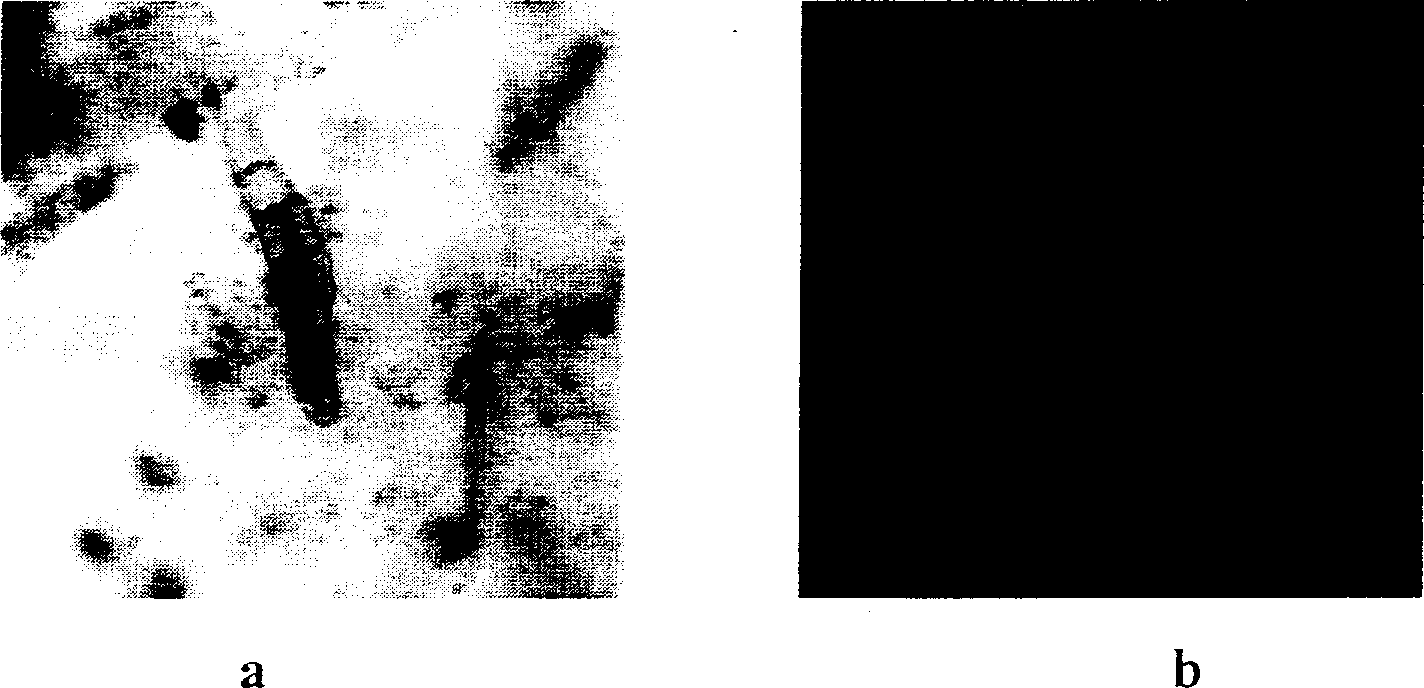
Figure 1 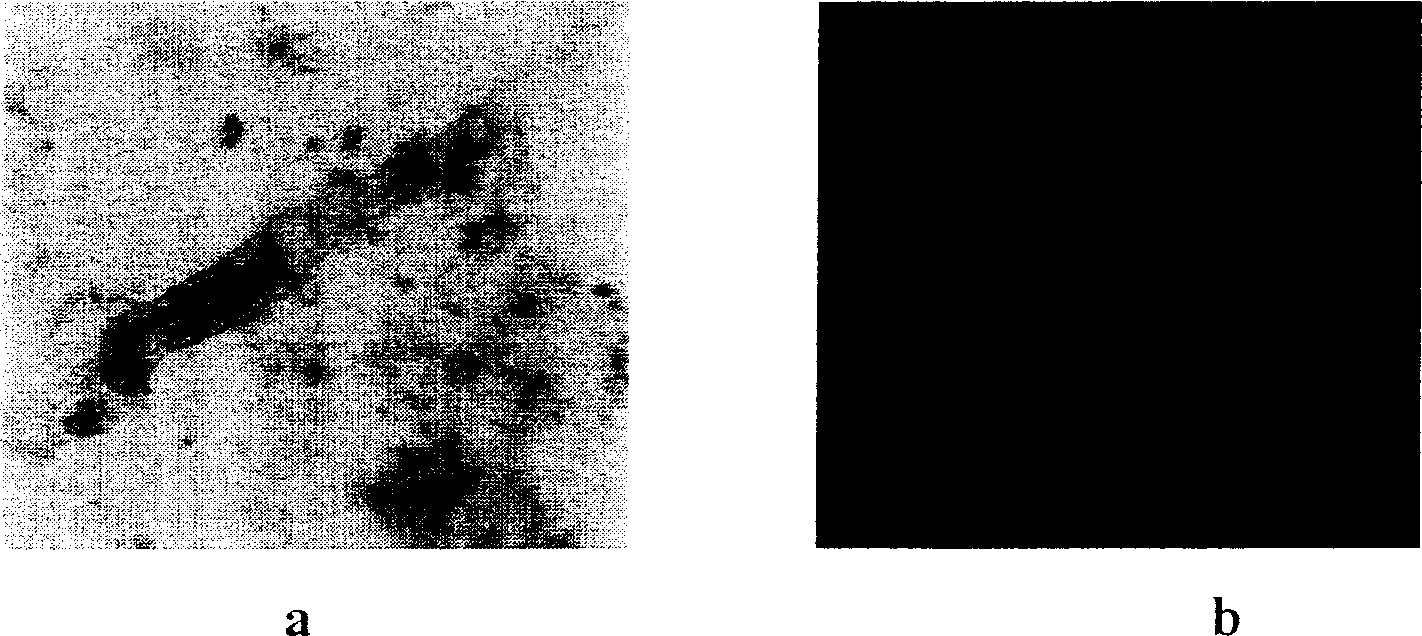
Figure 2 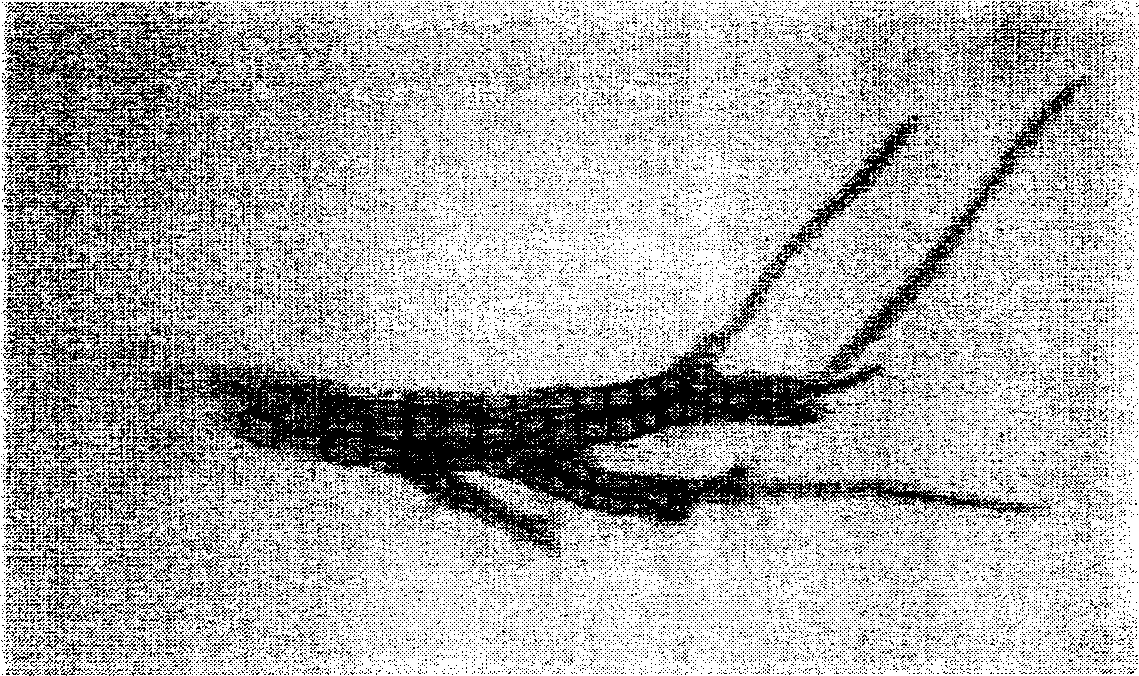
Figure 3
Abstract
Description
technical field
[0001] The invention relates to a method for enzymatically separating and purifying protoplasts and regenerating plants, and relates to the technology of enzymatic separation of vegetative cells of asparagus asparagus, in particular to the method for separating and purifying protoplasts of asparagus asparagus and regenerating plants. Background technique
[0002] Protoplasts are bare cells that have had their cell walls removed. Since protoplasts have no cell walls, they can be processed under artificial control in many ways, such as cell fusion, cell hybridization, gene control, genetic transformation, etc., and, for economic species , Plant regeneration from protoplasts is also an economical and reasonable source of seedlings.
[0003] In 1960, Cocking used enzymatic method to isolate active protoplasts for the first time. In 1971, Takebe et al. isolated protoplasts from tobacco leaves for the first time, and obtained regenerated plants through cultivation....
Examples
Embodiment 1
[0029]The materials come from Fujian cultured species, all of which are sporophyte vegetative branches. Take 1.5g of algae, wash them twice with filtered seawater, then wipe them twice with absorbent cotton dipped in sterilized seawater, then quickly wipe the algae with absorbent cotton dipped in 70% alcohol, and finally use Rinse with seawater for 3-5 times. Use sterilized scissors to cut it into a length of about 0.2mm, put it into a 50ml centrifuge tube, add sterilized seawater to 40ml, centrifuge at 9000×g for 5min, discard the upper layer of seawater, repeat washing twice, add 2ml of enzyme solution, and place in the dark. Enzymolysis for 5 hours, then use a dropper to absorb the enzyme solution, use sterilized seawater (to sterilize seawater is to precipitate seawater, sand filter, pump oxygen, then filter with absorbent cotton, boil at 100°C for more than two minutes, and let it cool naturally ) to remove residual enzyme solution, centrifuge at 500×g for 10 min, repeat ...
Embodiment 2
[0031] The previous steps are the same as in Example 1. The difference from Example 1 is that 1ml of enzyme solution is added to the enzymolysis process, and then 1ml of sterilized seawater is added for enzymolysis for 9 hours. The 350-mesh sieve is kneaded and filtered to collect, and then the kneaded algae Then add the protoplasts to the enzymatic hydrolysis solution sucked out before, and then collect the protoplasts by the above method after 5 hours of enzymatic hydrolysis, and then repeat, and then collect the protoplasts after 3 hours of enzymatic hydrolysis, so that the cells inward from the cut are gradually Layer enzymolysis and collection, improve the yield of protoplasts.
Embodiment 3
[0033] The material comes from a cultured variety in Lianyungang, which is the vegetative branch of the sporophyte. Take 3g of the algae, wash it twice with filtered seawater, wipe it twice with absorbent cotton dipped in sterilized seawater, and then quickly wipe the algae with absorbent cotton dipped in 70% alcohol, and finally use a disinfectant Rinse with sea water 3-5 times. Use sterilized scissors to cut it into a length of about 0.2mm, put it into a 50ml centrifuge tube, add sterilized seawater to 40ml, centrifuge at 9000×g for 5min, discard the upper layer of seawater, repeat washing twice, add 2ml of enzyme solution, and sterilize the seawater 2ml, enzymatically hydrolyze for 9 hours in the dark, then absorb the enzyme solution with a dropper, wash with sterilized seawater to remove residual enzyme solution, centrifuge at 500×g for 10min, repeat 3 times, then use a sterilized 350-mesh sieve to knead and filter to collect protoplast. The collected protoplast suspensio...