
Devices and methods for pain management
a technology for pain management and devices, applied in the direction of biocide, heterocyclic compound active ingredients, drug compositions, etc., can solve the problems of opiate tolerance, dependence, and dependence, and achieve the effects of adequate pain relief, effective pain management, and improved adverse side effects
Patent Information
- Authority / Receiving Office
- US · United States
- Patent Type
- Applications(United States)
- Current Assignee / Owner
- Publication Date
- 2008-07-03
- Estimated Expiration
- Not applicable · inactive patent
Smart Images
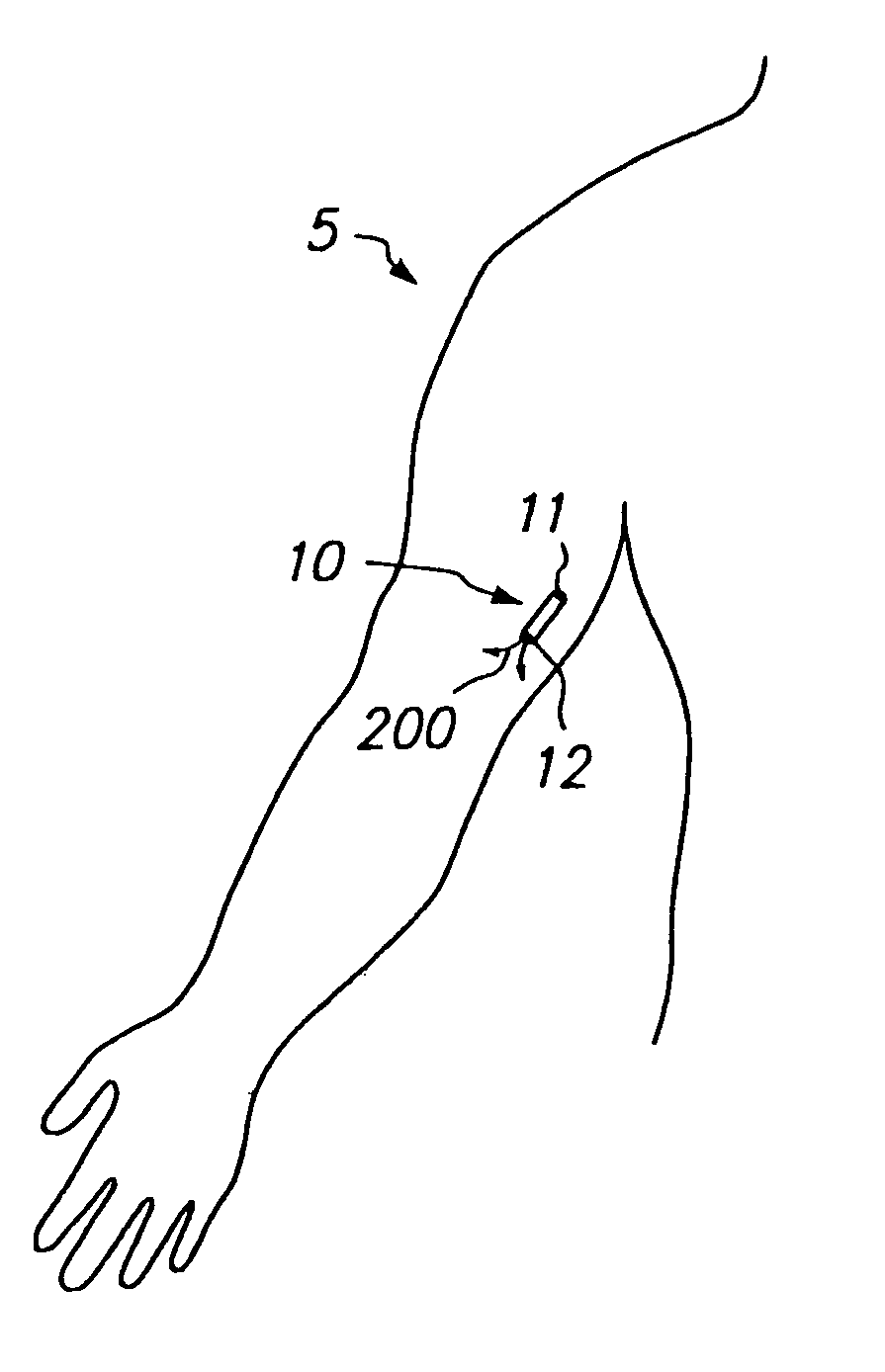
Figure 1 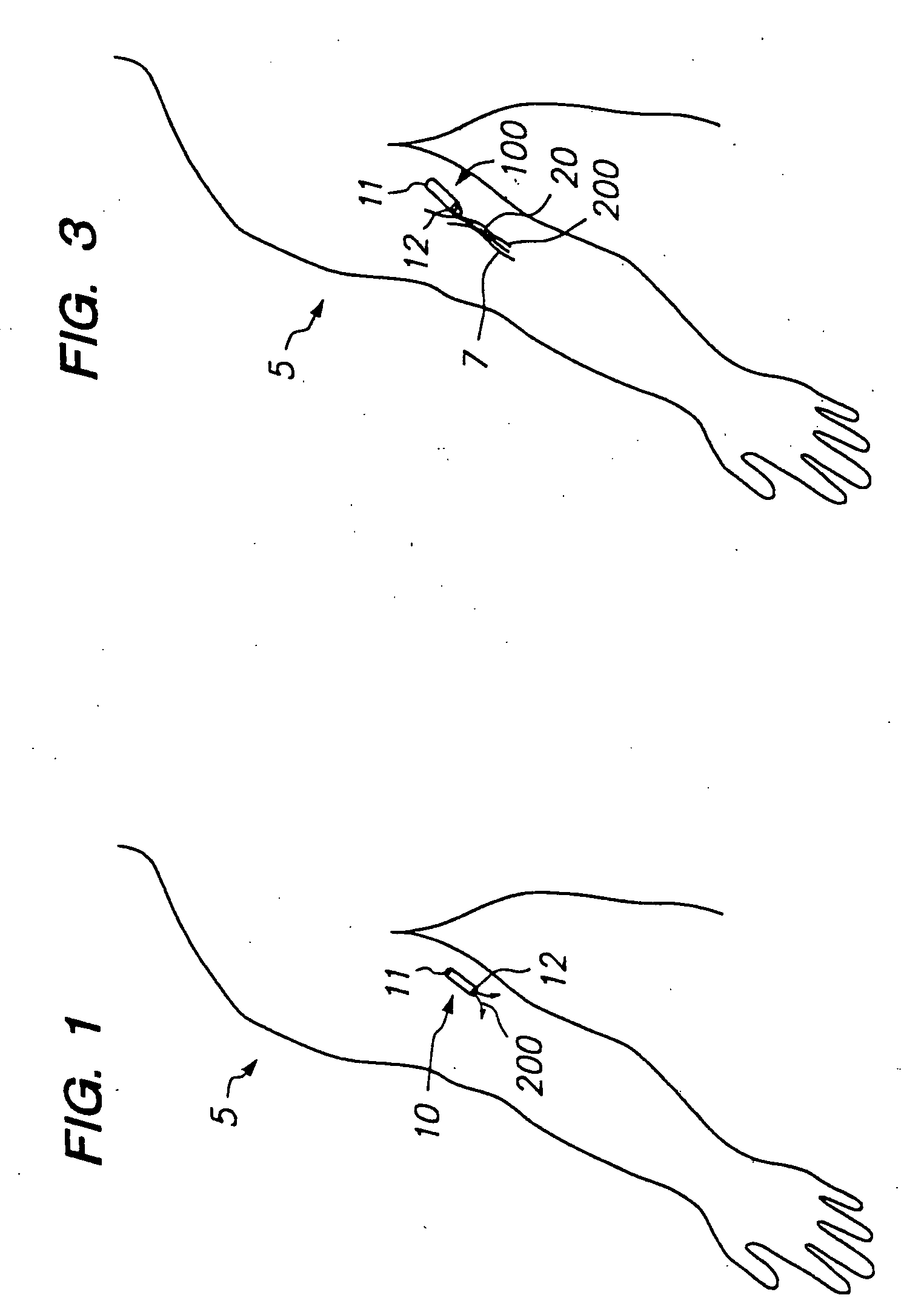
Figure 2 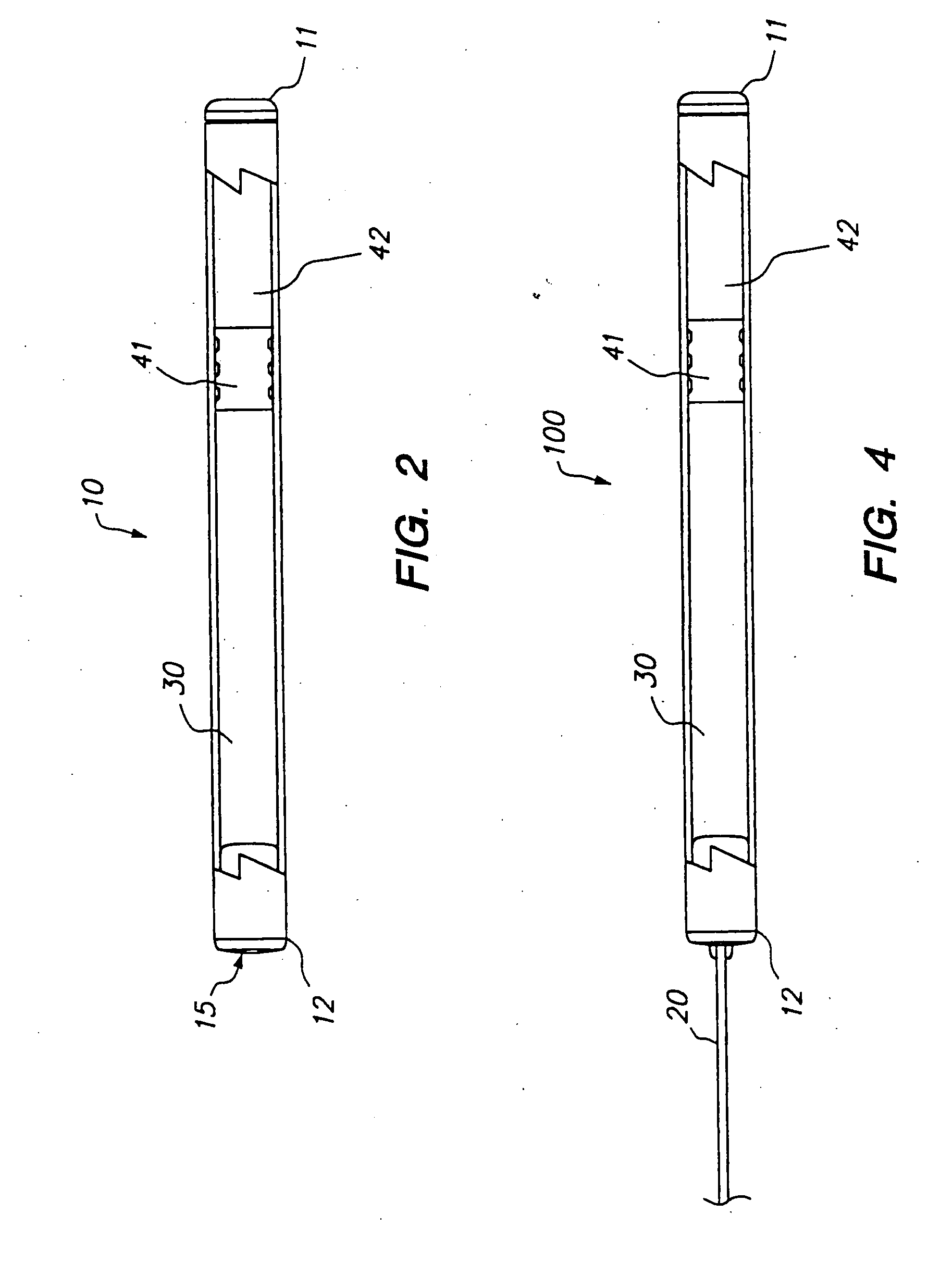
Figure 3
Abstract
Description
[0001] This application is a continuation of co-pending U.S. application Ser. No. 10 / 719,007, filed on Nov. 20, 2003, incorporated herein by reference.FIELD OF THE INVENTION
[0002] The invention relates to devices and methods for the management of pain.BACKGROUND OF THE INVENTION
[0003] Many medications are used for the treatment of pain, ranging from well known, over-the-counter compounds such as aspirin, acetominophen, ibuprofen and other non-steroidal anti-inflammatory compounds to the newly developed chemical entities such as the cyclooxygenase II inhibitor compounds. Opiates in various forms, including opium, heroine and morphine which derive from the opium poppy, have very powerful analgesic properties. Opiates have been widely used for anesthesia as well for the treatment of pain, especially where the pain is very severe. In addition to these natural opiates, many synthetic opioids have since been synthesized including methadone, fentanyl and congeners of fentanyl such as sufentan...
Examples
example 1
Treatment Regimen for Subcutaneous Delivery of Fentanyl or Fentanyl Congener Via DUROS™ Pump:
[0110]1. Evaluation of Patient.
[0111]The physician first examines the potential patient and evaluates the patient's history to determine if the patient has pain that amenable to treatment by opioids and can safely tolerate such treatment.
[0112]2. Selection of Appropriate Dose.
[0113]If the physician decides to proceed with treatment in accordance with this invention, the physician determines the appropriate dose of drug (e.g., sufentanil) to be administered to the patient. This determination can be performed in a variety of ways. If the patient is already using certain medication to control pain (e.g., oral morphine or the fentanyl transdermal patch), the physician can attempt to correlate the dose of medication previously used by the patient to an appropriate dose of the selected drug (e.g., fentanyl or fentanyl congener such as sufentanil) when infused subcutaneously. This correlation can b...
example 2
DUROS™ Pump Useful for Delivery of Sufentanil
[0119]The following is a description of exemplary drug loading parameters of a DUROS™ osmotic pump used for the delivery of sufentanil. The parameters are based on a nominal fill volume of the pump of 155 μl, with a nominal volumetric delivery rate of 1.4 μl / day for a nominal duration of 110 days (to ensure that a target delivery period of 90 days is achieved). An exemplary DUROS™ pump useful in this protocol is illustrated in FIG. 2, and is approximately 3.76 mm in diameter and 44.21 mm in length.
TABLE 1Loading ParametersmgDoseDosedeliveredNominalNominalDUROS ™wt / vol %raterateμg deliveredover 110RateRateResidenceformulationμg / hrμg / dayover 110 daysdaysμl / dayμl / hrVolumeload2.56066006.61.40.0581554.2851201080010.81.40.0581558.577.51801620016.21.40.05815512.6102402160021.61.40.05815517.1204604320043.21.40.05815534.3
These parameters thus dictate the amount of drug to be included in the formulation of the pump in order to provide for delivery ...
example 3
Formulations Comprising Sufentanil in Benzyl Alcohol
[0120]397 mg / mL Formulation
[0121]3.97 g of sufentanil base were weighed out and added to a portion of benzyl alcohol. The drug was dissolved in the benzyl alcohol by stirring with a magnetic stirrer. When the resultant preparation was clear, additional benzyl alcohol was added to obtain 10 mL of formulation. The resultant formulation concentration was 397 mg / mL.
[0122]310 mg / mL Formulation
[0123]3.1 g of sufentanil base were weighed out and added to a portion of benzyl alcohol. The drug was dissolved in the benzyl alcohol by stirring with a magnetic stirrer. When the resultant preparation was clear, additional benzyl alcohol was added to obtain 10 mL of formulation. The resultant formulation concentration was 310 mg / mL.