
Simple preparation of trifluoromethionine and derivatives thereof
a trifluoromethionine and derivative technology, applied in the preparation of organic compounds, amino-carboxyl compounds, organic chemistry, etc., can solve the problems of low killing effect of cysts, ineffective group treatment of cyst carriers, and severe symptoms
Patent Information
- Authority / Receiving Office
- US · United States
- Current Assignee / Owner
- Publication Date
- 2011-01-20
- Estimated Expiration
- Not applicable · inactive patent
Smart Images
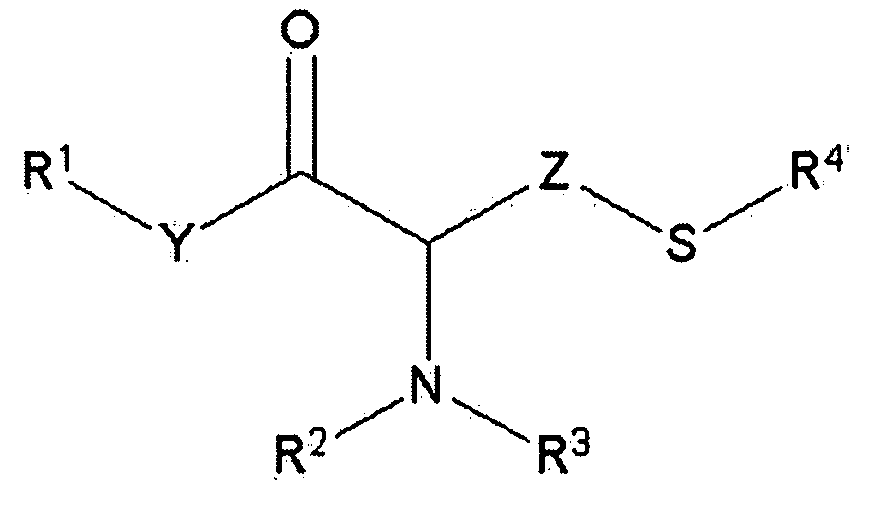
Figure 1 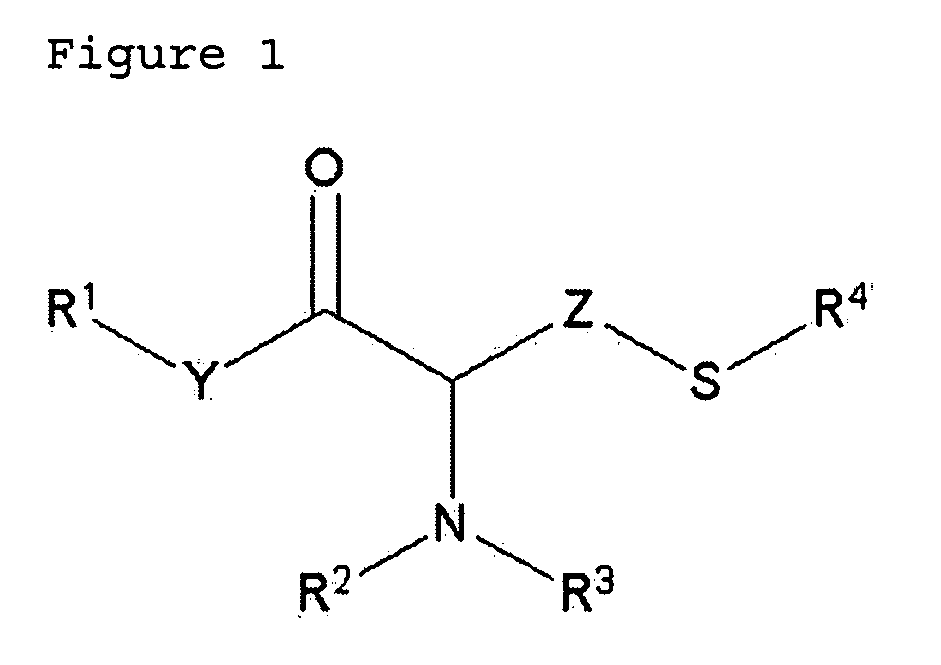
Figure 2 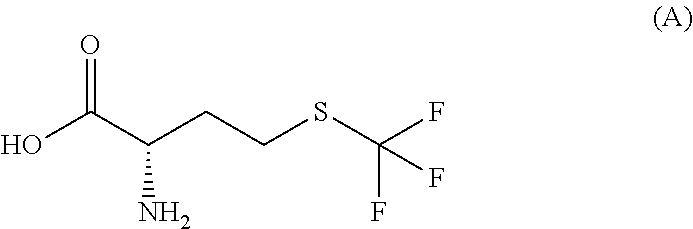
Figure 3
Abstract
Description
TECHNICAL FIELD
[0001] The present invention relates to a process for the simple preparation of trifluoromethionine, its analogs trifluoromethylcysteine, fluoroalkylhomocysteines, and fluoroalkylcysteines, and derivatives of them. These compounds are usable as drug-candidate compounds or as raw materials for drug-candidate compounds.BACKGROUND ART
[0002] There are annually forty-eight million patients suffering from entamebiasis around the world, in particular, in tropical developing countries, and the estimated number of deaths per year is about seventy thousand. In Japan, entamebiasis is designated as a category 5 infectious disease, and more than 700 cases have been reported annually.
[0003] Overview of entamebiasis: Entamoeba histolytica is an anaerobic or microaerophilic protozoan that is parasitic in the large intestinal tract. Infection to human is caused by ingesting a food or water contaminated with cysts. Excystation of the cysts occurs in the small intestine, and the cysts beco...
Examples
first embodiment
[0042]
[0043]In a 500-ml three-necked flask equipped with a liquid-ammonia cooling device, a glass stirring bar, a thermometer, and a septum rubber cap was placed 10.0 g (37.3 mmol) of L-homocystine, followed by thorough purging of the flask with nitrogen. After cooling the flask to —78° C., ammonia which had been dried by passing through a KOH tube was liquefied in the liquid-ammonia cooling device cooled on a dry ice-acetone bath, and the liquid ammonia was added in a volume of about 100 ml to L-homocystine, followed by stirring. Next, 3.58 g (156 mmol) of metallic sodium was gradually added while avoiding rise of the temperature of the mixture above −35° C. The solution (mixture) became dark blue in this step. Next, 18.2 g (93.3 mmol) of trifluoromethyl iodide weighed using a balloon was added, the mixture was stirred on a bath at −78° C. for 20 minutes, from which ammonia was gradually evaporated, the residue was dissolved in ultrapure water, and the solution was placed on an ion...
second embodiment
[0046]
[0047]In a 200-ml three-necked flask equipped with a liquid-ammonia cooling device, a glass stirring bar, a thermometer, and a septum rubber cap was placed 1.00 g (3.73 mmol) of L-homocystine, followed by thorough purging of the flask with nitrogen. After cooling the flask to −78° C., ammonia which had been dried by passing through a KOH tube was liquefied in the liquid-ammonia cooling device cooled on a dry ice-acetone bath, and the liquid ammonia was added in a volume of about 50 ml to L-homocystine, followed by stirring. Next, 358 mg (15.6 mmol) of metallic sodium was gradually added while avoiding rise of the temperature of the mixture above −35° C. The solution (mixture) became dark blue in this step. Next, 2.29 g (9.33 mmol) of pentafluoroethyl iodide weighed using a balloon was added, the mixture was stirred on a bath at −78° C. for 20 minutes, from which ammonia was gradually evaporated, the resulting residue was dissolved in ultrapure water to give a solution, the sol...
third embodiment
[0050]
[0051]In a 200-ml three-necked flask equipped with a liquid-ammonia cooling device, a glass stirring bar, a thermometer, and a septum rubber cap was placed 0.961 g (4.00 mmol) of L-cystine, followed by thorough purging of the flask with nitrogen. After cooling the flask to −78° C., ammonia which had been dried by passing through a KOH tube was liquefied in the liquid-ammonia cooling device cooled on a dry ice-acetone bath, and the liquid ammonia was added in a volume of about 30 ml to L-cystine, followed by stirring. Next, 385 mg (16.8 mmol) of metallic sodium was gradually added while avoiding rise of the temperature of the mixture above −35° C. The solution (mixture) became dark blue in this step. Next, 1.96 g (10.0 mmol) of trifluoromethyl iodide weighed using a balloon was added, the mixture was stirred on a bath at −78° C. for 20 minutes, from which ammonia was gradually evaporated, the residue was dissolved in ultrapure water to give a solution, and the solution was plac...