
Antisense antibacterial cell division composition and method
a technology composition, applied in the field of antibacterial cell division composition and composition, can solve the problems of poor uptake of antibacterial agents, lack of current research efforts to find new types of antibiotics, and marginal success of approaches
Patent Information
- Authority / Receiving Office
- US · United States
- Patent Type
- Patents(United States)
- Current Assignee / Owner
- Publication Date
- 2006-05-23
- Estimated Expiration
- Not applicable · inactive patent
Smart Images
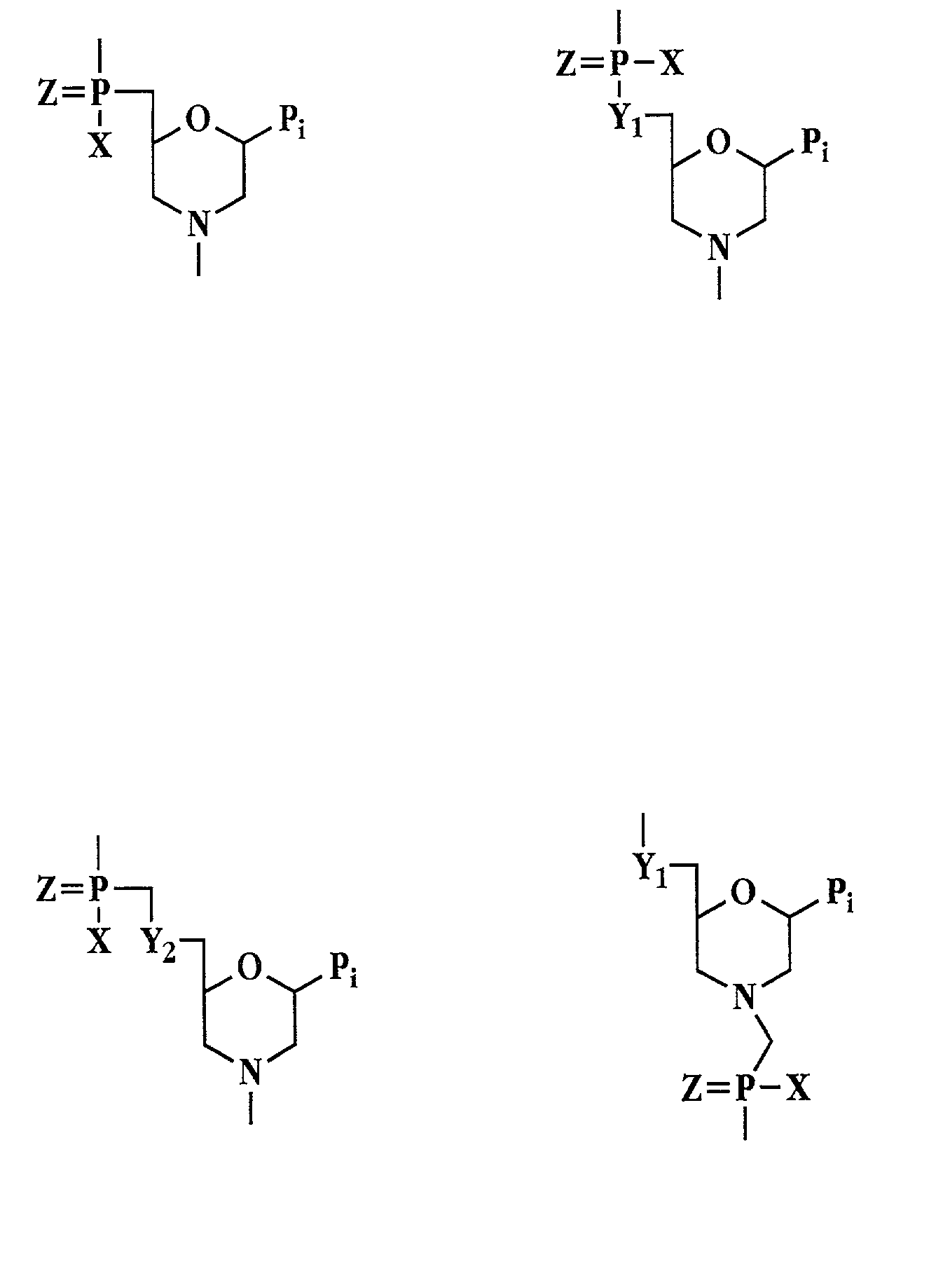
Figure 1 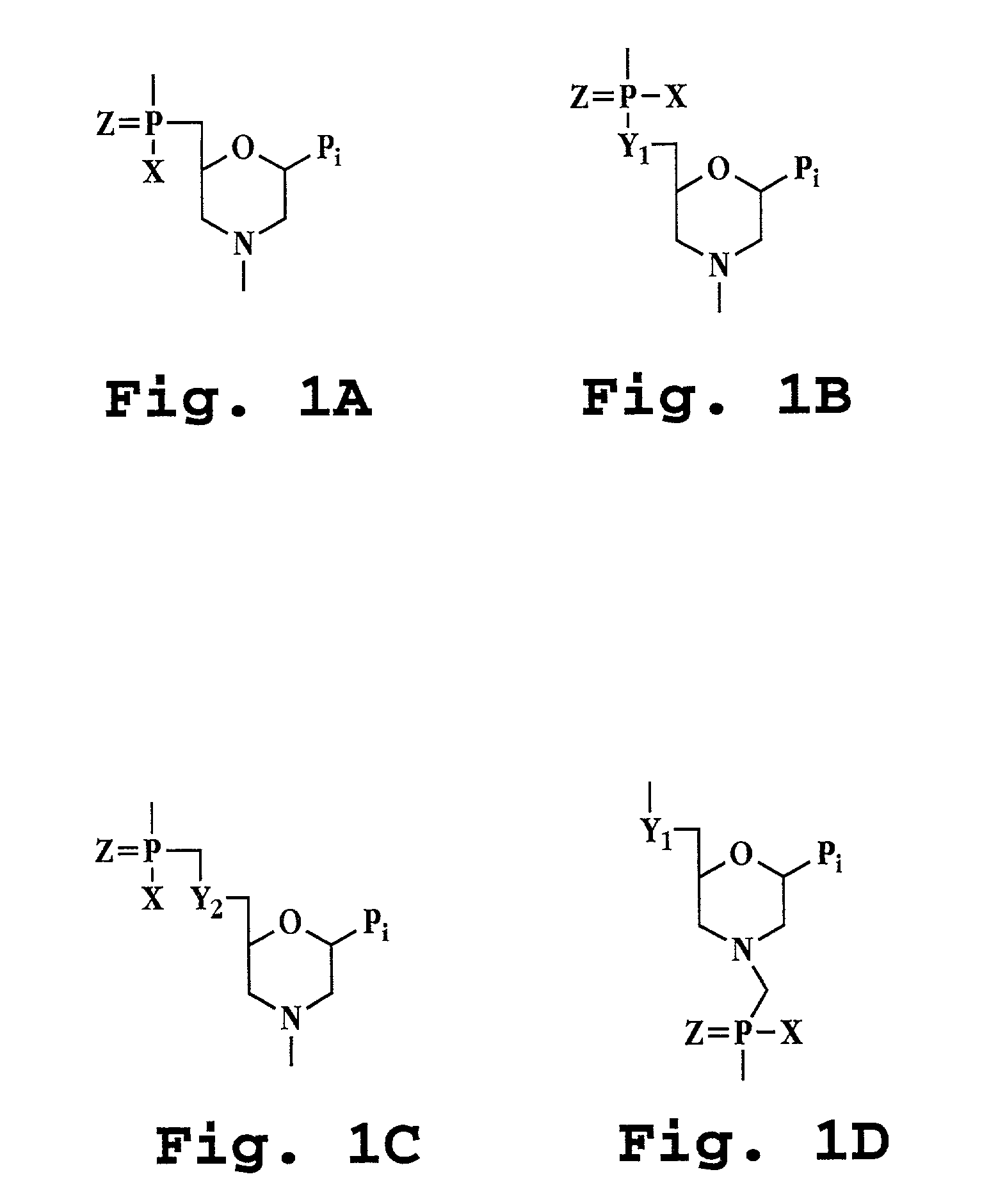
Figure 2 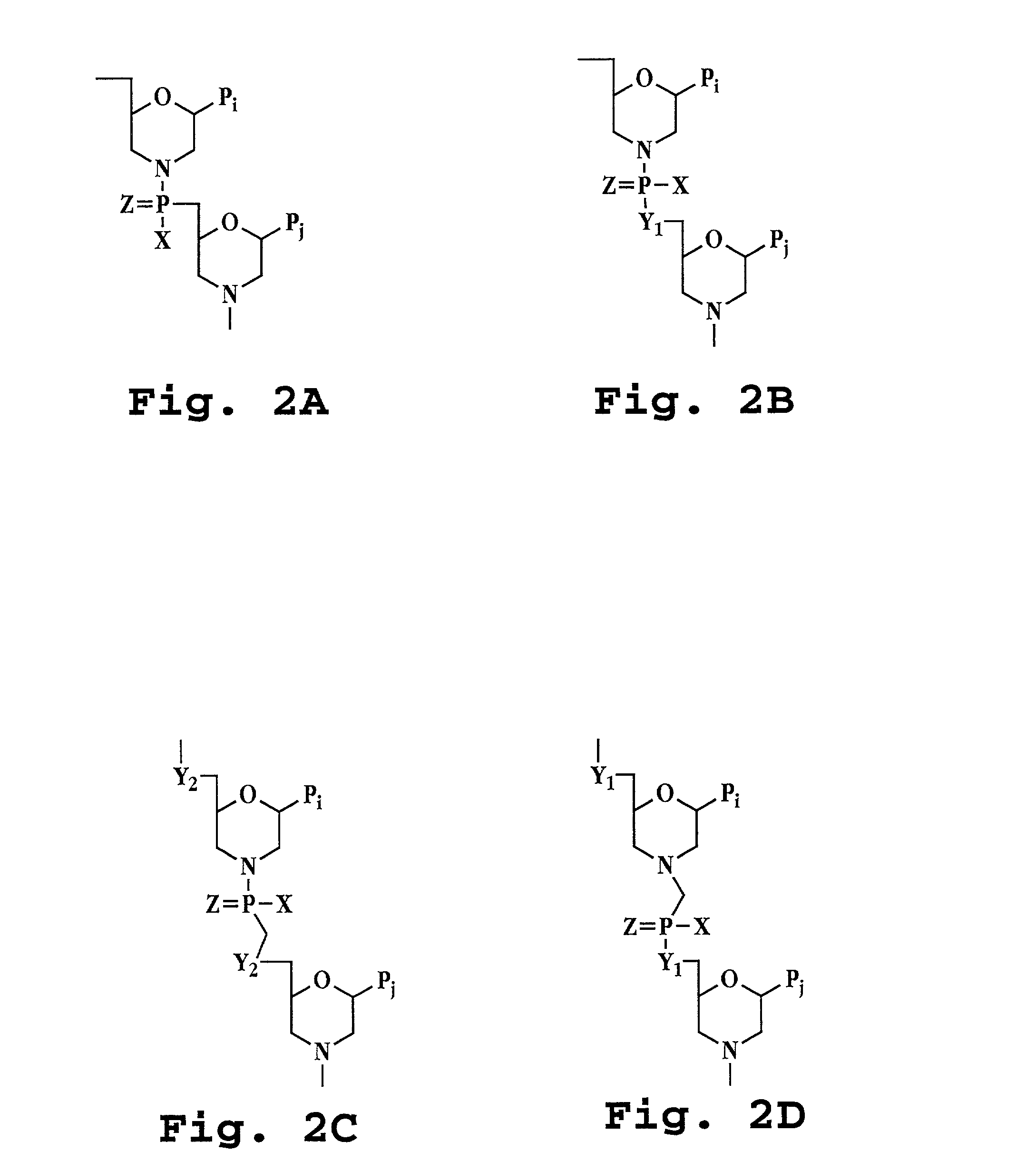
Figure 3
Abstract
Description
[0001] This application claims priority to U.S. provisional application Ser. No. 60 / 174,484, filed Jan. 4, 2000, which is hereby incorporated by reference in its entirety.FIELD OF THE INVENTION
[0002] The present invention relates to oligonucleotide compositions antisense to bacterial nucleic acids involved in cell division and the cell cycle, and to methods for use of such compositions in the treatment of bacterial infection in a mammal.REFERENCES
[0003] Agrawal, S. et al., Proc. Natl. Acad. Sci. USA 87(4):1401–5 (1990).
[0004] Bonham, M. A. et al., Nucleic Acids Res. 23(7):1197–1203 (1995).
[0005] Boudvillain, M. et al., Biochemistry 36(10):2925–31 (1997).
[0006] Cross, C. W. et al., Biochemistry 36(14):4096–107 (Apr. 8, 1997).
[0007] Dagle, J. M. et al., Nucleic Acids Research 28(10):2153–7 (May 15, 2000).
[0008] Ding, D. et al., Nucleic Acids Research 24(2):354–60 (Jan. 15, 1996).
[0009] Felgner et al., Proc. Nat. Acad. Sci. USA 84:7413 (1987).
[0010] Gait, M. J.; Jones, A. S. and Walker, R. T., J...
Examples
Embodiment Construction
I. Definitions
[0049]The terms below, as used herein, have the following meanings, unless indicated otherwise:
[0050]The term “cell cycle” refers to the regular sequence of events of cell growth and division through which dividing cells pass.
[0051]The term “polynucleotide” refers to a polymeric molecule having a backbone which supports bases capable of hydrogen bonding to typical polynucleotides, where the polymer backbone presents the bases in a manner to permit such hydrogen bonding in a sequence specific fashion between the polymeric molecule and a typical polynucleotide (e.g., single-stranded RNA, double-stranded RNA, single-stranded DNA or double-stranded DNA). “Polynucleotides” include polymers with nucleotides which are an N- or C-glycoside of a purine or pyrimidine base, and polymers containing non-standard nucleotide backbones, for example, backbones formed using phosphorodiamidate morpholino chemistry, polyamide linkages (e.g., peptide nucleic acids or PNAs) and other synthe...