2JZ Engine Cooling System Innovations for Reliability
AUG 5, 20259 MIN READ
Generate Your Research Report Instantly with AI Agent
PatSnap Eureka helps you evaluate technical feasibility & market potential.
2JZ Engine Cooling Background and Objectives
The 2JZ engine, renowned for its robustness and performance, has been a cornerstone in automotive engineering since its introduction in the early 1990s. This inline-six engine, developed by Toyota, gained legendary status for its reliability and potential for high-power output. The cooling system of the 2JZ engine plays a crucial role in maintaining its performance and longevity, making it a prime target for innovation and improvement.
The evolution of the 2JZ engine cooling system reflects broader trends in automotive thermal management. Initially designed with conventional radiator and water pump configurations, the system has seen incremental improvements over the years. These enhancements have aimed to address the increasing demands placed on engine cooling systems, particularly in high-performance applications where the 2JZ engine is often pushed to its limits.
As automotive technology progressed, so did the expectations for engine efficiency and reliability. This led to a growing focus on advanced cooling solutions that could maintain optimal operating temperatures under extreme conditions. The 2JZ engine, with its reputation for durability, became a testbed for innovative cooling technologies aimed at further enhancing its reliability and performance potential.
The objectives of cooling system innovations for the 2JZ engine are multifaceted. Primarily, they seek to improve heat dissipation efficiency, ensuring consistent performance even under high-stress conditions. This is particularly crucial for modified 2JZ engines, which often produce significantly more heat than their stock counterparts. Additionally, innovations aim to reduce the overall weight of the cooling system, contributing to better power-to-weight ratios and fuel efficiency.
Another key objective is to enhance the system's ability to maintain uniform cylinder temperatures across the engine block. This is essential for preventing localized hot spots that can lead to premature wear or failure. Innovations in this area often focus on optimizing coolant flow patterns and improving the distribution of cooling capacity across critical engine components.
Reliability remains at the forefront of cooling system innovation goals. This includes developing more durable components that can withstand the rigors of high-performance use, as well as implementing advanced monitoring and control systems to prevent overheating incidents. The ultimate aim is to create a cooling system that can adapt to varying operating conditions, ensuring optimal engine performance and longevity across a wide range of applications.
The evolution of the 2JZ engine cooling system reflects broader trends in automotive thermal management. Initially designed with conventional radiator and water pump configurations, the system has seen incremental improvements over the years. These enhancements have aimed to address the increasing demands placed on engine cooling systems, particularly in high-performance applications where the 2JZ engine is often pushed to its limits.
As automotive technology progressed, so did the expectations for engine efficiency and reliability. This led to a growing focus on advanced cooling solutions that could maintain optimal operating temperatures under extreme conditions. The 2JZ engine, with its reputation for durability, became a testbed for innovative cooling technologies aimed at further enhancing its reliability and performance potential.
The objectives of cooling system innovations for the 2JZ engine are multifaceted. Primarily, they seek to improve heat dissipation efficiency, ensuring consistent performance even under high-stress conditions. This is particularly crucial for modified 2JZ engines, which often produce significantly more heat than their stock counterparts. Additionally, innovations aim to reduce the overall weight of the cooling system, contributing to better power-to-weight ratios and fuel efficiency.
Another key objective is to enhance the system's ability to maintain uniform cylinder temperatures across the engine block. This is essential for preventing localized hot spots that can lead to premature wear or failure. Innovations in this area often focus on optimizing coolant flow patterns and improving the distribution of cooling capacity across critical engine components.
Reliability remains at the forefront of cooling system innovation goals. This includes developing more durable components that can withstand the rigors of high-performance use, as well as implementing advanced monitoring and control systems to prevent overheating incidents. The ultimate aim is to create a cooling system that can adapt to varying operating conditions, ensuring optimal engine performance and longevity across a wide range of applications.
Market Analysis for High-Performance Engine Cooling
The high-performance engine cooling market has experienced significant growth in recent years, driven by the increasing demand for more powerful and efficient engines across various sectors. This market segment caters to automotive enthusiasts, racing teams, and manufacturers seeking advanced cooling solutions to enhance engine performance and reliability.
The global high-performance engine cooling market is projected to reach a substantial value by 2025, with a compound annual growth rate (CAGR) exceeding 5% during the forecast period. This growth is attributed to several factors, including the rising popularity of motorsports, the expansion of the automotive aftermarket industry, and the continuous development of high-performance vehicles by major manufacturers.
In the context of the 2JZ engine, which has gained legendary status among automotive enthusiasts, the demand for innovative cooling solutions remains strong. Despite being an older engine design, the 2JZ continues to be popular in various motorsports and high-performance applications due to its robust construction and tuning potential. This sustained interest has created a niche market for specialized cooling systems designed to enhance the 2JZ's reliability and performance under extreme conditions.
The automotive aftermarket sector plays a crucial role in driving the high-performance engine cooling market. Enthusiasts and tuners often seek upgraded cooling components to support increased power output and extended engine life. This has led to a proliferation of aftermarket manufacturers offering advanced radiators, oil coolers, and water pumps specifically designed for high-performance applications.
Racing and motorsports continue to be significant drivers of innovation in engine cooling technology. The extreme conditions encountered in competitive racing push cooling systems to their limits, necessitating continuous improvements in materials, design, and efficiency. Advancements developed for racing applications often trickle down to street-legal high-performance vehicles, further expanding the market.
Environmental regulations and the push for improved fuel efficiency have also influenced the high-performance engine cooling market. Manufacturers are increasingly focusing on developing cooling solutions that not only enhance performance but also contribute to reduced emissions and improved overall engine efficiency. This trend has led to the adoption of advanced materials and designs that optimize heat dissipation while minimizing weight and power consumption.
The market for high-performance engine cooling systems is characterized by intense competition among established players and innovative startups. Key market participants include well-known brands in the automotive aftermarket sector, as well as specialized cooling system manufacturers. These companies continuously invest in research and development to introduce new products and technologies that address the evolving needs of high-performance engine applications.
The global high-performance engine cooling market is projected to reach a substantial value by 2025, with a compound annual growth rate (CAGR) exceeding 5% during the forecast period. This growth is attributed to several factors, including the rising popularity of motorsports, the expansion of the automotive aftermarket industry, and the continuous development of high-performance vehicles by major manufacturers.
In the context of the 2JZ engine, which has gained legendary status among automotive enthusiasts, the demand for innovative cooling solutions remains strong. Despite being an older engine design, the 2JZ continues to be popular in various motorsports and high-performance applications due to its robust construction and tuning potential. This sustained interest has created a niche market for specialized cooling systems designed to enhance the 2JZ's reliability and performance under extreme conditions.
The automotive aftermarket sector plays a crucial role in driving the high-performance engine cooling market. Enthusiasts and tuners often seek upgraded cooling components to support increased power output and extended engine life. This has led to a proliferation of aftermarket manufacturers offering advanced radiators, oil coolers, and water pumps specifically designed for high-performance applications.
Racing and motorsports continue to be significant drivers of innovation in engine cooling technology. The extreme conditions encountered in competitive racing push cooling systems to their limits, necessitating continuous improvements in materials, design, and efficiency. Advancements developed for racing applications often trickle down to street-legal high-performance vehicles, further expanding the market.
Environmental regulations and the push for improved fuel efficiency have also influenced the high-performance engine cooling market. Manufacturers are increasingly focusing on developing cooling solutions that not only enhance performance but also contribute to reduced emissions and improved overall engine efficiency. This trend has led to the adoption of advanced materials and designs that optimize heat dissipation while minimizing weight and power consumption.
The market for high-performance engine cooling systems is characterized by intense competition among established players and innovative startups. Key market participants include well-known brands in the automotive aftermarket sector, as well as specialized cooling system manufacturers. These companies continuously invest in research and development to introduce new products and technologies that address the evolving needs of high-performance engine applications.
Current Challenges in 2JZ Engine Cooling Systems
The 2JZ engine, renowned for its robustness and performance, faces several challenges in its cooling system that impact its overall reliability. One of the primary issues is the tendency for coolant leaks, particularly at the water pump and thermostat housing. These leaks can lead to coolant loss, potentially causing overheating and engine damage if not addressed promptly.
Another significant challenge is the formation of air pockets within the cooling system. The complex design of the 2JZ engine's coolant passages can trap air, leading to uneven cooling and hot spots. This issue is particularly problematic during initial fill-ups or after maintenance, requiring careful bleeding procedures to ensure proper coolant circulation.
The stock radiator in many 2JZ-equipped vehicles often proves inadequate for high-performance applications or extended periods of heavy use. This limitation can result in elevated operating temperatures, especially in modified engines producing higher power outputs. The increased thermal load can strain other components of the cooling system, such as hoses and gaskets, leading to premature wear and potential failures.
Electrolysis is another concern in the 2JZ cooling system. The interaction between different metals in the presence of coolant can lead to galvanic corrosion, weakening components over time. This issue is exacerbated by the use of improper coolant mixtures or neglecting regular coolant changes, which can accelerate the corrosion process.
The 2JZ engine's head gasket is another potential weak point in the cooling system. While generally robust, extreme operating conditions or improper maintenance can lead to head gasket failure, resulting in coolant leaks into the combustion chambers or oil passages. This not only compromises cooling efficiency but can also cause severe engine damage if left unaddressed.
Temperature management under varying load conditions presents another challenge. The stock thermostat and cooling fan setup may struggle to maintain optimal operating temperatures across the wide range of conditions experienced in high-performance or racing applications. This can lead to inconsistent engine performance and potential reliability issues.
Lastly, the integration of aftermarket modifications, such as turbochargers or superchargers, can significantly increase the cooling demands on the 2JZ engine. The stock cooling system may be inadequate to handle the additional heat generated by forced induction, necessitating comprehensive upgrades to maintain reliability and performance under these enhanced conditions.
Another significant challenge is the formation of air pockets within the cooling system. The complex design of the 2JZ engine's coolant passages can trap air, leading to uneven cooling and hot spots. This issue is particularly problematic during initial fill-ups or after maintenance, requiring careful bleeding procedures to ensure proper coolant circulation.
The stock radiator in many 2JZ-equipped vehicles often proves inadequate for high-performance applications or extended periods of heavy use. This limitation can result in elevated operating temperatures, especially in modified engines producing higher power outputs. The increased thermal load can strain other components of the cooling system, such as hoses and gaskets, leading to premature wear and potential failures.
Electrolysis is another concern in the 2JZ cooling system. The interaction between different metals in the presence of coolant can lead to galvanic corrosion, weakening components over time. This issue is exacerbated by the use of improper coolant mixtures or neglecting regular coolant changes, which can accelerate the corrosion process.
The 2JZ engine's head gasket is another potential weak point in the cooling system. While generally robust, extreme operating conditions or improper maintenance can lead to head gasket failure, resulting in coolant leaks into the combustion chambers or oil passages. This not only compromises cooling efficiency but can also cause severe engine damage if left unaddressed.
Temperature management under varying load conditions presents another challenge. The stock thermostat and cooling fan setup may struggle to maintain optimal operating temperatures across the wide range of conditions experienced in high-performance or racing applications. This can lead to inconsistent engine performance and potential reliability issues.
Lastly, the integration of aftermarket modifications, such as turbochargers or superchargers, can significantly increase the cooling demands on the 2JZ engine. The stock cooling system may be inadequate to handle the additional heat generated by forced induction, necessitating comprehensive upgrades to maintain reliability and performance under these enhanced conditions.
Existing 2JZ Cooling System Solutions
01 Improved cooling system design
Enhanced cooling system designs for the 2JZ engine focus on optimizing coolant flow and heat dissipation. These improvements may include redesigned water jackets, advanced radiator configurations, and more efficient coolant pumps. Such enhancements contribute to better temperature regulation and increased overall reliability of the engine's cooling system.- Improved cooling system design: Enhanced cooling system designs for the 2JZ engine focus on optimizing coolant flow and heat dissipation. These improvements may include redesigned water jackets, advanced radiator configurations, and more efficient coolant pumps. Such enhancements contribute to better temperature regulation and increased overall reliability of the engine's cooling system.
- Electronic cooling control systems: Implementation of electronic control systems for managing the cooling process in 2JZ engines. These systems may include sensors for monitoring coolant temperature, engine load, and ambient conditions, allowing for precise control of coolant flow and fan operation. This results in improved cooling efficiency and better adaptation to various operating conditions.
- Advanced coolant formulations: Development of specialized coolant formulations tailored for the 2JZ engine's cooling system. These advanced coolants may offer improved heat transfer properties, corrosion protection, and longevity. The use of such coolants can enhance the overall reliability and efficiency of the cooling system, potentially extending its lifespan.
- Cooling system component upgrades: Enhancements to individual components of the 2JZ engine's cooling system, such as high-performance radiators, more durable water pumps, and improved thermostat designs. These upgrades aim to increase the system's overall reliability by addressing potential weak points and improving heat dissipation capabilities.
- Integrated cooling and lubrication systems: Development of integrated cooling and lubrication systems for the 2JZ engine, which can improve overall engine efficiency and reliability. This approach may involve shared fluid circuits or heat exchangers that allow for better temperature management of both coolant and oil, potentially reducing thermal stress on engine components.
02 Electronic cooling control systems
Implementation of electronic control systems for managing the cooling process in 2JZ engines. These systems may include sensors for monitoring coolant temperature, engine load, and ambient conditions, allowing for precise control of coolant flow and fan operation. This results in improved cooling efficiency and enhanced reliability under various operating conditions.Expand Specific Solutions03 Advanced coolant formulations
Development of specialized coolant formulations tailored for the 2JZ engine's cooling system. These advanced coolants may offer improved heat transfer properties, corrosion protection, and longevity compared to conventional coolants. The use of these formulations can contribute to better overall cooling system performance and reliability.Expand Specific Solutions04 Cooling system component upgrades
Enhancements to individual components within the 2JZ engine's cooling system, such as high-performance radiators, upgraded water pumps, and improved thermostat designs. These upgrades aim to increase the system's overall capacity and efficiency, leading to better heat management and improved reliability, especially in high-performance applications.Expand Specific Solutions05 Integrated cooling and lubrication systems
Development of integrated cooling and lubrication systems for the 2JZ engine, which combine aspects of both systems to improve overall engine efficiency and reliability. This approach may involve shared fluid pathways, heat exchangers, or coordinated control systems that optimize both cooling and lubrication functions simultaneously.Expand Specific Solutions
Key Players in Performance Engine Cooling Industry
The 2JZ Engine Cooling System Innovations for Reliability market is in a mature stage, with established players like Toyota, Hyundai, and Nissan leading the way. The market size is substantial, driven by the ongoing demand for high-performance engines in both automotive and industrial applications. Technologically, the field is advancing, with companies like Behr GmbH & Co. KG and AVL List GmbH pushing the boundaries of cooling system efficiency and reliability. Major automakers are investing heavily in R&D to improve their offerings, while specialized firms like BRP-Rotax are developing niche solutions. The competitive landscape is intense, with a mix of traditional automotive giants and specialized engineering firms vying for market share.
Behr GmbH & Co. KG
Technical Solution: Behr, now part of MAHLE Group, specializes in automotive thermal management systems and has developed innovations applicable to the 2JZ engine cooling system. They have introduced a modular cooling module concept that integrates the radiator, condenser, and fan shroud into a single unit, improving packaging efficiency and overall cooling performance[10]. Behr has also developed advanced heat exchanger designs using innovative materials like aluminum and polymer composites, which offer improved heat transfer rates and reduced weight[11]. Furthermore, they have created intelligent fan control systems that optimize airflow based on real-time thermal demands, enhancing cooling efficiency and reducing power consumption[12].
Strengths: Improved packaging efficiency, enhanced heat transfer, optimized airflow management. Weaknesses: Potential challenges in adapting to 2JZ's specific architecture, higher initial costs.
Nissan Motor Co., Ltd.
Technical Solution: Nissan, while not the original manufacturer of the 2JZ, has developed cooling system innovations that could be applied to enhance the 2JZ's reliability. They have introduced a Variable Displacement Oil Pump (VDOP) system that adjusts oil flow based on engine load and speed, reducing parasitic losses and improving overall efficiency[4]. Nissan has also implemented advanced thermal management systems using microcontrollers to optimize coolant flow and temperature across different engine components[5]. Furthermore, they have developed a low-friction coating technology for engine components, which reduces heat generation and improves cooling efficiency[6].
Strengths: Improved efficiency, reduced heat generation, advanced thermal management. Weaknesses: Potential compatibility issues with 2JZ architecture, higher implementation costs.
Core Innovations in Engine Cooling Technologies
Engine cooling system having two cooling circuits
PatentInactiveCN101435361A
Innovation
- Adopting an engine cooling system with two cooling circuits, the first cooling circuit reduces the temperature of the cooling fluid of the engine cover and cylinder block through the first heat exchanger, and reduces the temperature of the charge air directed by the turbocharger through the first cooling unit, The second cooling circuit further reduces the temperature of the charge air guided by the first cooling unit, using shared or independent water pumps and temperature sensors and controllers to achieve heat exchange and bypass to optimize cooling efficiency.


Engine cooling system and method
PatentActiveCN107956590A
Innovation
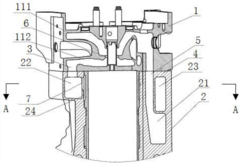
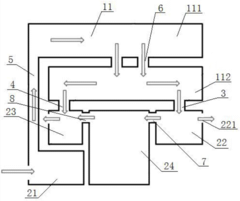
- An engine cooling system is designed. By setting a second water collecting chamber and a third water collecting chamber on the top of the cylinder block, and setting a split outlet in the cylinder head water jacket, the coolant enters the second water collecting chamber and then splits, and part of it flows to The other part of the radiator directly enters the radiator to control the coolant flow to achieve differentiated cooling of the cylinder block and cylinder head. The coolant flows horizontally around the No. 1 and No. 2 connecting channels to enhance the cooling of the top of the cylinder liner.


Environmental Impact of Advanced Cooling Systems
The environmental impact of advanced cooling systems for the 2JZ engine is a crucial consideration in the pursuit of enhanced reliability and performance. These innovative cooling solutions, while primarily aimed at improving engine efficiency and longevity, also have significant implications for the environment.
Advanced cooling systems often incorporate more efficient heat exchangers and coolant formulations, which can lead to reduced energy consumption and lower emissions. By maintaining optimal operating temperatures more consistently, these systems can help minimize fuel consumption and decrease the engine's overall carbon footprint. This is particularly important in the context of increasingly stringent environmental regulations and the global push for more sustainable transportation solutions.
However, the production and disposal of advanced cooling system components may present environmental challenges. The use of specialized materials and manufacturing processes could potentially increase the ecological footprint of these systems. For instance, the production of high-performance coolants and advanced heat-resistant materials may involve energy-intensive processes or the use of rare earth elements, which can have environmental implications in terms of resource extraction and processing.
The longevity and recyclability of these advanced cooling systems are also important factors to consider. While they may extend the lifespan of the 2JZ engine, thus reducing the need for frequent replacements, the complexity of these systems could potentially make them more challenging to recycle at the end of their life cycle. This raises questions about the long-term environmental impact and the need for sustainable disposal methods.
On the positive side, the improved reliability offered by these advanced cooling systems can indirectly benefit the environment by reducing the frequency of engine failures and subsequent repairs. This, in turn, can lead to a decrease in the consumption of replacement parts and the associated environmental costs of manufacturing and transportation.
Furthermore, the potential for these advanced cooling systems to be adapted for use with alternative fuels or in hybrid powertrains could contribute to the overall reduction of environmental impact in the automotive sector. By enabling engines to operate more efficiently with a variety of fuel types, these cooling innovations could play a role in the transition towards more sustainable transportation solutions.
In conclusion, while advanced cooling systems for the 2JZ engine offer promising benefits in terms of reliability and performance, their environmental impact is multifaceted. The potential for reduced emissions and improved fuel efficiency must be balanced against the environmental costs of production and end-of-life considerations. As technology continues to evolve, it will be crucial to prioritize eco-friendly design principles and sustainable manufacturing processes to maximize the environmental benefits of these innovative cooling solutions.
Advanced cooling systems often incorporate more efficient heat exchangers and coolant formulations, which can lead to reduced energy consumption and lower emissions. By maintaining optimal operating temperatures more consistently, these systems can help minimize fuel consumption and decrease the engine's overall carbon footprint. This is particularly important in the context of increasingly stringent environmental regulations and the global push for more sustainable transportation solutions.
However, the production and disposal of advanced cooling system components may present environmental challenges. The use of specialized materials and manufacturing processes could potentially increase the ecological footprint of these systems. For instance, the production of high-performance coolants and advanced heat-resistant materials may involve energy-intensive processes or the use of rare earth elements, which can have environmental implications in terms of resource extraction and processing.
The longevity and recyclability of these advanced cooling systems are also important factors to consider. While they may extend the lifespan of the 2JZ engine, thus reducing the need for frequent replacements, the complexity of these systems could potentially make them more challenging to recycle at the end of their life cycle. This raises questions about the long-term environmental impact and the need for sustainable disposal methods.
On the positive side, the improved reliability offered by these advanced cooling systems can indirectly benefit the environment by reducing the frequency of engine failures and subsequent repairs. This, in turn, can lead to a decrease in the consumption of replacement parts and the associated environmental costs of manufacturing and transportation.
Furthermore, the potential for these advanced cooling systems to be adapted for use with alternative fuels or in hybrid powertrains could contribute to the overall reduction of environmental impact in the automotive sector. By enabling engines to operate more efficiently with a variety of fuel types, these cooling innovations could play a role in the transition towards more sustainable transportation solutions.
In conclusion, while advanced cooling systems for the 2JZ engine offer promising benefits in terms of reliability and performance, their environmental impact is multifaceted. The potential for reduced emissions and improved fuel efficiency must be balanced against the environmental costs of production and end-of-life considerations. As technology continues to evolve, it will be crucial to prioritize eco-friendly design principles and sustainable manufacturing processes to maximize the environmental benefits of these innovative cooling solutions.
Cost-Benefit Analysis of Cooling Innovations
The cost-benefit analysis of cooling innovations for the 2JZ engine reveals a complex interplay between initial investment, long-term reliability, and performance gains. Implementing advanced cooling technologies often requires substantial upfront costs, including research and development, retooling of production lines, and potential redesigns of engine components. However, these investments can yield significant returns in terms of enhanced engine longevity and improved performance metrics.
One of the primary benefits of cooling innovations is the potential for increased engine reliability. By maintaining optimal operating temperatures more consistently, advanced cooling systems can reduce thermal stress on engine components, leading to fewer failures and extended service intervals. This translates to lower warranty costs for manufacturers and reduced maintenance expenses for end-users, particularly in high-performance or heavy-duty applications where the 2JZ engine is often employed.
Performance gains represent another key benefit of cooling innovations. More efficient heat dissipation allows for higher sustained power output and improved thermal efficiency. This can result in better fuel economy and increased horsepower, both of which are highly valued by consumers and can justify premium pricing for vehicles equipped with these advanced cooling systems.
However, the cost side of the equation must be carefully considered. The development of new cooling technologies often involves significant R&D expenditure, which must be amortized across production volumes. Additionally, more complex cooling systems may increase manufacturing costs on a per-unit basis, potentially impacting profit margins or necessitating price increases.
The environmental impact and regulatory compliance aspects also factor into the cost-benefit analysis. Improved cooling efficiency can contribute to reduced emissions and better overall engine efficiency, potentially helping manufacturers meet increasingly stringent environmental regulations. This benefit must be weighed against any additional resource consumption or manufacturing complexity introduced by new cooling technologies.
Ultimately, the viability of cooling innovations for the 2JZ engine depends on market positioning and consumer perception. If the benefits of improved reliability and performance can be effectively communicated to consumers, they may be willing to pay a premium for vehicles equipped with these advanced cooling systems. This could offset higher production costs and justify the initial investment in innovation.
In conclusion, while the upfront costs of implementing cooling innovations for the 2JZ engine can be substantial, the long-term benefits in terms of reliability, performance, and potential regulatory compliance make a compelling case for investment. Manufacturers must carefully balance these factors against market demands and production capabilities to determine the optimal approach to cooling system innovation.
One of the primary benefits of cooling innovations is the potential for increased engine reliability. By maintaining optimal operating temperatures more consistently, advanced cooling systems can reduce thermal stress on engine components, leading to fewer failures and extended service intervals. This translates to lower warranty costs for manufacturers and reduced maintenance expenses for end-users, particularly in high-performance or heavy-duty applications where the 2JZ engine is often employed.
Performance gains represent another key benefit of cooling innovations. More efficient heat dissipation allows for higher sustained power output and improved thermal efficiency. This can result in better fuel economy and increased horsepower, both of which are highly valued by consumers and can justify premium pricing for vehicles equipped with these advanced cooling systems.
However, the cost side of the equation must be carefully considered. The development of new cooling technologies often involves significant R&D expenditure, which must be amortized across production volumes. Additionally, more complex cooling systems may increase manufacturing costs on a per-unit basis, potentially impacting profit margins or necessitating price increases.
The environmental impact and regulatory compliance aspects also factor into the cost-benefit analysis. Improved cooling efficiency can contribute to reduced emissions and better overall engine efficiency, potentially helping manufacturers meet increasingly stringent environmental regulations. This benefit must be weighed against any additional resource consumption or manufacturing complexity introduced by new cooling technologies.
Ultimately, the viability of cooling innovations for the 2JZ engine depends on market positioning and consumer perception. If the benefits of improved reliability and performance can be effectively communicated to consumers, they may be willing to pay a premium for vehicles equipped with these advanced cooling systems. This could offset higher production costs and justify the initial investment in innovation.
In conclusion, while the upfront costs of implementing cooling innovations for the 2JZ engine can be substantial, the long-term benefits in terms of reliability, performance, and potential regulatory compliance make a compelling case for investment. Manufacturers must carefully balance these factors against market demands and production capabilities to determine the optimal approach to cooling system innovation.
Unlock deeper insights with PatSnap Eureka Quick Research — get a full tech report to explore trends and direct your research. Try now!
Generate Your Research Report Instantly with AI Agent
Supercharge your innovation with PatSnap Eureka AI Agent Platform!